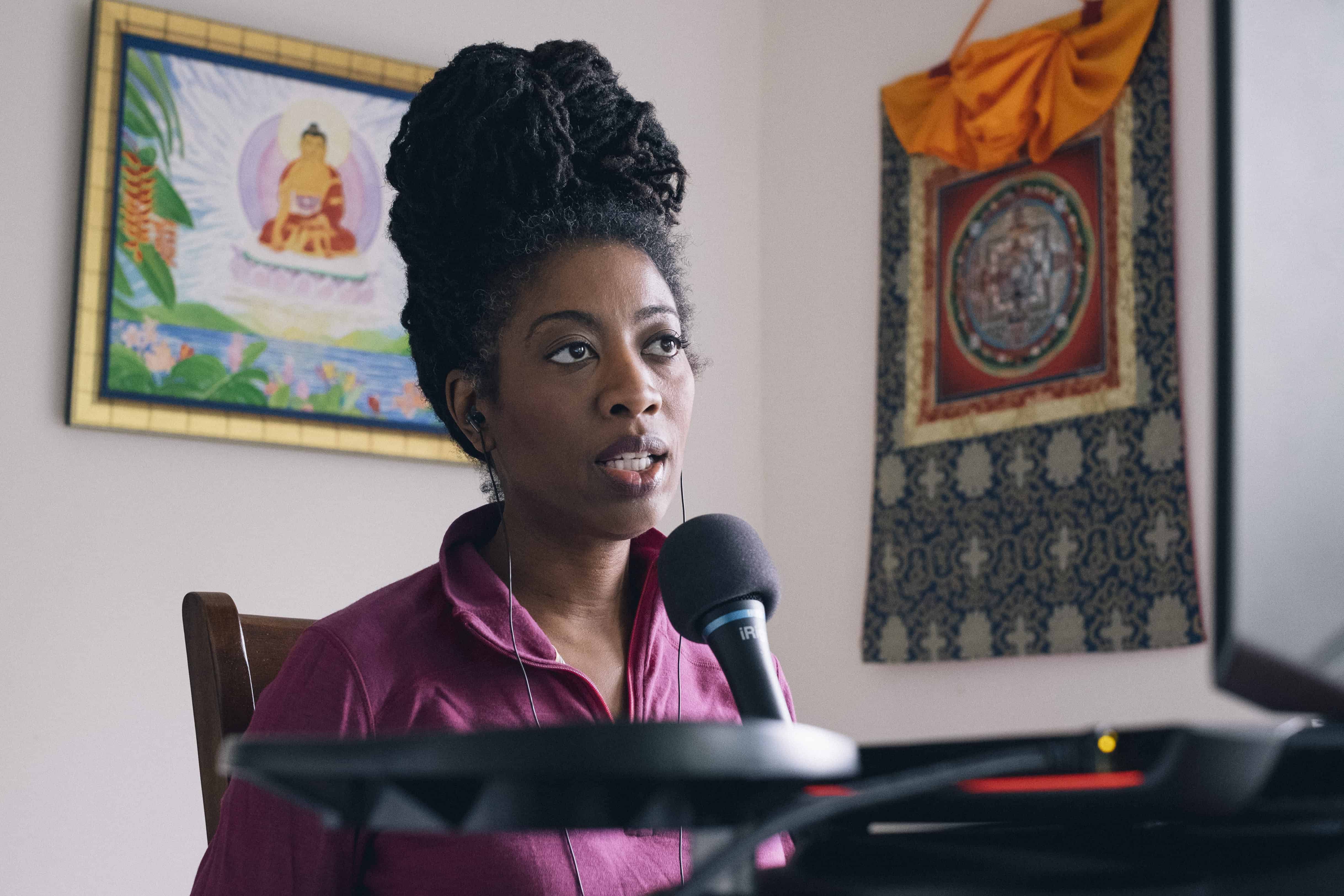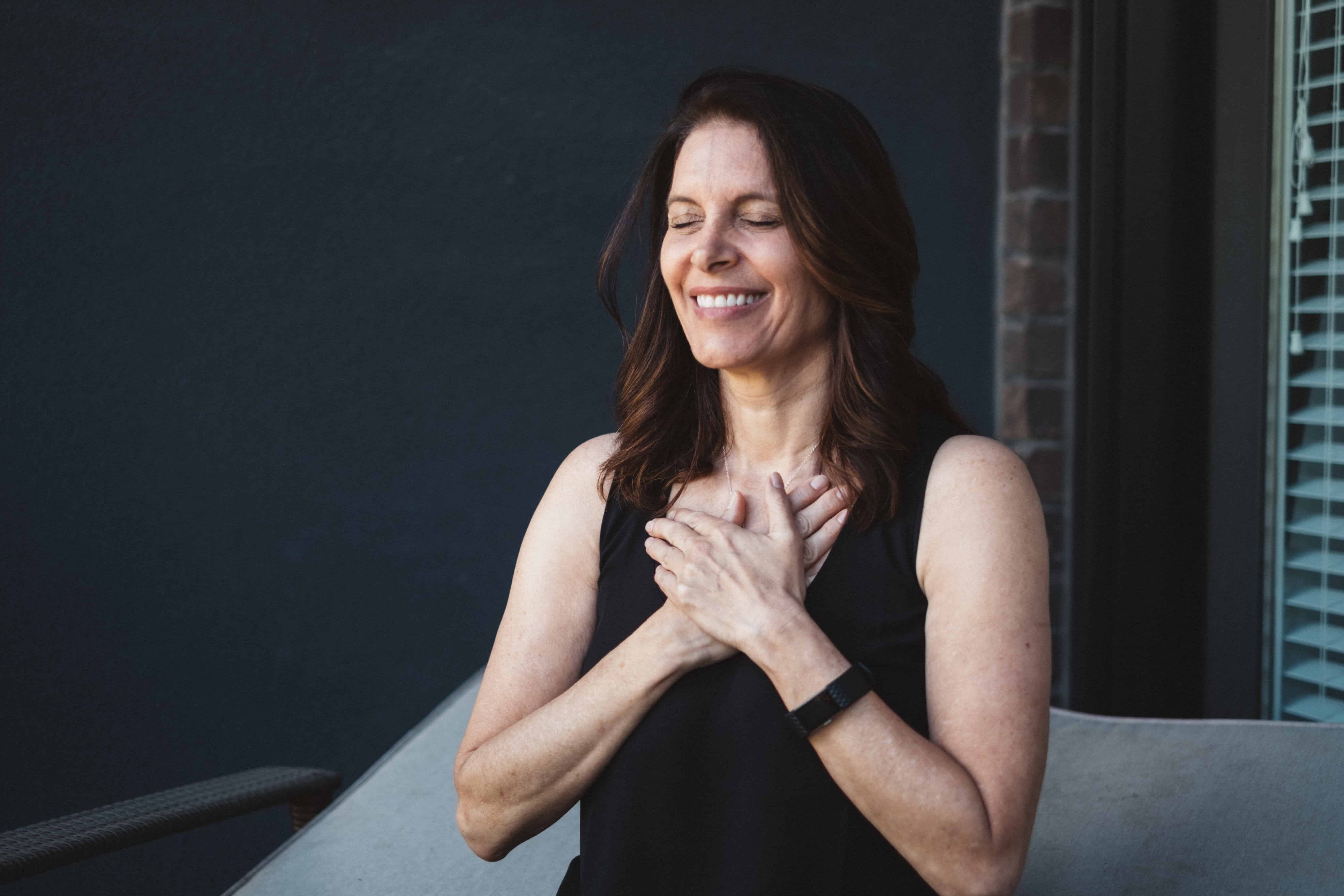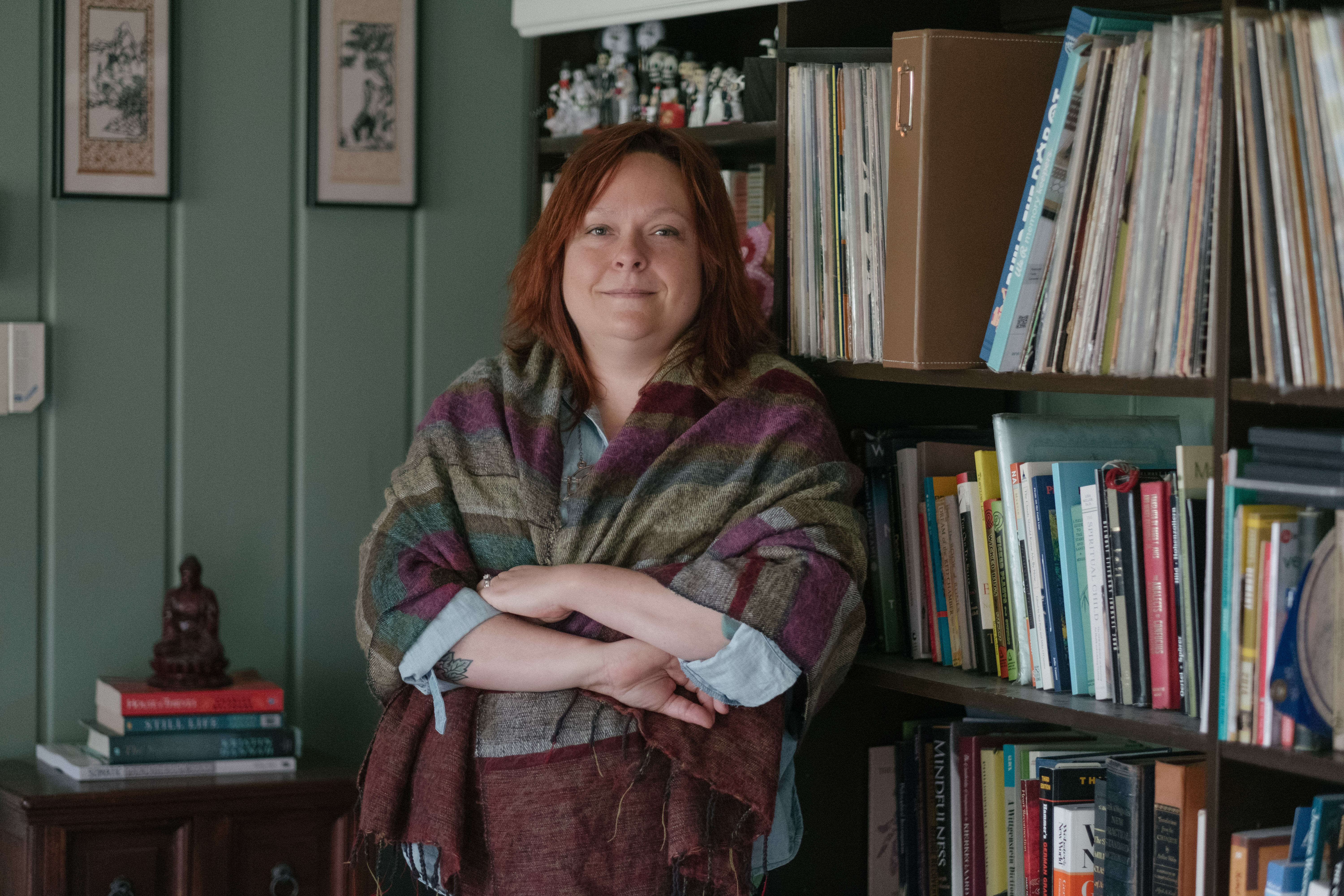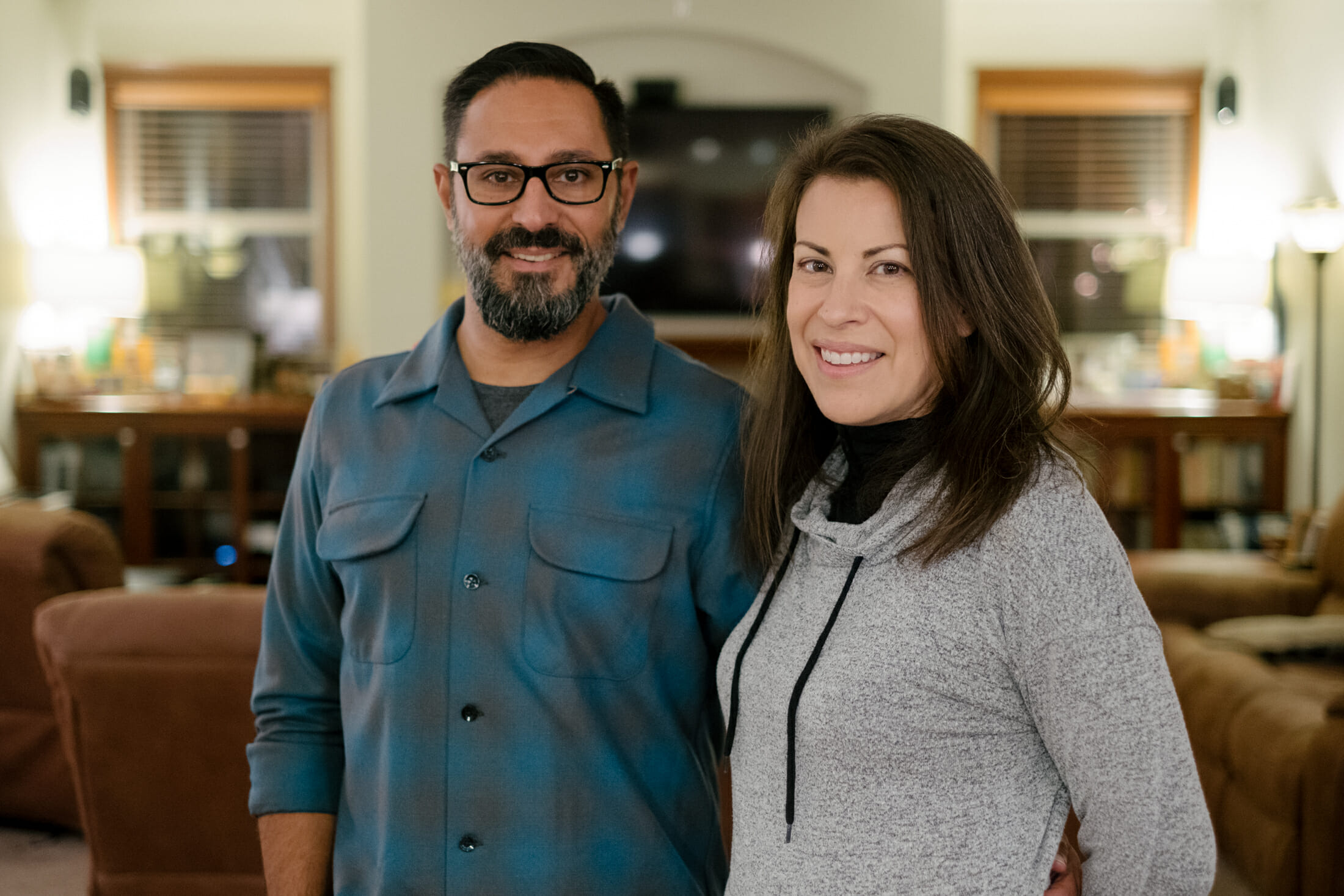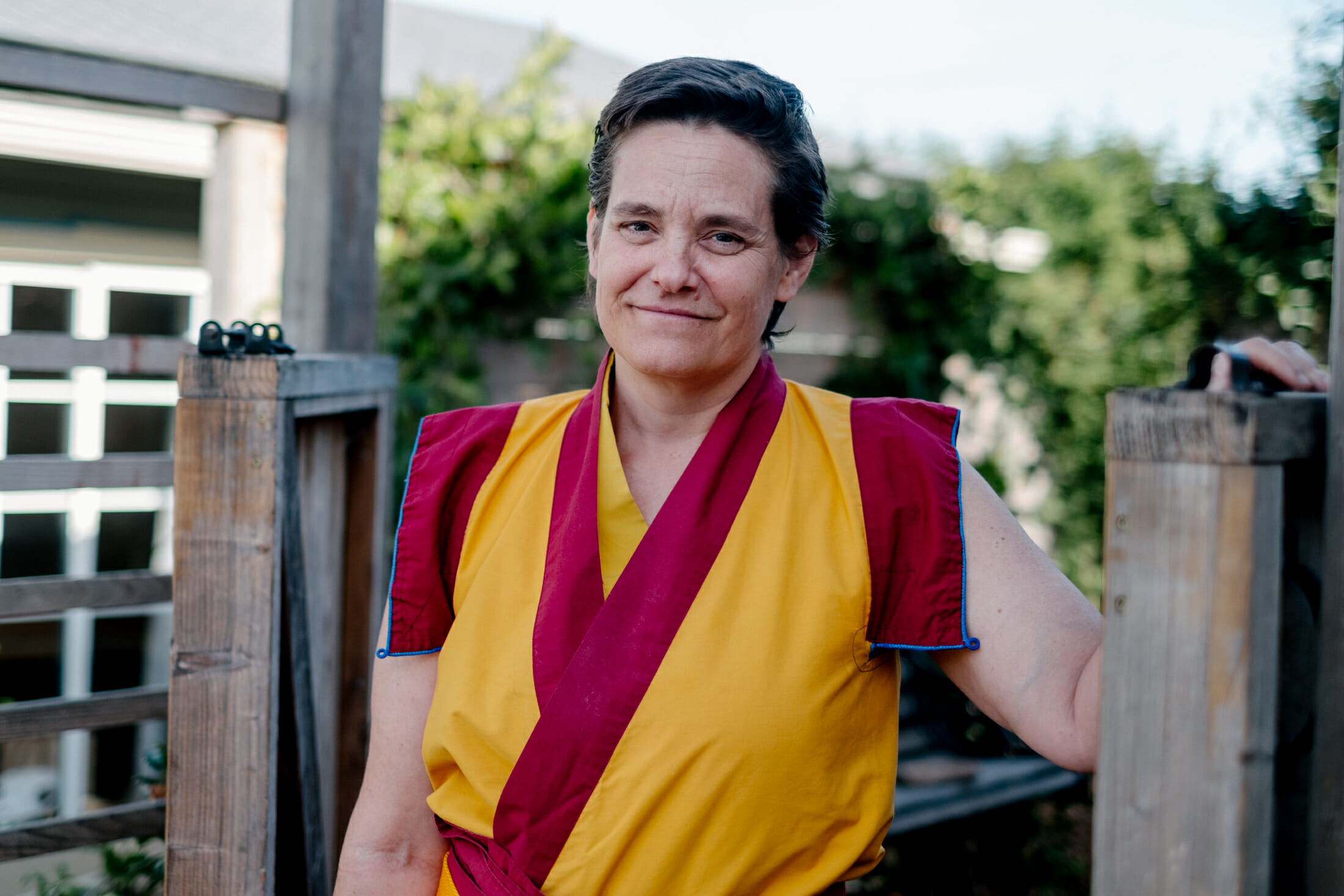
Zanette’s Buddhist journey began at age 13, when she first encountered the Dharma through a high school world religions class. Raised in a Christian family, she was drawn to Buddhism not as a replacement identity, but as a language of inquiry, ritual, and embodied presence. Over time, her path moved from intellectual curiosity into lived practice through meditation, Plum Village, the Order of Interbeing, Vipassana, Zen, and eventually Vajrayana. For Zanette, the Dharma is not confined to the cushion. It appears in how she communicates, how she listens, how she meets intimacy, and how she returns to the body during moments of fear or uncertainty. Her practice is rooted in presence: the ability to pause, feel, and respond with awareness rather than habit. Through teachers such as Anam Thubten and Pema Khandro Rinpoche, she found a path that honors both insight and structure, especially through non-monastic Vajrayana practice for householders. Her story also explores Buddhism in the West, the limits of secular mindfulness, the importance of sangha, and the role of ritual in facing death and honoring the preciousness of life. As an experience designer, Zanette brings contemplative practice into professional spaces without relying on Buddhist language, showing how Dharma can quietly shape communication, collaboration, and collective transformation. Zanette’s profile offers a deeply personal look at what it means to live the Dharma beyond the cushion—with honesty, embodiment, compassion, and a continual return to the present moment.
Indigo: Embodying Buddha Nature Beyond the Cushion
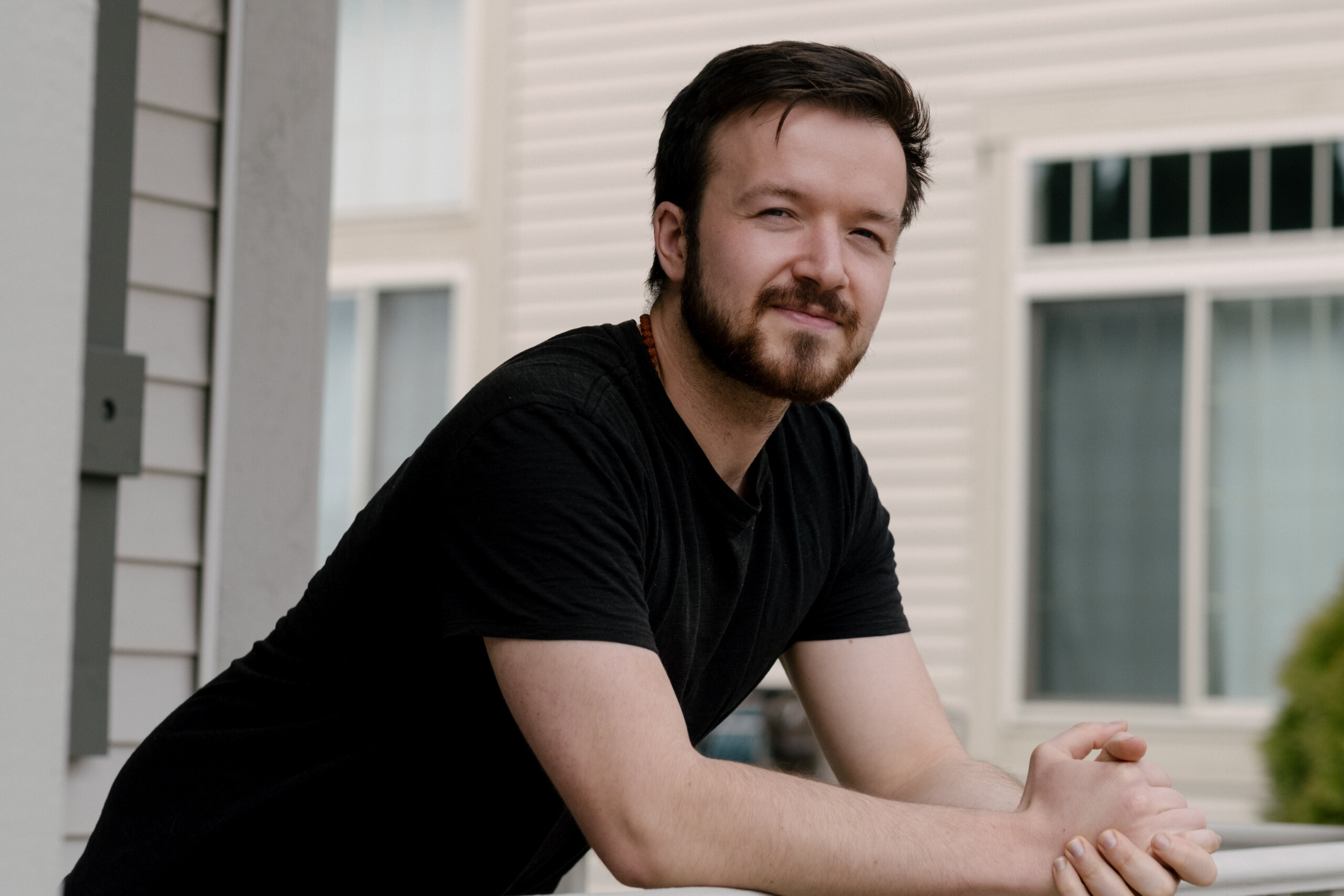
ronak2026-09-11T23:16:35+00:00Indigo’s Buddhist journey is rooted in direct experience, devotion, and a deepening relationship with Vajrayana practice. Rather than approaching the Dharma simply as a way to fix problems or reduce suffering, she sees practice as an ongoing process of embodying Buddha nature more fully in everyday life. Through years of study and practice with her teacher, Anam Thubten, Indigo’s path has gradually moved away from intellectual understanding and toward lived experience. She is especially drawn to Vajrayana practices that use visualization, deity practice, and embodiment to loosen the boundaries of identity and reveal deeper dimensions of awareness. Her relationship with her teacher has also played a central role in her transformation. At one pivotal moment, trusting that relationship meant leaving a life she loved in Maui and moving to California—a decision that challenged her attachment to certainty and opened her to a deeper understanding of surrender, synchronicity, and commitment. For Indigo, spiritual realization is not a distant destination. There is no final finish line. Instead, the path is about allowing awakening to become increasingly natural—until the miraculous no longer feels extraordinary, and practice is no longer separate from ordinary life.
Mara’s Journey Through Grief: How Buddhist Practice and Sangha Transformed Loss
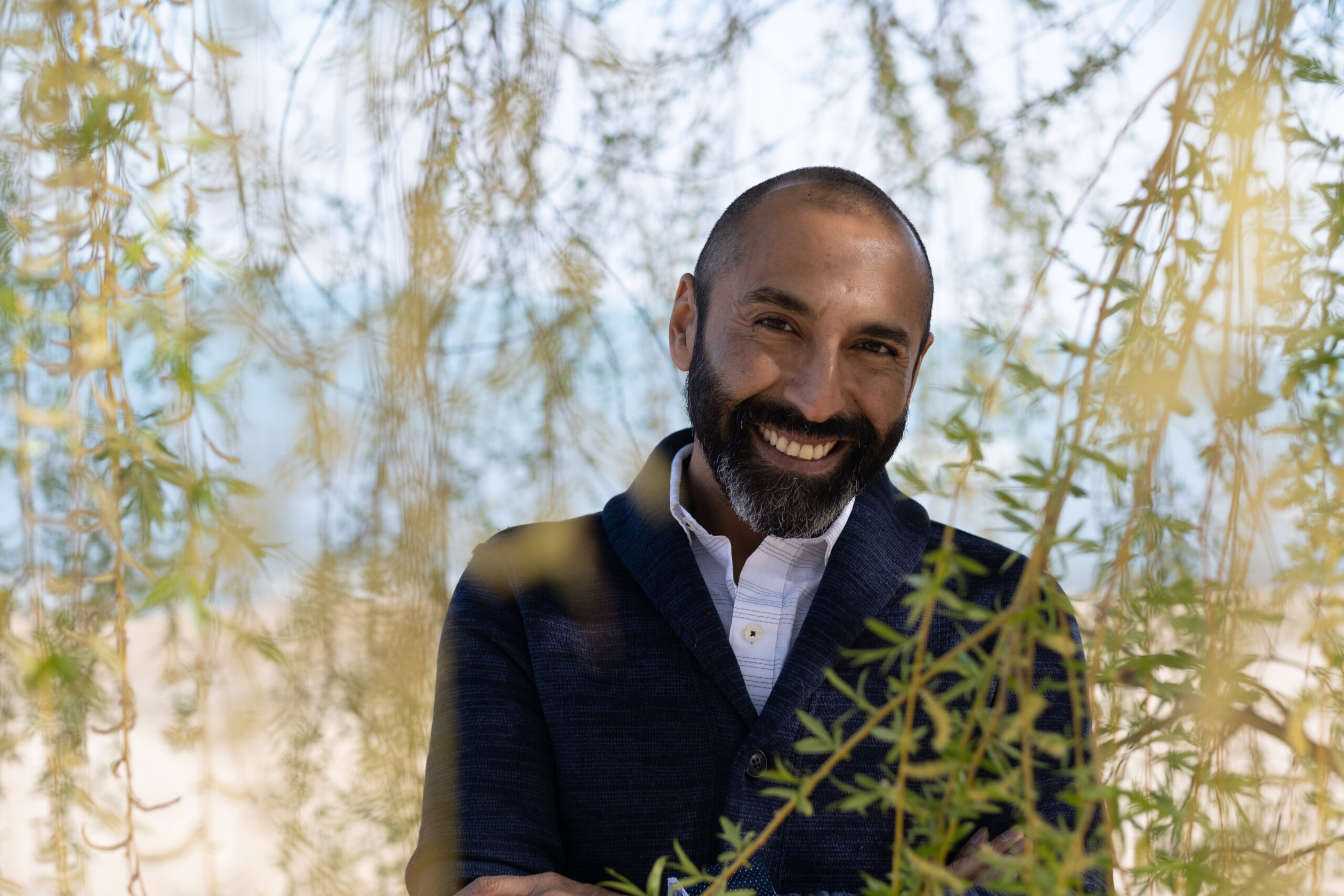
ronak2026-09-11T23:22:36+00:00After the devastating loss of her son, Mara turned more deeply toward Buddhist practice, meditation, and Sangha to find a way through grief. Rather than trying to escape her suffering, she learned to meet it with compassion, loving-kindness, and equanimity. Inspired by the Buddha’s teachings on loss and the shared nature of suffering, Mara helped create a grief community where people could sit together, listen, and bear witness to one another’s pain. Her journey reveals how the Dharma does not necessarily take grief away—it can transform our relationship to it, allowing profound loss to become a source of connection, compassion, and service.
Rachel’s Journey Through Insight Meditation: From Recovery to Compassionate Living
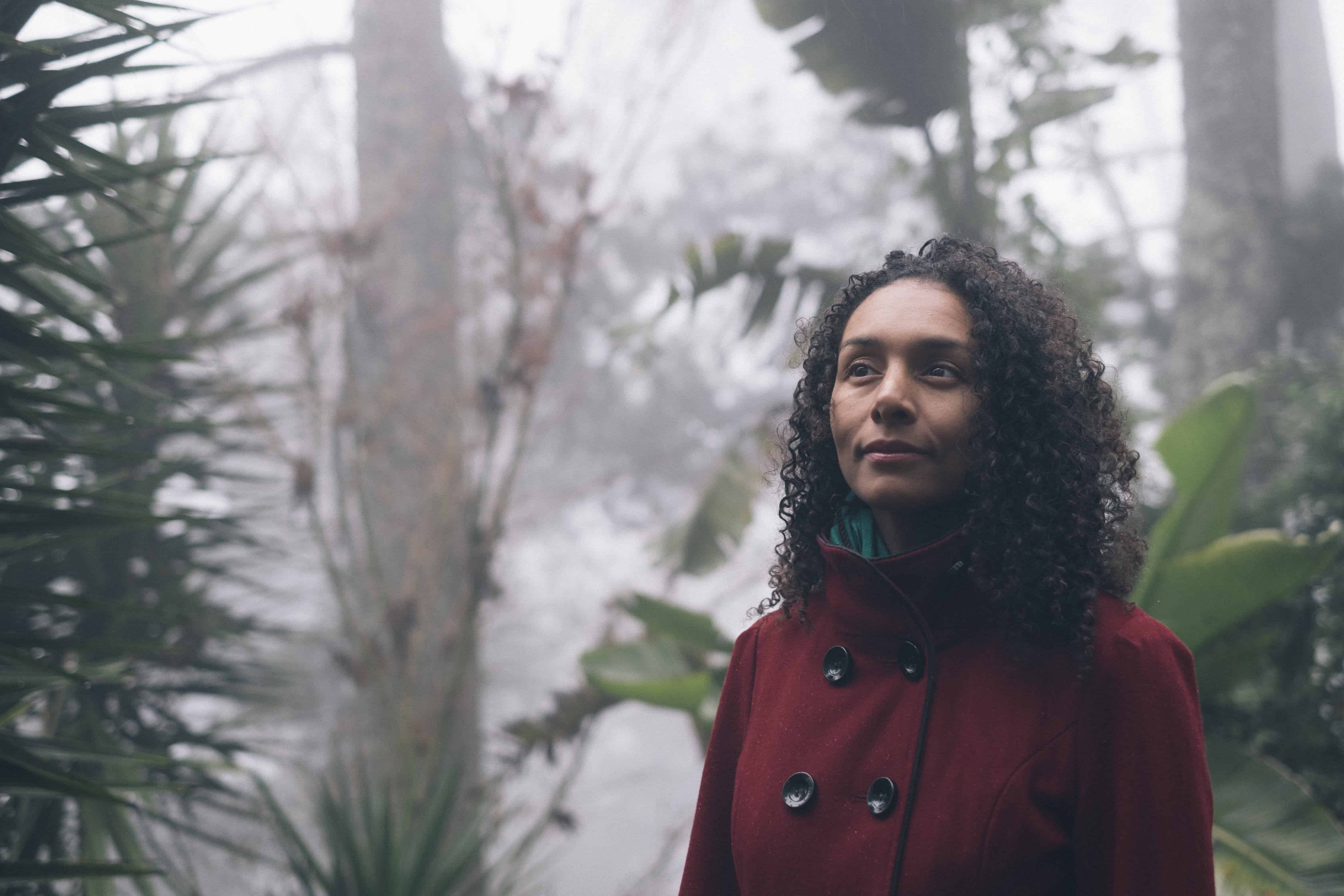
ronak2026-09-11T23:25:37+00:00Rachel’s journey into Buddhism began with grief, recovery, and a search for a different way to relate to suffering. Drawn to the Insight Buddhist tradition, she discovered that mindfulness and Vipassana meditation were not about escaping difficult thoughts and emotions, but learning to meet them with awareness, compassion, and curiosity. Through practices including Vipassana, mindfulness, loving-kindness (metta), compassion, and somatic awareness, Rachel gradually brought the Dharma beyond meditation and into her everyday life. Her Buddhist practice became deeply intertwined with her work in mental health and trauma, offering a foundation for staying present with suffering without turning away from it. For Rachel, the Insight lineage offers something both simple and profound: an invitation to see experience clearly. Rather than asking for belief, the practice asks her to investigate suffering directly and discover how awareness can create greater freedom in the way she lives, works, loves, and relates to others. Her story reflects the heart of Beyond the Cushion: the Dharma becomes transformative not simply through meditation, but through how we carry its wisdom and compassion into the ordinary moments of our lives.
Jude & Emma: Buddhism, Marriage and the Practice of Interdependence
ronak2026-08-26T05:59:51+00:00For Jude and Emma, Buddhism is not simply a practice that happens on the meditation cushion—it has become part of their marriage, parenting, careers, and everyday relationships. Raised in Catholic families in Kansas, their spiritual journeys gradually led them toward Buddhism, from early encounters with Zen to Tibetan Buddhist teachings, meditation, sangha, and the exploration of emptiness and interdependence. Over more than two decades of marriage, their Buddhist paths have evolved in different ways. Jude remains drawn to the discipline and simplicity of Zen alongside Tibetan Buddhist philosophy, while Emma finds meaning in mindfulness, community, and bringing Buddhist practice into ordinary human connection. Rather than pulling them apart, these differences have become part of their practice together. Through marriage, raising children, navigating careers, and confronting the inevitable conflicts of family life, Jude and Emma have discovered that some of Buddhism’s deepest teachings are revealed through relationship. Their story explores what it means to move Buddhist practice beyond the cushion—to see marriage as a practice of letting go, parenting as an opportunity for mindfulness, and interdependence not simply as Buddhist philosophy, but as something lived every day.
Shinchok: Finding Freedom, Devotion, and Wisdom Through the Buddhist Path
ronak2026-08-26T05:57:39+00:00Shinchok’s spiritual journey began with questioning. Raised Roman Catholic in a traditional Italian-American community in Springfield, Massachusetts, she challenged religious expectations from an early age and eventually left the Church while retaining an appreciation for the sense of community it offered. Her search led her through Zen, Hindu philosophy, meditation, Spiritualism, and an exploration of teachings surrounding death and consciousness. Eventually, Tibetan Buddhism opened another doorway, bringing together her longstanding curiosity about consciousness with a more disciplined contemplative path. Throughout her journey, Shinchok was less interested in accepting beliefs at face value than in discovering what could be known through direct experience. At the heart of Shinchok’s story is a lifelong search for an inner happiness that remains present beneath the changing conditions of anger, sadness, grief, and everyday life. Encounters with meditation masters helped convince her that this clarity was not simply an abstract spiritual idea, but something that could be embodied through sustained practice. Her journey reflects one of the central themes of Beyond the Cushion: spiritual practice becomes meaningful not simply because we inherit a tradition or believe its teachings, but because we test those teachings against our own experience and allow practice to transform how we meet our lives.
Aaron’s Journey Through Zen, Yoga, and the Transformative Power of Buddhist Retreat
ronak2026-08-26T05:55:52+00:00Aaron’s Buddhist journey began with an intense awakening experience at eighteen that fundamentally changed the direction of his life. Searching for a way to understand and ground that experience, he turned first to Ashtanga yoga and later discovered the rigor of Zen meditation and monastic practice. Through retreats, teachers, Sangha, and years of dedicated practice, Aaron came to see monasteries not as places of escape, but as powerful training grounds for developing clarity, compassion, and freedom from suffering. His experience ultimately inspired Dharma Gates, an effort to connect young people with Buddhist practice, retreat opportunities, and contemplative communities. At the heart of Aaron’s path is a conviction that genuine transformation requires more than spiritual experiences—it requires commitment, trustworthy lineage, community, and the willingness to go deeply into practice.
Albert: Finding Self-Acceptance and Freedom Through Buddhist Practice
ronak2026-08-15T23:29:04+00:00Albert’s journey into Buddhism is a deeply personal story of identity, suffering, self-acceptance, and transformation. Growing up gay within a traditional Catholic culture in Mexico, Albert struggled to find a spiritual home where he could fully embrace who he was. Meditation became an early refuge—a practice he would eventually describe as his “North Star,” something he could return to when everything else felt uncertain. Years later, Albert discovered Pure Land Buddhism at the Buddhist Temple of Chicago and began to understand spirituality in an entirely different way. Rather than waiting for something outside himself to provide redemption, Buddhist practice taught him to look directly at his own mind, suffering, and capacity for compassion. Through meditation, Sangha, and his relationship with his teacher Richard, Albert gradually learned that practice was not about becoming someone else, but about learning to fully inhabit his own life. That realization eventually moved beyond the meditation cushion. Albert brought mindfulness into corporate environments, left a successful six-figure career to pursue work with greater social purpose, and began teaching meditation in ways accessible to modern practitioners. His story reveals Buddhism not as an escape from ordinary life, but as a way of meeting identity, work, relationships, suffering, and impermanence with greater awareness. For Albert, the fruit of practice is profoundly simple: learning to respect yourself, embrace your experience, and allow compassion to grow from the places that once caused the most pain.