Contribute
This project exists because people chose to show up
Help shape the second book — a visual celebration of Buddhism in the West, built from the photographs and stories of many communities.
Book II
A visual celebration of Buddhism in the West
This next volume opens the lens wider.
The first book is largely complete and focuses on the essential components of a modern, transformative Buddhist path. Its stories are drawn from a relatively small group of deeply committed practitioners across the major lineages. While powerful, this felt only like the beginning.
To more fully honor the richness, diversity, and lived reality of Buddhist practice, I felt called to create a second companion book — one shaped through meaningful contributions from many more communities and photographers. Drawing inspiration from A Day in the Life series and Humans of New York, it pairs striking portraits with short, deeply human stories, offering a broader and more intimate view of how the Buddhist path is lived today.
For photographers
Images of the Living Dharma
As outlined in my vision for the second book, I believe that as documentarians, our role extends far beyond image-making. We have the unique opportunity to serve a higher purpose — to offer a platform that reveals the incredible diversity of Buddhist practice in the West.
This work must be rooted in authenticity. That’s why I hope to collaborate with photographers who are already embedded within their own Buddhist communities — those who understand the rhythm, intimacy, and quiet beauty that can only be captured from within.
Ways your work can help
- Capture micro-stories from your local community
- Document underrepresented sanghas, especially immigrant and minority communities
- Showcase the practices, rituals and services unique to your lineage
- Highlight the teachers and leaders who guide your local sangha
- Contribute your own photographic perspective to a national platform celebrating living Buddhism
We’re seeking images that showcase
Lineage in daily life
Visual essays showing how Buddhist practice lives beyond the cushion through work, family, home altars and everyday routines.
Asian & diaspora communities
Stories of intergenerational practice, cultural continuity, festivals, language, food and community life within Asian Buddhist communities.
Lesser-known practices & rituals
Devotion, mantra, ritual objects, body-based practices and forms of practice rarely represented in Western narratives.
Sangha as living practice
Moments of connection, care, service, teaching and relationship that reveal community itself as a field of practice.
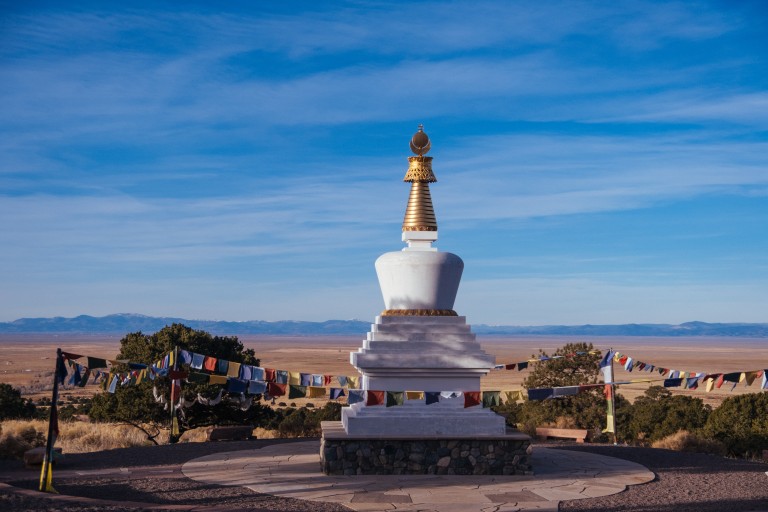
Teachers, places & quiet presence
Human portraits of teachers, sacred spaces and minimalist studies of presence that honor Buddhism as lived experience rather than explanation.
We’re not looking for perfect images or definitive statements. We’re looking for lived truth — moments that feel ordinary to those inside the practice, and quietly revelatory to those outside it.
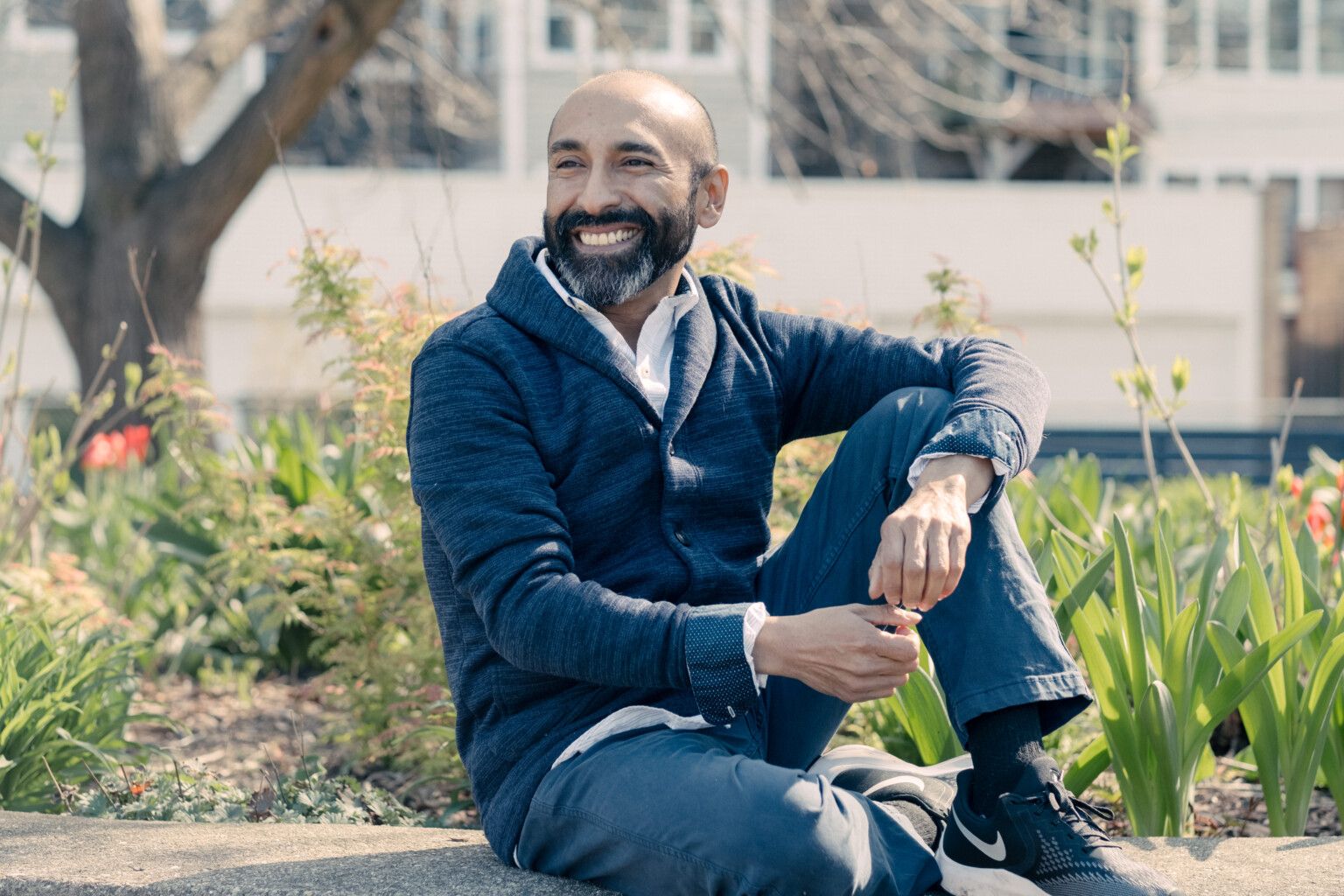
“Buddhist practice didn’t change who I was. It taught me to stop running from myself and finally come home.”
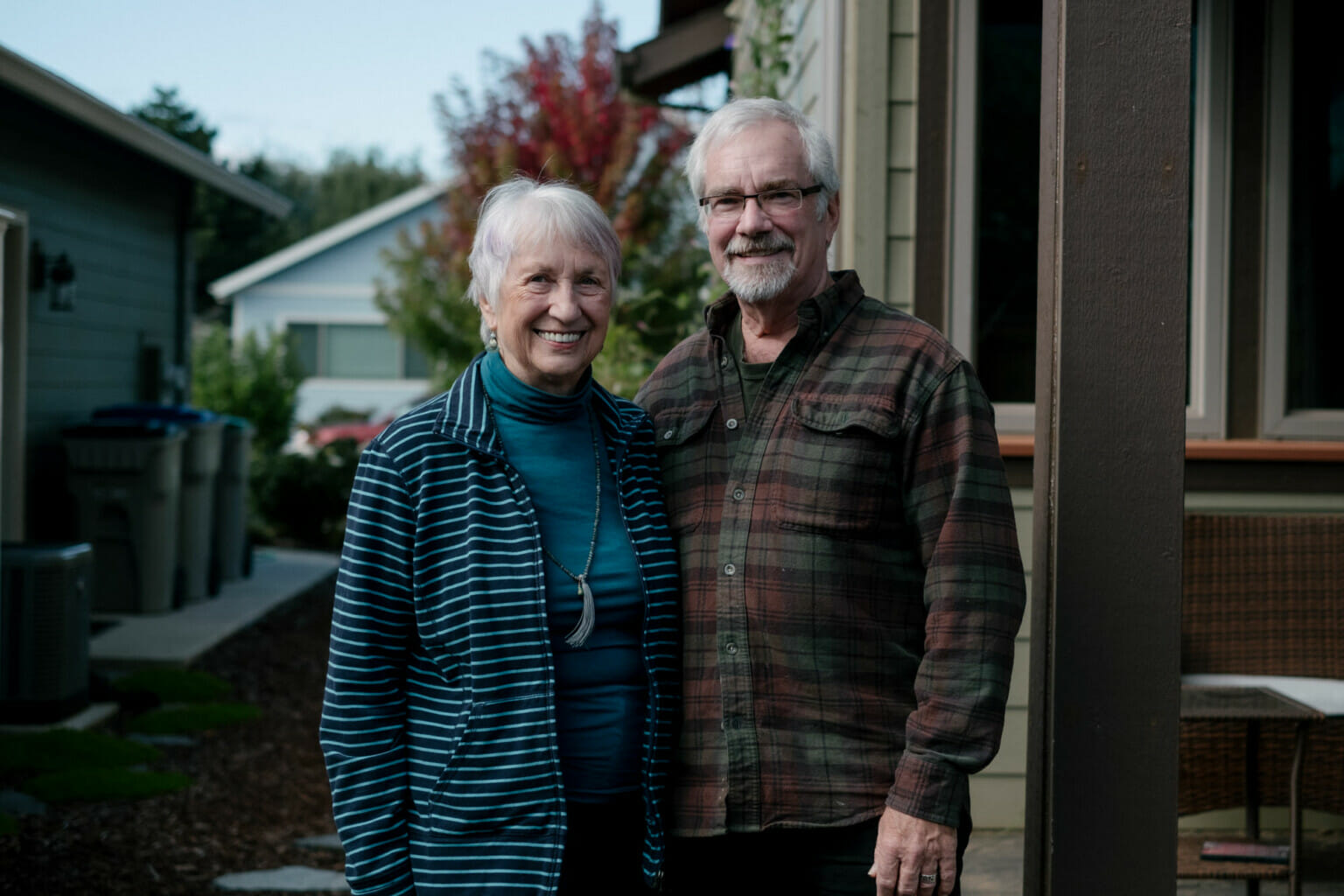
“Nothing is separate. Plum Village helped us feel the threads that connect everything — and everyone.”
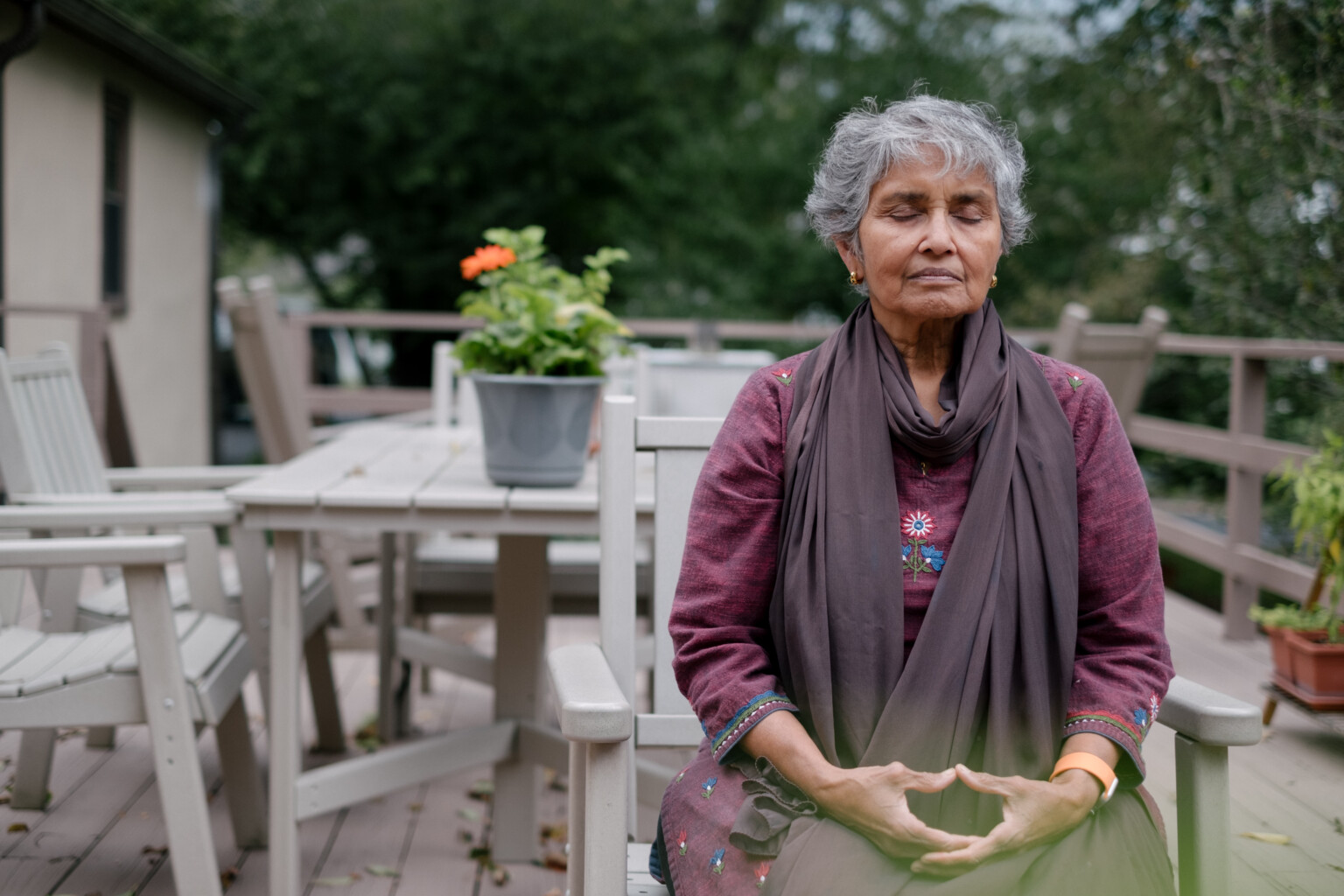
“The teachings showed me: true connection has nothing to do with background and everything to do with presence.”
For practitioners
Micro moments on the path
We’re inviting practitioners of all backgrounds — newcomers, seasoned teachers, wanderers still unsure where they belong — to share short, true stories from their spiritual path.
These don’t need to be profound. In fact, the quiet ones often touch deepest.
If you’ve experienced even a flicker of transformation, your story belongs here.
Stories we’d love to hear
Personal practice reflections
Short written pieces or audio reflections on how practice shows up in daily life: work, relationships, illness, parenting, aging or loss.
Sangha stories
First-hand accounts of community: how a sangha formed, moments of support or challenge, intergenerational experiences, or learning to practice together.
Lineage & cultural inheritance
Stories from those born into Buddhist families or communities, sharing what has been preserved, adapted or rediscovered across generations.
Rituals & devotion in everyday life
Descriptions of chanting, prayer, offerings, festivals or home practices — why they matter and how they’re lived.
Moments of turning
Quiet, honest accounts of what drew someone to the path, deepened their commitment or reshaped their understanding — without needing resolution.
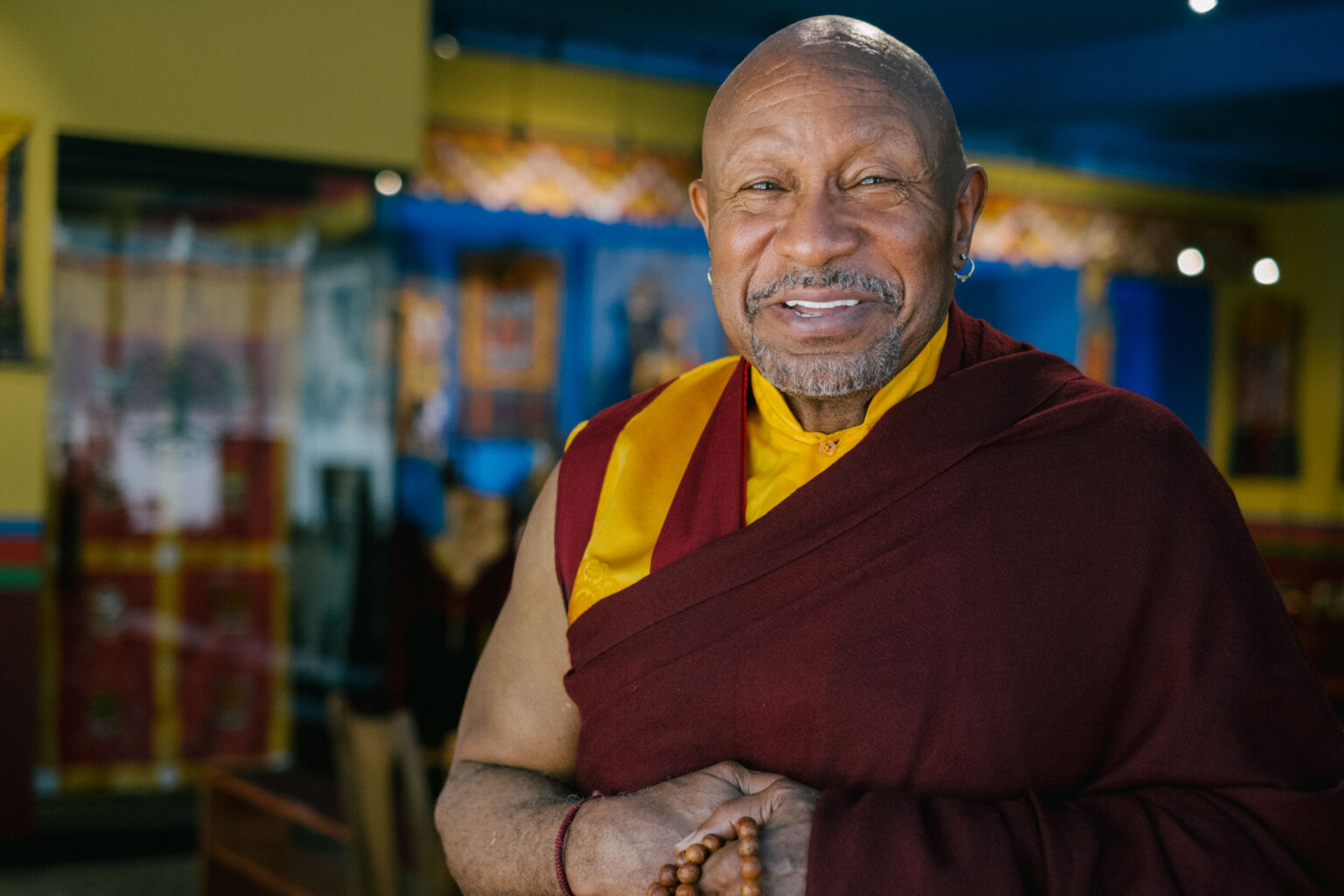
“We practice not to be perfect, but to be kind, compassionate, and awake.”
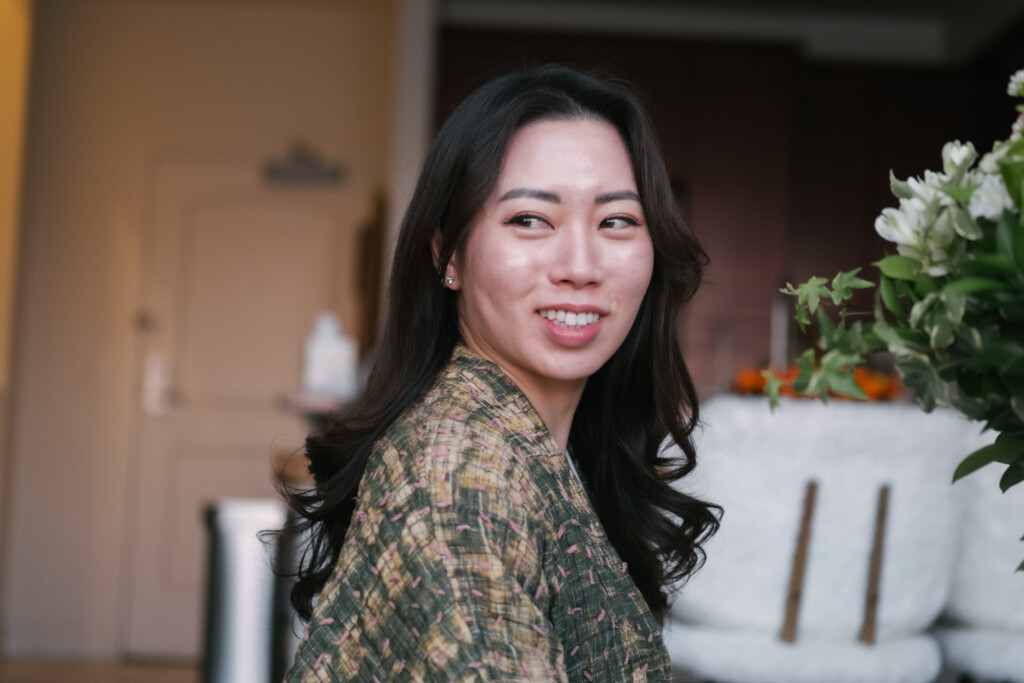
“I used to think I just didn’t feel anger. But through Tibetan yoga, I realized I had deeply buried rage — and it was blocking me from feeling anything at all, even joy. These practices helped me unlock and transform that energy.”
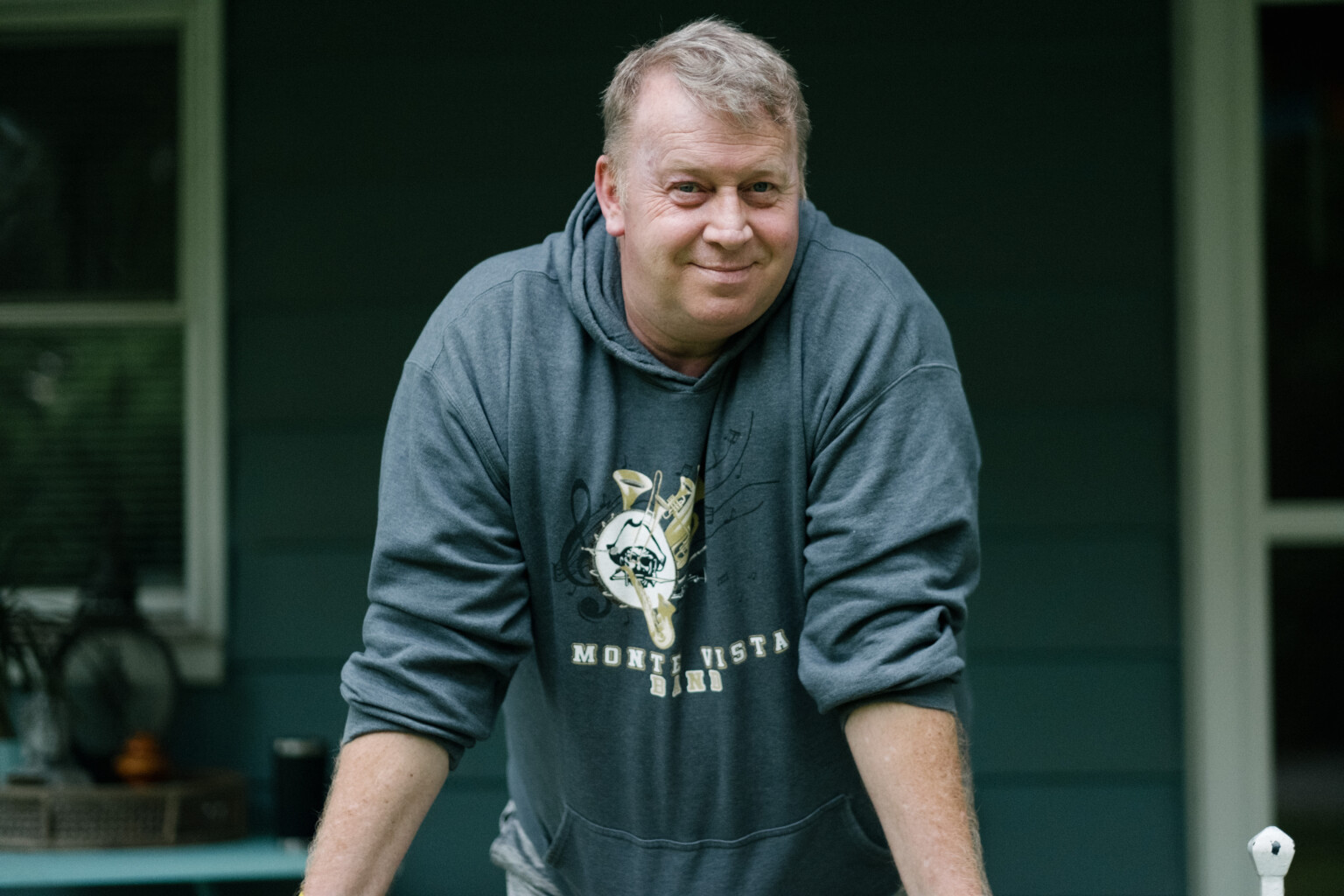
“When I think about my teacher, Geshe Jinpa Sonam, I don’t put him on a pedestal. I exalt his wisdom and compassion as a reference point: Am I getting closer to that?”