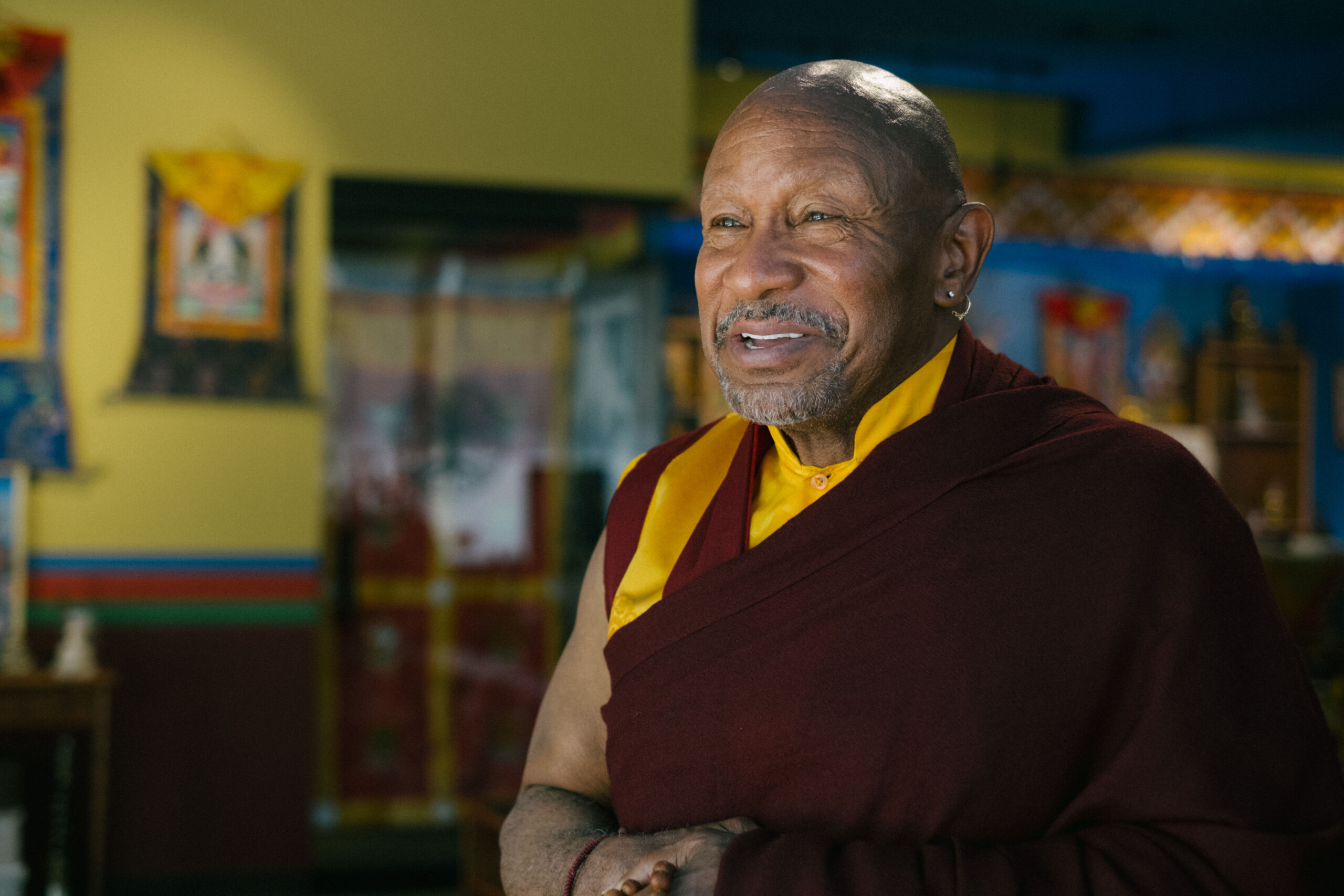
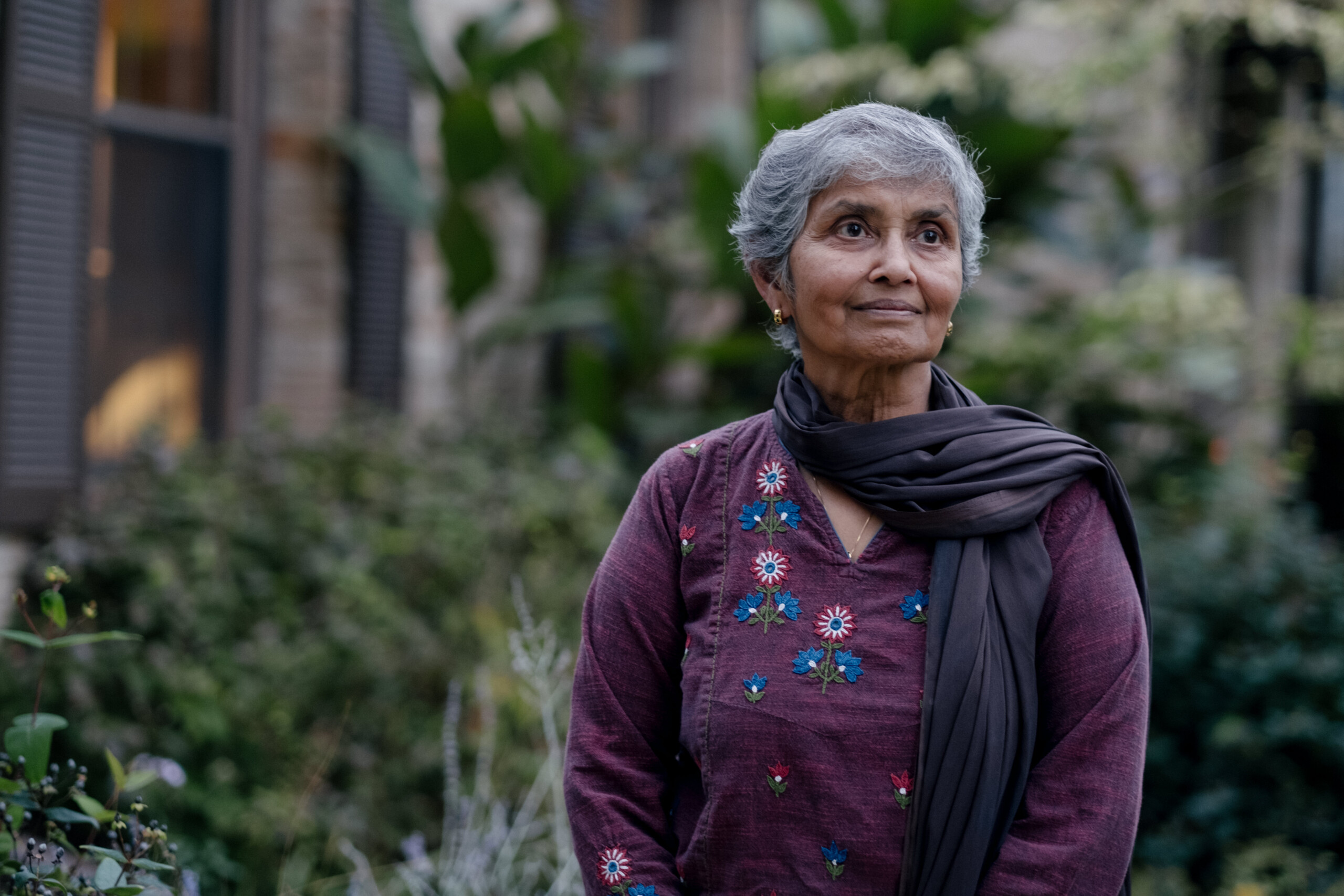



Exploring Portraits
Some people come to the path in the middle of a crisis—something broke open and they needed a way to meet it. Others arrive out of simple curiosity, drawn by a book or a conversation or a quiet sense that something was missing. Some have been sitting for thirty years; others are still learning how to be with their own mind for the first time.
There are people here who came through Zen, others through Tibetan or Theravāda lineages. First-generation practitioners finding their footing. Others carrying something forward that was passed down to them. People whose practice has been tested by illness, loss, and the full weight of ordinary life—and people still in the early stages of discovering what any of this actually means.
Rather than presenting a single version of the path, these stories are organized across stages of development, lineages, and generations—so you can explore in whatever way feels most alive and relevant to where you actually are. You might find yourself drawn to someone at a similar point in their journey. Or someone whose background mirrors your own. Or you might find unexpected resonance in a path that looks nothing like yours.

Early Development
Practice starts with inspiration, but it doesn’t stay there. Soon it becomes a mirror—reflecting patterns of reactivity, self-judgment, the subtle ways we avoid discomfort. That shift can be unsettling. It’s also where real growth begins.
And quietly, things start to change. A little more patience. A pause where there used to be impulse. Small shifts, but steady and real.
The deeper challenge is the tension between exploration and commitment. With so many teachings available, it’s easy to keep searching without ever settling. But depth requires staying—letting a practice work on you, rather than always chasing something new.
This phase isn’t about having answers. It’s about learning to remain—present enough to see clearly, honest enough not to look away.
Even the uncertainty becomes part of the practice.
In the middle
After many years, something shifts. The urgency fades—but the depth increases. What once felt like effort starts to feel like a way of living.
The changes are subtle but steady. More space around emotions. Less reactivity. A growing ability to stay present even when things are hard. Compassion stops being something to cultivate and starts being something that simply shows up.
The challenges don’t disappear though—they evolve. Practice can become routine. Familiarity can quietly dull curiosity. There’s less novelty, less obvious progress, and more of a quiet demand to keep going without the reward of feeling like you’re getting somewhere. Even identity can form around it—becoming “someone who practices” in a way that closes more than it opens.
At this stage, the path becomes less about improvement and more about integration. It shows up in ordinary moments—in relationships, in conflict, in how life is actually lived day to day.
And the longer one stays with it, the clearer it becomes: there’s no finish line. Just a deepening commitment to remain present, stay honest, and keep going.


Late Stage
There’s a quiet gravity to those who have walked the path for over thirty years. Not something they announce—but something you feel.
The sharp edges have softened. The need to prove, to achieve, to become—largely fallen away. What remains is deeply human. A steadiness that holds even when life doesn’t cooperate. Compassion that isn’t performative—just grounded, expressed in small and consistent ways.
The challenges don’t disappear. They become more refined. Deeply ingrained patterns that only reveal themselves after years of honest looking. And a quiet recognition that this is lifelong work—no resolution, no finish line.
Perhaps the most humbling realization is also the simplest: even after decades, the practice hasn’t changed. Still showing up. Still paying attention. Still letting go.
What remains is devotion—not to progress, but to the practice itself. A life shaped not by seeking, but by staying.
More ways to explore
With over 70 intimate portraits of real-life practitioners, this project is shaped by individuals who generously shared their journeys so others might benefit.
Registration is required to view the complete set of portraits, organized by theme and life stages.