Photo essay · Retreats
The power of retreats
Why retreat centers matter—for practice, for sangha, and for the future of Buddhism in the West.
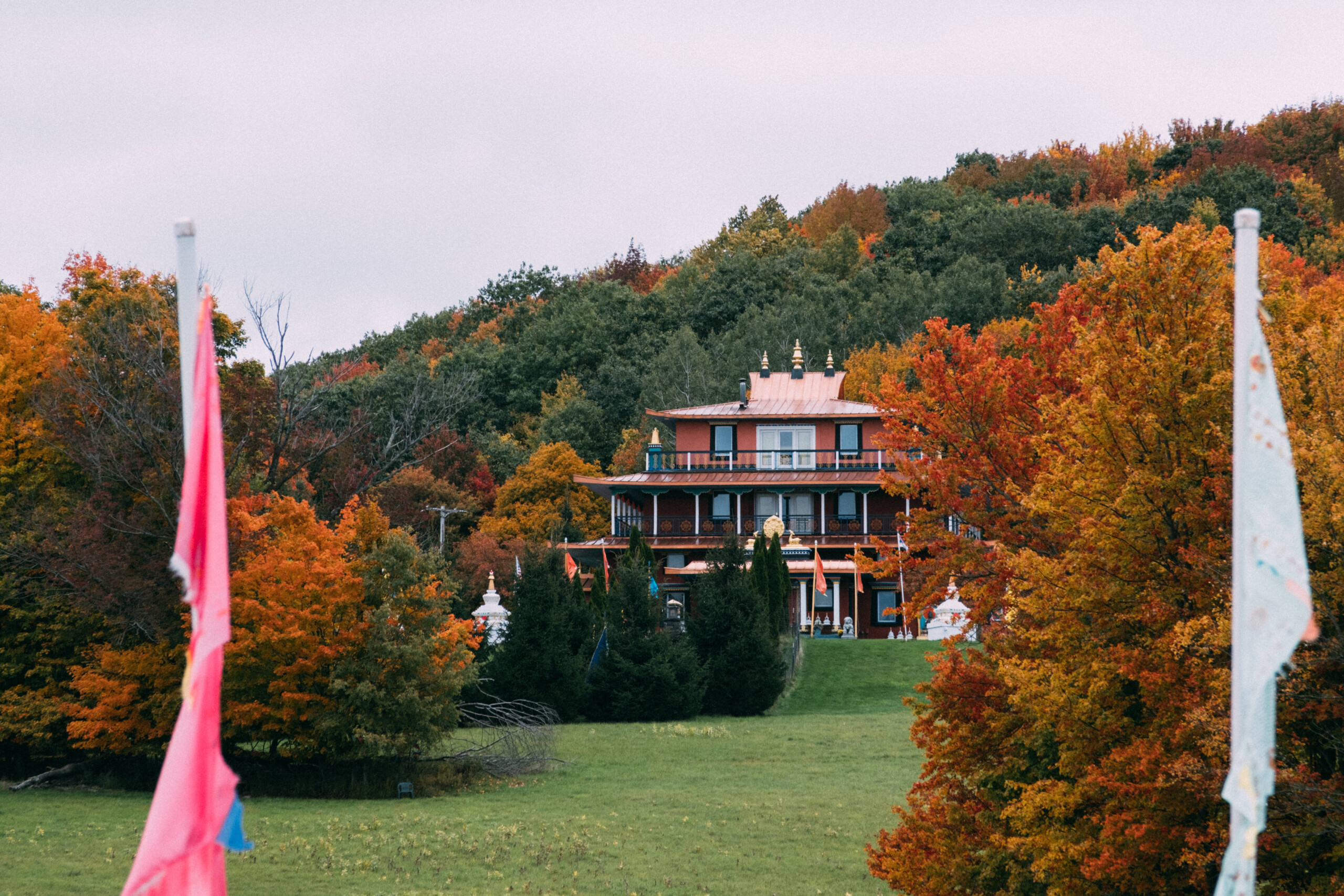
The Padmasambhava Buddhist Center is a Catskills retreat offering Tibetan Nyingma meditation and study.
In a world that rewards speed, productivity, and constant responsiveness, stepping into retreat is a quiet act of resistance. It’s choosing depth over distraction. Stillness over noise. And again and again, I’ve seen how retreat spaces become the crucibles where practice moves from concept into lived experience.
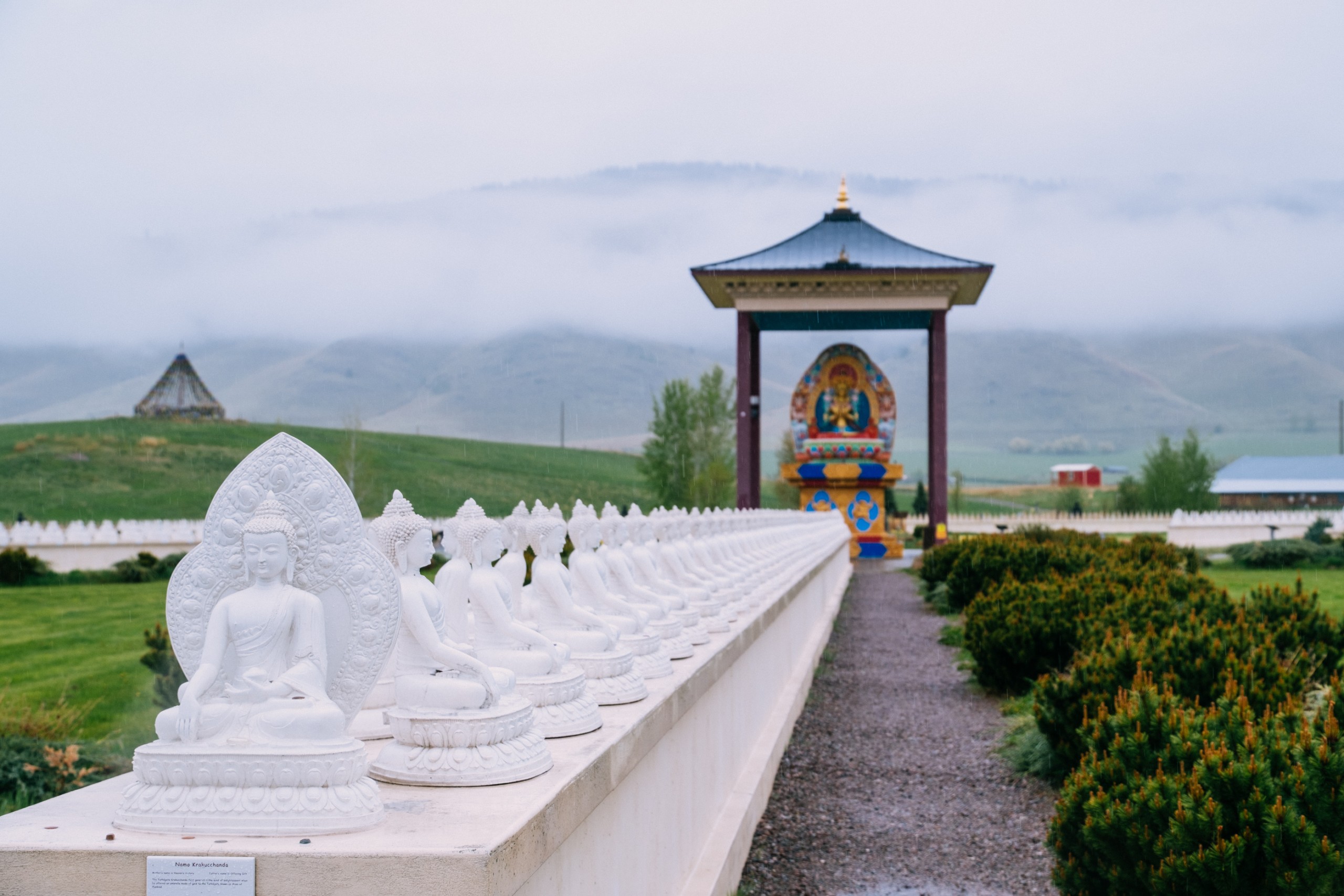
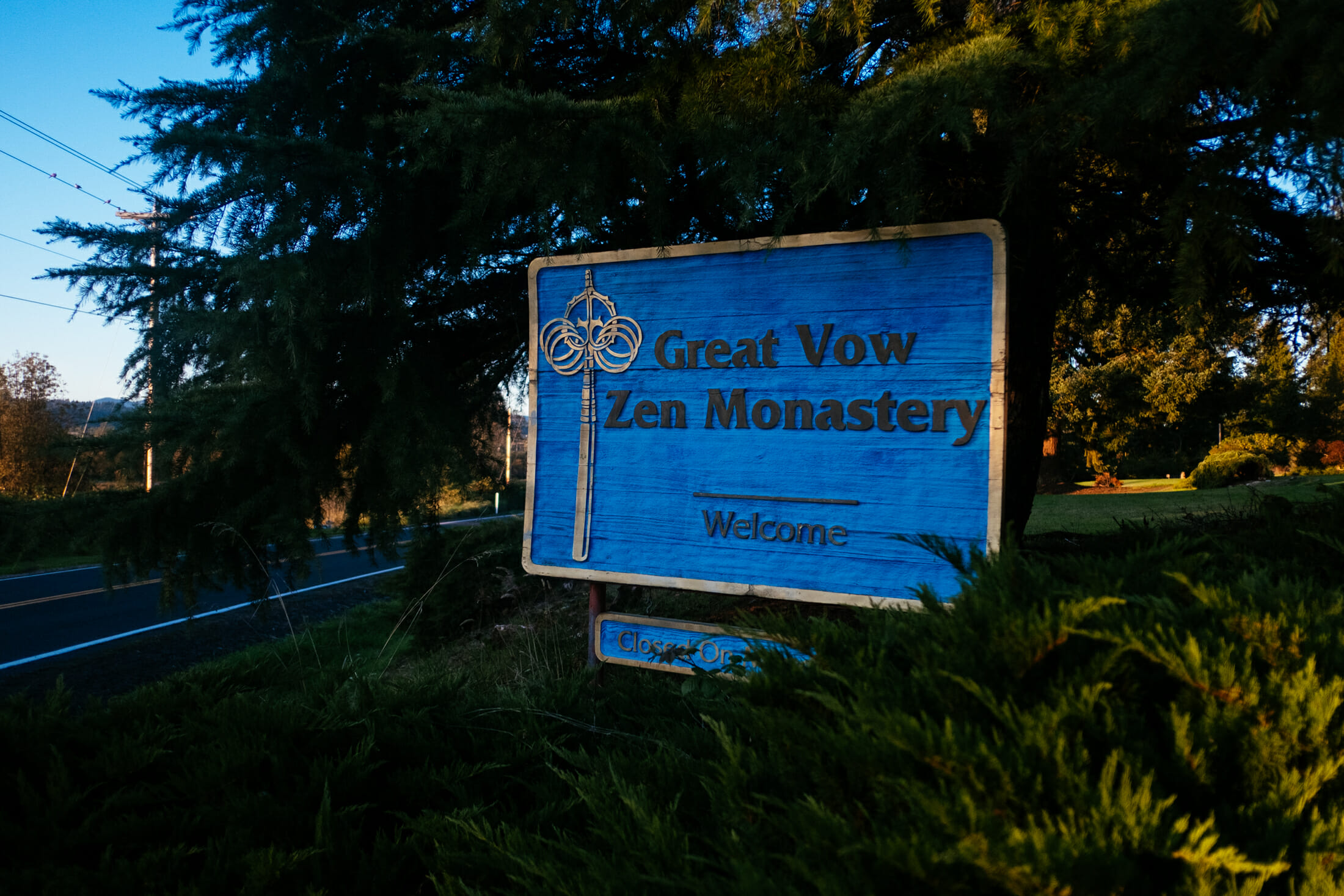
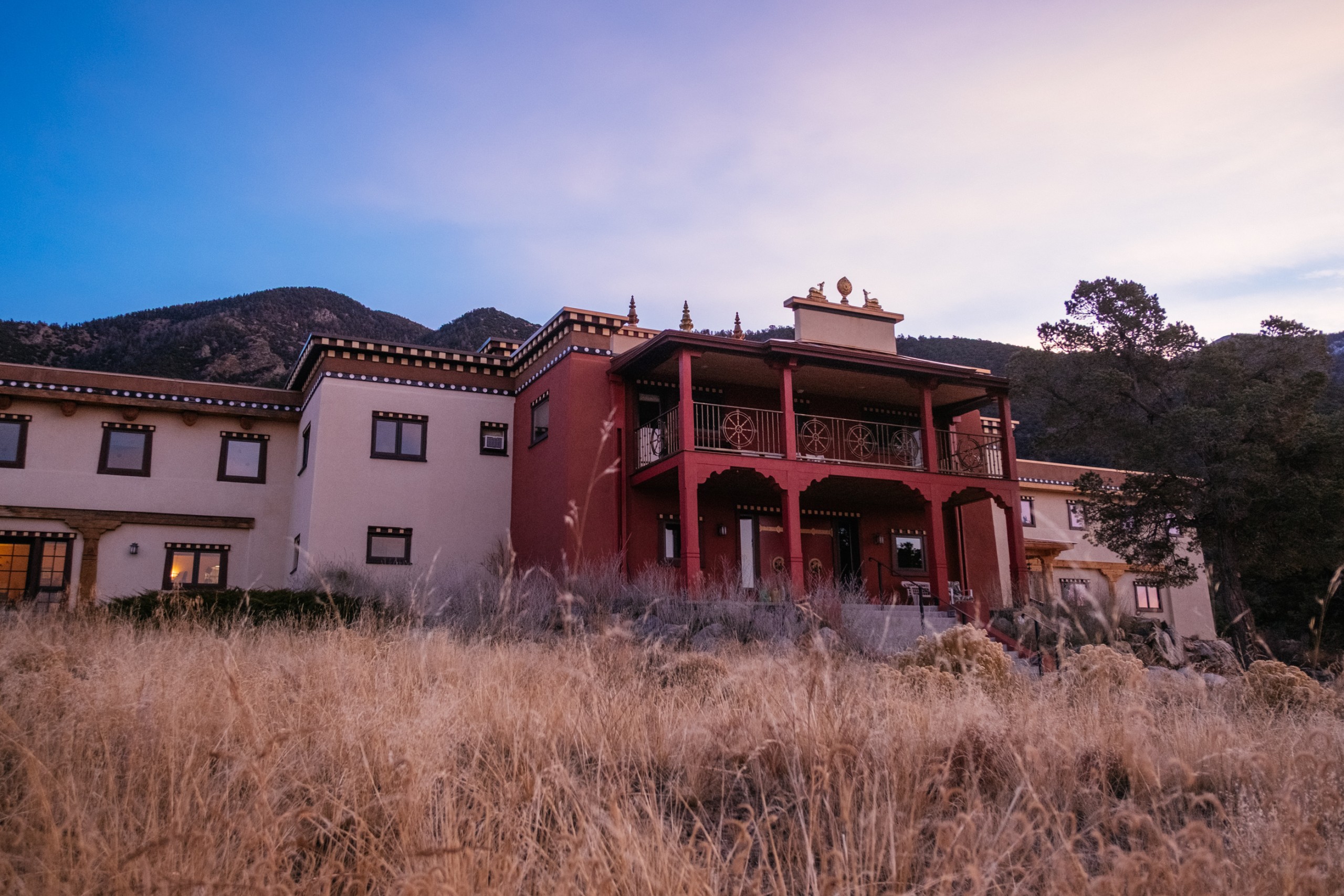
Places like Vajra Vidya Retreat Center, Serenity Ridge Retreat Center, and Great Vow Zen Monastery aren’t just locations on a map. They are containers—carefully held environments where the Dharma can do its quiet, uncompromising work. Removed from the habits and triggers of daily life, practitioners are given something rare: the chance to meet their own mind without escape hatches.
What retreats offer isn’t comfort. It’s honesty.
One longtime practitioner reflected on this plainly:
“Retreat strips away the stories I tell myself about practice. After a few days, there’s nothing left to hide behind.”
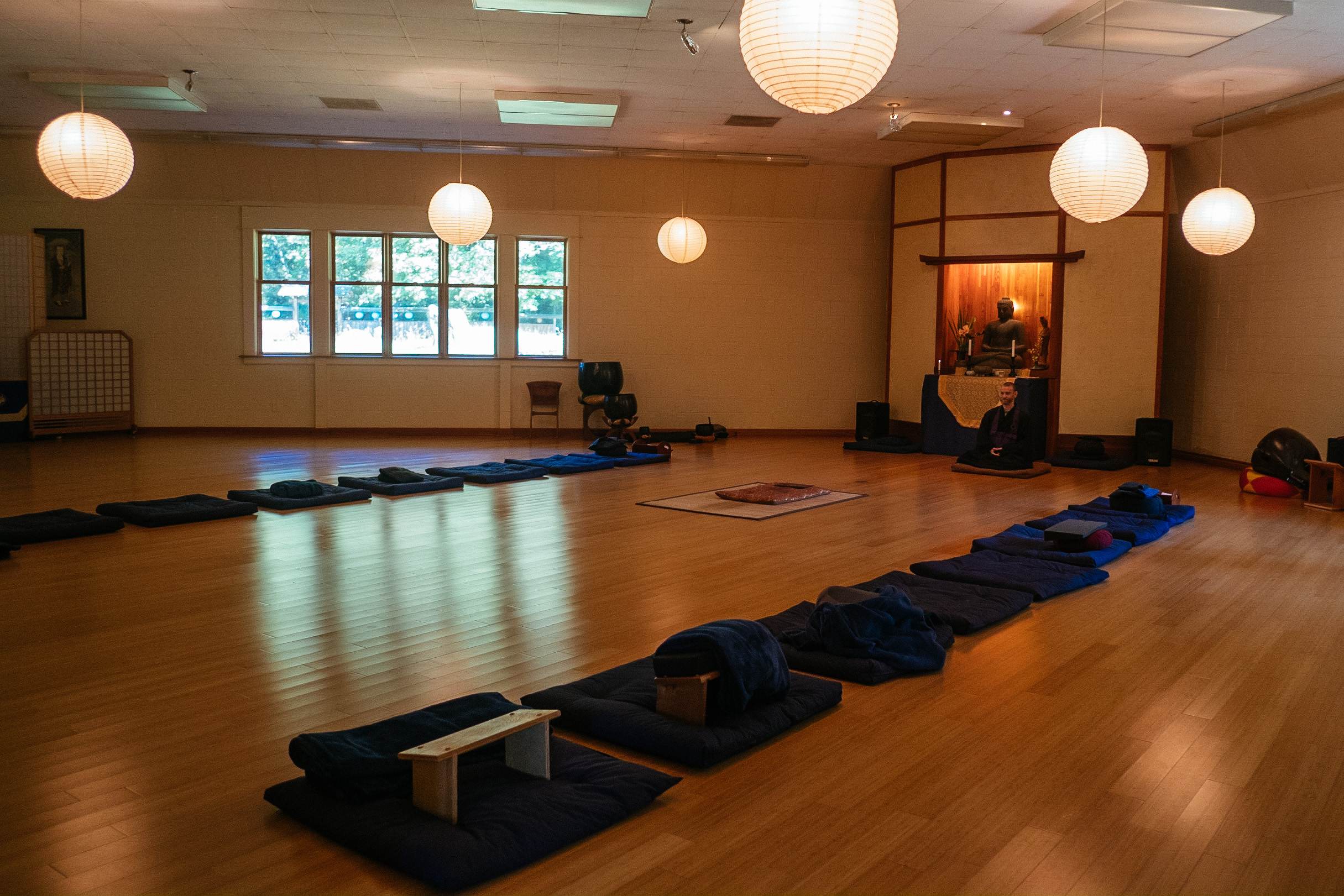
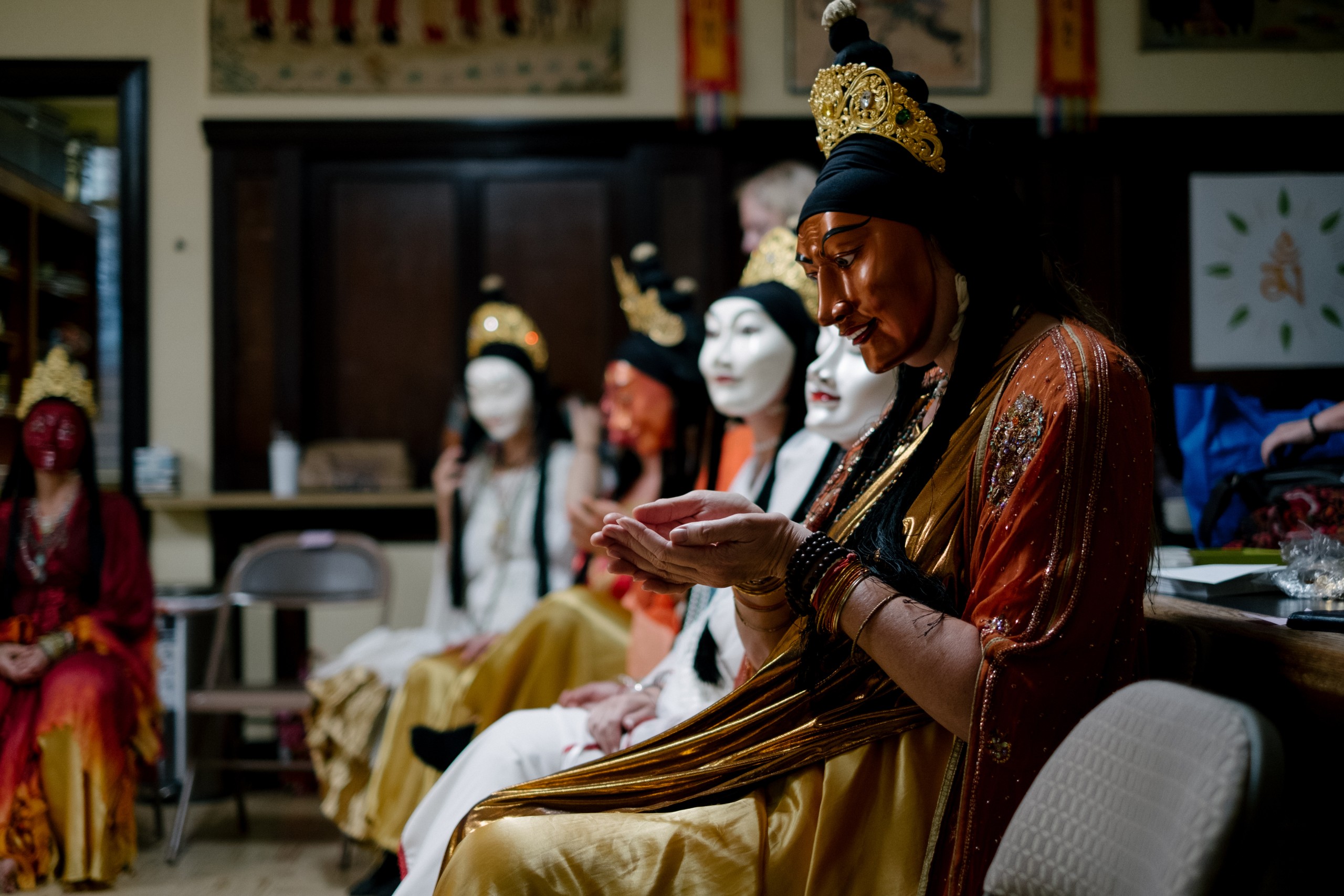
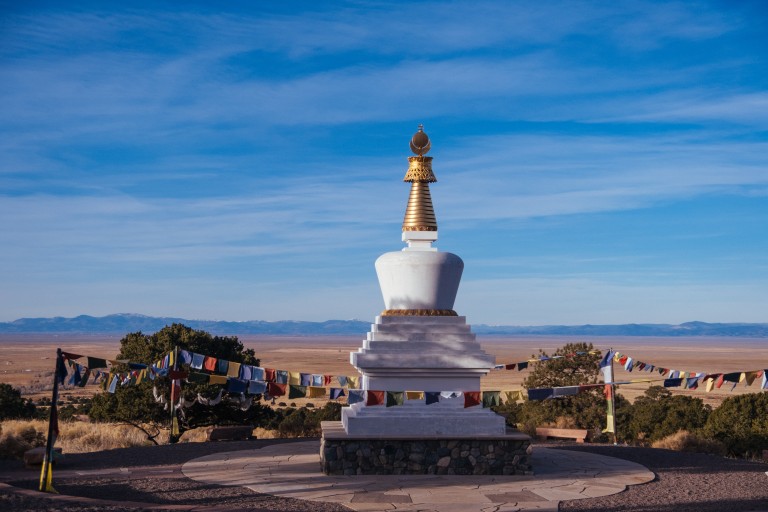
At Vajra Vidya in Crestone, surrounded by stark mountains and open sky, that stripping-away feels almost inevitable. The land itself mirrors the practice—vast, unforgiving, and deeply supportive if you’re willing to stay. Similarly, Serenity Ridge in West Virginia holds people through long retreats with a balance of discipline and warmth, reminding us that endurance and care are not opposites. And at Great Vow Zen Monastery, the rhythm of monastic life shows how collective structure can hold individual transformation.
Audio overview
Listen to the narrative exploring this theme in podcast format.

Why retreat
It’s choosing depth over distraction. Stillness over noise.