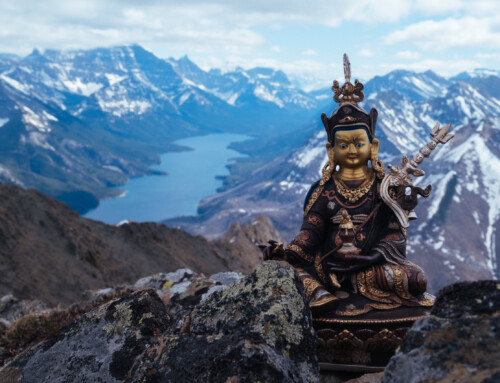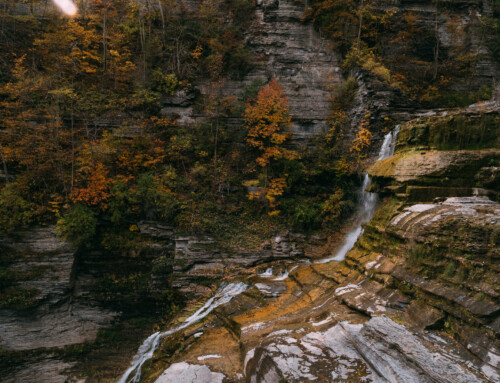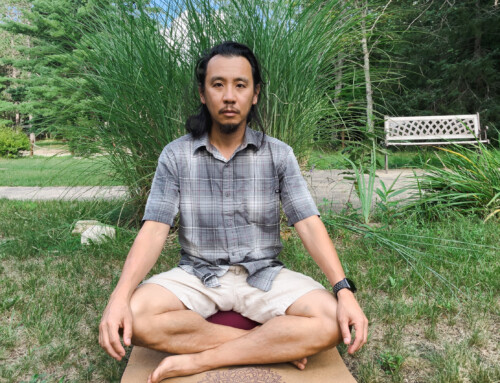
Over the past six months, I’ve settled into a new lifestyle—one where being in transit has become the norm. My productivity tends to dip when I’m in this mode, but it’s also become an interesting practice: learning how to find a sense of home even while in motion. In some ways, this transitionary rhythm reflects a deeper leaning into the freedom of a mostly solitary life.
Outside of my Ann Arbor sangha and a few “roommates,” my social interaction has been limited since I left the Bay Area in 2020. Most of my connections now revolve around Dharma-related activities, which are deeply enriching. Still, I occasionally wonder if I should put more effort into maintaining conventional relationships. Perhaps it’s a side effect of practice itself—that I’ve grown less interested in surface-level distractions. And yet, there are moments when I ask myself: am I practicing enough, especially given the freedom I have?
With some level of stable commitment now in place, the more important question becomes: what does the practice translate to in daily life? Like many I’ve interviewed, the changes are subtle. I’m grateful to have feedback from my teacher; for the first time this past year, someone has questioned my so-called “realizations.” That scrutiny has helped immensely. It’s actually been refreshing—not having to figure everything out on my own, especially since much of my career has required just that.
In spiritual practice, the signs of progress aren’t always obvious. It’s easy to deceive yourself just because you’re “practicing a lot.” While I’m not what you’d call a hardcore practitioner, the consistency over this past year has undeniably changed my lifestyle. It’s a simple but profound shift: orienting my day around when I’ll practice. Whether I’m on a photo job or out in the mountains, that one question—when will I practice today?—acts as a reliable anchor.
I’d like to believe the Four Thoughts that Turn the Mind toward the Dharma have finally taken root—perhaps thanks to four years of prostrations! Lately, the practice feels like it’s moving into new terrain. Visualization and mantra recitation have shown me just how crucial shamatha is as a foundation. Maybe “advanced” isn’t the right word, but these practices are definitely more challenging than simple calm-abiding. Understanding that correlation keeps me motivated to keep refining my meditation.
Learning the Nine Stages of Meditation has also helped—especially in identifying and working with obstacles. One of the biggest shifts for me has been the reduction in grasping at external teachings online. With a proper guide and regular check-ins, I now bring a higher level of clarity to my practice. I’m learning that real growth comes from a stable foundation, not constant seeking.
Taking Practice Off the Grid
On a lighter note, since switching to the Karma Kagyu ngöndro, I’ve been learning more about the lineage masters and drawing inspiration from their lives. One of the reasons I chose Colorado as a base camp wasn’t just the vibrant Buddhist community—it was the access to wilderness. While I’ve spent the last decade enjoying the outdoors, I want to approach it differently moving forward.
I’ve had my fill of chasing bucket-list views. Lately, I’ve been reflecting on how much grasping that mindset involves—and how little time any of us really have. My aspiration now is to use nature as a container for practice. The fantasy of the wandering yogi is alive and well—but I won’t know its truth until I give it a chance.
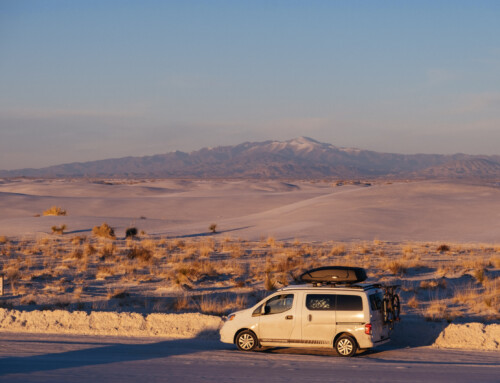
To support that vision, I recently finished building out my retreat cabin, affectionately named “Mila.” In the coming year, my goal is to find a remote location—somewhere off-grid, with access to water—where I can do extended retreats. In that spirit, I’m sharing a few places I’ve explored recently as part of refining this off-grid adventure. Hopefully, it’s just the beginning.