Death and Reincarnation

Buddhism invites practitioners to face death not as a distant abstraction, but as an essential part of understanding how to live. In this theme, reflections on mortality, rebirth, attachment, and the dying process reveal how practice can transform fear into curiosity, preparation, and deeper appreciation.

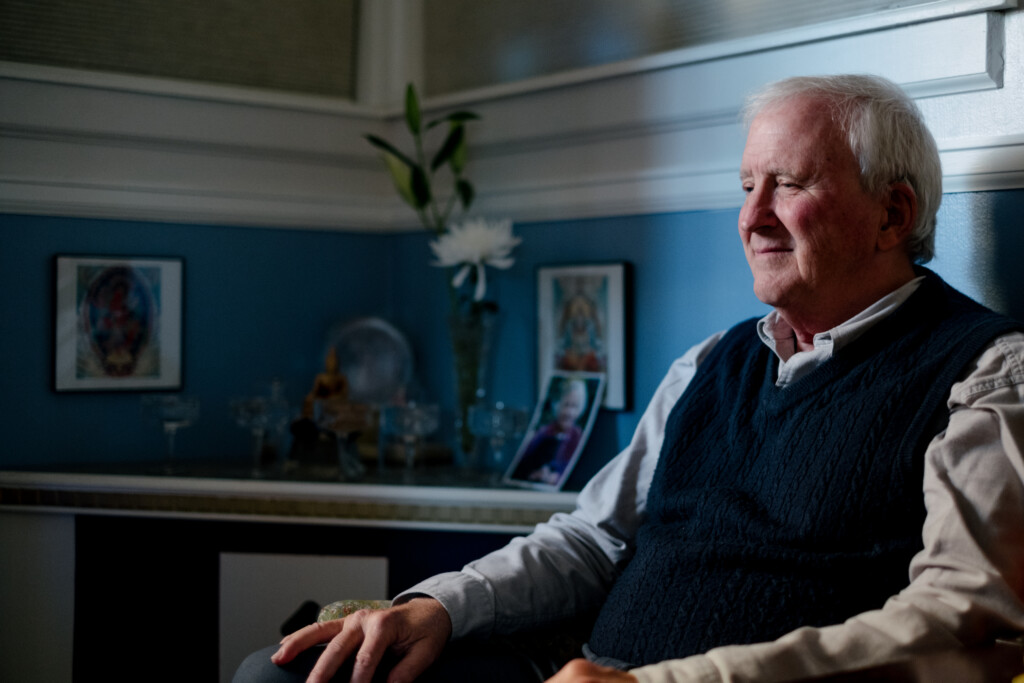
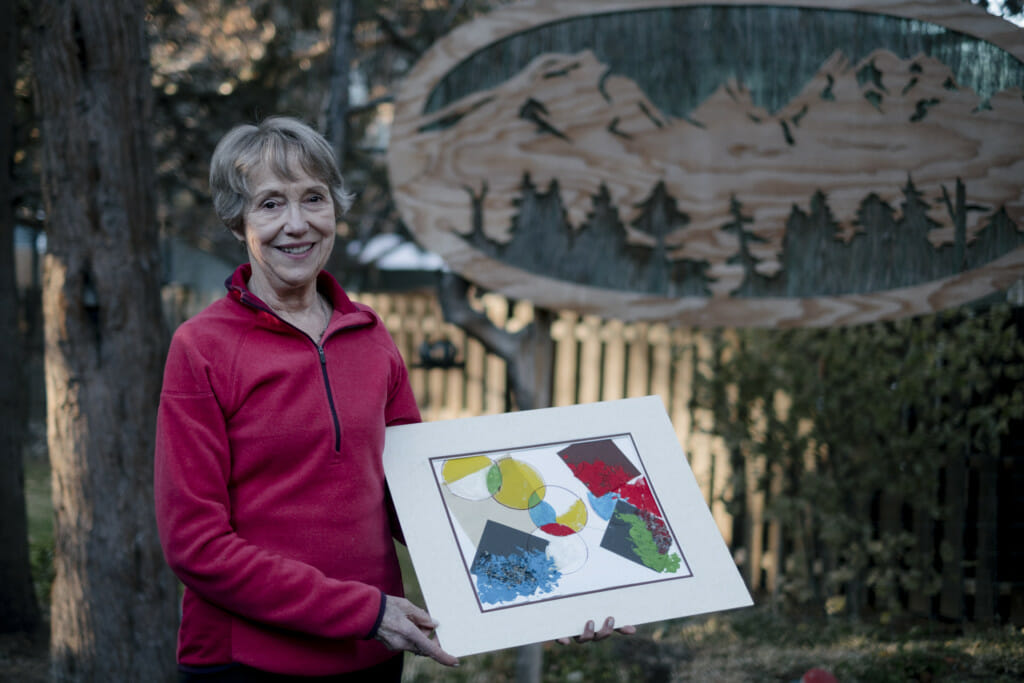
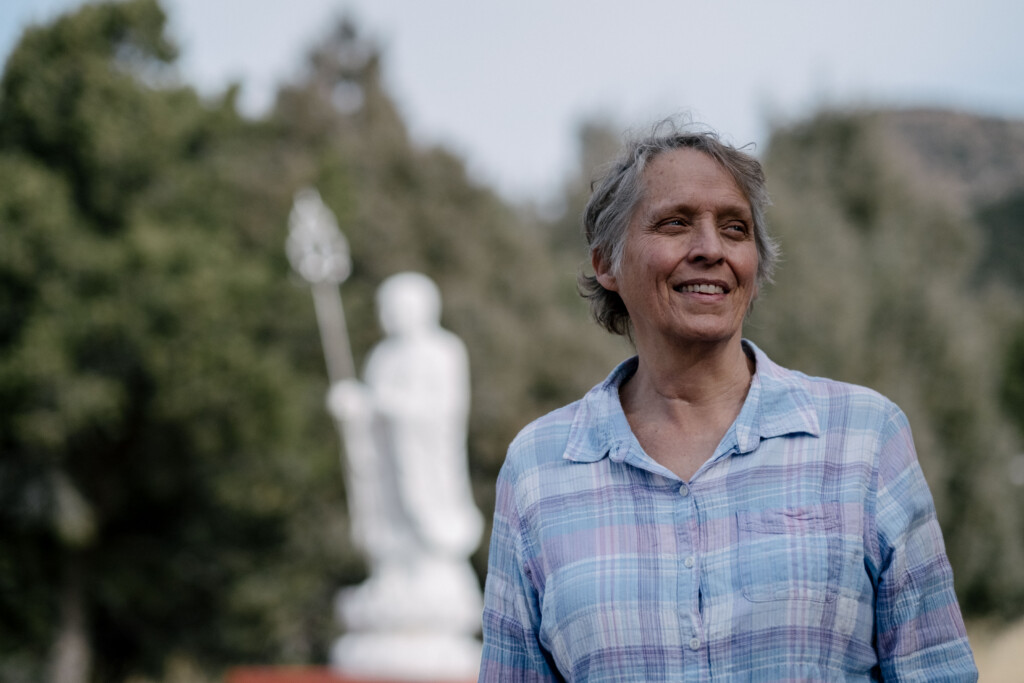
David describes meditating on his own death and later confronting mortality more directly after a stroke, experiences that challenged his identity while strengthening his commitment to kindness and service. Dottie reflects on approaching the end of life with greater acceptance, gradually loosening her attachment to possessions and exploring rebirth after being raised with a very different view of the afterlife. Nancy draws from a near-death experience, hospice work, dream yoga, and Tibetan teachings to consider how a calm environment and a trained mind may support the process of dying.

Together, their stories show that contemplating death does not have to diminish life. It can clarify what matters, soften our grasping, and encourage us to meet both living and dying with greater presence and courage.

Register to explore their complete stories and discover how Buddhist practitioners understand death, rebirth, and the preparation for life’s final transition.

For privacy reasons Vimeo needs your permission to be loaded.

David

David reflects on the pervasive theme of death in his life, tracing back to early days when a teacher advised him to meditate on his own death daily. This practice involved envisioning various scenarios of his demise, fostering a familiarity with the concept. Despite initial boredom, the meditation brought a heightened appreciation for life, intensifying colors and sharpening perceptions.

Two years ago, David faced a stroke that left him physically impaired. The experience stirred a profound sense of identity crisis, similar to moments in his life when he didn’t know who he was, such as when he quit drinking or embraced silence. The stroke and its aftermath brought both physical challenges and a newfound confidence.

David humorously acknowledges the Western mind’s skepticism about reincarnation and the role of Mr. Snarky, his internal skeptic, throughout his life. He emphasizes the importance of navigating the unknown and staying curious, manifesting in his pursuit of uncomfortable experiences through classes. Death, as a flavor of human experience, is inevitable, and David aims to live a life of service and kindness.

The recent memorial service for his Buddhist father-in-law, who lived a life of goodness and appreciation for others, inspires David to continue such a path. He finds solace in the Buddhist teachings, symbolized by the circular wheel of Dharma, representing the various realms of existence. David recognizes his own journey through different realms, acknowledging the impermanence and unpredictability of life.

Despite not being a Buddhist scholar, David expresses loyalty to the path of practice, aiming to pass on these teachings to his granddaughters. He appreciates the unique experience Buddhism provides, allowing him to navigate life’s uncertainties and find meaning in the unfolding journey.

Dottie

As Dottie approaches her 80th birthday in two years, she reflects on the topic of death, a subject often discussed in Buddhism. Despite potential discomfort, she appreciates the openness of Buddhism in addressing the impermanence of life. Dottie shares her initial interest in the concept of “power” within Buddhism, attending a teaching on power training. While it was a distinct experience, she realized it wasn’t the path she wanted to pursue, finding solace in the practices she’s engaged in, which she believes are preparing her for the inevitable event of her own death.

Dottie speaks about her calm acceptance of death and the significance of slowing down and being present. The teachings on impermanence resonate with her, emphasizing the importance of letting go of attachments. She grapples with the challenge of attachment, acknowledging that even with a small amount of possessions, the mental clutter poses its own dilemma. Dottie is slowly working through this process, recognizing the difficulty in letting go of labeled, yet insubstantial items laden with memories.

She touches on the concept of rebirth, a new idea for her, contrasting it with the eternal afterlife she was taught in her earlier religious upbringing. Dottie has taken the bodhichitta vow, expressing a desire to be reborn to benefit sentient beings rather than seeking eternal life in a specific realm. Despite uncertainties about the nature of rebirth, she feels compelled to prepare for an auspicious rebirth and reflects on the stories and concepts surrounding this aspect of Buddhist philosophy.

For privacy reasons Vimeo needs your permission to be loaded.

Grace

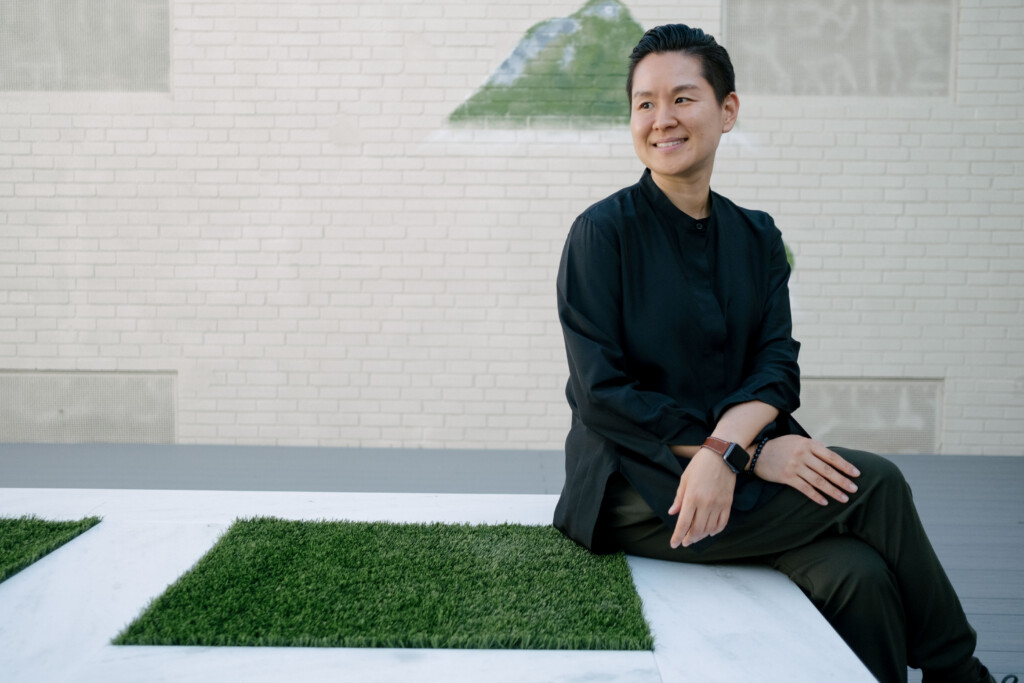
Grace reflects on the teachings she received from elders, particularly focusing on their perspectives on death. Recounting her experience with a teacher who was preparing for death, Grace learned that priorities in life extend beyond the visible world. Her teacher, physically uncomfortable but unafraid, emphasized preparing for death as a natural part of life’s cycle.

Grace found beauty in her teacher’s approach, witnessing a minimalist lifestyle as her teacher gradually gave away possessions before passing away. The teacher’s belongings were offered to the community, reinforcing the idea of returning to the Earth with minimal attachment. Grace expresses a desire to age and pass away similarly, appreciating the simplicity and return to nature.

One Buddhism’s approach to death involves cremation and a unique method of spreading the ashes in the soil, symbolizing a return to the elements. There’s no specific burial site; instead, a tablet with the names is placed in the Earth, emphasizing the connection to nature.

Grace notes that One Buddhism includes practices like the nine-day deliverance service and the 49-day deliverance service, providing guidance on supporting the transition of the spirit to the next life. These practices offer comfort and a sense of purpose during times of loss, as demonstrated during her father’s passing when the community supported the guidance of his spirit over a 14-day period.

Nancy

Nancy recounts her early twenties near-death experience due to a medication reaction during minor surgery, describing the terror of losing sight, hearing, and sense of presence. This experience influenced her interest in death, which she had already explored through reading the Tibetan Book of the Dead at 19. She delves into the similarities between near-death experiences and dream states, connecting these insights to Tibetan Buddhist teachings on lucid dreaming and dream yoga.

As she discusses the stages of dying, Nancy emphasizes the importance of staying present and focused during the process. Drawing from hospice experiences, she shares instances where intervention and distraction hindered the dying person’s ability to maintain this focus. She advocates for creating a calm and muted environment, minimizing disruptions, and respecting the dying person’s expanded sense of self.

Reflecting on her own meditation practices, Nancy aligns the dissolution experiences in Tibetan Buddhism with daily clearing rituals. She links dream yoga and meditation as tools for preparing for death, describing the interconnectedness of these practices in recognizing the illusory nature of thoughts and experiences. Nancy concludes with a contemplation on fear, asserting that understanding the illusory nature of existence can help alleviate the fear of death and embracing the preparation provided by her meditation practices.

For privacy reasons Vimeo needs your permission to be loaded.