
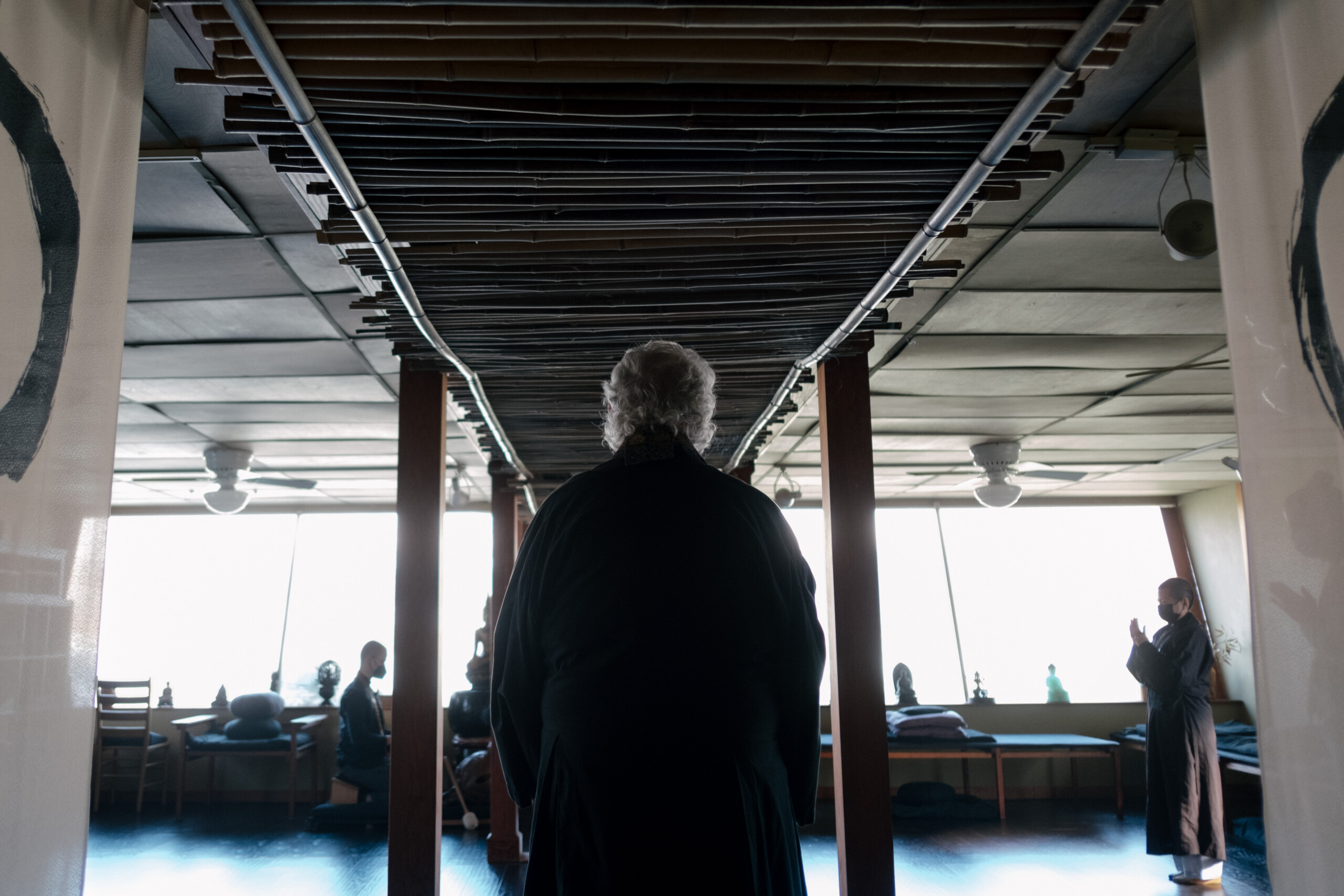
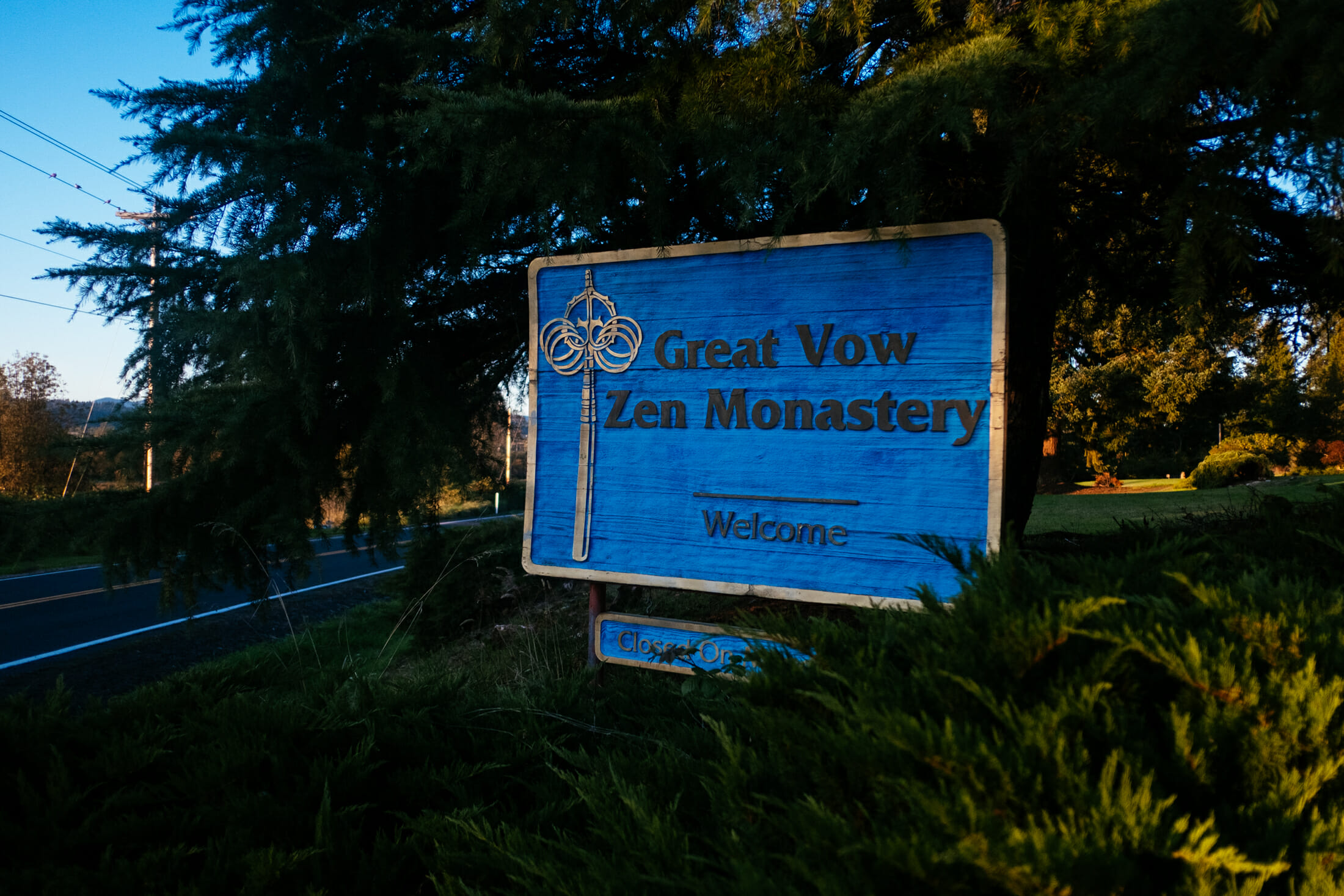

Mahāyāna has always felt like the great widening of the Buddhist path—a movement from personal clarity toward boundless compassion. It’s a vehicle rooted in the simple yet radical aspiration: may this practice benefit all beings. In the West, Mahāyāna has taken shape through Zen communities, Pure Land temples, Insight-influenced hybrid sanghas, and a growing number of lay practitioners who weave mindfulness, service, and ethical living into the fabric of ordinary life. What makes Mahāyāna so compelling today is not just its philosophical depth, but its insistence that awakening is not a private project—it’s something lived through our relationships, our communities, and the ways we choose to show up for one another.
Teachings and Practices
Across the Mahāyāna traditions, the teachings consistently point toward compassion, emptiness, and the inseparability of wisdom and daily life. Practices such as zazen, chanting, koan inquiry, lojong mind-training, and devotional recitation serve as invitations to loosen the rigid sense of self and open to a more spacious way of being. Many practitioners interviewed in this project describe Mahāyāna practice as a return to simplicity—not the simplicity of retreating from the world, but the simplicity that comes from meeting life directly, without extra stories. Whether sitting quietly on a cushion or engaging in acts of service, the essence of Mahāyāna practice is learning to embody care, presence, and humility in the midst of real human complexity.
Teachers
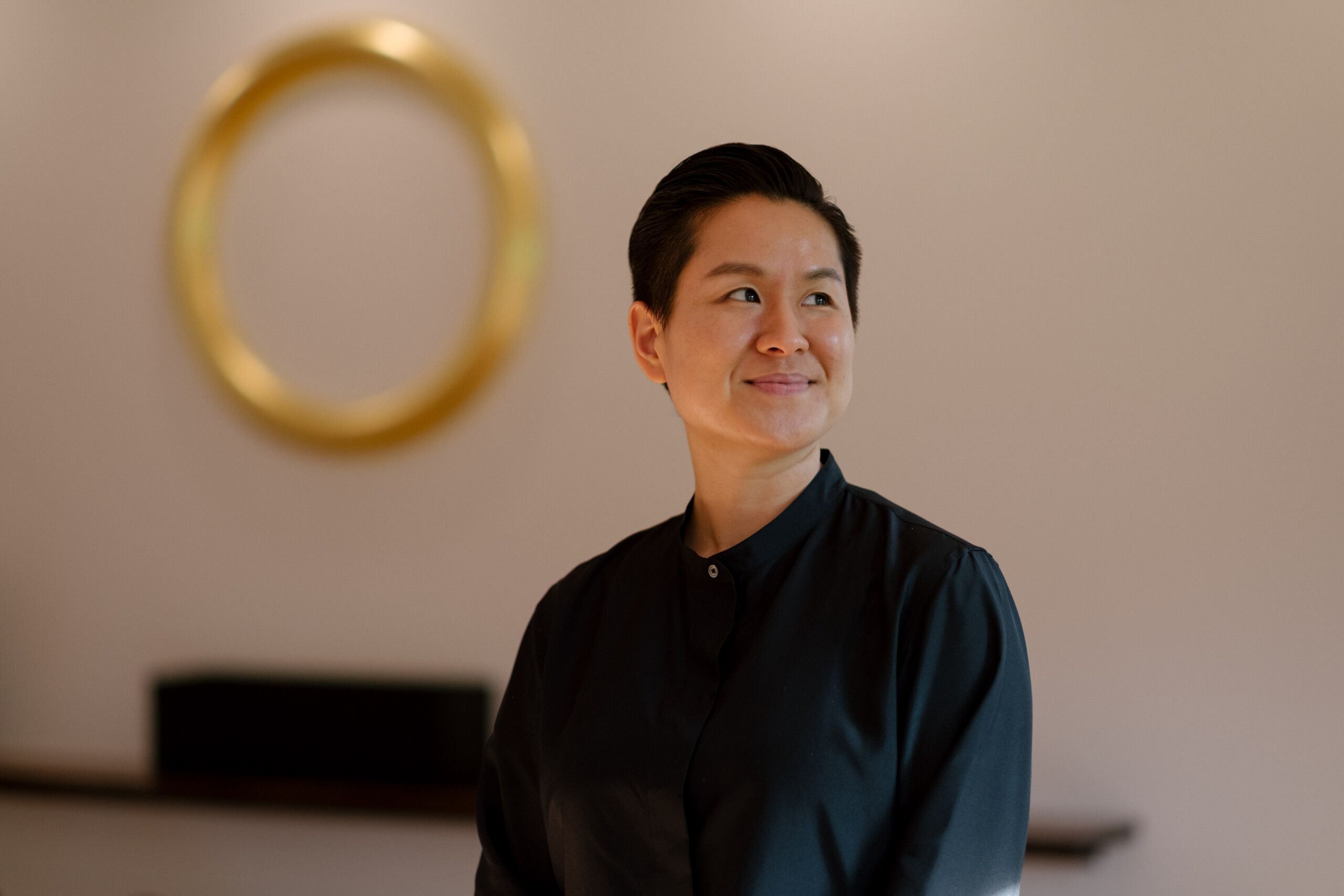
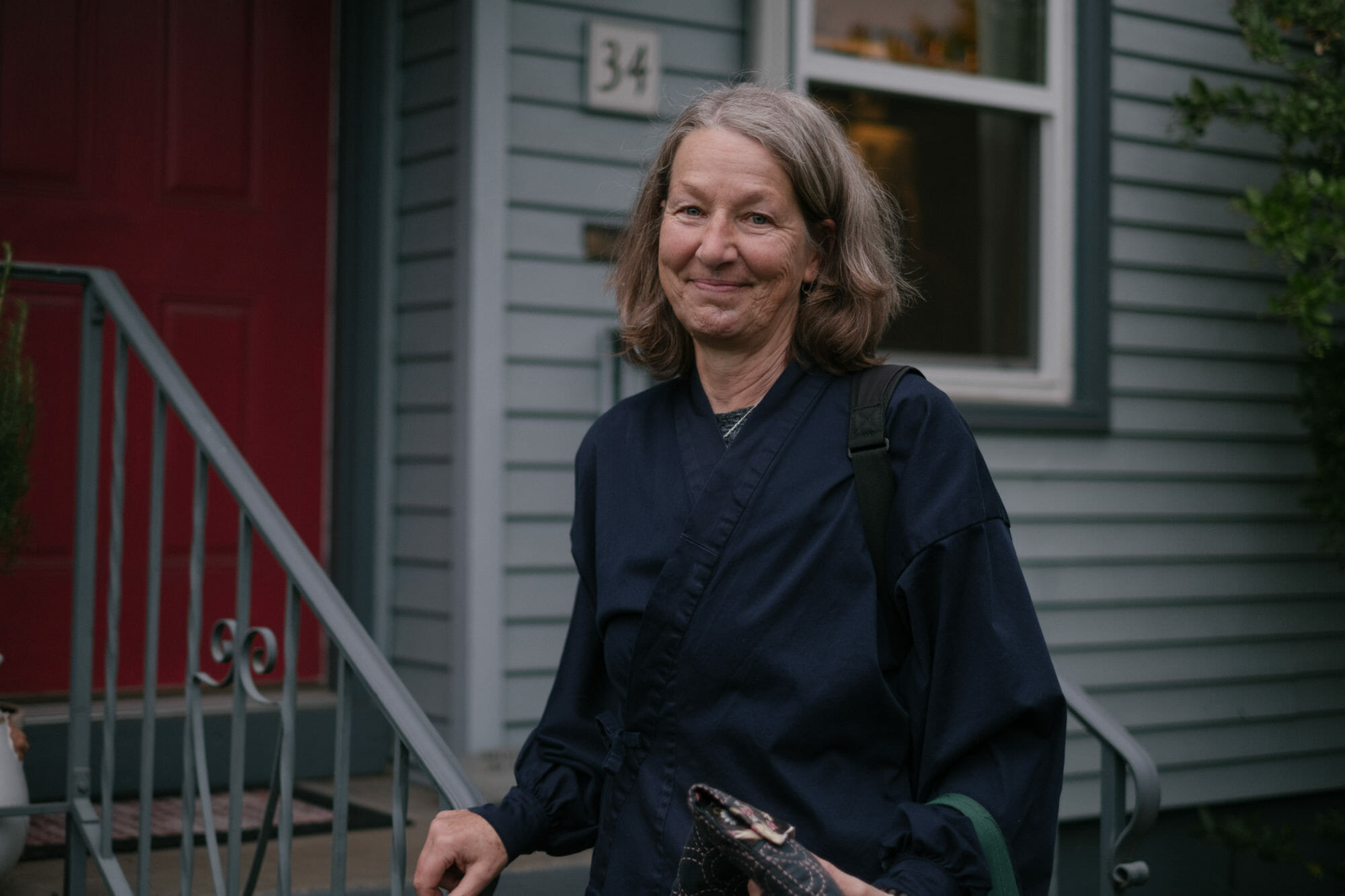
The Mahāyāna lineages alive in the West today are carried forward by an extraordinary range of teachers—Zen roshis, Pure Land priests, monastics, community leaders, and lay practitioners who hold their traditions with sincerity and depth. Some teach through silence and posture, others through storytelling, chanting, or the warmth of community engagement. What unites them is a commitment to helping students cultivate both insight and compassion, seeing that awakening is not about escaping life but transforming how we participate in it. On this page, you’ll meet teachers whose presence reflects the heart of Mahāyāna: courage, humility, humor, and a deep wish to serve all beings through the simple act of living with awareness.
Practitioners