Theme · Deepen
The magic of sangha
Why its significance cannot be overlooked.
Theme overview
Practice was never meant to be private
At some point, practice stops being something you can sustain alone.
Audio overview
Listen to the narrative exploring this theme in podcast format.
I want to start by saying something that might be uncomfortable, especially if you’ve come to Buddhism the way a lot of us in the West have — quietly, privately, through a book or an app or a moment of desperation that sent you inward. There’s this assumption baked into how we talk about practice here. That it’s personal. That it’s between you and your cushion, you and your breath, you and your mind. Meditation gets put at the center, and everything else — especially sangha — gets treated like a bonus. A nice-to-have. Something you’ll get to eventually.
But the longer I sit with this, and the more I listen to people who have actually stayed on the path for years and decades, the more that idea falls apart.
At some point, practice stops being something you can sustain alone.
In their words
Four ways sangha holds the path
Sangha as mirror
Christopher
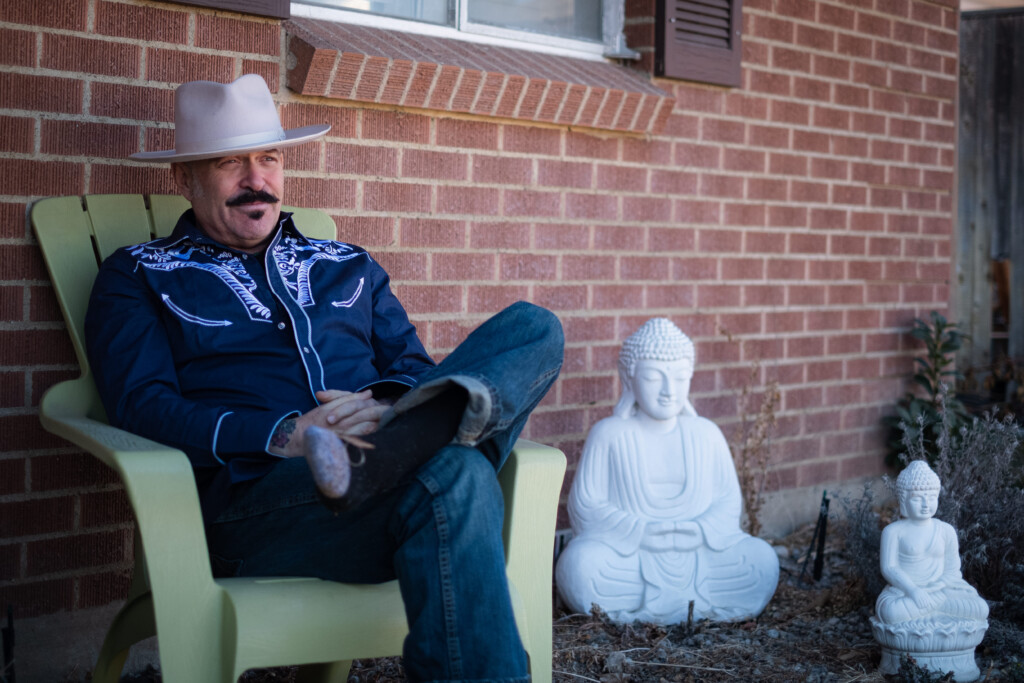
Christopher’s journey is one of the clearest examples of this I’ve encountered. What started as a personal exploration — something interior and individual — slowly, almost imperceptibly, became relational. Sangha stopped being support and became the practice itself. He puts it in a way that has stayed with me:
“The pure land isn’t somewhere else — it’s what we create together, right here in the sangha.”
In his community, practice doesn’t stop at meditation. It extends into how people actually show up for one another — listening without rushing to interrupt, sharing without rushing to fix, offering presence when words fall short. And within that, something deeper becomes possible. He describes the sangha like a rock polisher, something that smooths out the rough edges you genuinely cannot see on your own because they only appear in friction with others. The patterns we carry — the ways we tighten, defend, avoid — they don’t reveal themselves in solitude. They show up in relationship. Sangha becomes the mirror.
And yet Christopher doesn’t romanticize it. He’s clear-eyed about the reality that in the West, sangha often becomes the third priority, something you fit in after everything else. But he suspects it might actually be the most important.
Borrowed momentum
Ryan
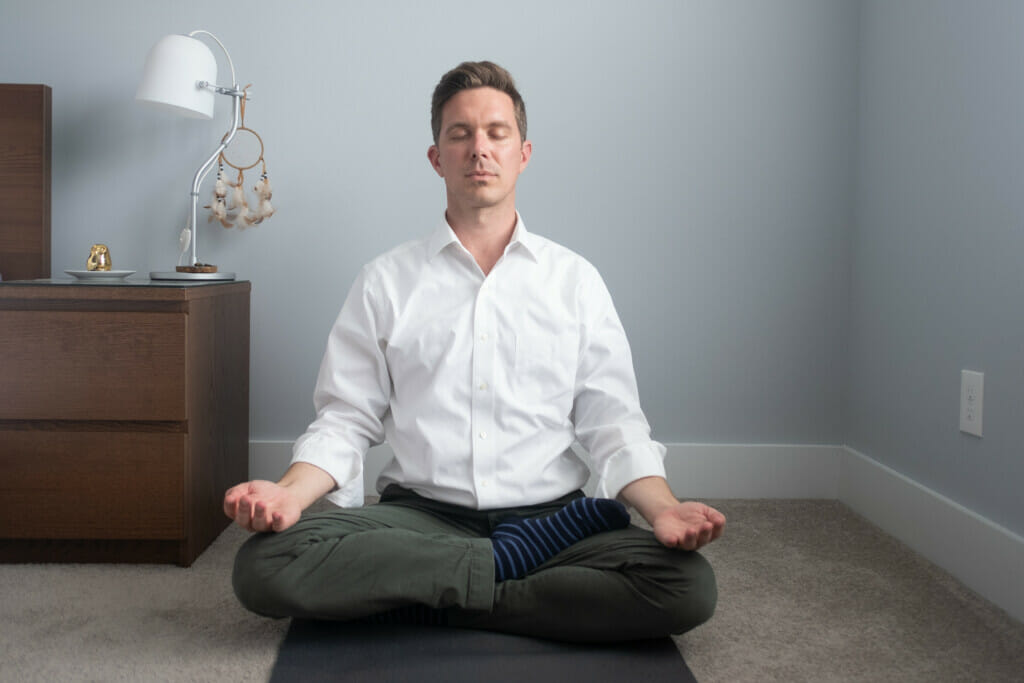
Ryan understands exactly why that gap exists. He’s honest about how hard the path actually is — how it asks you to meet the ego again and again, often without anything that feels like reward. Without something holding you, that effort fades. Quietly, gradually, without you even noticing.
“Practicing alone… it’s easy to lose steam. The sangha is what keeps the train moving.”
What sustains him isn’t just the teachings themselves but the people around them. Walking into a Dharma space and seeing others at every stage — someone in their first week, someone in their thirtieth year — creates a kind of energy that’s hard to name but impossible to miss. There’s a borrowed momentum in it. A shared current that carries you when your own runs thin.
Building what holds others
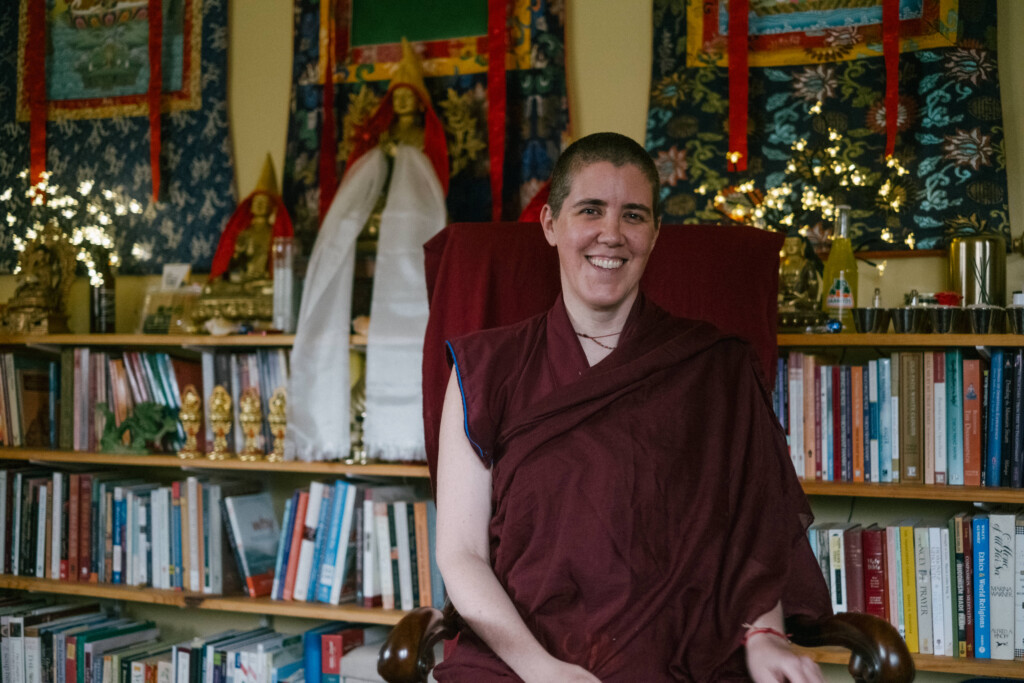
Ani Pema
Pema takes this further and adds a dimension that I think often goes unspoken: sangha is not just something you receive. It’s something you help build. Through volunteering, through care, through the small invisible acts that hold a community together, you become part of what sustains others. She’s also unflinching about where people actually are right now — stressed, overwhelmed, often deeply disconnected — and she meets them there first.
“We start with what people are actually struggling with… and show how the practice can meet them there.”
But she doesn’t let that be the end of it. The deeper invitation is always present beneath the immediate relief: not just managing life better, but transforming how it’s lived altogether.
Held when it matters
Lisa
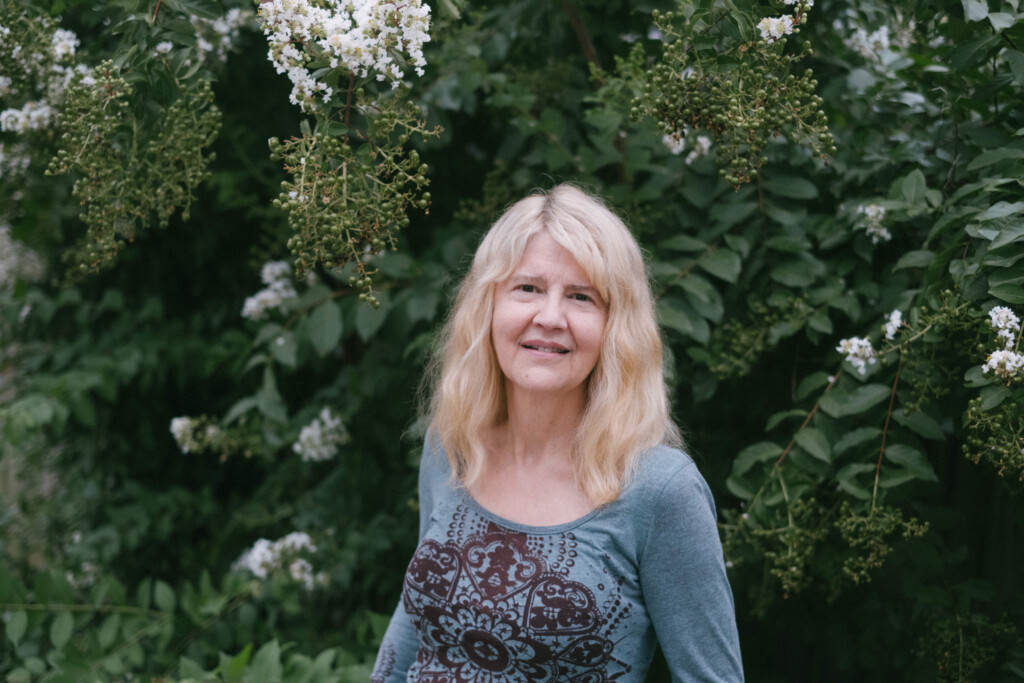
For Lisa, sangha was never secondary — it was foundational from the very first step. She understood early that without community, the path has a way of closing in on itself, becoming narrow, even isolating in a way that looks like depth but isn’t. Her own experience of being held within a spiritual community shaped everything about how she now creates space for others.
“Practicing alone can close you in… but in sangha, you start to see yourself more clearly through others.”
Something particular happens when people share honestly in community — different lives, different struggles, different places on the path all gathered in the same room. What felt singular and private begins to feel shared. Held. Normalized in the truest sense of the word. Lisa talks about how when people speak honestly about their lives, it softens something in the room, a quiet recognition that you are not the only one carrying what you’re carrying. She’s intentional about creating multiple entry points — beginner sessions, local retreats, spaces for people to deepen at their own pace — but what strikes me most is how her sangha extends beyond any formal practice setting. In moments of crisis, in collective grief, the community shows up.
“Sangha isn’t just where we practice — it’s how we take care of each other when it actually matters.”
Reflection
Who am I practicing with?
And maybe that’s the thing that’s easiest to overlook when we’re building our private practices, optimizing our morning routines, downloading the next app. Meditation can show you your mind. Study can give you direction. But sangha is where practice becomes lived — where your patterns get reflected back to you, where your edges soften in ways they never could alone, where you’re held when the path gets genuinely difficult.
Where you begin to understand, not as a concept but as something felt in the body, that this was never meant to be walked alone.
Because eventually the question changes. It’s no longer just how do I practice? It becomes who am I practicing with?
And that second question might shape everything.

The takeaway
This was never meant to be walked alone.
Deepen · more themes