Photo essay · Oregon
A place to stand
Great Vow Zen Monastery, where the White Plum lineage is kept alive through silence, work, and an unexpected warmth.
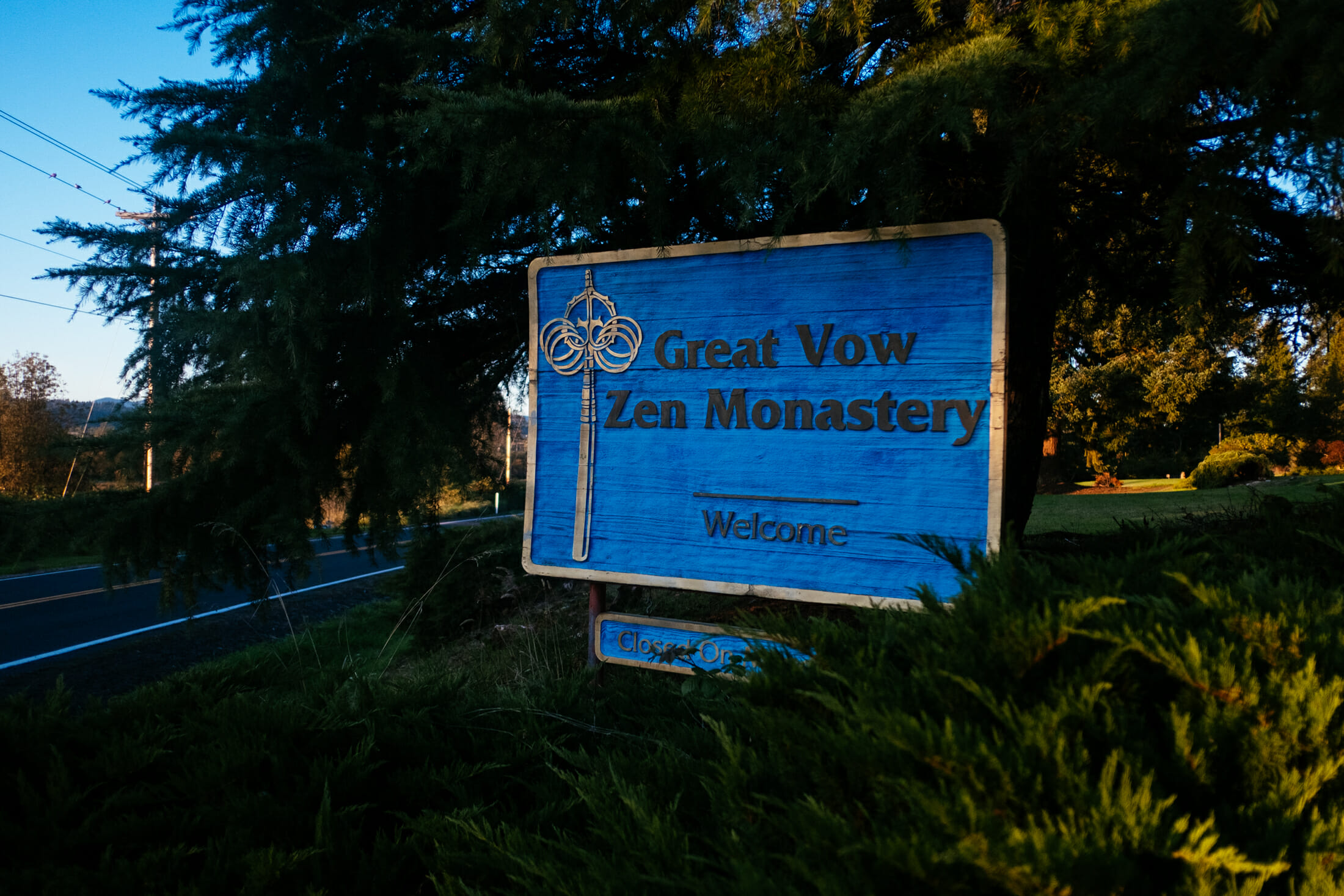
A hand-painted welcome sign stands among the trees at the turn onto the monastery grounds.
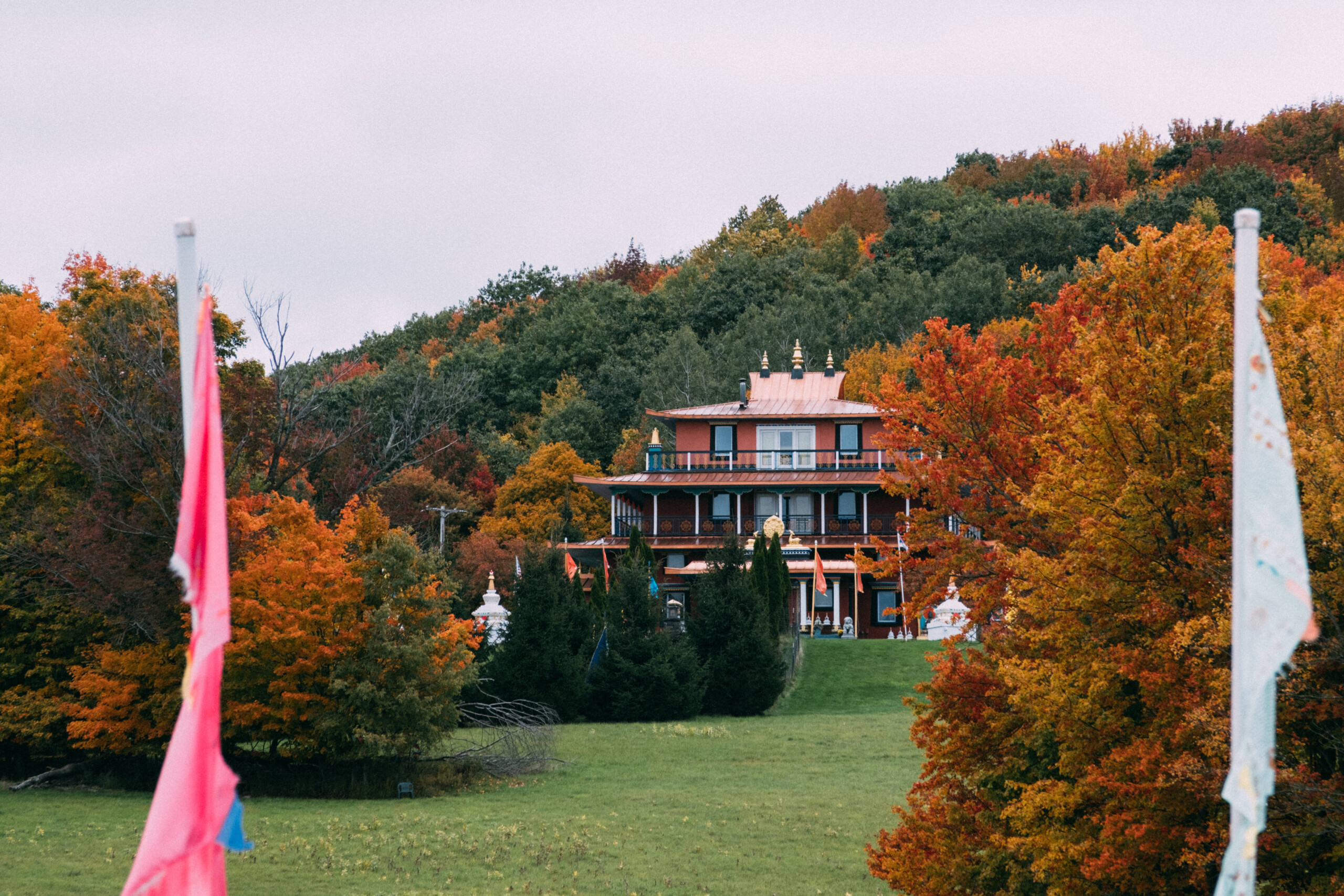
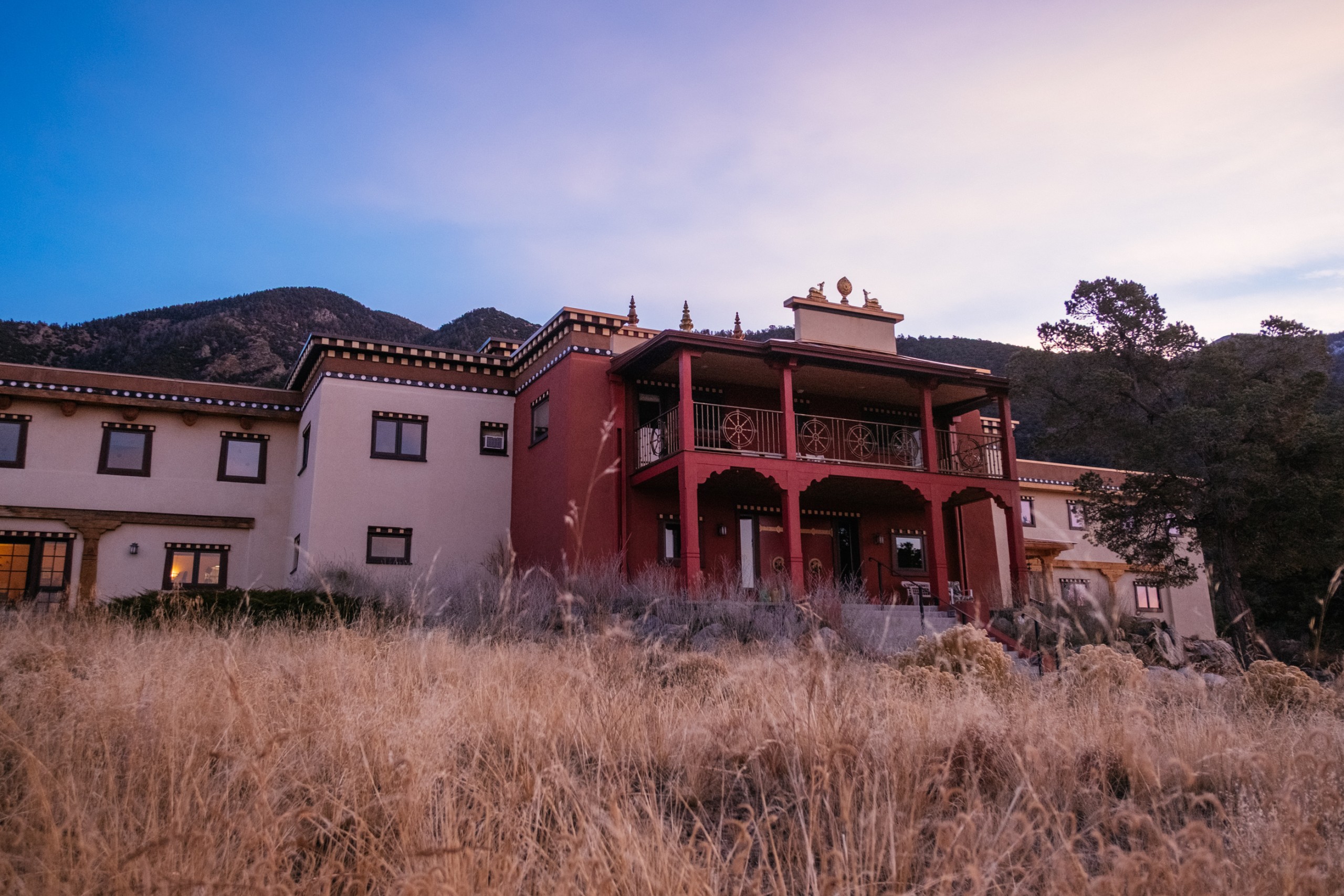
There’s a feeling that rises the moment you turn down the long road leading to Great Vow Zen Monastery—something quiet, steady, and unmistakably ancient. Even before you see the cedar-lined temple buildings or hear the echo of the gongs across the wetlands, you can sense the lineage that has shaped this place. It sits in the Oregon countryside like a deep inhale: spacious, intentional, patient.
Great Vow is part of the Zen Community of Oregon, rooted in the White Plum lineage, a stream of Buddhist practice flowing from Japanese Zen master Hakuyu Taizan Maezumi Roshi, carried forward by his successors, and kept alive here through the guidance of Chozen Bays Roshi and Hogen Bays Roshi. Their lives and teachings pulse through the monastery’s rhythm—through the way people walk the halls at dawn, through the laughter in the kitchen, through the courage with which residents meet the raw edges of their own hearts. The lineage is not decoration here; it’s the spine of the place, the quiet architecture around which everything else unfolds.
When I first stepped inside the zendo, I felt that strange mixture of awe and familiarity that comes when you enter a space built for sincerity. Rows of black cushions, candlelight drifting across the Buddha altar, the faint trace of incense still hanging in the air from the morning sit. It’s not dramatic. It’s not dressed up. But it’s charged with something unmistakable—the residue of thousands of hours of people confronting their own minds, breath by breath.
The lineage is not decoration here; it’s the spine of the place.
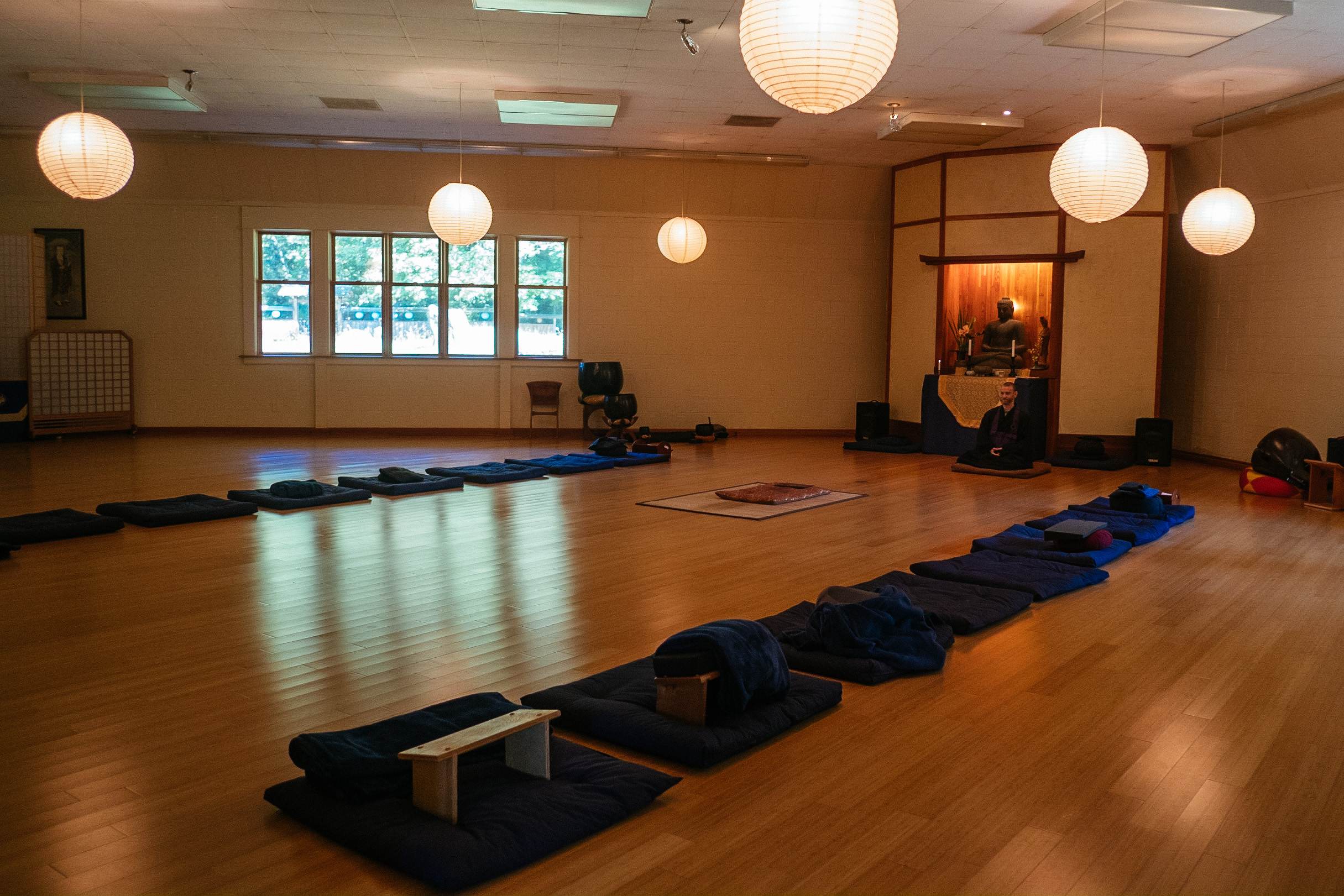
What makes Great Vow unique is not simply its monastic schedule—though the discipline is unmistakable. The wake-up bell at 4:50. The silence before breakfast. The alternating rhythm of sitting and working, chanting and chores, the simplicity of robes and bowls. What strikes me most is how this discipline is carried with such warmth, such humanity. There’s a tenderness here. A feeling that you’re being held by something steady, ancient, and kind.
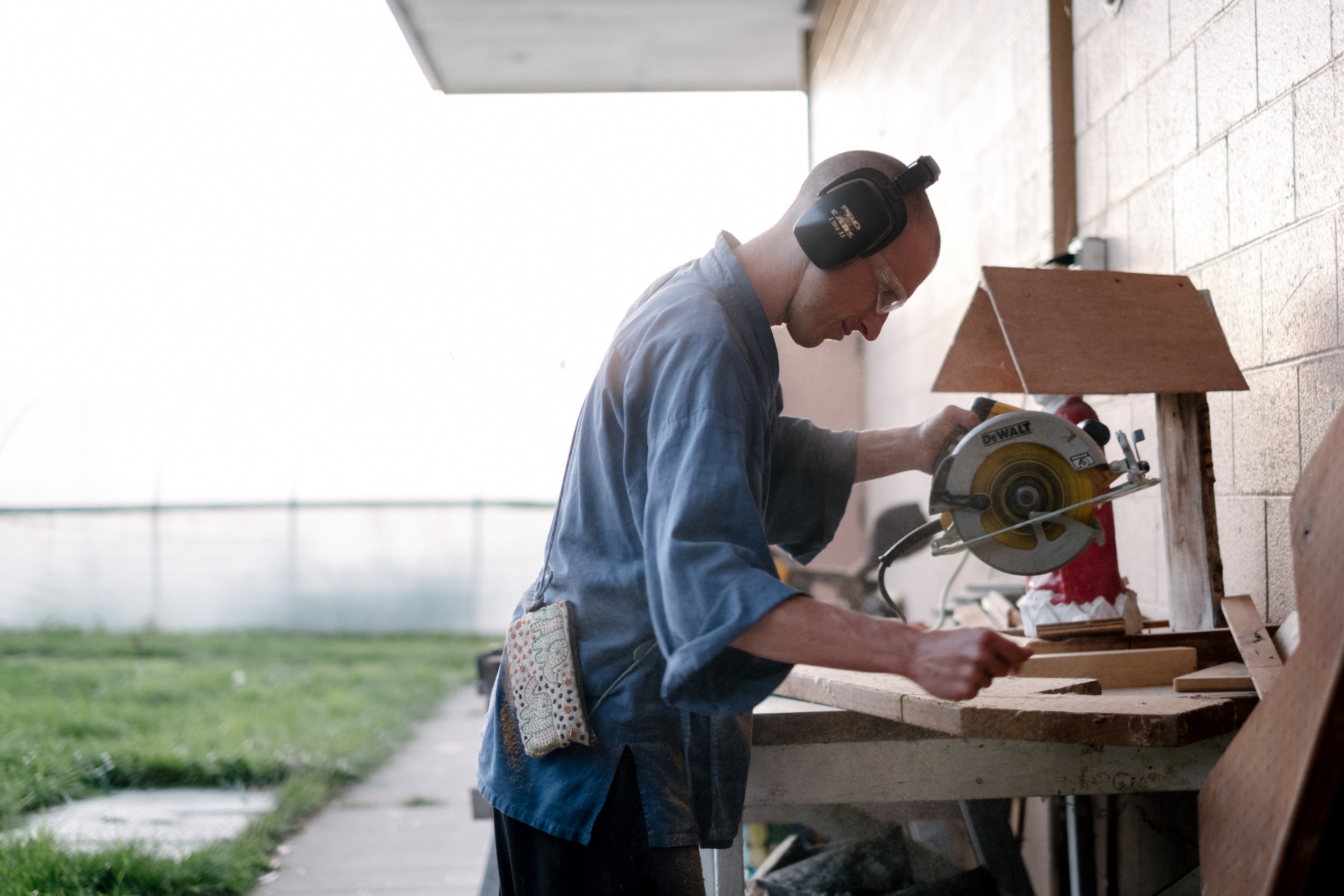
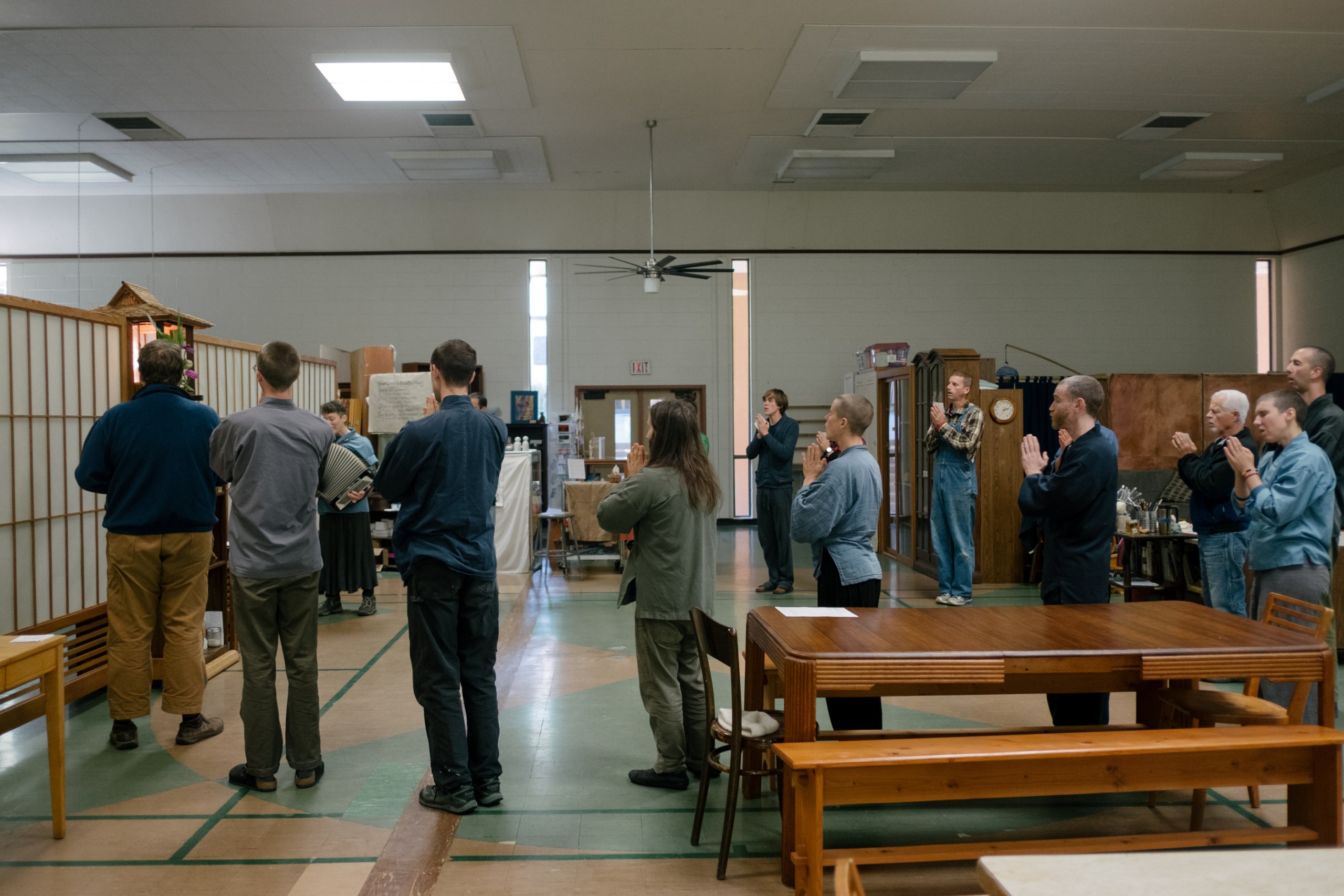
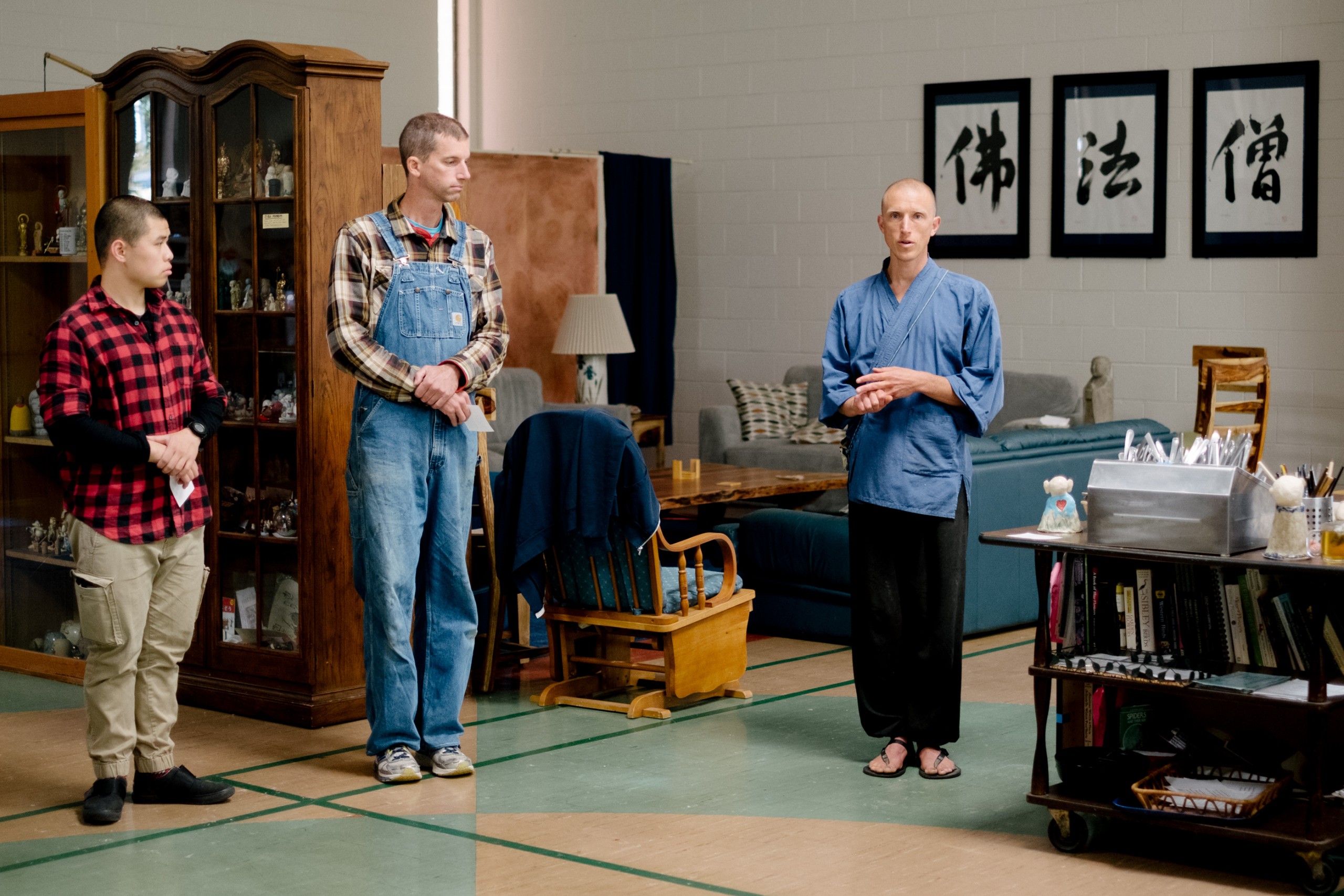
Their core programs reflect that same blend of structure and heart. The monastery is known for its year-round residency program, a rare invitation for anyone—regardless of background—to step inside a traditional Zen monastic container. People come for a month, a season, or years at a time, giving themselves fully to the experiment of practice. The Sesshin retreats, week-long immersions in silence and long sitting, form the backbone of the training, and yet they unfold with a gentleness that feels very much like Chozen and Hogen’s signature: rigorous but compassionate, serious but never austere for its own sake.

There’s also something unexpected woven into the life of this monastery: an openness to creative and embodied practice that expands the traditional Zen frame without diluting it. Rituals like the Loving-Kindness Sesshin or the Jizo Ceremonies for grief and remembrance bring a deeply human dimension to the training. You feel the breadth of what Zen can be here—not just sharp, precise inquiry into the nature of mind, but also a shelter for the tenderness and broken pieces we rarely know how to carry.
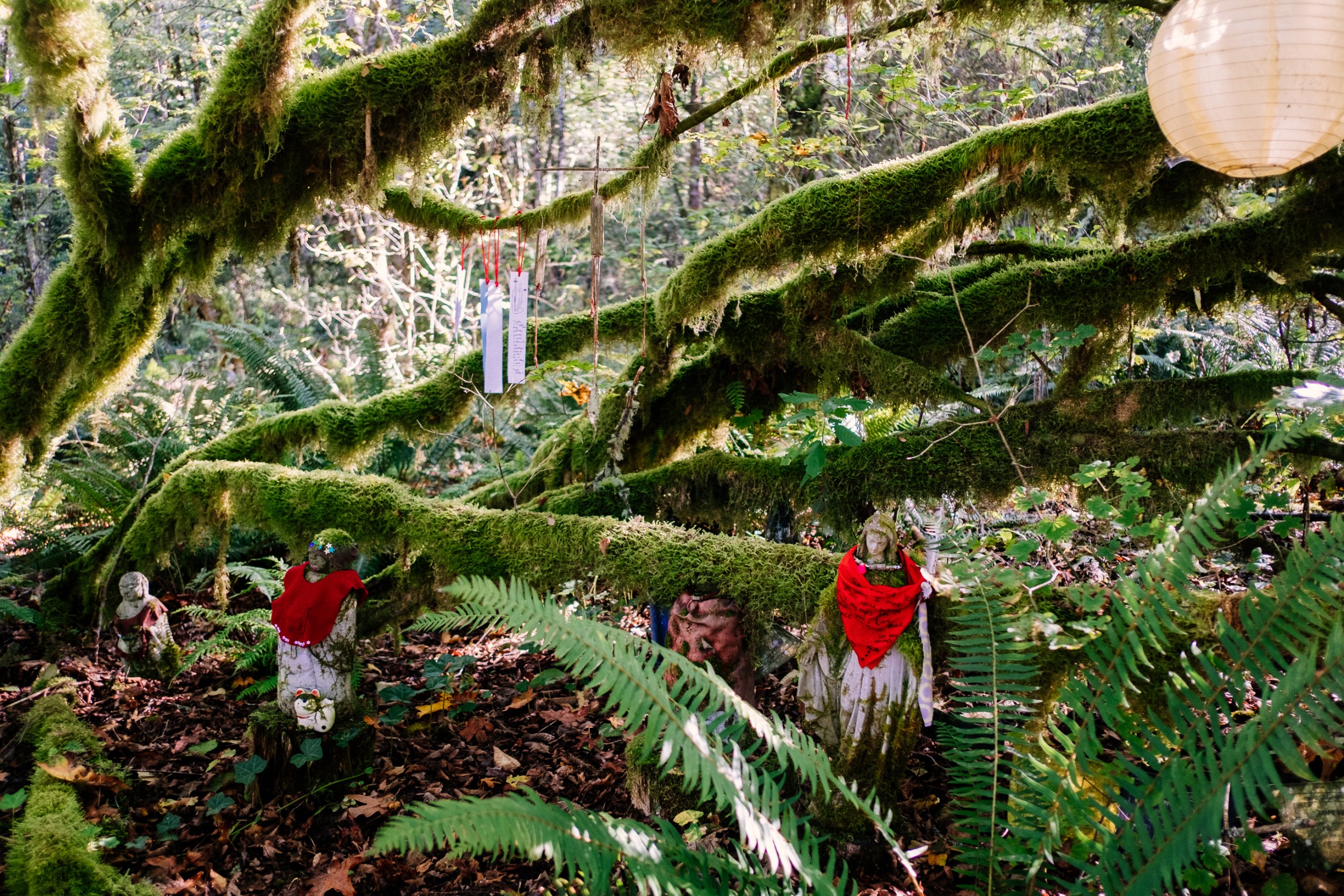
In many ways, Great Vow feels like a microcosm of what this entire project is trying to understand. How do ancient lineages find new expression in modern lives? How do people today, with their restless minds and digital distractions, step into structures built for depth, silence, and transformation? And how does a place like this—remote, quiet, uncompromising in its simplicity—continue to draw people from all corners of the world who are hungry for something real?
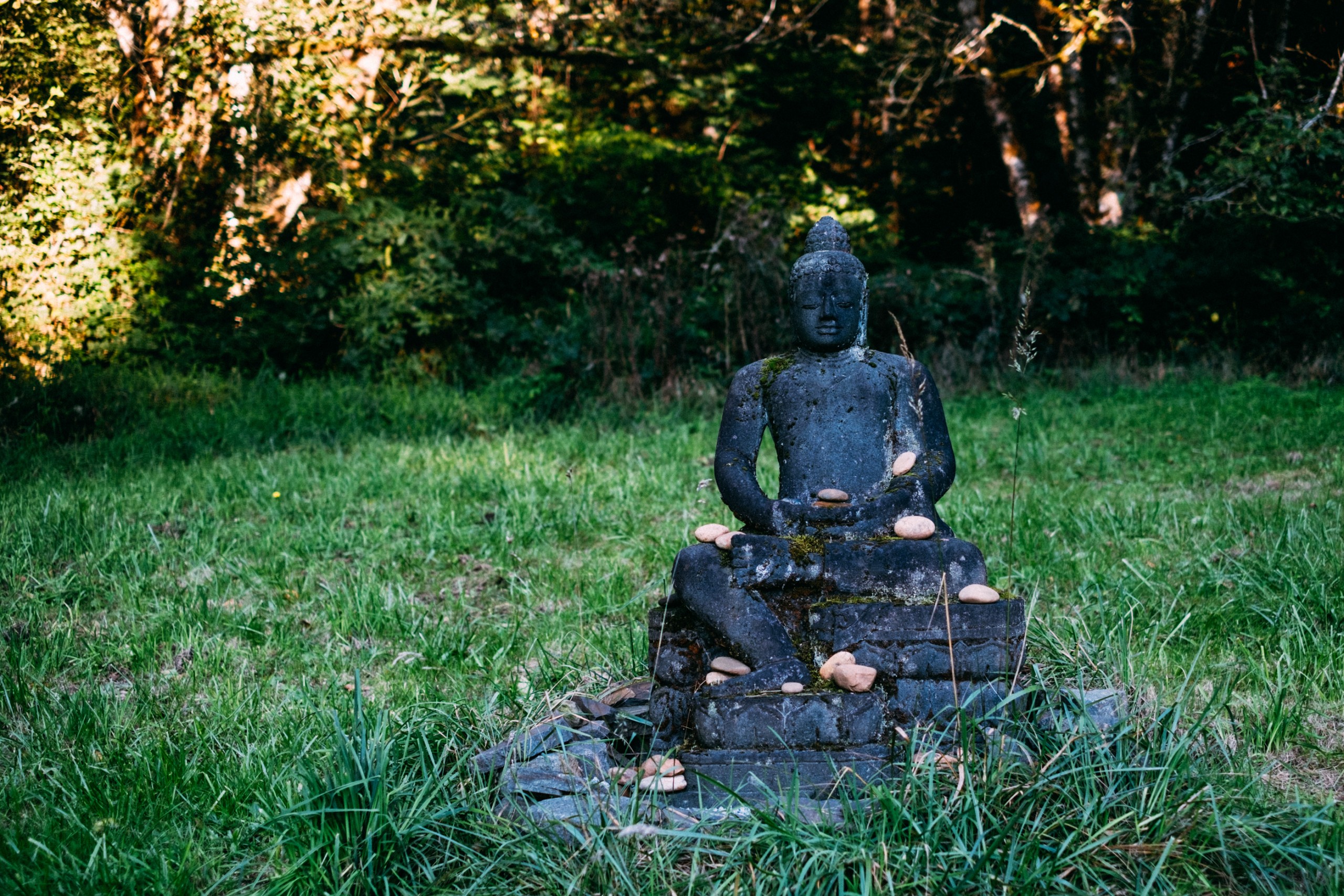
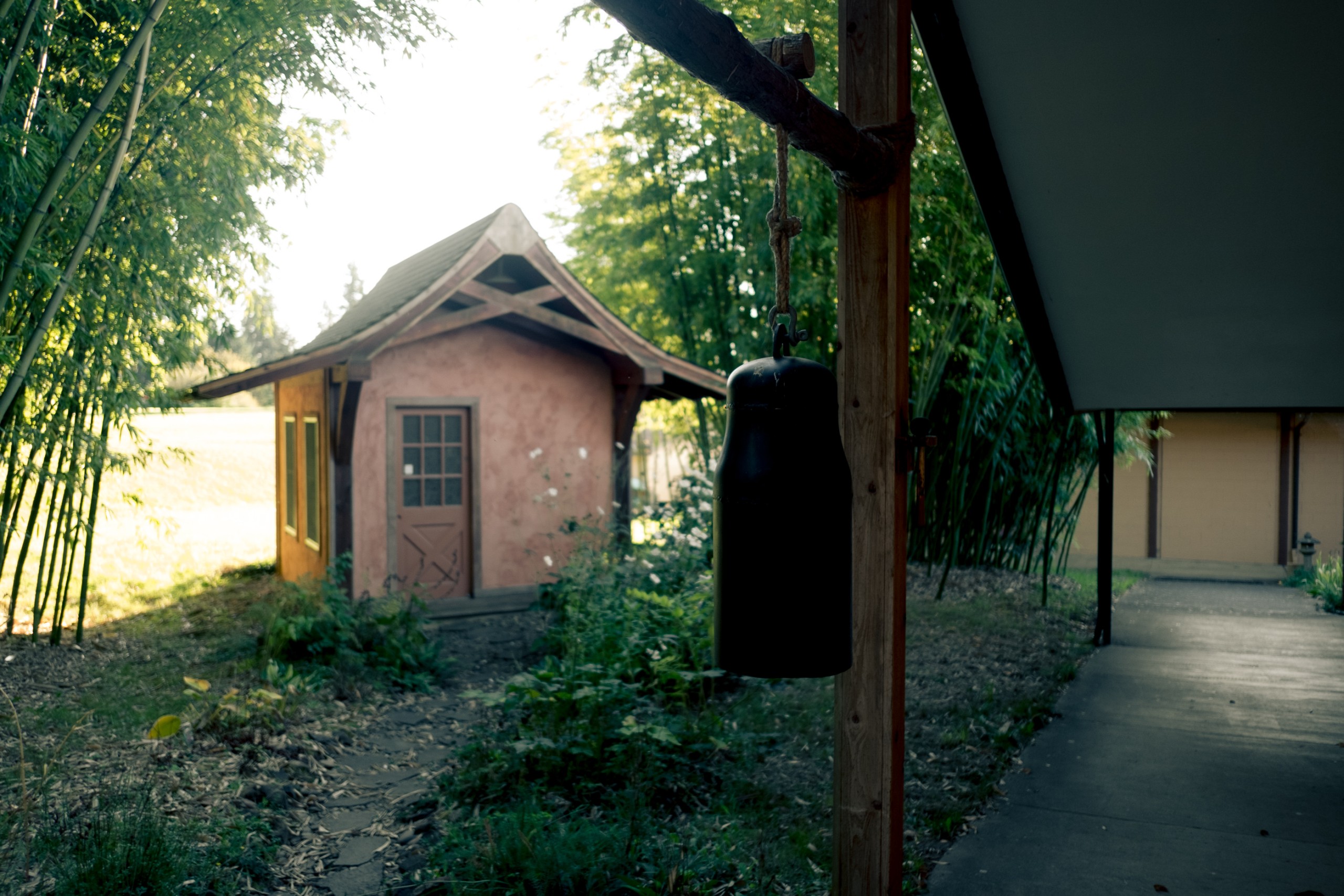
Maybe that’s the real power of lineage: it gives us a place to stand when everything else feels uncertain. And maybe that’s the gift of a monastery like this: a living reminder that awakening is not an abstract concept but a daily, embodied, sometimes messy, always courageous act.
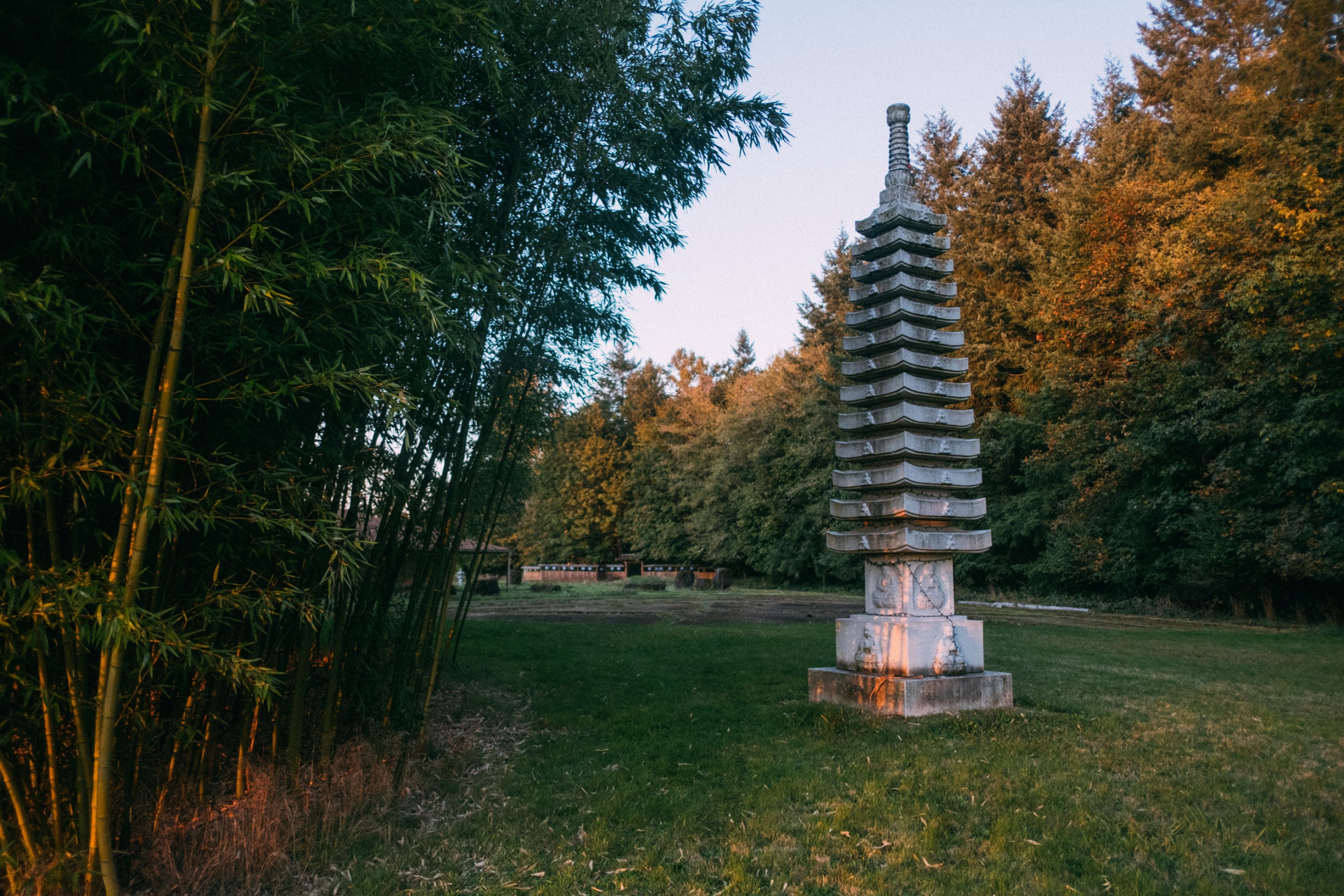
At a glance
Great Vow Zen Monastery
- Tradition
- Zen · White Plum lineage
- Teachers
- Chozen Bays Roshi and Hogen Bays Roshi
- Practice
- Year-round residency, sesshin retreats, Loving-Kindness Sesshin, Jizo ceremonies
- Location
- Clatskanie, Oregon · Zen Community of Oregon

The gift of a monastery
Awakening is not an abstract concept but a daily, embodied, sometimes messy, always courageous act.
Photo essays