Theme · Deepen
The purity of Theravāda
The “School of the Elders” isn’t really about being old or rigid at all. It’s about stripping things down. Getting honest.
Theme overview
Stop. Come back. Look.
stop. come back. look at what’s actually here.
I keep coming back to something I find hard to put into words — this sense that the Theravada path, the one often called the “School of the Elders,” isn’t really about being old or rigid at all. It’s about stripping things down. Getting honest. And for so many of the practitioners I’ve talked with, that’s exactly what drew them in.
You hear a lot of spiritual seekers describe Theravada — or the broader Insight tradition it gave birth to — as a kind of medicine. And I think that framing makes sense when you really sit with it, especially for Western minds like so many of ours. We tend to overthink. We chase elevated states, beautiful feelings, a sense of the transcendent. And then we wonder why nothing seems to stick. Theravada, for a lot of people, is the tradition that finally says: stop. come back. look at what’s actually here.
What strikes me most is that these practitioners aren’t describing a philosophy they’ve adopted intellectually. They’re describing something they’ve felt — a shift in how they meet the ordinary moments of their lives. The body. The breath. The messy, stubborn human mind. That’s the territory. Not some mountaintop. Not a special state. Right here, in the mundane, is where the work happens and where the opening comes.
In their words
Four ways the tradition holds
Somewhere to return to
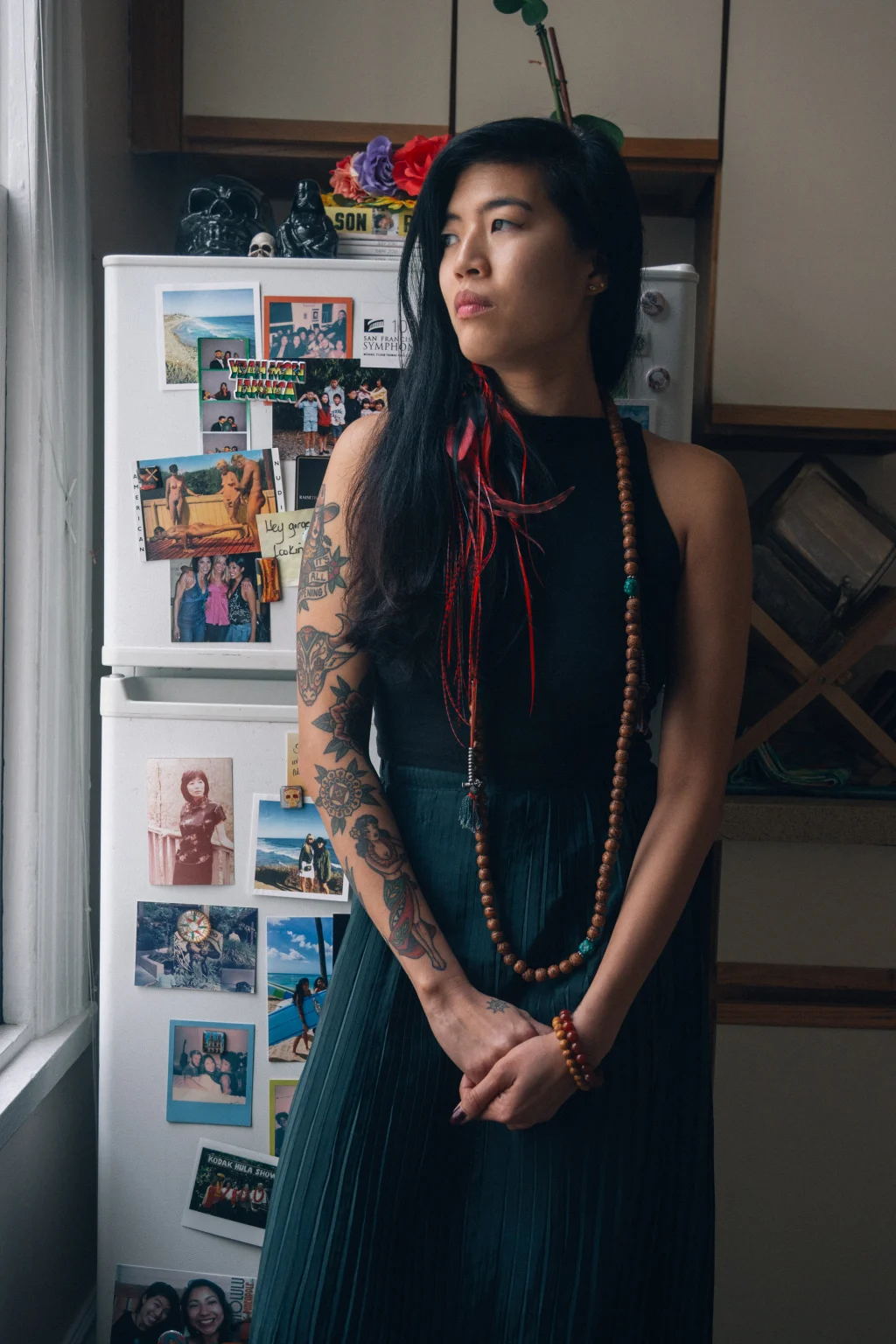
Kim
Kim came to this path with roots already in it — she grew up in a household shaped by Vipassana teachers. And still, she speaks about the tradition’s ongoing gift: the way it holds her, especially when things get hard and the mind starts to forget what it already knows.
“having the teacher to turn to having sangha to turn to is is something that really helps keep me grounded and can remind me of the things that I already know but have forgotten, especially during a painful or challenging period of my life. And especially, it helps hold you accountable.”
I find that so real. The practice doesn’t make us immune to difficulty. It gives us somewhere to return to. A mirror. A thread. People who will hold the map when we’ve lost our bearings.
Closer to the source
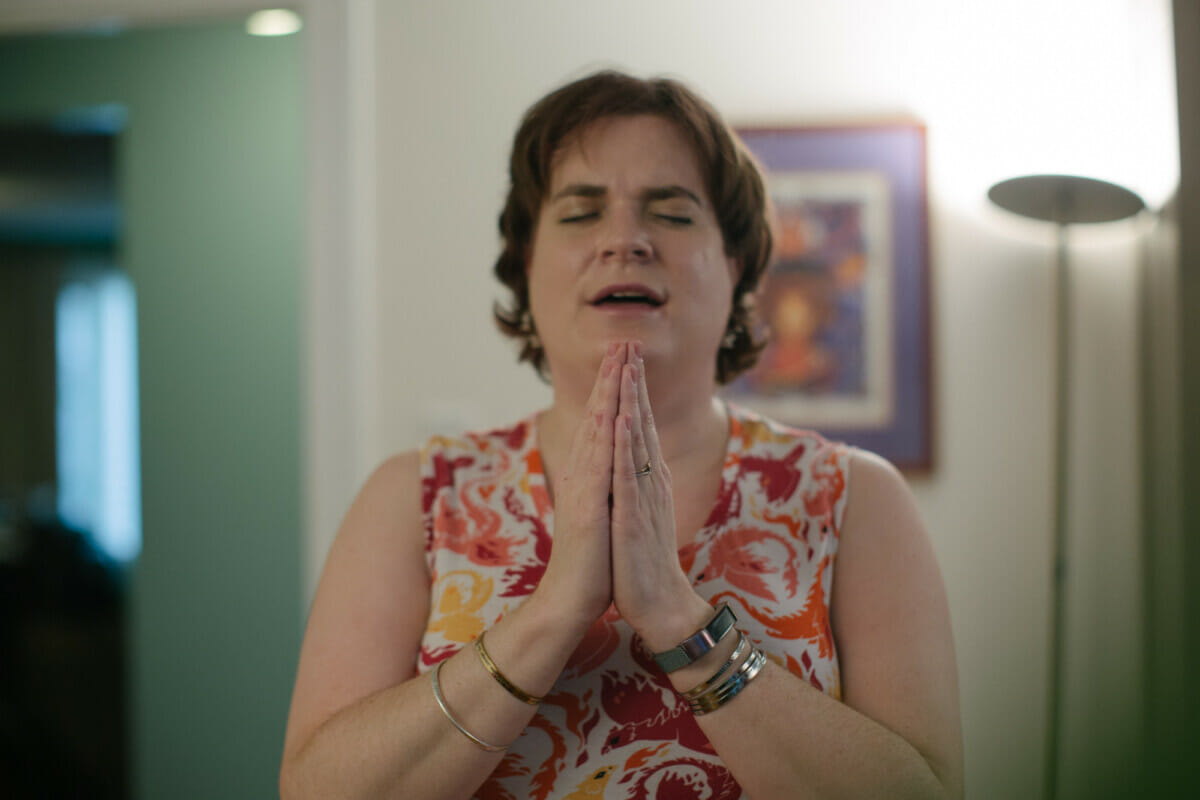
Lisa
Lisa came to Theravada through a different door — a kind of cultural discernment. She wanted to practice the Dharma without feeling like she was performing someone else’s cultural identity. And she found a teacher who shared that concern, who wanted to get closer to the source, closer to the original language and framing of the teachings themselves.
“she felt that one of the things was that along with the Dharma and the practices that we all have in common comes a lot of cultural traditions, which we don’t necessarily need to adopt in order to be Dharma practitioners. And so I think he also wanted to work closer to some of the original, suchas the Pali canon. Specifically, she felt was really important.”
That search for authenticity — not performing Buddhism, but actually practicing Dharma — resonates with me. There’s a kind of integrity in that. An honesty.
Stopping and seeing
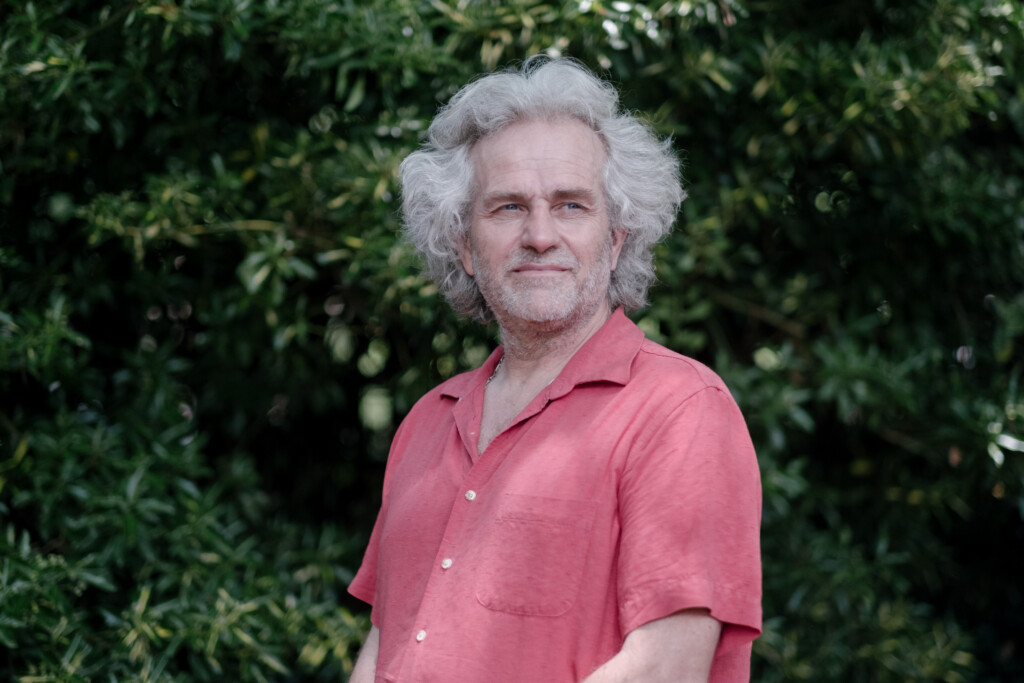
Gareth
What I love about how Gareth talks about this is how universal he makes it feel. He’s not claiming Theravada is the only path. He’s saying that what it trains in us — the capacity to stop, and to see — those aren’t sectarian skills. They’re human skills.
“I maintain that stopping and seeing are absolutely foundational to every practice path. Right. So those are pretty universal skills. How they show up and how you capture them can be very different, but you can always come back to that, I think, as a common truth.”
That phrase — a common truth — stays with me. Because in all the complexity and diversity of spiritual practice, there does seem to be this shared core: pause, and look honestly. Everything else, in some sense, grows from that.
The breath as homecoming
Mara
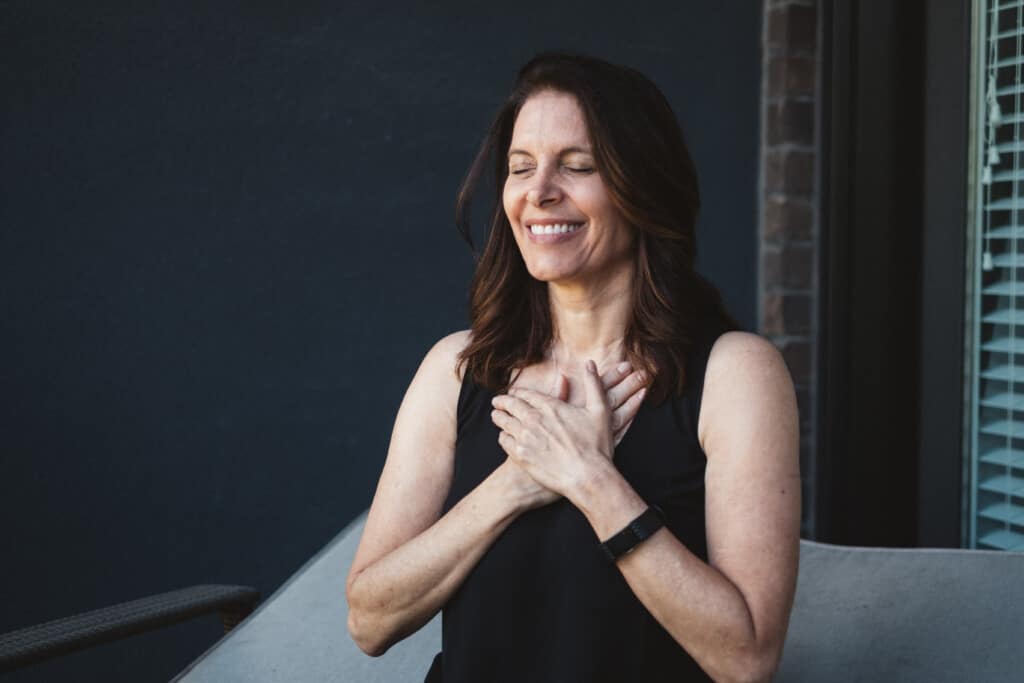
Mara’s entry point is tender and precise. She found in the four foundations of mindfulness something that could meet her where she actually was — in the body, in the breath, in the place where trauma lives and where healing begins. She draws a beautiful line between the discipline of traditional martial arts and the Buddha’s own teaching on return — the breath as anchor, as rescue from the looping mind.
“That sense of the traditional martial arts and how it relates so deeply to the first foundation of mindfulness of breath and body.(…) As the Buddha knew that if you return to the breath, you will be anchored that the return to the breath will take you out of the obsessive mind.”
There’s wisdom in that so old and so simple it almost slips past us. Come back to the breath. Not as a technique. As a homecoming.
Reflection
Meeting ordinary life, fully
What I take from all of these voices is something I’m still learning to trust in my own practice — that the path doesn’t have to be dramatic to be real. The tradition these practitioners are describing isn’t asking us to transcend ordinary life. It’s asking us to meet it. Fully. With presence, with honesty, with a willingness to see clearly and keep showing up. And maybe that’s the most radical thing of all.

The takeaway
The path doesn’t have to be dramatic to be real.
Insight lineage
Practitioners in the lineage
From searching to depth
Mingo
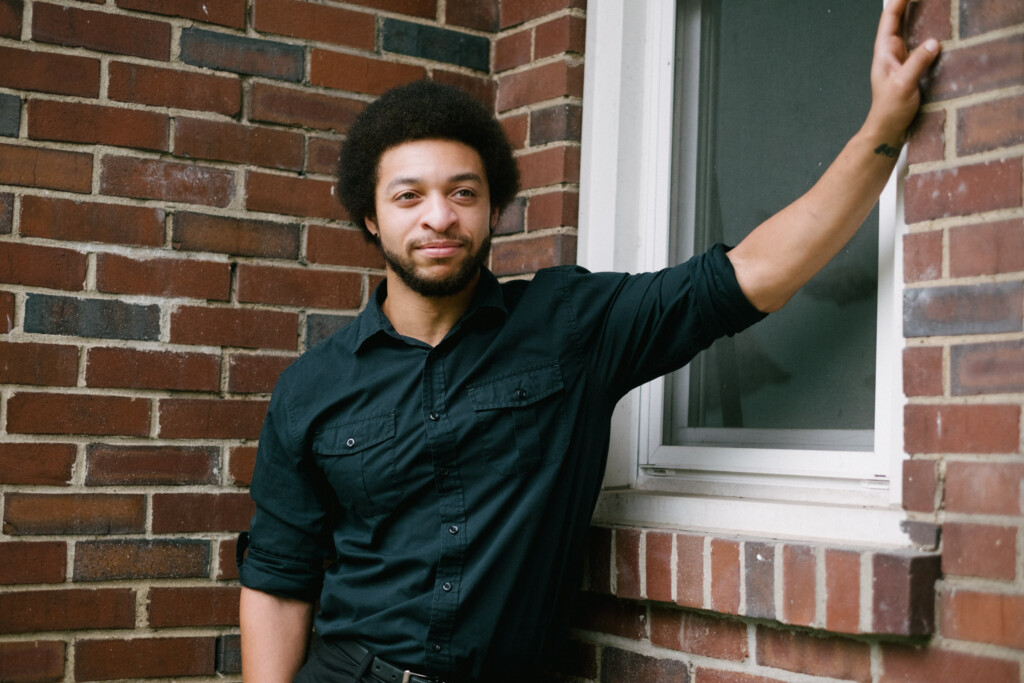
Mingo’s path into Buddhist practice didn’t come from blind belief or cultural inheritance—it came from searching. Growing up in Nashville, raised within Christianity, he found himself questioning not the faith itself, but the sense of limitation he felt within it. That curiosity led him outward, into a wide landscape of spiritual traditions, philosophies, and practices. For years, he explored—moving through agnosticism, atheism, and alternative spiritualities—trying to understand not just what to believe, but how to live.
What ultimately grounded him wasn’t the variety of what he found, but the clarity of what he chose to stay with. In the Insight lineage, particularly through Theravāda teachings, Mingo found something different: a practice that didn’t ask him to become anything, but to see clearly what was already there. It stripped away the need for performance, for peak experiences, for spiritual identity—and brought him back to something simple, direct, and honest.
That simplicity became the turning point. Instead of chasing transformation, he began to embody it. Through mindfulness, he learned to relate to his thoughts, emotions, and suffering without resistance. Over time, that relationship changed everything—from how he experienced anxiety and loss, to how he showed up in relationships, work, and community. What once felt overwhelming became workable. What once defined him began to loosen.
For Mingo, lineage matters not because it is rigid, but because it is reliable. It offers a path that has been walked, tested, and lived by others before him. In a world full of options, it gave him something rare: depth.
“The Insight tradition brought my practice down to earth. It stopped being about chasing experiences—and became about being in relationship with my life.”
Practice, not belief
Ryan
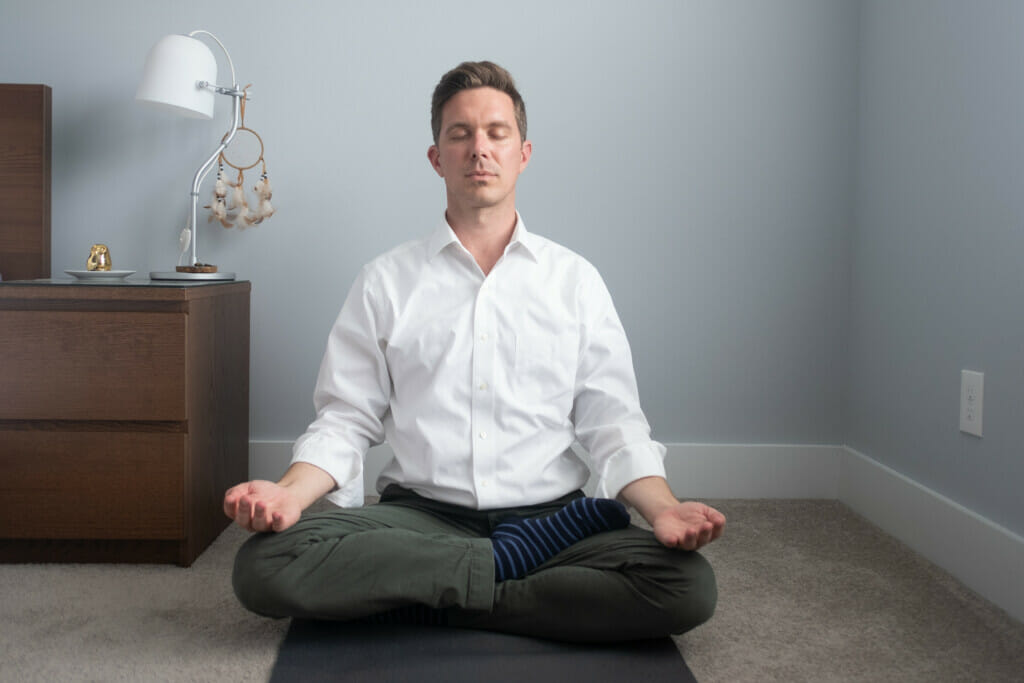
Ryan’s path into the Dharma didn’t begin with certainty—it unfolded gradually, almost quietly, shaped by recovery, curiosity, and a willingness to stay. What started as an intellectual interest in Buddhist philosophy deepened into a lived practice, one that steadily reorganized his life from the inside out. Rooted in the insight lineage, Ryan found a path that emphasized direct experience over belief, inviting him not just to understand suffering, but to meet it, work with it, and ultimately transform his relationship to it.
Over time, the practice reshaped his priorities—moving him away from a life organized around achievement and toward one grounded in presence, family, and service. It softened long-held patterns of anxiety and self-protection, opening the door to more authentic, open-hearted relationships. Through his work in healthcare and his service within the sangha, Ryan embodies a quiet but steady commitment: to reduce suffering where he can, even in small, unseen ways. For him, the Dharma isn’t abstract—it’s something lived, tested, and continually rediscovered in the middle of ordinary life.
“What drew me to the insight lineage is that it doesn’t ask you to believe anything—it asks you to practice and see for yourself. That changed everything for me, because real understanding didn’t come from thinking—it came from living it.”
See every Theravāda practitioner
Registration is required to view all profiles in this theme and support the project.
Members’ view
All Theravāda practitioners
Deepen · more themes