Photo essay · Colorado
Mountains that rise like an altar
More than twenty spiritual centers, one wide valley, and the spaciousness that keeps pulling me back to Crestone.
Crestone: A Quiet Mountain Mecca

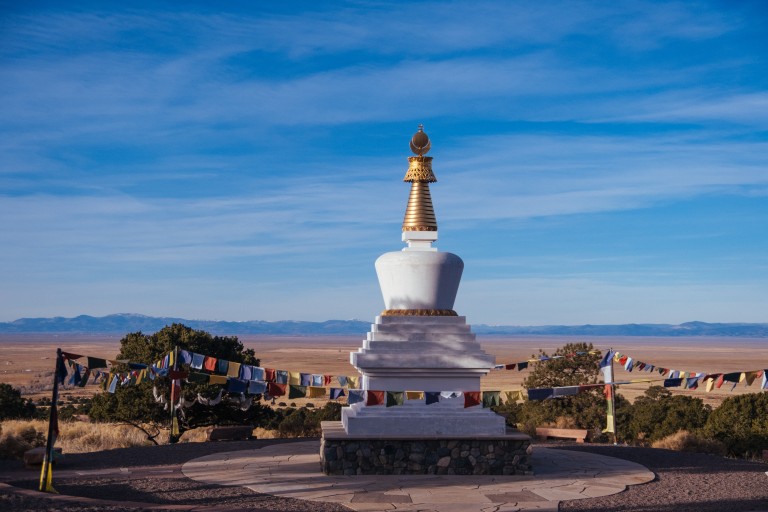
Prayer flags stretch across a pink dusk sky as the stupa overlooks the San Luis Valley below.
There’s something about Crestone, Colorado that keeps pulling me back—almost like an old friend whose presence I can’t quite explain, only feel. Every time I turn onto that long road toward the foothills of the Sangre de Cristos, I’m reminded why this tiny town has become one of North America’s most improbable spiritual capitals. It’s not just the land—though the land itself feels like a teacher. It’s the way the wide valley opens into silence, how the mountains rise like an altar, how the light stretches itself across the whole San Luis Valley as though it too is practicing devotion.

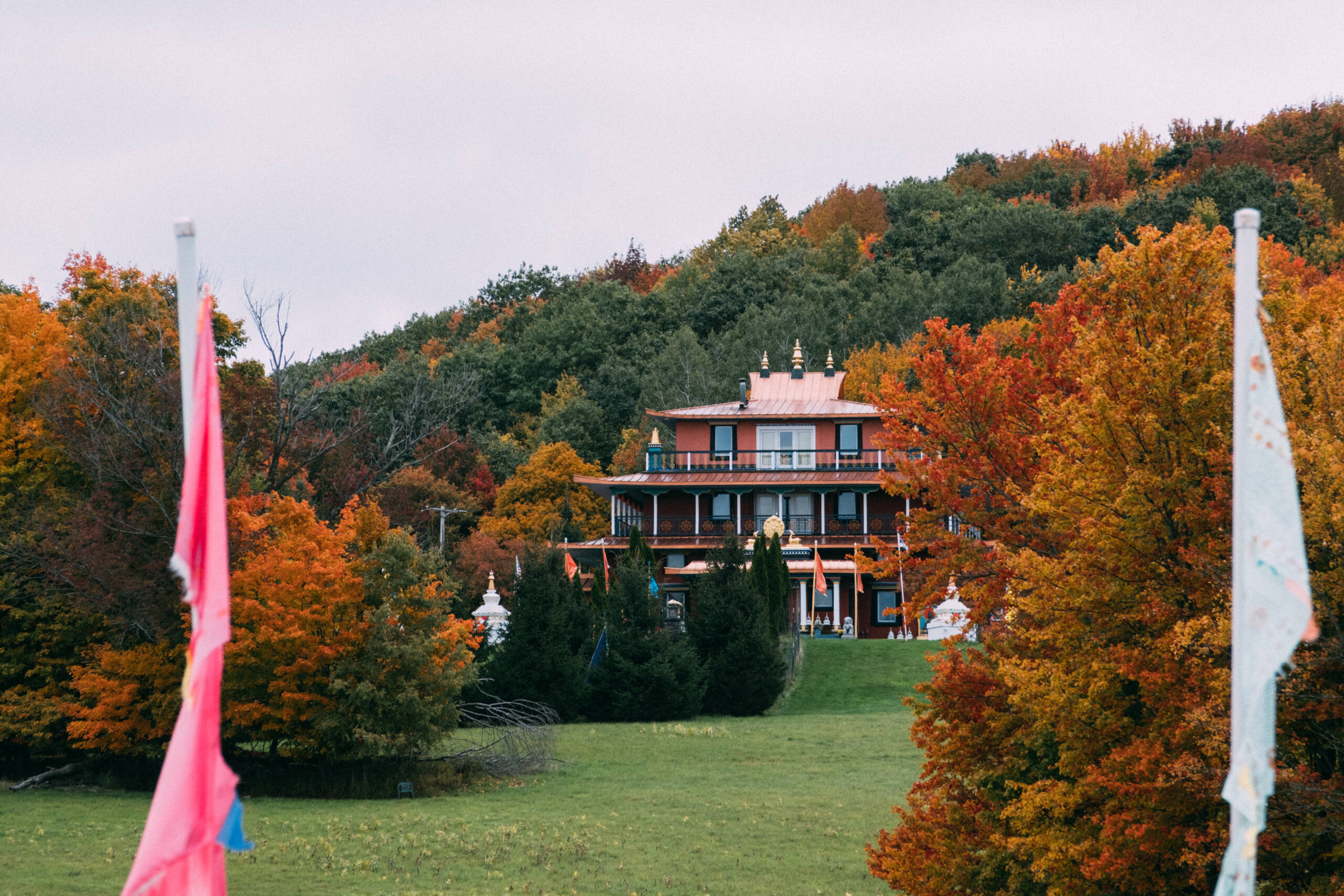
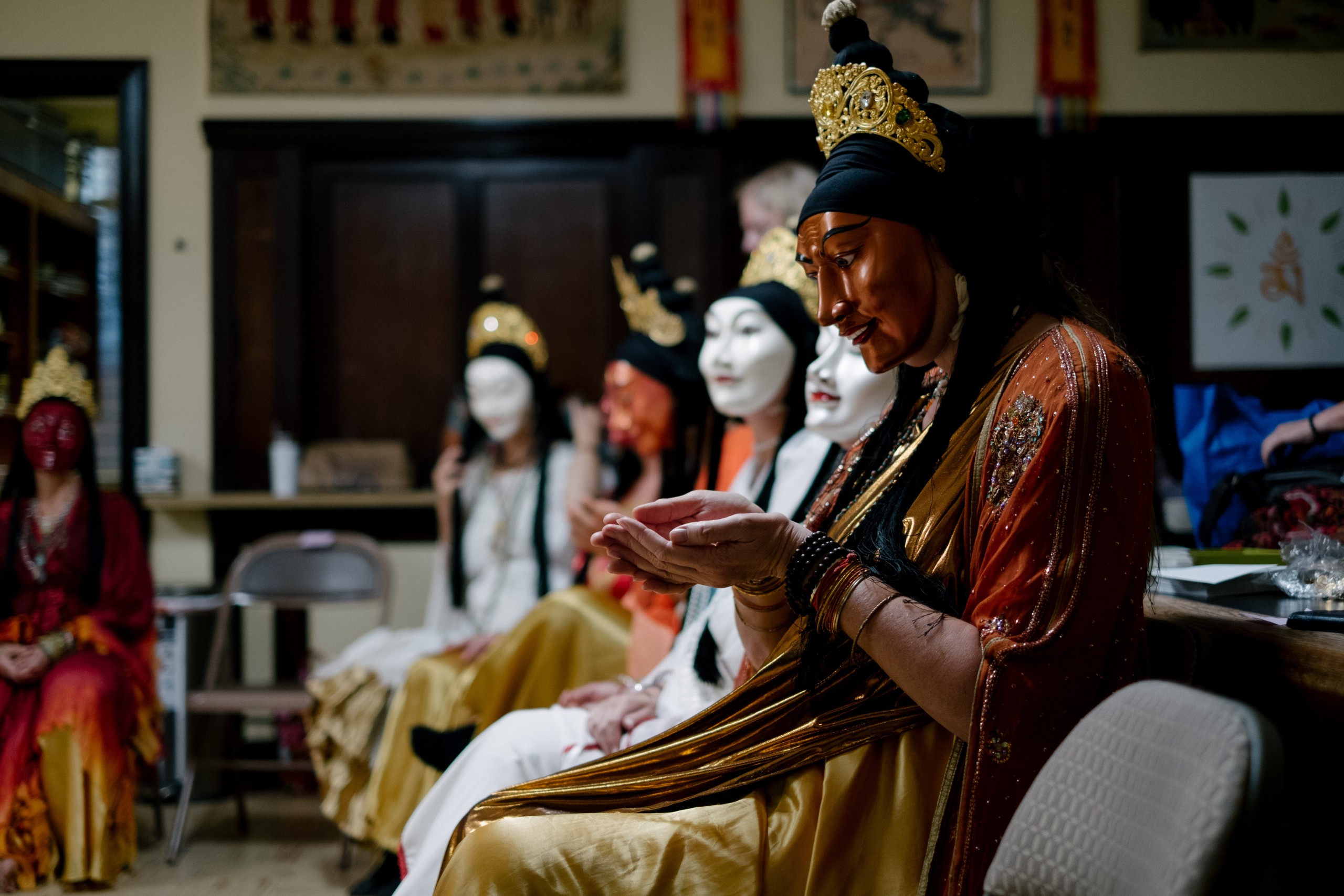
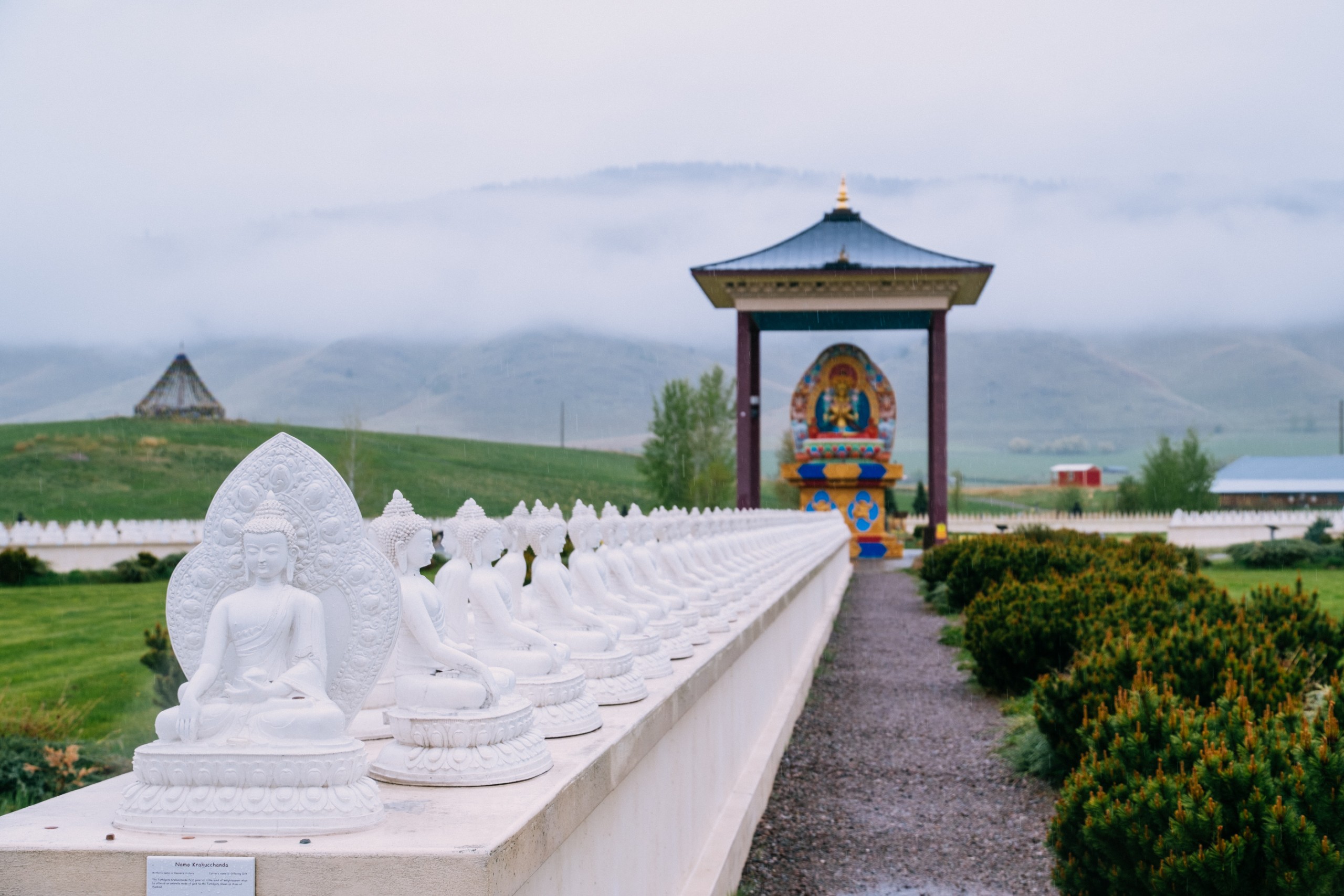
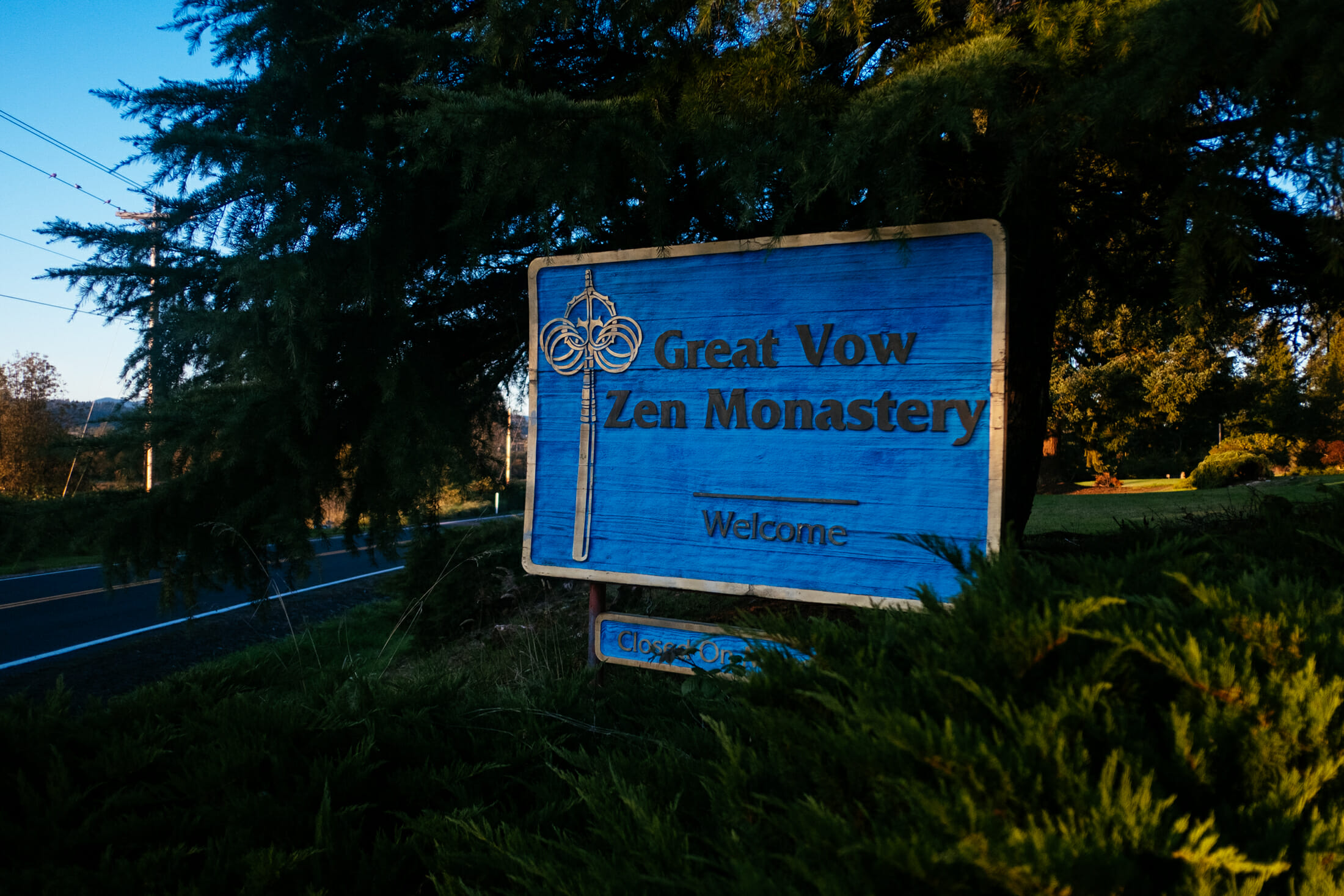
Crestone is home to more than twenty different spiritual centers—Zen, Tibetan, Shambhala, Hindu, Carmelite, you name it – reflecting the diverse presence of spiritual traditions and Buddhist communities. But what struck me, after returning again and again over the years, is how naturally all of these traditions settle into this landscape. The place is vast enough to hold them all, yet intimate enough to let you meet yourself in the quiet.
For me, photographing here has become part pilgrimage, part meditation. I’ve walked these dirt roads before sunrise, alone except for the soft sound of prayer flags cracking in the wind. I’ve sat on stone benches overlooking the valley with stüpas glowing gold in the early morning light. Somehow, every visit feels like a small return to something essential—something I often forget in the noise of my everyday life.
The place is vast enough to hold them all, yet intimate enough to let you meet yourself in the quiet.
Crestone’s gift, I’ve realized, is spaciousness. Not just in the literal sense of the land, but in the way it invites your mind to soften and your heart to open. It’s a place where practice feels woven into the air, where devotion feels natural, and where the boundaries between traditions dissolve into the rhythm of wind, light, and mountain.
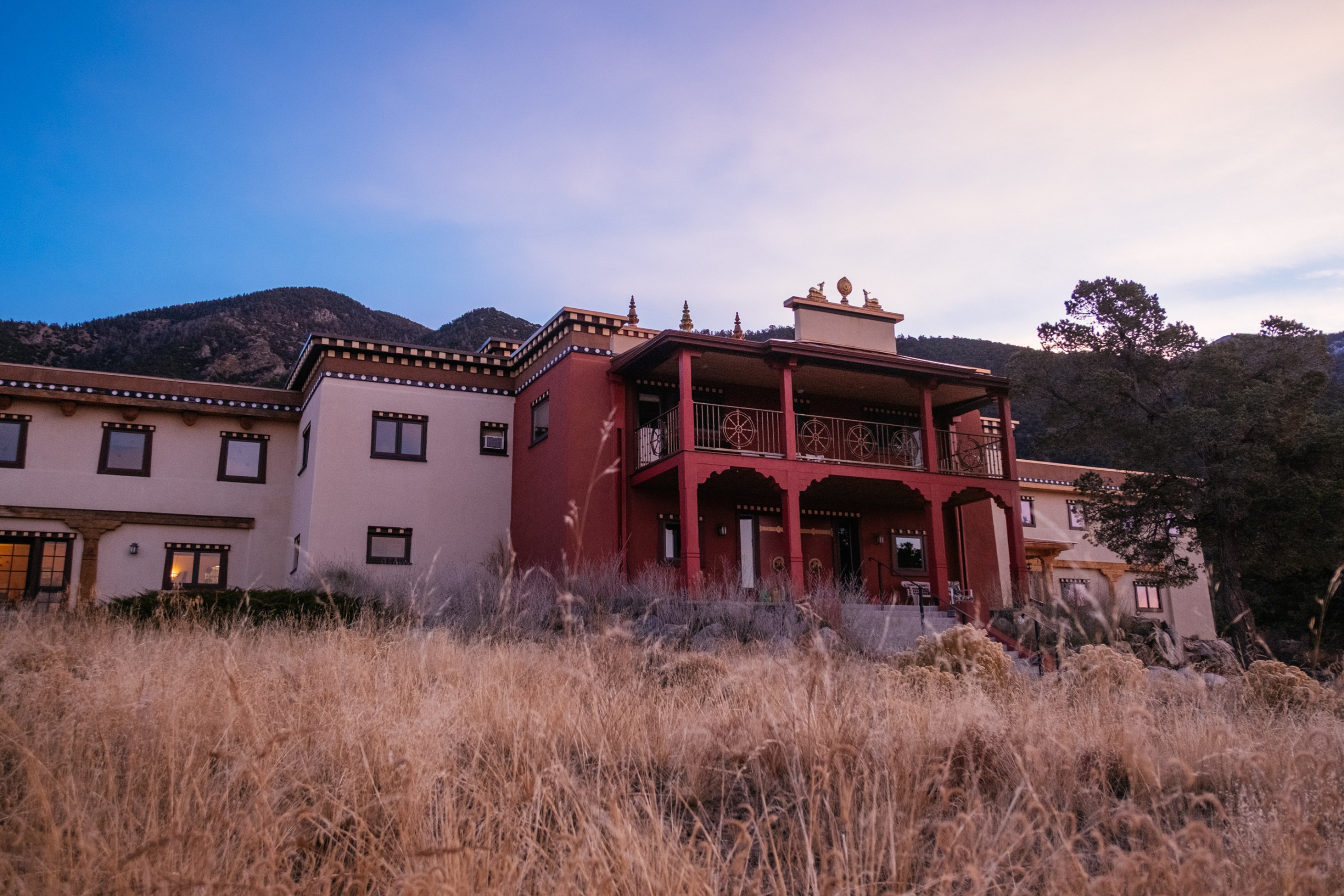
Below are a few images from my time wandering these centers—each one a small window into the quiet power of Crestone.


At a glance
Crestone, Colorado
- Location
- Crestone, Colorado · San Luis Valley
- Setting
- Foothills of the Sangre de Cristos
- Centers
- More than twenty
- Traditions
- Zen, Tibetan, Shambhala, Hindu, Carmelite, and more

Crestone’s gift
Crestone’s gift, I’ve realized, is spaciousness.
Photo essays