Cynthia
Toronto
Cynthia reflects on her transformative journey from a tumultuous upbringing in a violent, alcoholic household to her pursuit of happiness through conventional means like marriage, career, and religion. Despite achieving societal markers of success, she found herself unfulfilled and embarked on a spiritual quest.

Background
A sentence to summarize this section
Cynthia experimented with various religious paths, including Catholicism and the United Church, but none provided the lasting contentment she sought. Battling personal struggles, she eventually turned to alcohol as a means of coping. The turning point came when, contemplating suicide, a friend introduced her to a 12-step program for adult children of alcoholics, reigniting her commitment to a spiritual path.
She narrates her progression through different spiritual practices, including Carlos Castaneda’s teachings, and her eventual immersion in Buddhism. The 12-step program, which she credits with saving her life, paved the way for her deeper exploration of Buddhist teachings.
Cynthia shares the challenges of balancing her spiritual journey with the demands of daily life, family responsibilities, and career. She emphasizes the significance of emotional balance and the transformative power of Buddhism in providing a stable foundation amidst life’s ups and downs.
Currently, Cynthia is an active Buddhist practitioner in the Vajrayana tradition, following the teachings of the late Choegyam Trungpa Rinpoche. She serves as a practice instructor and facilitates study classes, integrating her spiritual path into all aspects of her life, including administrative roles within the Buddhist community.
Voice & Presence
Cynthia’s story unfolds as a testament to the profound impact of spiritual practice on emotional well-being and
the ability to navigate life’s challenges with equanimity. Her journey exemplifies the transformative power of
mindfulness, acceptance, and a commitment to inner peace. Explore her videos below.
featured narrative
Lineage (a summarized name)
As a follower of the Vajrayana path, Cynthia emphasizes the importance of authentic teachings and the guidance of a lineage teacher. Cynthia elucidates the progressive stages of meditation, starting with Shamatha, focusing on breath and gradually incorporating impure and pure objects. She delves into analytical meditation, vipassana, and Mahayana practices, emphasizing the expansion of compassion to all sentient beings. With devotion to her teacher, the Buddha, and the Dharma, Cynthia finds resonance in the teachings that permeate every aspect of her life. She appreciates her teacher’s skill in making Buddhism relatable through contemporary references, demonstrating the relevance of the path even in challenging times like the pandemic.
Refuge:…..
“Trust, a concept previously elusive to her due to a challenging upbringing, gradually became a cornerstone in her spiritual journey.”
Professional Impact
“In Cynthia’s journey, the intersection of energy healing and the Vajrayana path becomes a pivotal point of understanding and synergy.”
“The clarity and the change in my life and how I lived my life and how I view life and how I interact with people. That’s the proof that it’s working. It’s not checking off boxes.”

Sangha Development
In Cynthia’s current role within the directors’ discussions at the organizational level, she grapples with the unique challenges of managing a voluntary Buddhist organization. Through a detailed analysis of various Canadian sanghas, such as Halifax, Vancouver, Montreal, and Toronto, Cynthia highlights the distinctive factors influencing each center’s dynamics. Vancouver stands out with a resident lama, fostering a larger membership, while Montreal thrives on a vibrant French community’s engagement, offering classes translated into French. Toronto faces distinct challenges, having recently moved to a new center, focusing on financial stability, and struggling with manpower limitations. The city’s high cost of living, diverse university offerings, and the convenience factor contribute to the complexities of attracting and retaining members.
Fruit of Practice
Cynthia reflects on the transformative impact of her Buddhist practice, emphasizing that the proof of its efficacy lies in the clarity and positive changes it has brought to her life. She moves away from merely checking off boxes, focusing instead on how she lives, views life, and interacts with others. Cynthia shares a profound personal example involving her relationship with her difficult, angry mother who had a stroke. Despite the habitual tendencies manifesting in hurtful words and actions, Cynthia’s practice allowed her to maintain an open heart, offering love to her mother until the end. This experience became a testament to the effectiveness of her Buddhist path.
Foundations
Cynthia delves into the challenges of maintaining motivation in Buddhism, highlighting the significance of common preliminaries such as recognizing the preciousness of human birth, impermanence, and karma. While these were initially not motivational for her, Cynthia emphasizes the importance of reframing one’s perspective through intellectual study. Drawing parallels with her psychotherapy practice, she notes that the “light bulbs” of understanding Buddhism serve as a reframe in how individuals perceive the world.
Family
Cynthia shares insights into her daughters’ varied journeys on the spiritual path. Reflecting on her oldest daughter, Kristen, who took refuge and embraced bodhisattva vows, Cynthia traces her daughter’s initial exposure to spiritual concepts through books like “The Four Agreements.” Kristen’s connection deepened when a visiting lama blessed her wedding, setting her on a transformative journey. Cynthia acknowledges Kristen’s commitment to embodying kindness, a value that has become a guiding principle in her life and interactions, even influencing her job interviews.
Devotion
Cynthia reflects on her evolving understanding and expression of devotion in her spiritual journey. Initially skeptical of the term, she observed others’ fervent expressions of devotion, which did not resonate with her. Cynthia recalls moments when she struggled with her devotion to her teacher, Rinpoche, influenced by external judgments and obstacles. Her devotion often got interrupted as she grappled with her own internal conflicts and insecurities.
other portraits
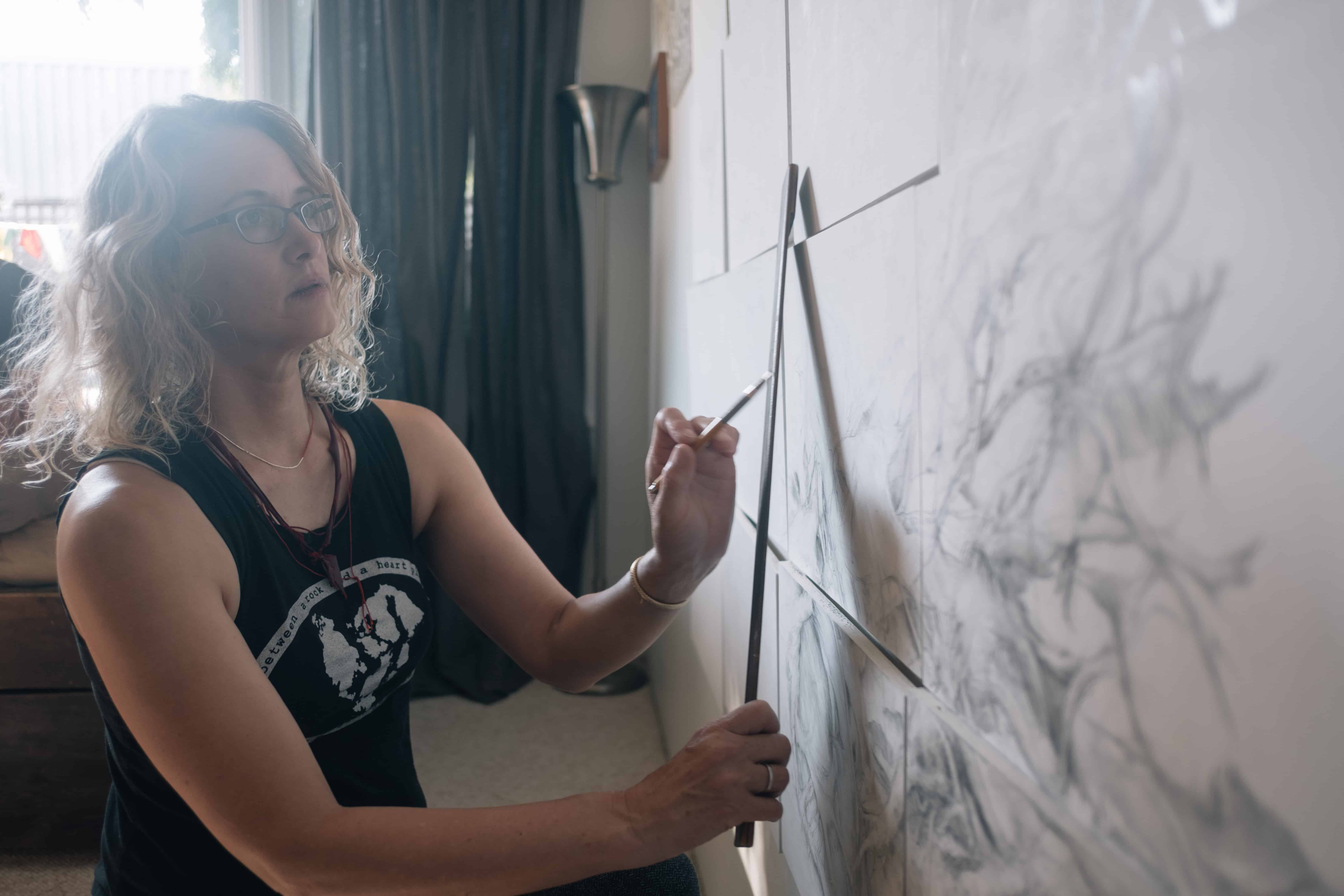
Melissa’s Vajrayana Buddhist Journey: Art, Lineage, Motherhood, and Practice
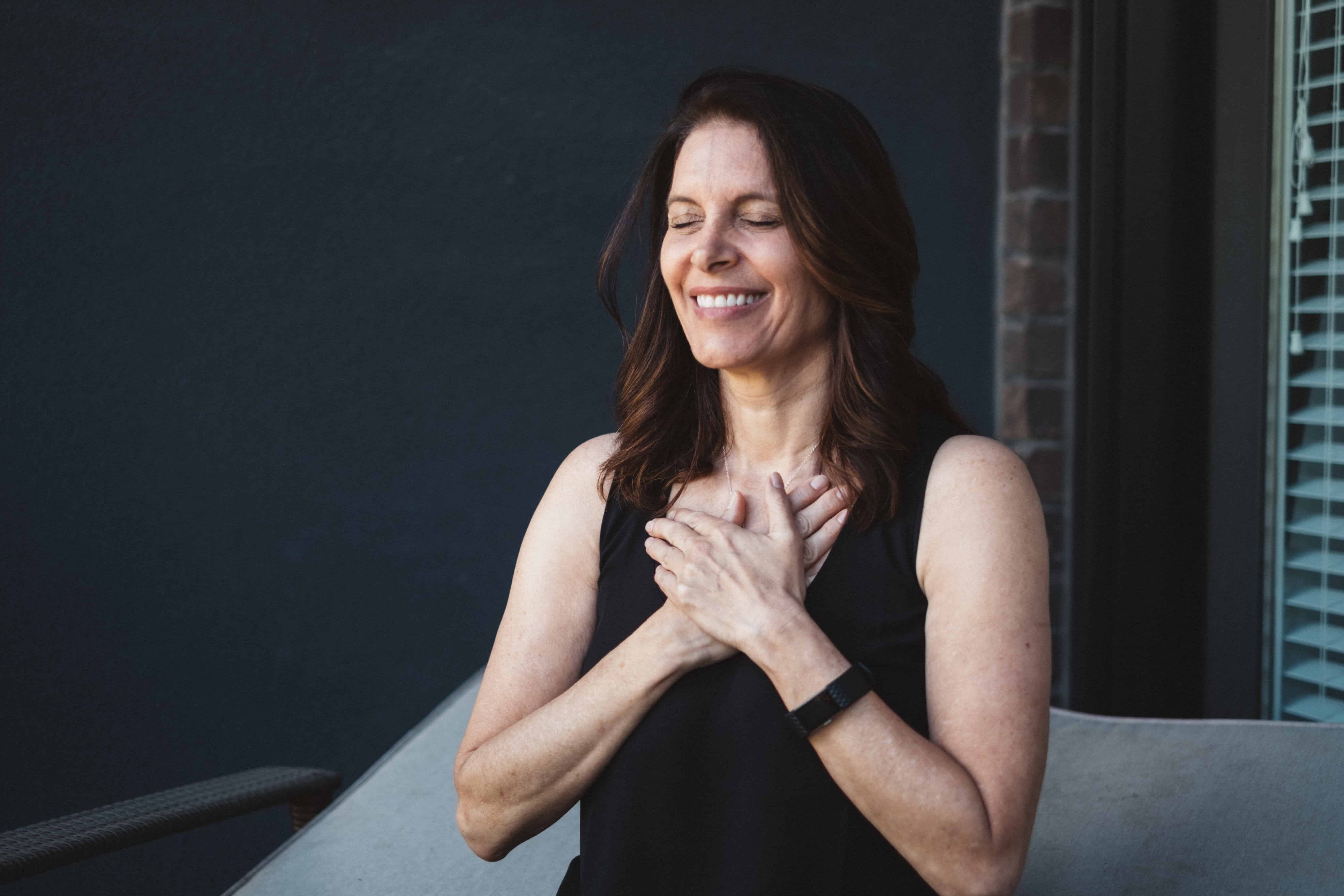
Mara’s Journey Through Grief: How Buddhist Practice and Sangha Transformed Loss
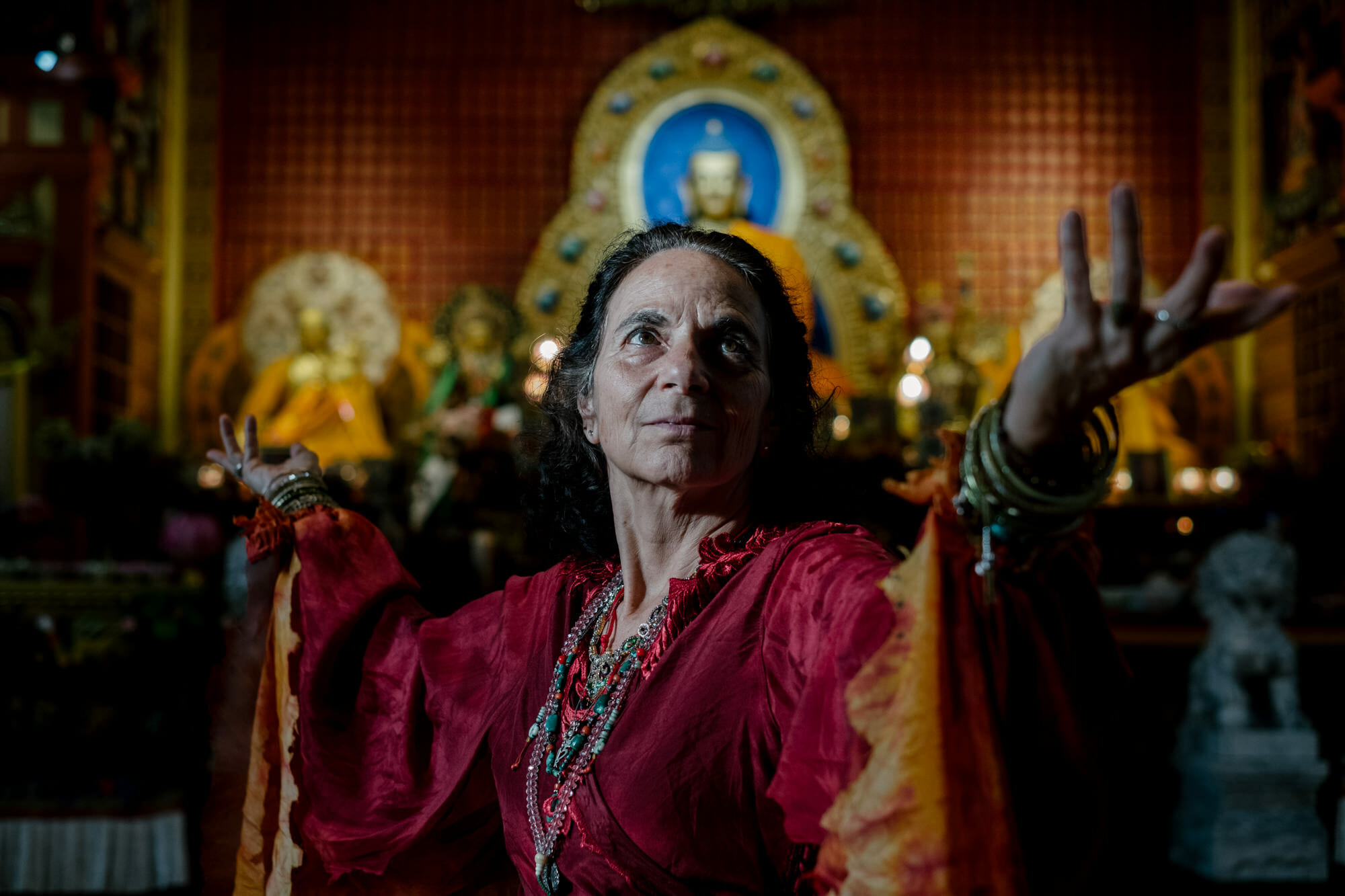
Phyllis: Embodying Vajrayana Buddhism Through the Tara Mandala Dance
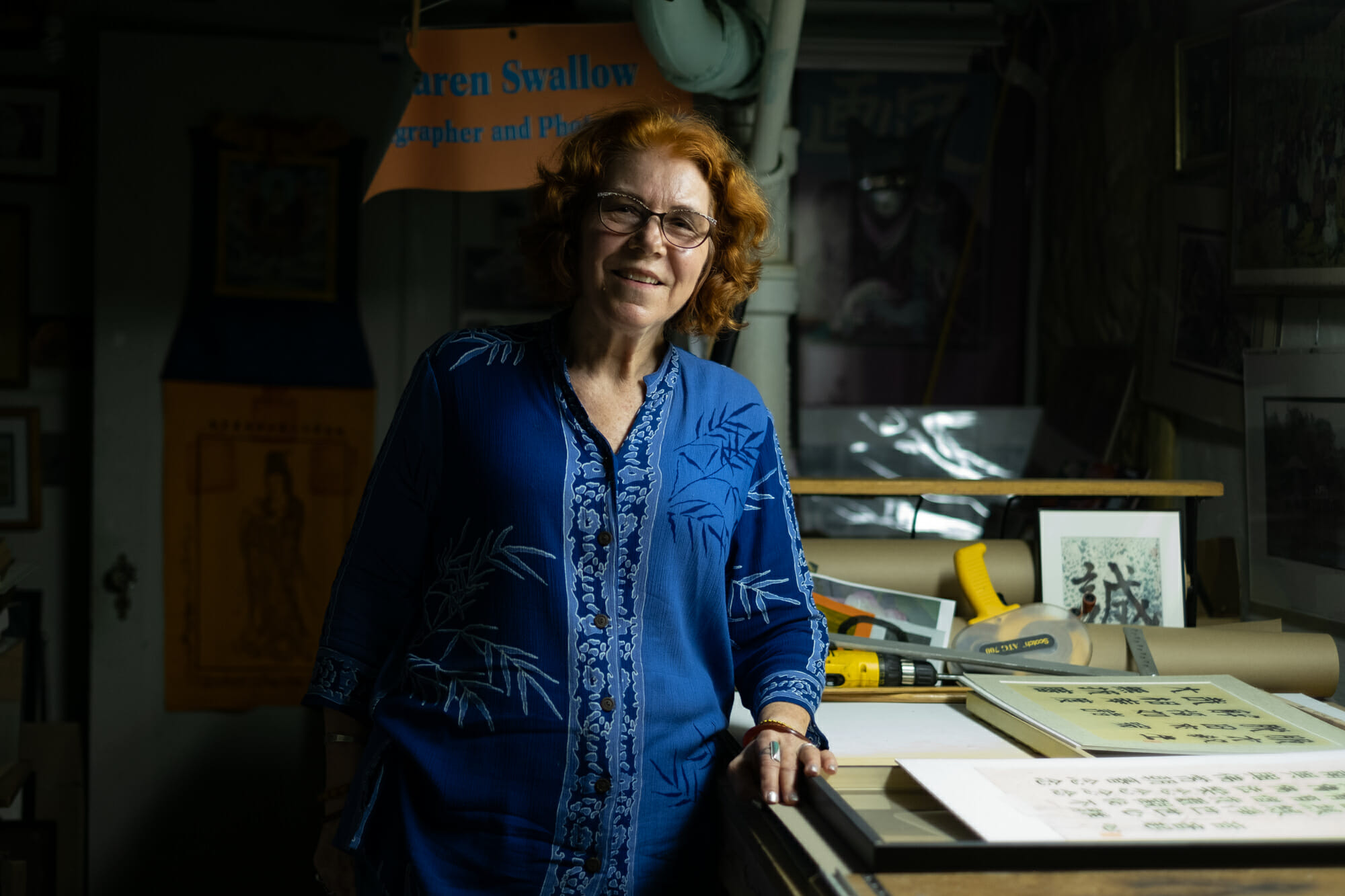
Karen’s Buddhist Journey: Zen, Creativity and the Art of Everyday Practice
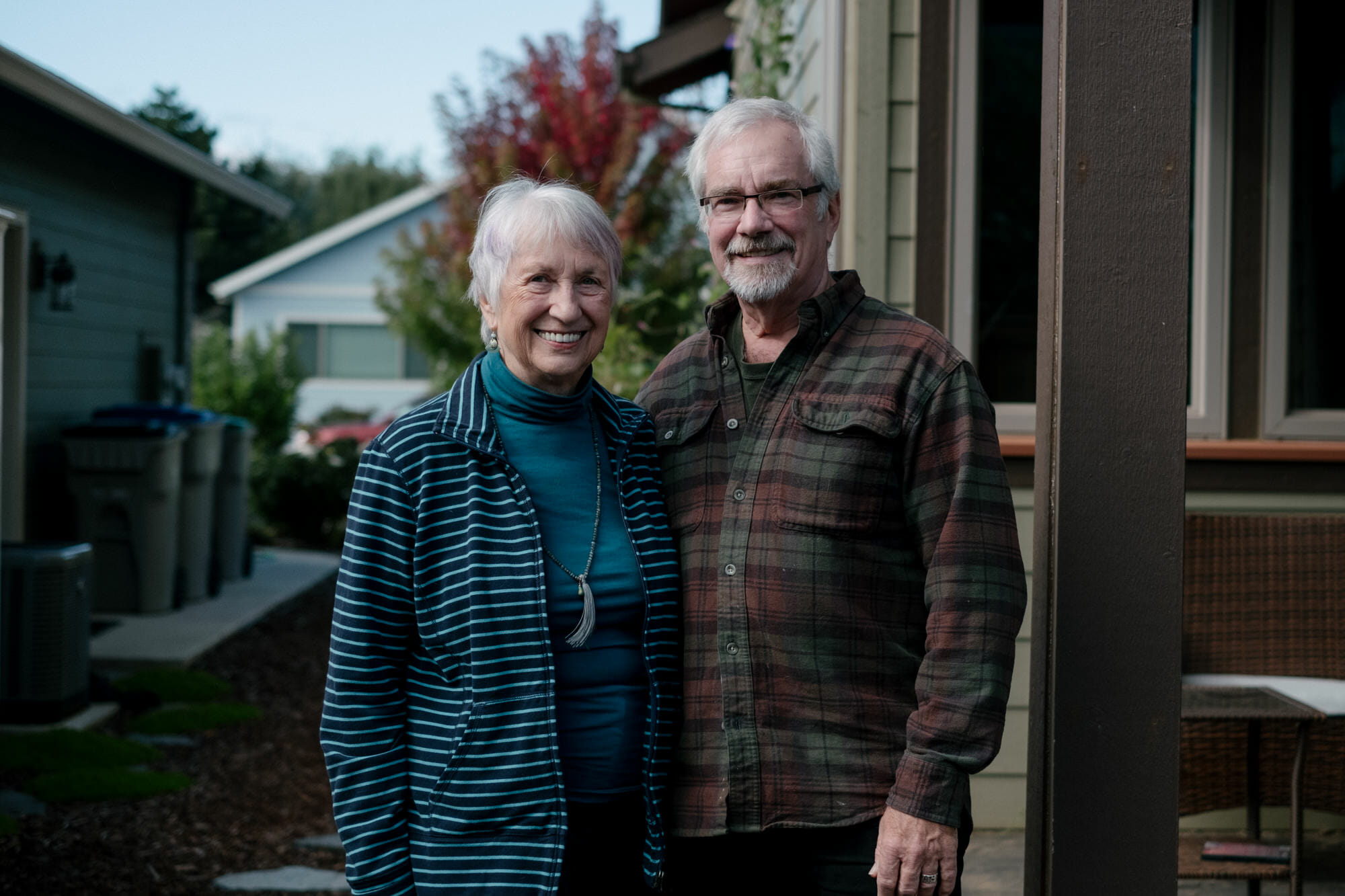
Dick & Bonnie: Finding Recovery, Connection, and Community Through Plum Village Buddhism
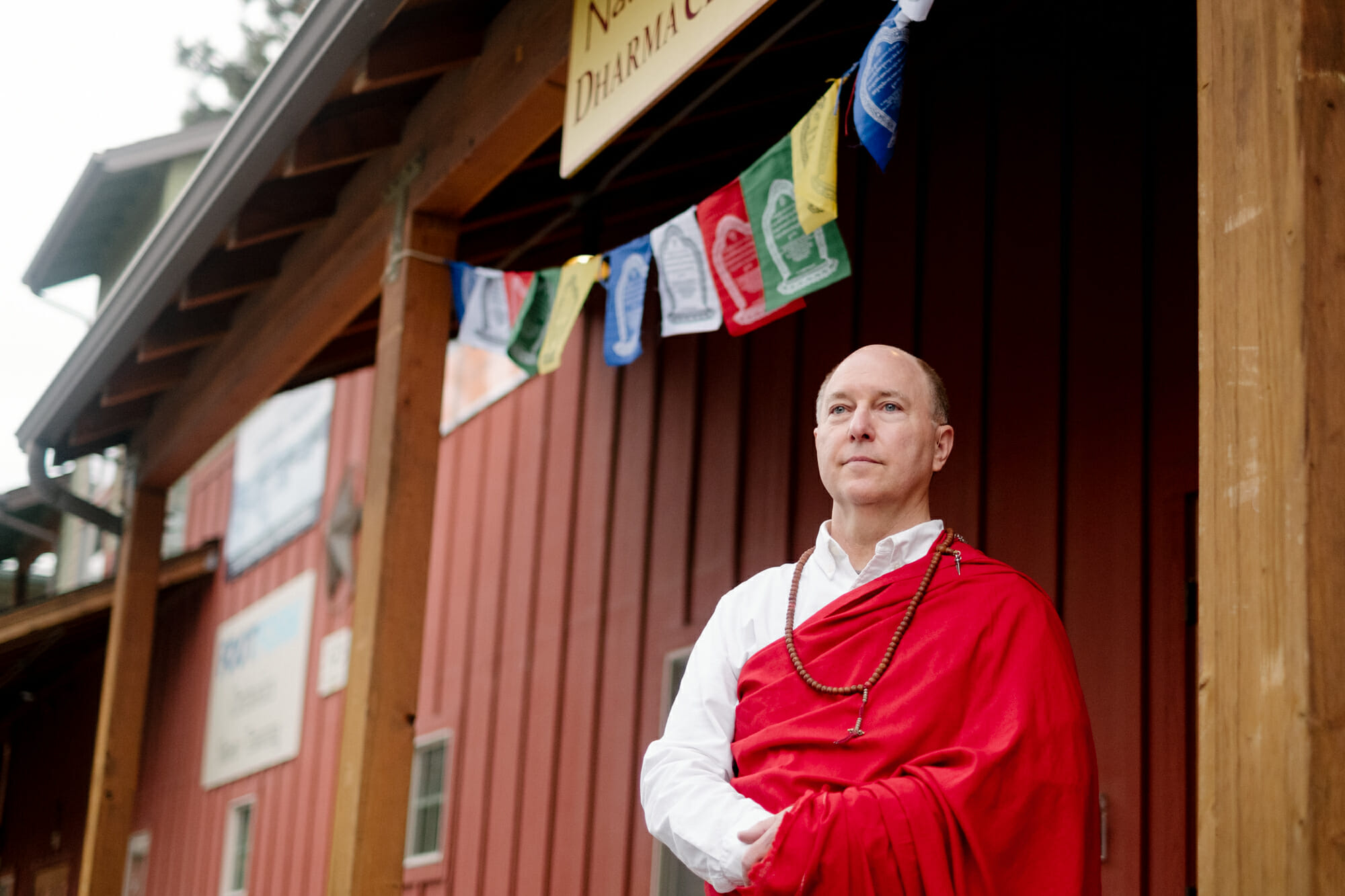
Michael: From Yoga to Tibetan Buddhism — Preserving the Depth of Practice in the West
Dottie’s Journey: From Christianity to a Buddhist Life of Practice, Impermanence, and Rebirth
Genjo: Zen Practice, Lineage, and Bringing Awakening Into Everyday Life

Aaron’s Journey Through Zen, Yoga, and the Transformative Power of Buddhist Retreat