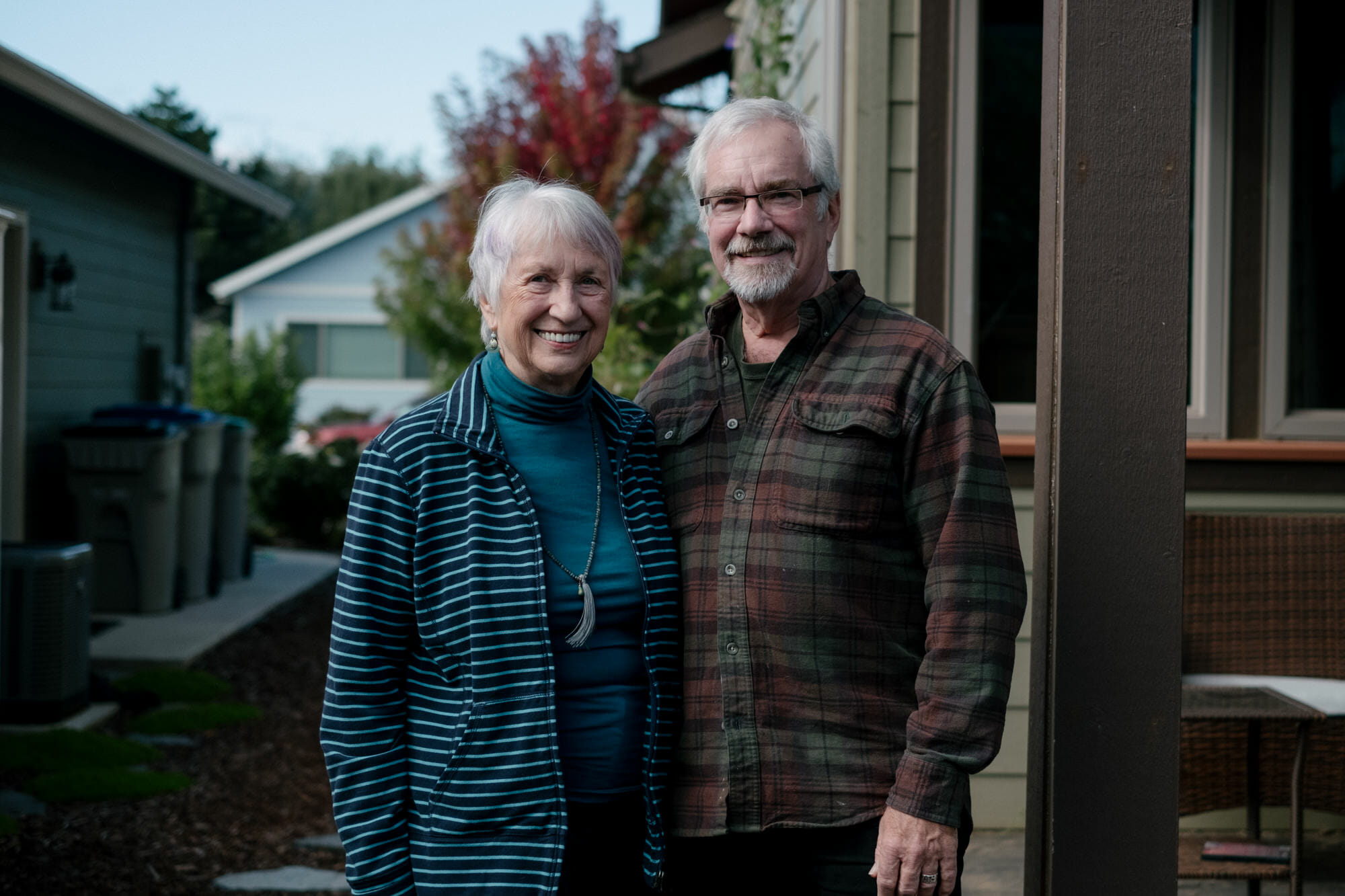
Dick and Bonnie
Hood River, OR
Dick and Bonnie’s journey into Buddhism began with a moment of profound change. When Dick entered recovery from alcoholism, he discovered a mindfulness-based recovery group rooted in the Plum Village tradition of Thich Nhat Hanh. What began as a search for healing soon became a shared spiritual path. Together, Dick and Bonnie found a form of Buddhism grounded not only in meditation, but in everyday life—deep listening, mindful breathing, compassionate communication, interbeing, and the support of sangha.
Drawing on Dick’s Baptist roots and Bonnie’s Unitarian Universalist background, they see Buddhism not as a rejection of their past, but as an expansion of it. Through Plum Village teachings, their relationship with one another and their community has deepened, while Dick’s work bringing mindfulness and meditation into recovery programs and correctional settings reflects Thich Nhat Hanh’s vision of engaged Buddhism: taking practice beyond the cushion and into the places where compassion is most needed.
Their story reveals how Buddhist practice can quietly transform a life—not by separating us from the world, but by teaching us to listen more deeply, respond rather than react, recognize our interdependence, and discover that healing is something we rarely have to do alone.
Background
In 2010, Dick found himself trapped in a decades-long struggle with alcoholism, keeping his addiction hidden from loved ones, including his wife Bonnie. Overcoming shame, Dick decided to seek help, entering detox voluntarily. Initially resistant to traditional twelve-step programs like Alcoholics Anonymous (AA), he and Bonnie discovered the Recovery Group, which embraced mindfulness practices and meditation as an alternative approach.
Despite a typographical error indicating it was an eleven-step meeting, Dick attended the local mindfulness center, where he found solace in the 11th step of a twelve-step program. The supportive community, meditation sessions, and reflective silence resonated with him, and he felt a connection with “his people.” Excitedly, he shared the discovery with Bonnie, who remembered a positive experience with a mindfulness workshop a year prior.
Bonnie, familiar with the close connection between Buddhism, particularly Thich Nhat Hanh style, and Unitarian Universalists, eagerly joined Dick in exploring the mindfulness center. The center’s leader, Paul Norden, had previously conducted a workshop that resonated with Bonnie, creating a 70% overlap between their beliefs.
The following Sunday, Dick and Bonnie attended the two-hour program at the mindfulness center, involving sitting and walking meditation, as well as engaging with text passages. The comfortable atmosphere and the model of the program instantly appealed to both of them, marking the beginning of their journey towards recovery and mindfulness.
Learn more
Dick and Bonnie’s story goes far beyond how they first discovered Buddhism. What began as a search for support during recovery gradually became a shared exploration of what it means to bring practice into the whole of life—into marriage, community, service, conflict, and even the smallest routines of an ordinary day.
Through the Plum Village tradition of Thich Nhat Hanh, they found practices that were simple enough to live and deep enough to keep unfolding. They reflect on gatha practice—short mindfulness verses that transform meals, meditation, and everyday activities into opportunities to return to awareness. They speak about sitting together each evening, learning to pause before reacting, and discovering how listening can sometimes create more change than pushing harder or speaking louder.
Their experience also raises a larger question about spiritual identity. Dick carries forward elements of his Baptist upbringing, while Bonnie recognizes a natural affinity between Buddhism and her Unitarian Universalist background. Rather than seeing Buddhism as something that required them to discard what came before, they discovered a path of integration. “You don’t have to toss anything away. You can add to, expand, and grow with it.”
Their reflections move outward as well. Dick shares how mindfulness and meditation entered his work with people in recovery and within correctional settings, while both explore Thich Nhat Hanh’s vision of engaged Buddhism—practice that does not end when we leave the cushion.
At the center of their story is sangha: the possibility that awakening is not simply an individual pursuit, but something cultivated together.
Register to continue Dick and Bonnie’s profile and explore their reflections on Plum Village practice, recovery, gathas, engaged Buddhism, sangha, relationships, and bringing mindfulness into everyday life.
Share This Story, Choose Your Platform!
Other Portraits
Guo Yuan Fashi: Finding Clarity Through Chan Buddhism and the Quiet Power of Everyday Practice
Jogen: Living Zen Beyond the Cushion — Practice, Monastic Life, and the Path of Awakening
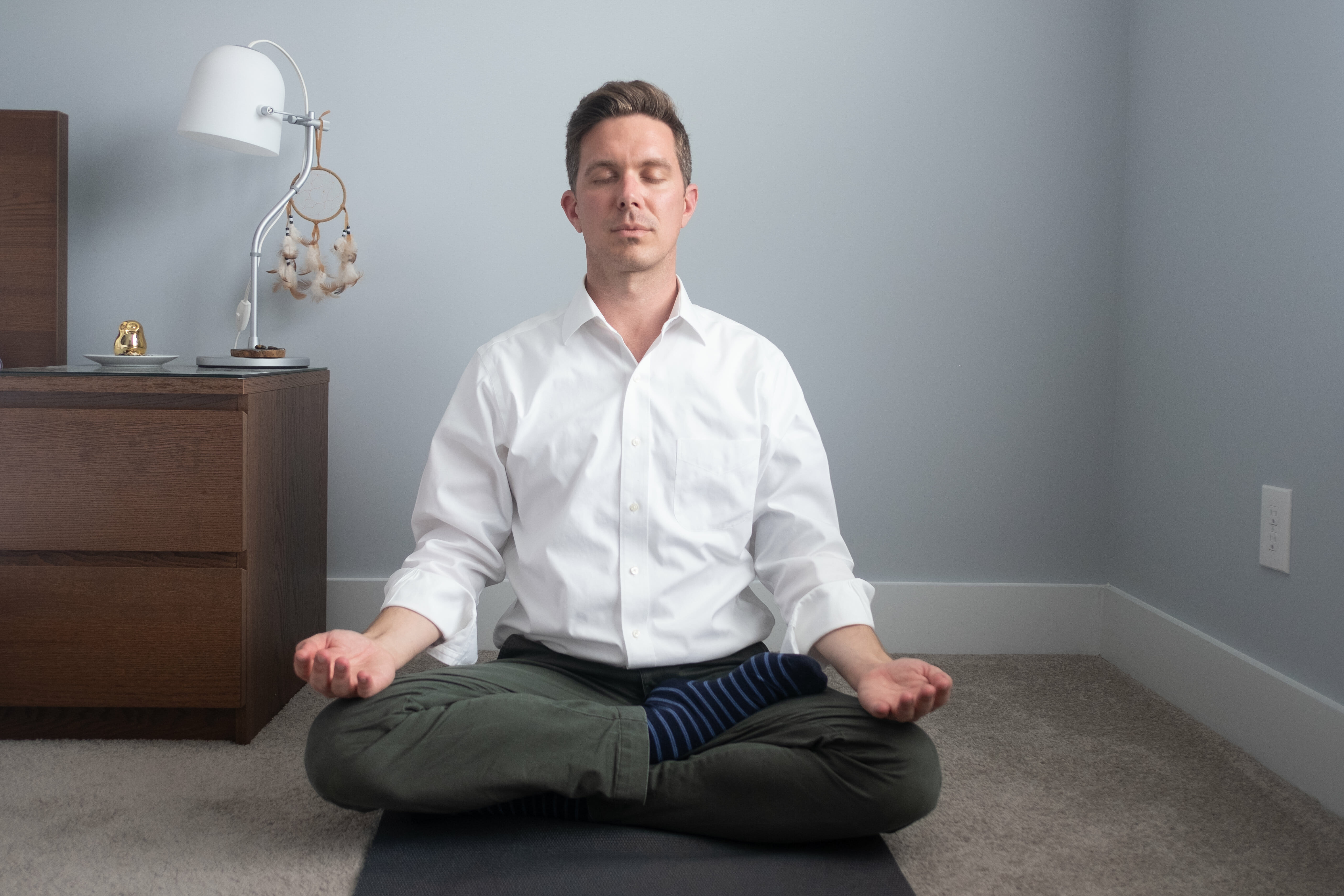
Ryan’s Journey into Insight Meditation | Finding Freedom Through Dharma, Recovery & Community
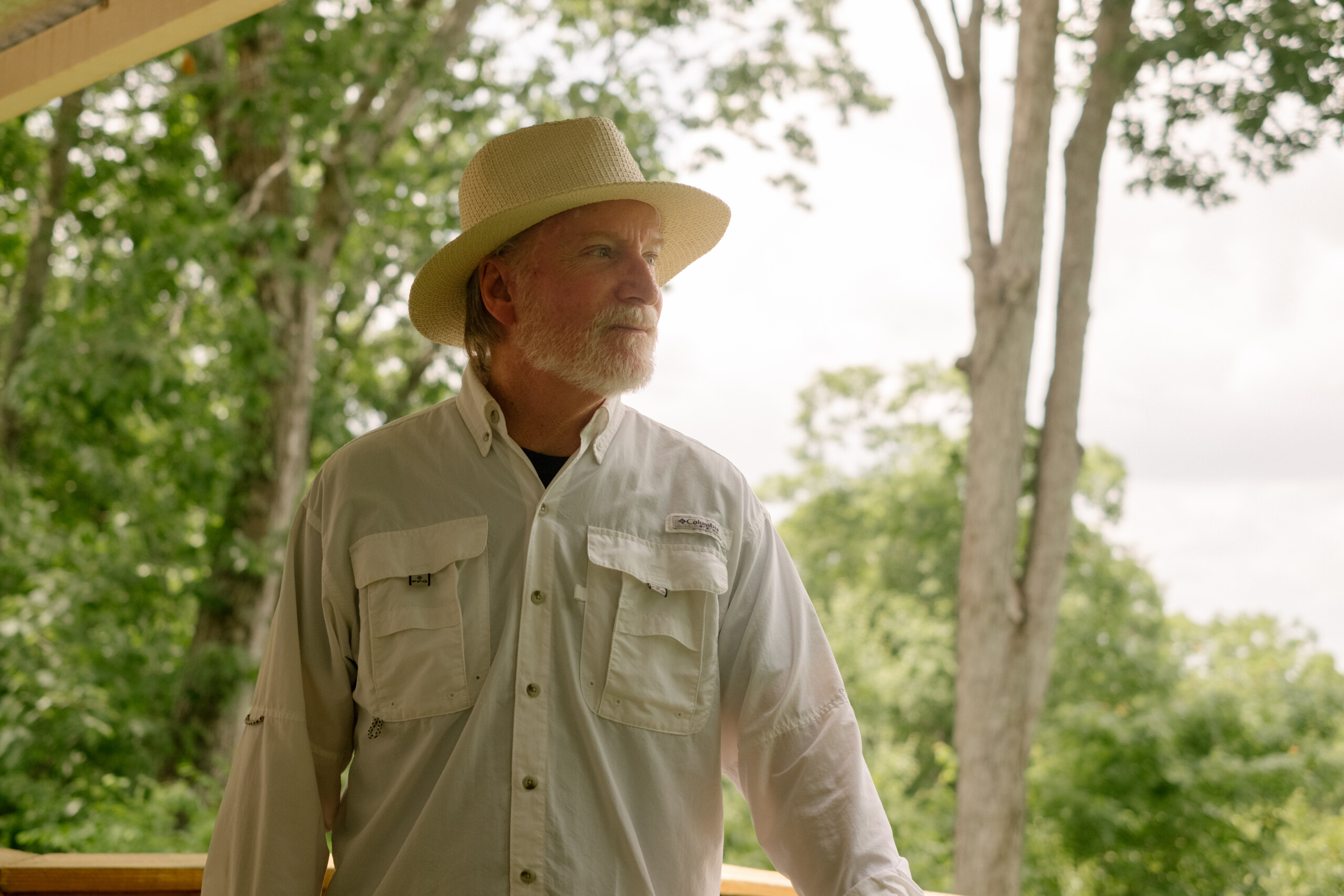
Mark G: How Insight Meditation Transforms Everyday Life
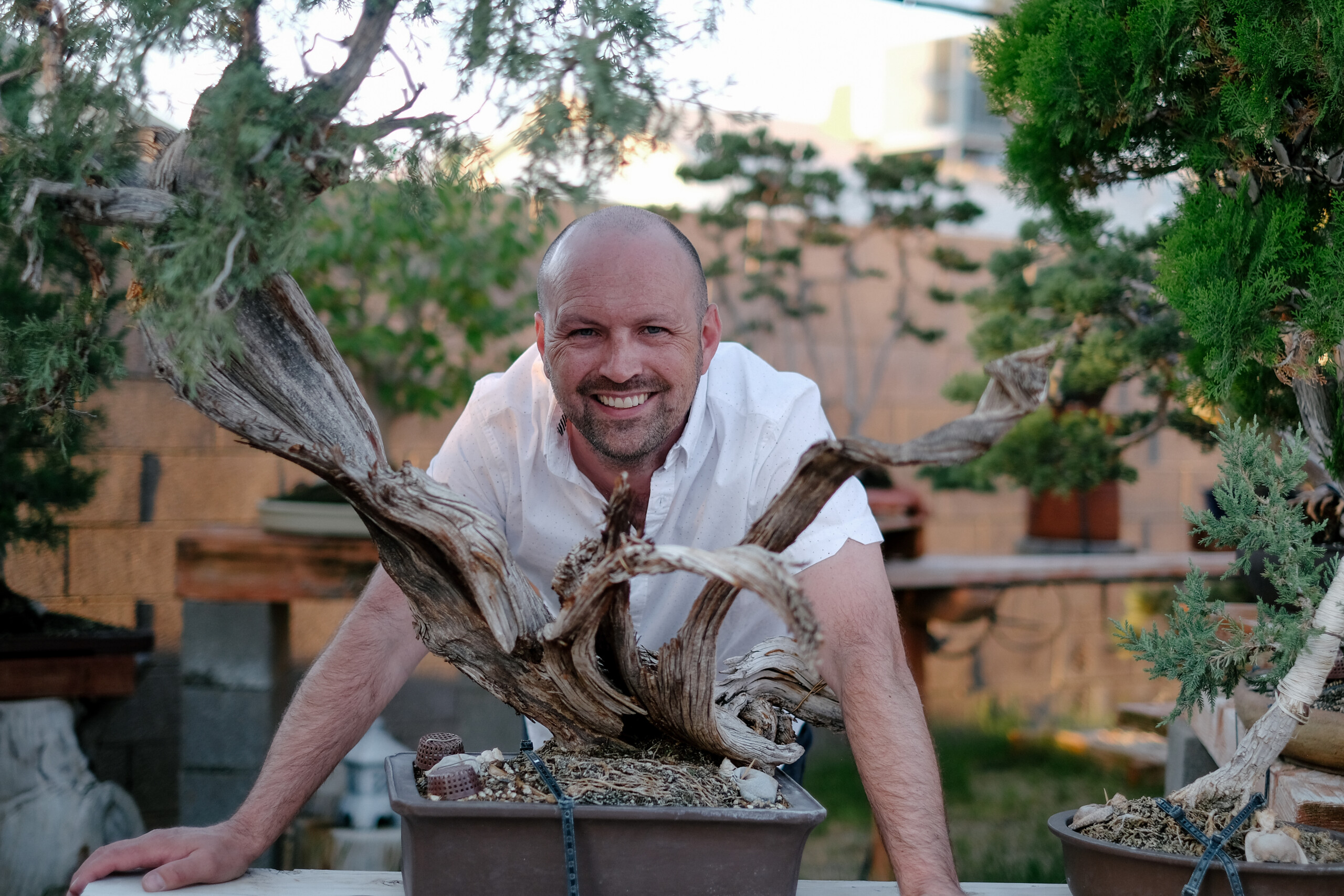
Josh: Finding Freedom Through Zen Practice, Lineage, and Daily Meditation
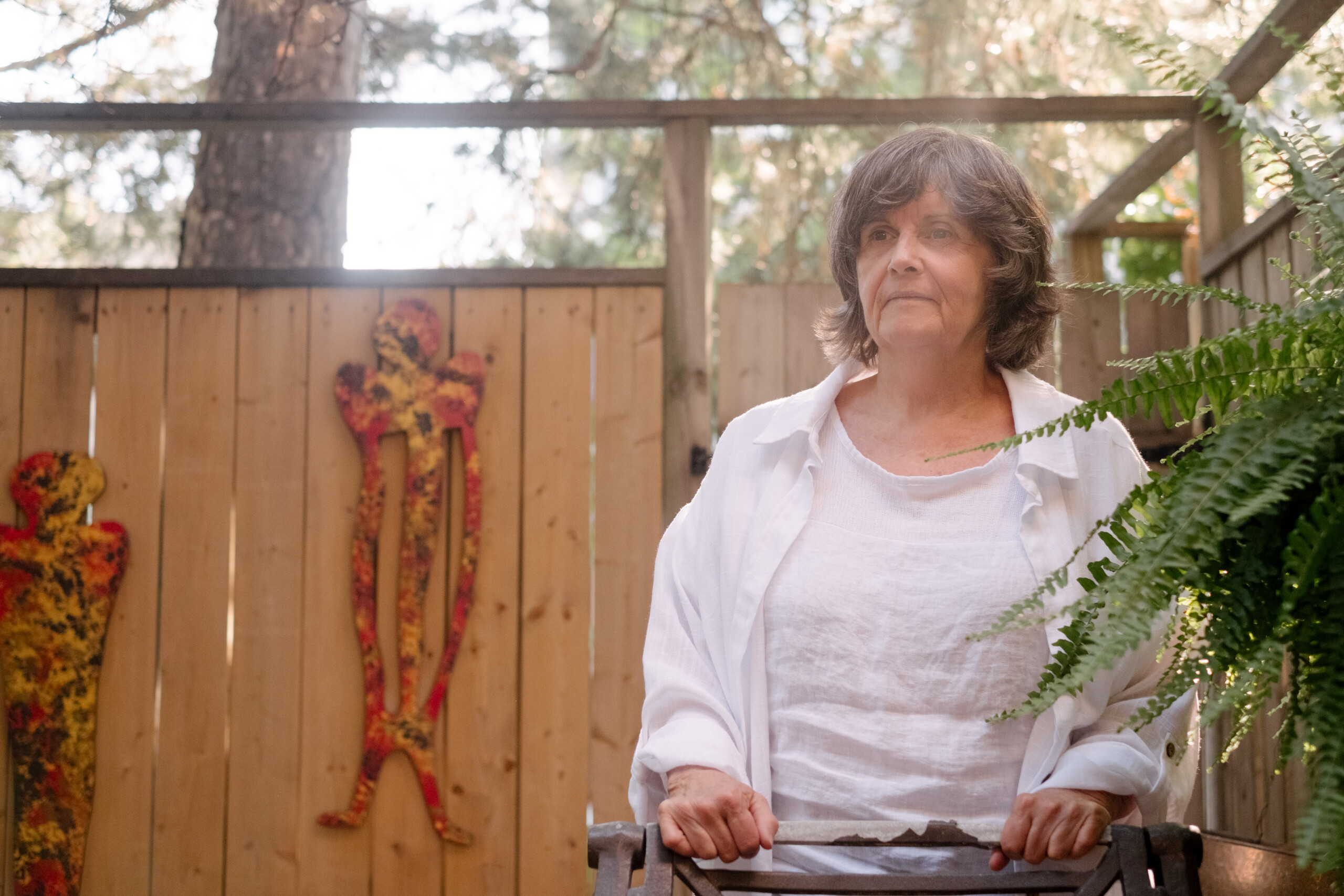
Cynthia’s Buddhist Journey: Healing Trauma Through Vajrayana Practice
Mingo’s Journey: How Insight Meditation Transformed Anxiety into Presence
Kalpana: From Medicine to Won Buddhism | Finding Peace Through Presence, Healing & Impermanence
Joe: How Taking Refuge and Clear Buddhist Teachings Transformed His Life