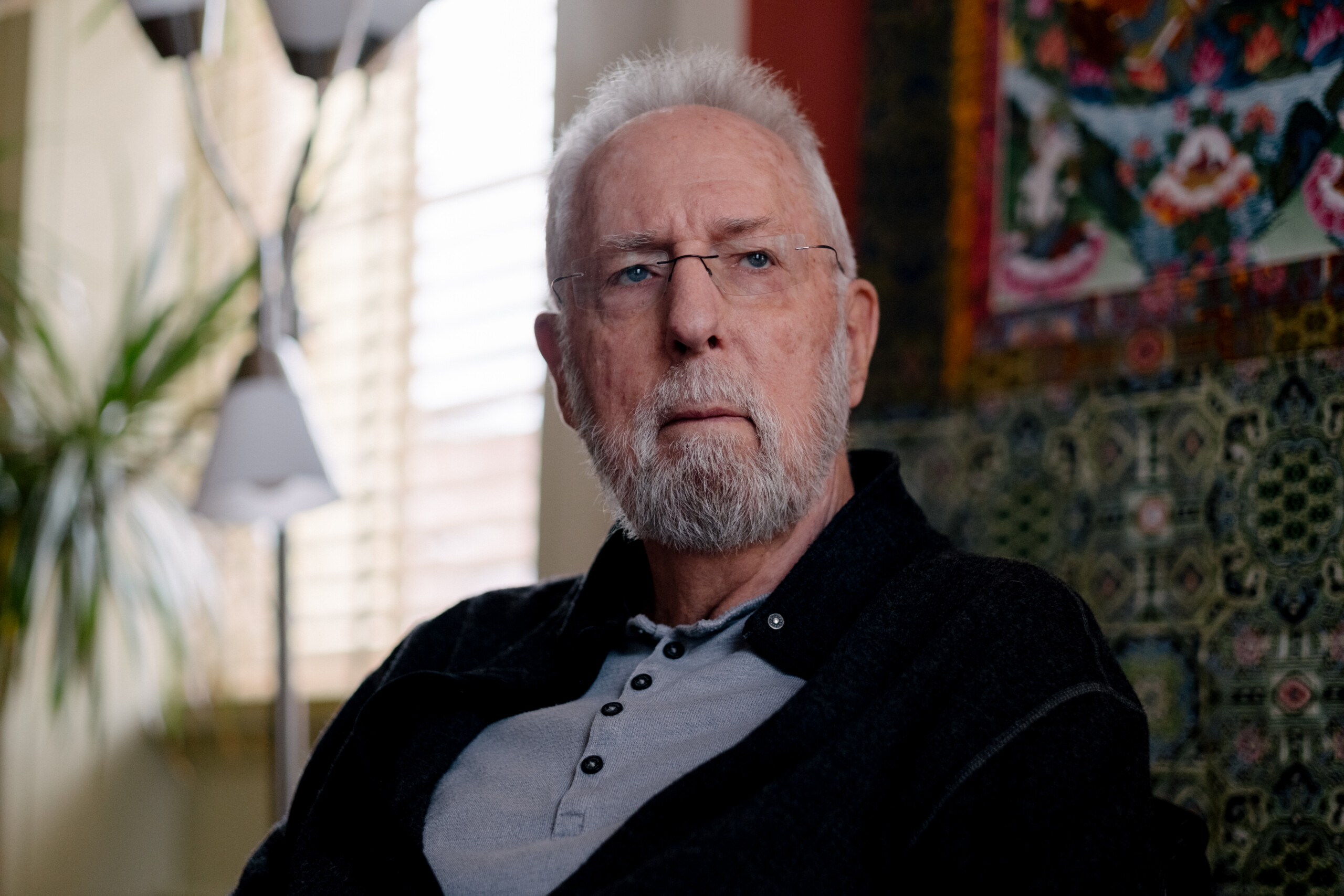
Zselyke
Chicago, IL
For Zselyke, Buddhism was part of life long before she consciously chose it as her path. Raised in Finland by parents deeply involved in Diamond Way Buddhism, she grew up surrounded by meditation, Sangha, visiting teachers, and summer courses across Europe. She took refuge with Lama Ole Nydahl at just eight years old, yet her relationship with Buddhism was never forced. As a teenager, she stepped away from practice before eventually returning on her own terms—transforming something inherited from her family into a deeply personal commitment.
Through meditation, Ngöndro, retreats, service, and years of involvement with the Diamond Way community, Zselyke began to discover what sustained practice could offer. Her experiences at the Europe Centre in Germany—meditating, receiving teachings, volunteering, and even helping cook for thousands of practitioners—revealed how Dharma can move beyond the cushion and become part of how we work, serve, and relate to others. For her, Buddhist meditation is ultimately not simply a technique for relaxation or stress reduction. It is a path toward seeing the mind and the impermanence of experience more clearly.
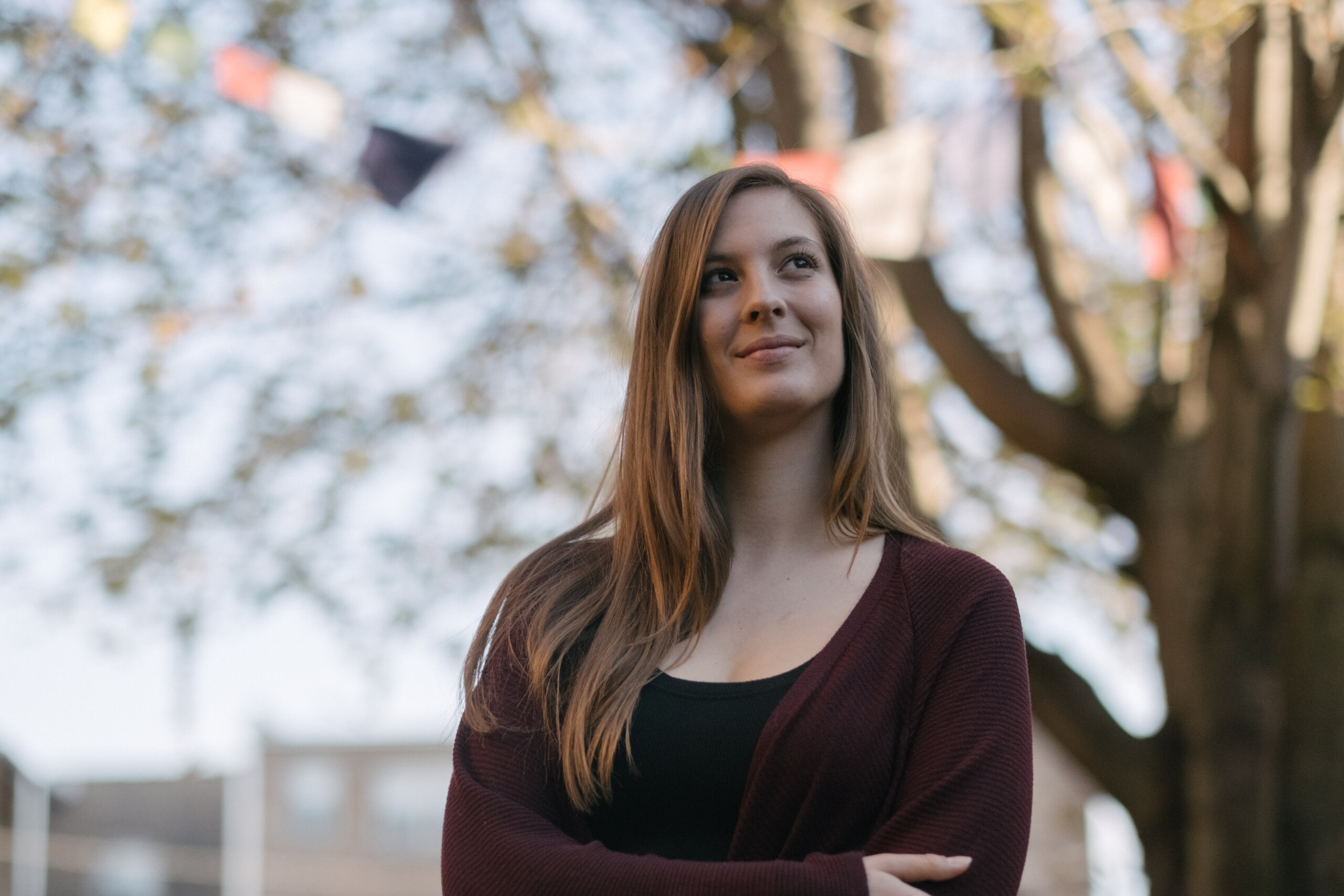
Background
Zselyke’s upbringing was unique, shaped by her parents’ role as time practitioners. Her parents, who first encountered Lama in 1994, were among the few Diminué practitioners in Finland when the family moved there when Zselyke was four. In Helsinki, her parents played a crucial role, hosting meditations and storing Sangha’s statues. Zselyke vividly recalls her childhood spent in this environment, where she and her brother would join in the meditation sessions.
The family’s connection with Lama deepened as he occasionally stayed in their home during visits to Finland. At the age of eight, Zselyke, inspired by a strong desire for refuge, took refuge in La Mollet, her root lama. The memorable ceremony unfolded in their living room, marking a significant moment in her spiritual journey.
Zselyke and her family actively participated in empowerment sessions with various high lamas like Show Marian Butcher and Shrub Yards, experiencing a balanced mix of play and meditation. Summers were spent traveling with her parents, attending different meditation courses. Returning to school, Zselyke and her brother faced the challenge of explaining their unique experiences, contrasting with typical vacations as they camped in Poland for these courses within their lineage.
The narrative captures Zselyke’s unconventional and spiritually enriched childhood, marked by a deep connection to time practitioners and significant moments in her spiritual growth.
Voice & Presence
featured narrative
On Practice
Zselyke embarked on her meditation journey by taking refuge at the age of eight, but it wasn’t until her late teens that she fully embraced the practice. After a hiatus from courses and meditation during her early teens, she rediscovered her connection with the Sangha at around 16. Initially drawn to the social aspect, Zselyke gradually immersed herself in the practice, attending courses and meditating with the Sangha.
At 17 or 18, she decided to start an Ngondro, driven by her commitment to Buddhism. This decision marked a pivotal moment, pushing her to delve into a more committed meditation practice. Initiating her Ngondro involved overcoming challenges, including a prolonged six-year journey of frustrations, a practice she found personally challenging. Zselyke struggled to establish a daily meditation habit, partly due to a lack of peers with similar pursuits and the demands of college life.
Relationships
Zselyke’s love story with her now-husband unfolded during a meditation course at Carmageddon, a retreat center in southern Spain. Introduced by a common friend, their instant connection quickly blossomed into a relationship that felt as though they had been together for six months within just ten intense days of the course.
Application
Zselyke reflects on the significance of meditation in her life, noting that it’s not just for later years but can be beneficial for young adults. She sees Buddhism as a toolbox providing solutions for life’s challenges and emphasizes the importance of forming habits and dedicating time to practice during the energy-filled years of youth.
Diamond Way
In reflecting on the Diamond Way community, Zselyke emphasizes the driving force of desire and joy among its members. The community is diverse, consisting of individuals of various ages and professions, united by a shared motivation for self-improvement. Zselyke underscores the significance of spending time together as a Sangha, both in formal meditation sessions and casual interactions, which strengthens the bonds and mutual inspiration among practitioners.
Discussing the role of the Lama, Zselyke acknowledges the pivotal role they play in Tibetan Buddhism and highlights the accessibility of their Lama, making it possible for them to see him regularly. The experience of being in the Lama’s presence is described as joyful and empowering, motivating practitioners to maintain that feeling at home and integrate it into their daily lives. The challenge lies in preserving the sense of joy and connection even when away from the Lama. Zselyke shares insights gained from a friend who emphasized the practitioner’s role in sustaining that joy beyond the events.
With the current limitations on direct access due to the pandemic, Zselyke acknowledges the different dynamics but notes the continuation of courses where the community can still experience the powerful sense of joy and connection, even without the physical presence of the Lama. She sheds light on the Lama’s focus on imparting Mahamudra teachings and streamlining Buddhist practices, avoiding unnecessary cultural aspects.
In summary, Zselyke emphasizes the community’s unity through shared desires, the importance of the Lama’s presence, and the ongoing efforts to maintain a sense of joy and connection within the community, both during events and in everyday life.
Other Practices
Zselyke reflects on the main Buddhist practices within her community, highlighting nundra as the primary focus. She briefly mentions other occasional practices, such as the Medicine Buddha meditation for healing and the Loving Eyes meditation, emphasizing compassion, which became more prevalent during the early stages of the pandemic.
One significant meditation in Zselyke’s life is Phowa, the meditation on conscious dying. She describes its importance, noting that practitioners can also perform Phowa for others after they pass away, especially if they had a connection with their teacher or Diamond Way. Zselyke appreciates the communal aspect of performing Phowa together with Sangha when someone has passed away. She acknowledges the ritualistic nature of the practice, involving a gathering of friends for a meditation dedicated to the departed individual. Despite the potential sadness of loss, the understanding of reincarnation brings a sense of joy to the ceremony, and Zselyke expresses gratitude for having and sharing this practice.
Learn more
Registration is required to view the complete profile and support the project.
Share This Story, Choose Your Platform!
Other Portraits
Bryn on Beginning the Buddhist Path | Consistency, Sangha, and Everyday Practice
Indigo: Embodying Buddha Nature Beyond the Cushion
Kyle’s Journey into Plum Village Buddhism | Finding Peace Through Mindfulness and Community
Dick & Bonnie: Finding Recovery, Connection, and Community Through Plum Village Buddhism
Sensei Michael: Making Zen Accessible for Modern Life Through Direct Experience
Alex M | From Mindfulness to Zen: Integrating Buddhist Practice into Life and Leadership
Ani Pema on Compassion in Action: A Modern Vajrayana Path to Resilience and Transformation
Ryan’s Journey into Insight Meditation | Finding Freedom Through Dharma, Recovery & Community
Lennell on Won Buddhism, Psychology, and the Path to Self-Transformation