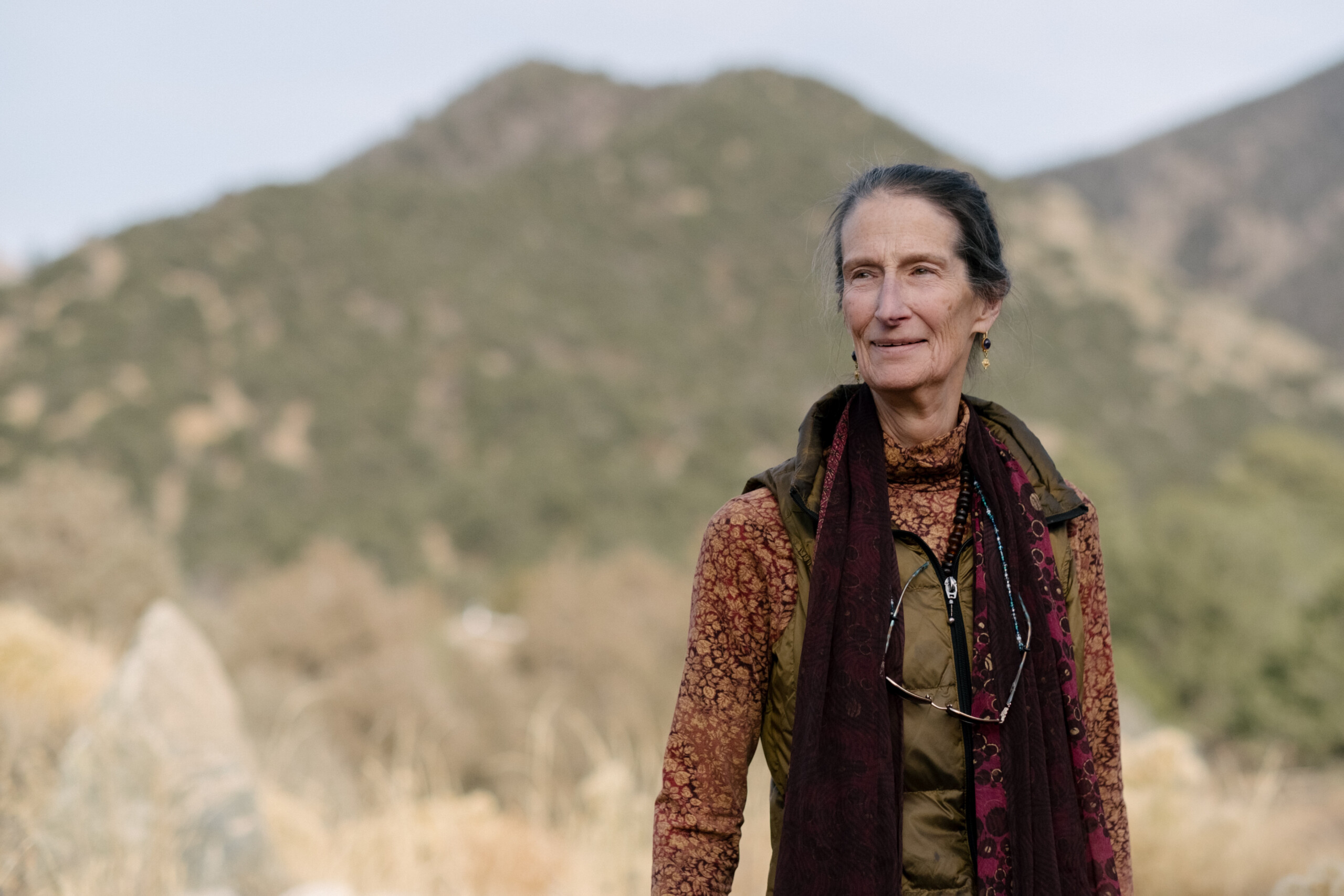
Melissa’s Buddhist path weaves together Vajrayana practice, artistic expression, motherhood, pilgrimage, and decades of connection with Tibetan Buddhist teachers. Drawn especially to the Nyingma and Sakya traditions, she reflects on the importance of lineage, devotion, somatic awareness, shamatha meditation, and the Longchen Nyingtik preliminaries. Her story explores how Buddhist practice moves beyond the meditation cushion and into the realities of family life, creative work, teaching, and everyday challenges. Through trust in her teachers, direct experience, and an evolving relationship with the body, Melissa offers a deeply personal perspective on what it means to sustain an ancient spiritual tradition within contemporary life.
Phyllis: Embodying Vajrayana Buddhism Through the Tara Mandala Dance
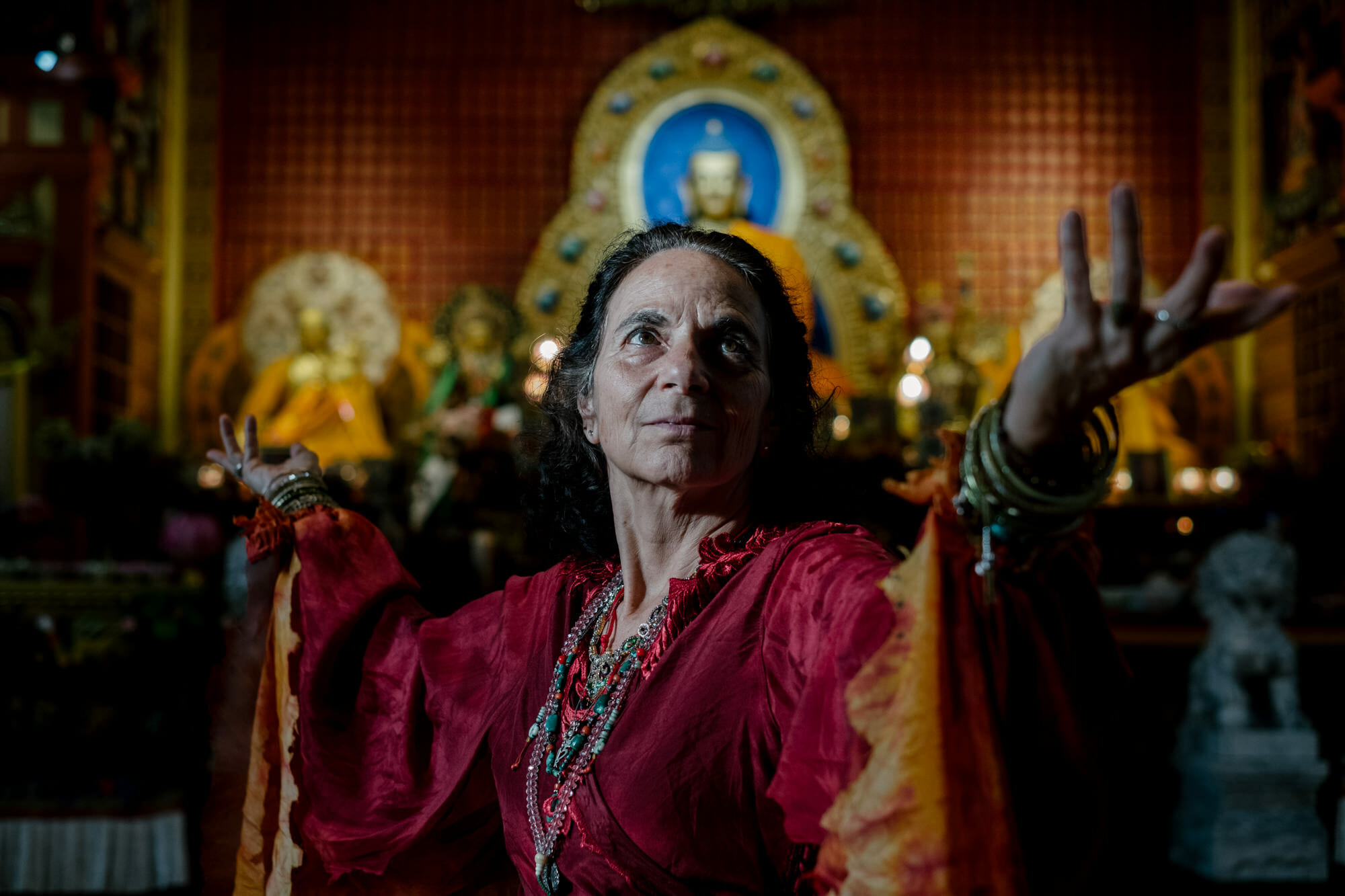
ronak2026-09-11T23:29:38+00:00For Phyllis, Vajrayana Buddhism became meaningful not simply as a philosophy, but as an embodied spiritual path. Drawn naturally to movement, dance, yoga, ritual, and devotion, she discovered a way of practicing that brought the Dharma out of the realm of ideas and into the body. Her connection deepened through the Mandala Dance of the 21 Praises of Tara, a Tibetan Buddhist practice weaving movement, visualization, mantra, creativity, and devotion together. After first witnessing the dance on a cliff in Kauai, Phyllis gradually found herself drawn into its mandala. What initially felt intimidating became a profound way of embodying Tara—the feminine expression of compassion, wisdom, protection, and awakened activity. Through years of practice, Phyllis has witnessed the Tara Dance touch people far beyond conventional meditation. For her, this is part of the beauty of Vajrayana: awakening does not have to remain confined to the meditation cushion. The body can become part of the practice, movement can become meditation, and creativity can become a doorway into transformation. Phyllis’s journey offers a vivid example of Buddhism lived beyond the cushion—where devotion becomes movement and the teachings are not simply understood, but embodied.
Karen’s Buddhist Journey: Zen, Creativity and the Art of Everyday Practice
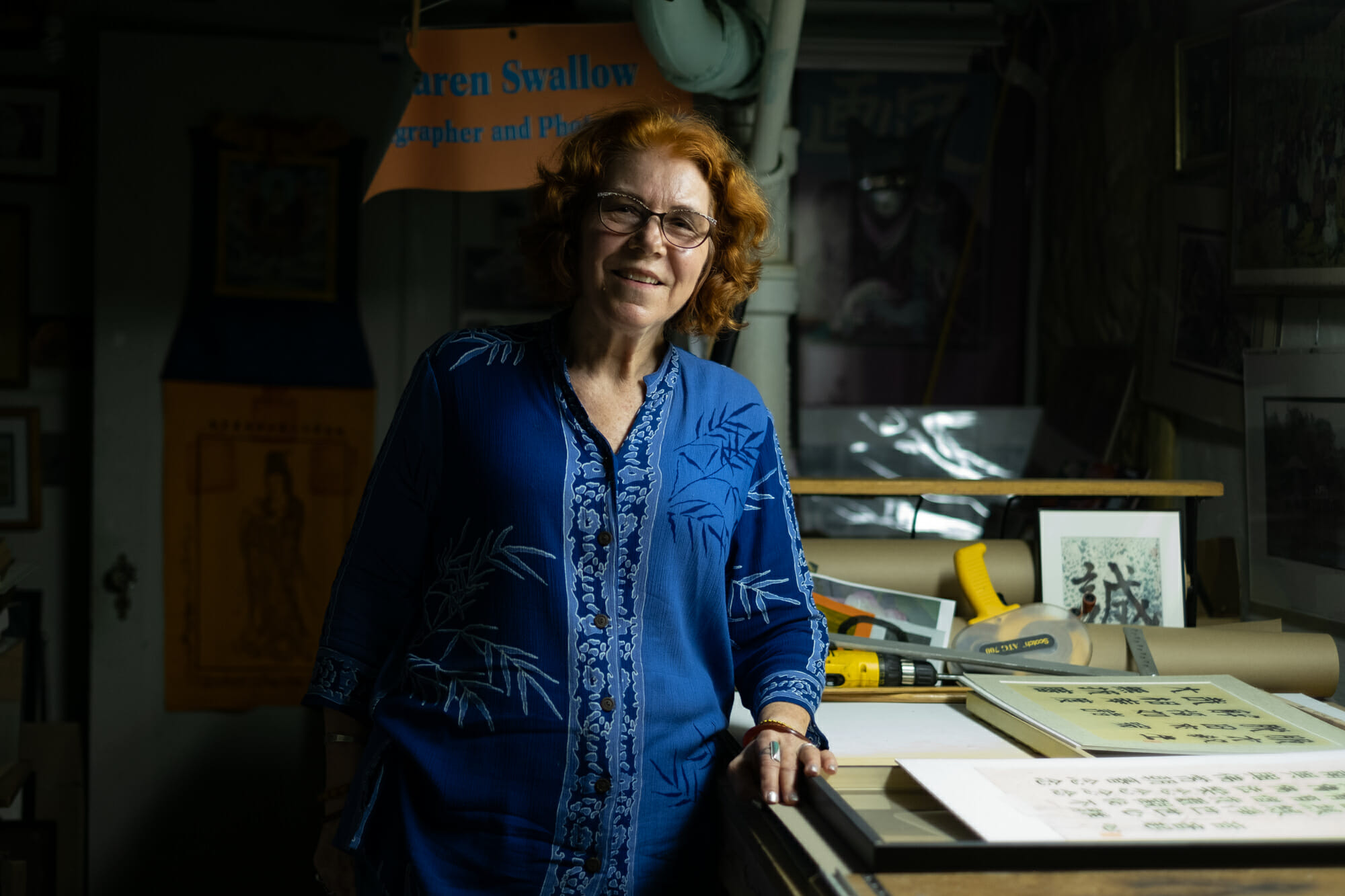
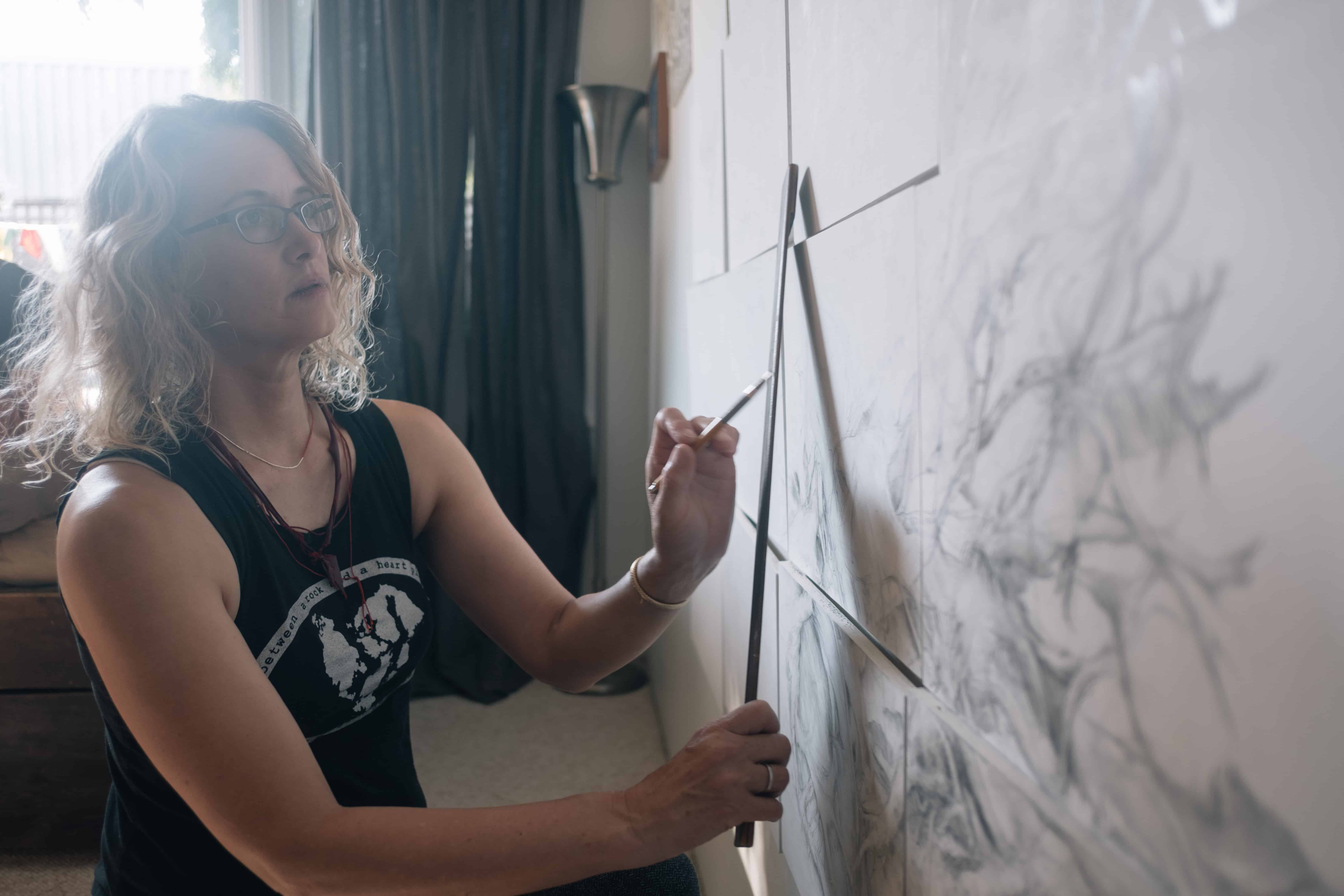
ronak2026-09-11T07:30:41+00:00Karen’s Buddhist journey reveals how Zen practice can move beyond the meditation cushion and become part of everyday life. Through mindfulness, Chinese calligraphy, ceramics, relationships, parenting, caregiving, and creative expression, she explores the freedom that comes from letting go of control and learning to trust the process. For Karen, art and Buddhist practice gradually become inseparable—both offering a way to meet impermanence, suffering, and uncertainty with greater presence, compassion, and openness.
Michael: From Yoga to Tibetan Buddhism — Preserving the Depth of Practice in the West
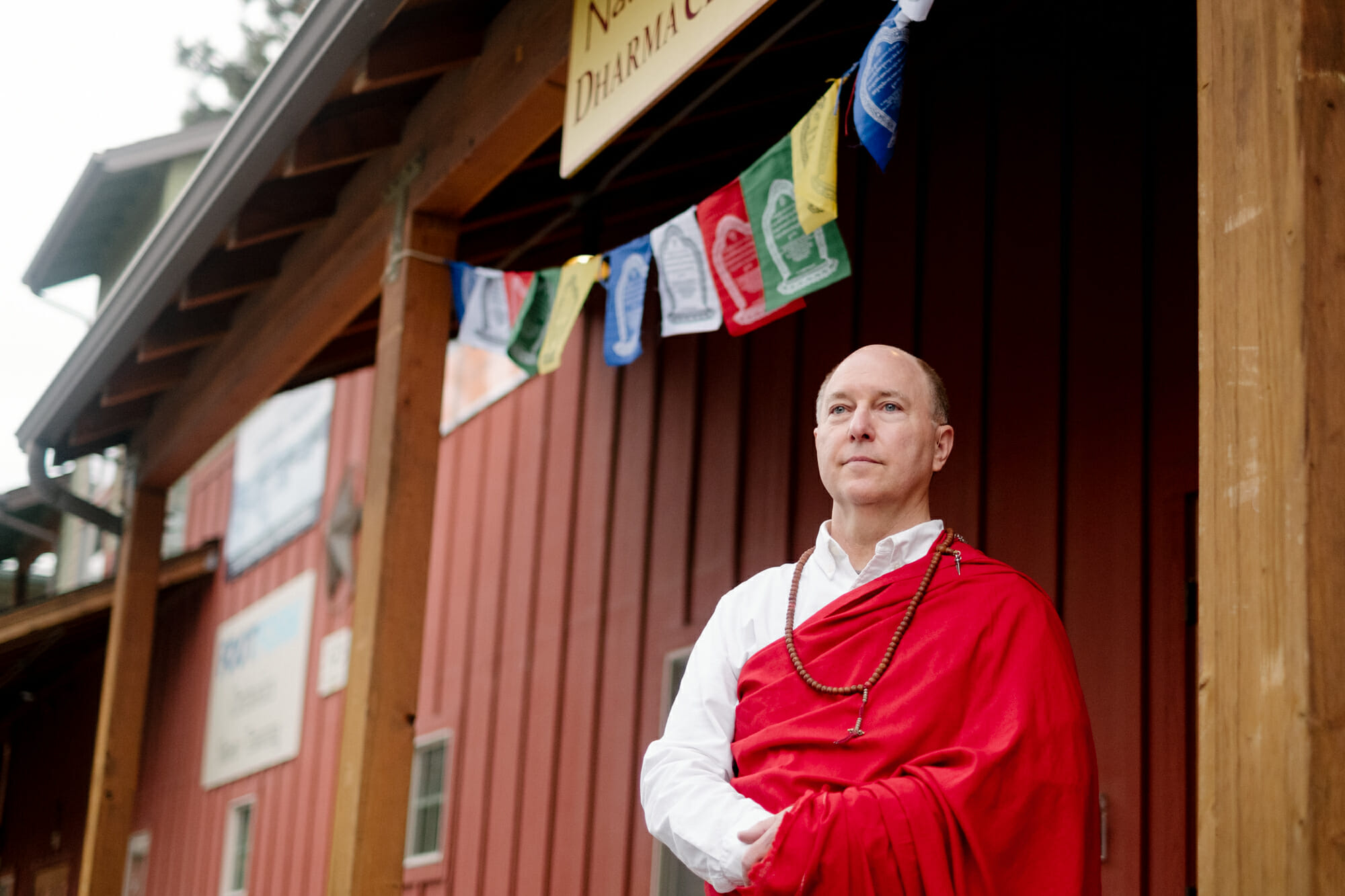
ronak2026-09-11T07:28:07+00:00Michael’s journey from yoga teacher to Tibetan Buddhist practitioner offers a revealing perspective on what happens when ancient spiritual traditions encounter modern Western culture. As a yoga teacher, he watched many students approach yoga primarily as physical exercise, while only a small number seemed interested in exploring its deeper spiritual dimensions. His experience became a powerful lens through which he now considers the future of Buddhism in the West. Michael sees a similar risk emerging as meditation, mindfulness, and Buddhist practices become increasingly accessible: teachings intended to challenge attachment and transform our relationship with the self can gradually be repackaged around comfort, wellness, and personal improvement.
Genjo: Zen Practice, Lineage, and Bringing Awakening Into Everyday Life
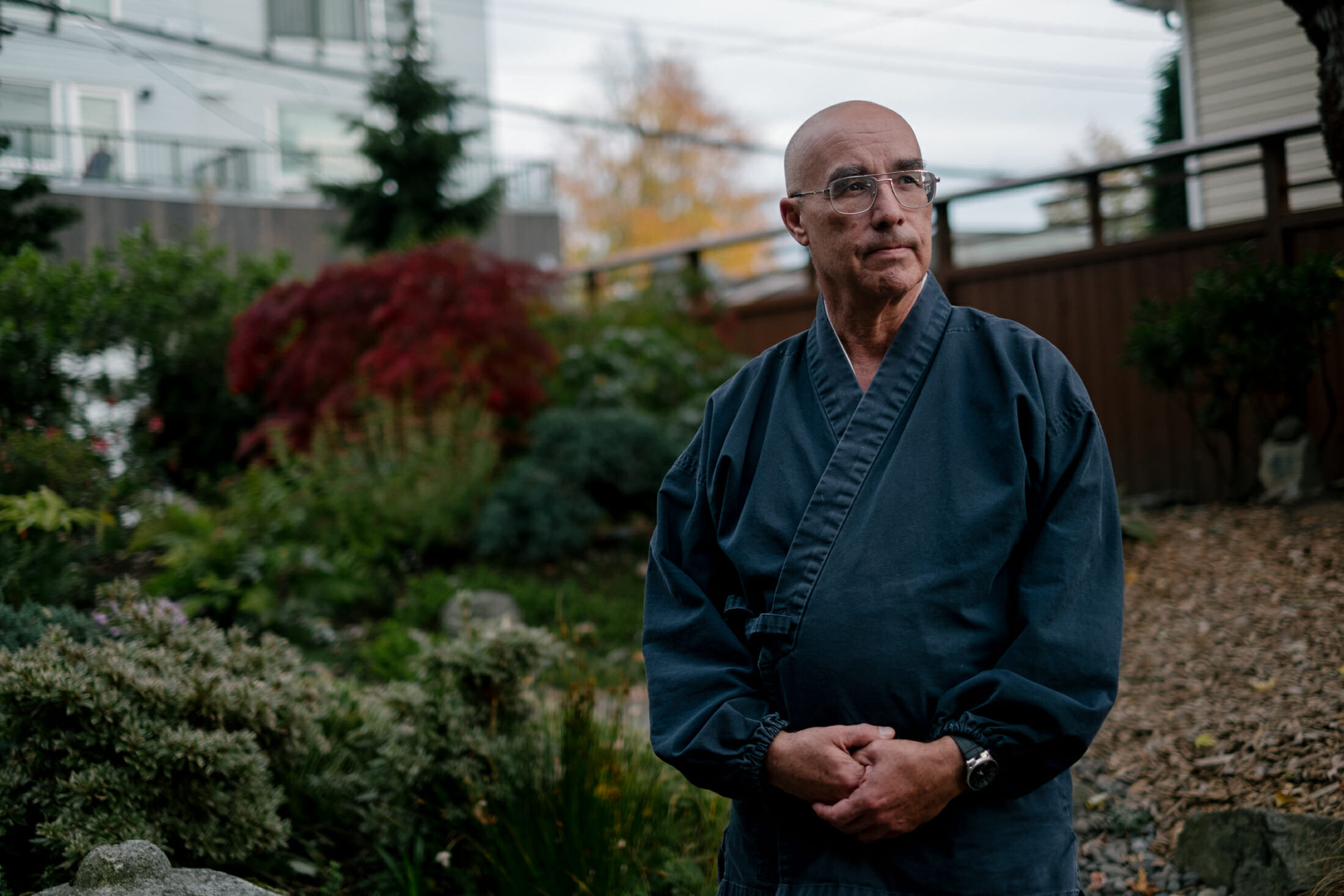
ronak2026-08-26T05:58:17+00:00Genjo’s journey into Zen began with skepticism and a search to understand the nature of existence. What he discovered was not a belief system, but a practice grounded in direct experience. Moving from Soto to Rinzai Zen, decades of meditation, retreats, koan study, teaching, and community engagement shaped his understanding that awakening cannot remain on the cushion. The meditation hall is the laboratory; everyday life is where the practice is tested. For Genjo, Zen means meeting ordinary life with awareness—through relationships, work, service, social responsibility, and the inevitable difficulties of being human. His approach also challenges the idealization of spiritual teachers, emphasizing that teachers are human and that life itself ultimately becomes our greatest teacher.
Zoe
ronak2026-08-13T14:47:00+00:00I faithfully, joyfully attended AA meetings for 5 years. During this time I searched for a teacher of meditation. In 1980 I met the 16th Karmapa as above and then Khenpo Karthar Rinpoche and began the Tibetan Buddhist Path, though I have a PhD in world religions and psychology I got during this time.
Alejandro: Bringing Tibetan Buddhism into Modern Life Through Science, Meditation, and Compassion
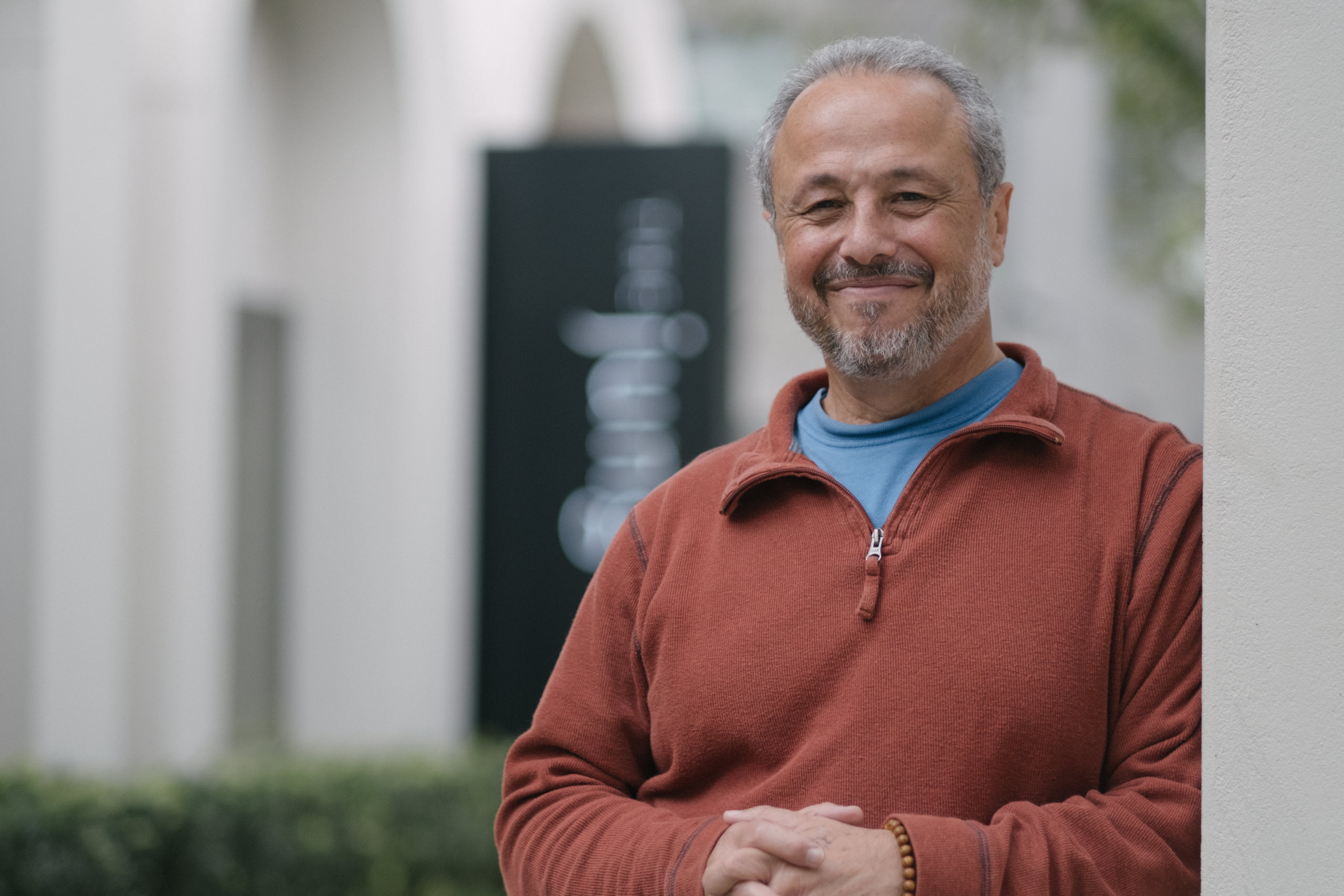
ronak2026-08-03T14:49:12+00:00Alejandro offers a compelling answer by bridging the wisdom of the Tibetan Bön tradition with contemporary life. A scholar, meditation teacher, and researcher, Alejandro has spent decades demonstrating how practices developed centuries ago can support modern challenges such as stress, illness, emotional resilience, and the search for meaning. Rather than presenting Buddhism as a religion to adopt, Alejandro teaches meditation as a universal method for understanding the mind. Whether leading traditional Dharma retreats, conducting research at MD Anderson Cancer Center, or teaching through The Three Doors, he adapts his language and methods to meet students where they are while remaining faithful to the integrity of his lineage. His approach reflects a deep respect for individual spiritual paths, emphasizing direct experience over belief and transformation over philosophy. Through his work, Alejandro demonstrates that authentic Buddhist practice can thrive in hospitals, universities, and everyday life without losing its depth. His teaching shows that timeless wisdom is most powerful when it is made accessible, practical, and deeply human.
Geshe Denma: Preserving the Ancient Bön Lineage for the Modern World
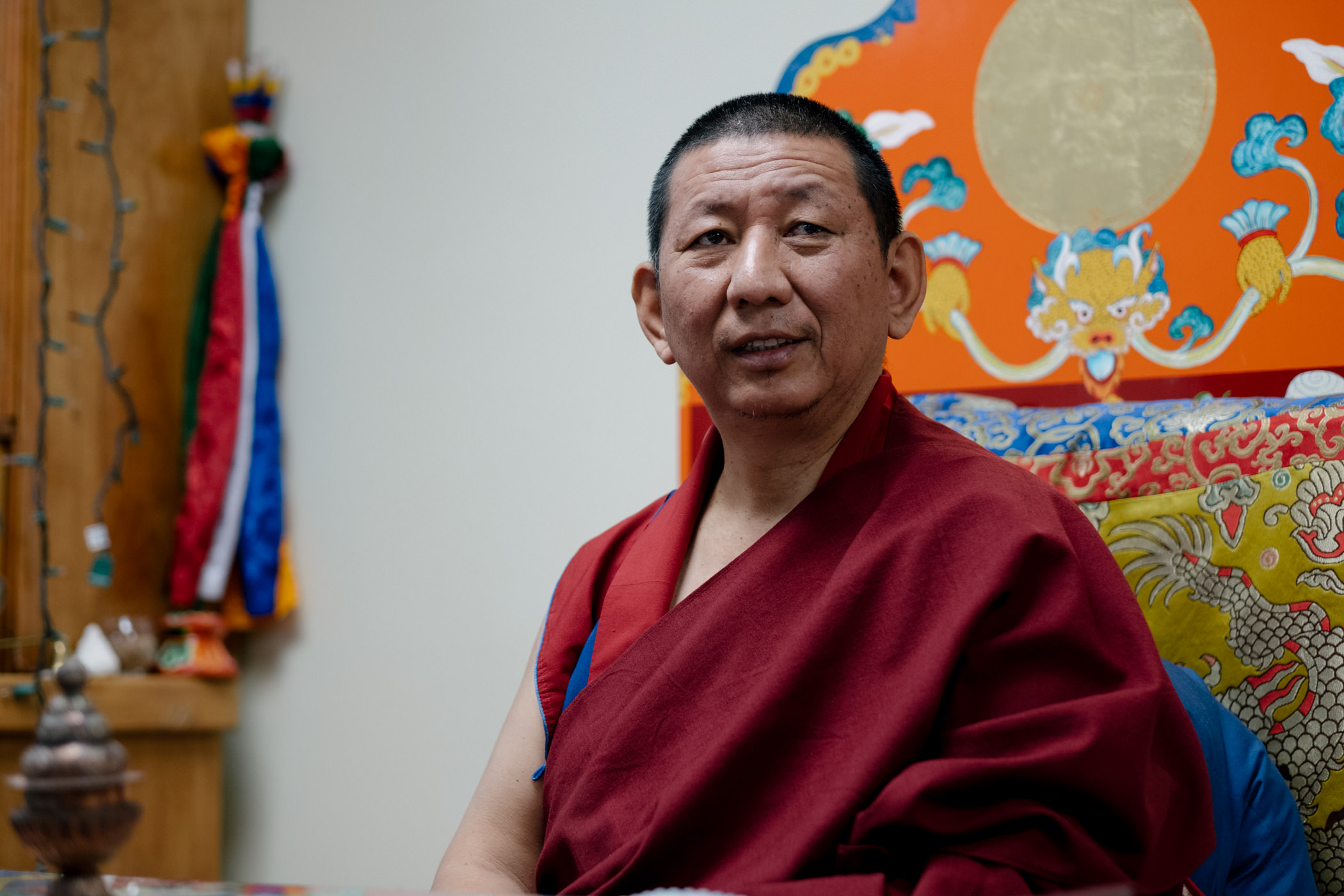
ronak2026-08-05T21:30:06+00:00Born in Nepal and trained for decades within the ancient Bön tradition, Geshe Denma has dedicated his life to preserving one of Tibet's oldest spiritual lineages while making its wisdom accessible to modern practitioners. From his years as a monastery abbot to his role as resident lama at Ligmincha Texas, he teaches timeless practices through a contemporary lens—simplifying teachings for busy lives, embracing online learning, and guiding students with compassion while remaining deeply rooted in authentic lineage. His insights into Dzogchen, healing practices, and the teacher-student relationship reveal how an 18,000-year-old tradition continues to transform lives in the twenty-first century.