Amber
Pine Bush, NY
Amber never set out to become Buddhist. Raised in a culturally Jewish family in New York, her search for meaning led her through yoga, heartbreak, and ultimately to an unexpected refuge ceremony in the Tibetan Buddhist tradition. Today, she shares how the Karma Kagyu lineage transformed her understanding of compassion, devotion, and daily practice. From yoga and Tara dance to meditation and service, Amber reveals how Buddhism reshaped every aspect of her life—turning suffering into purpose and discipline into freedom. Hers is a story of discovering that awakening isn’t found by escaping life, but by learning to meet it with an open heart.

Background
Amber, a native of New York, recounts her journey from a culturally Jewish but non-religious upbringing in the suburbs to a period of deep sadness and isolation in her twenties and thirties, despite outward success. Unfulfilled by material possessions, she decides to explore spirituality, embarking on a unique path that involves Airbnb-ing her apartment and living in a van on an ashram.
During this time, Amber begins to identify the seeds of sadness and happiness, delving into yoga and spending time on the ashram. Seeking more profound connections, she moves from chaotic Manhattan to peaceful Brooklyn. Her life takes an unexpected turn when she accompanies a friend to a monastery in Woodstock, where she unwittingly takes refuge in a Buddhist ceremony, marking the beginning of her Buddhist journey.
Amber’s transformative experiences continue as she attends retreats, encounters her first teacher, Kemper Tanjung Kampo ten, and embraces the practice of meditation. Despite initial awkwardness, she discovers the diverse ways of meditation and walking meditation, finding a deep resonance with the teachings of the Karmakar lineage.
Her journey unfolds further during a New Year’s retreat, where she realizes her unintentional transition into Buddhism. Amber reflects on the joy and openness of her first teacher, who played a pivotal role in her quick assimilation of Buddhist principles. Despite feeling like an accidental Buddhist, she finds comfort in understanding her identity and belonging within a community that shares her beliefs.
Voice & Presence
featured narrative
Teachers
Reflecting on the significance of teachers in her life, Amber shares her journey of seeking spiritual guidance before realizing her connection to Buddhism. She emphasizes the importance of viewing teachers as spiritual friends, avoiding pedestals or enmity, and cultivating equanimity. Amber credits her first teacher, Kembo Tanjung Kampo ten, for taking teachings beyond the shrine room and integrating them into daily life.
Amber highlights the grounded nature of Tibetan teachings, appreciating the accessibility of monks and llamas who sit on the ground during instruction. She describes her acceptance of Kembo as her teacher, acknowledging the transformation in her personal relationships and understanding of teachings being everywhere.
Fruit of Practice
Reflecting on her transformative journey with Buddhism and Dharma, Amber underscores the profound impact these philosophies have had on her interpersonal connections.
Pitfalls of Student Teacher Relationship
Amber reflects on the complex dynamics of the teacher-student relationship in the Western context, acknowledging the potential pitfalls and unique challenges that arise when integrating Eastern traditions. She notes the messiness of this convergence as an integral aspect of authentic dharma practice, urging a collective effort to address and navigate these challenges.
Deities
Amber explores the concept of devotion and worship in Buddhism, noting its departure from traditional notions. She highlights the unique nature of worship in Buddhism, emphasizing that it doesn’t involve placing oneself below the deity but aims to dissolve the ego. Amber discusses the practice of Tara dancing and how it allows practitioners to bring the enlightened being closer, breaking down the barriers between the self and the deity.
In her explanation, Amber articulates the challenge of relating to the visualization process and how the dance, accompanied by music, facilitates a natural connection with Tara. She clarifies that the intent is not worship but an understanding of Tara’s unconditional love and the dissolution of the ego.
Amber reflects on the symbolism within Tibetan artwork, particularly the representation of wrathful deities like Mahakala. She relates her attraction to Mahakala to her own experiences of being caught in sarcasm and sadness. Amber describes the process of seeing these deities as aspects of herself that can be tamed through practice, discipline, and self-reflection.
Drawing parallels with Guru Yoga, Amber introduces the idea of bringing the deity inside oneself. She explains how visualizing the deity as an exaggerated aspect of oneself allows for the taming and integration of those qualities. Amber acknowledges her novice understanding of Guru Yoga but emphasizes the practice’s fundamental aspect of recognizing and working with aspects of the self that seem wild, outrageous, or inhuman.
Challenges
Amber reflects on the various challenges people face when approaching Dharma practice, acknowledging the Western mindset’s influence with its emphasis on proof and a binary approach. She advocates for finding the middle road and cultivating equanimity, emphasizing that discipline is freedom and a means to embrace one’s wildness while getting things done.
Addressing the perceived barriers to entry, Amber discusses the misconception of having to dedicate extensive time to practice. She encourages a shift from all-or-nothing thinking, suggesting a pragmatic approach to experiencing Dharma benefits. Amber invites individuals to undertake a week of Dharma practice, tracking its impact on their minds and lives.
Drawing from her personal journey, Amber recounts her transition from a city environment to a monastery, highlighting the profound and quick transformation she experienced. She challenges the resistance to sitting with one’s misery and underscores the importance of patiently observing the practice’s effects.
Amber advocates for moving away from binary thinking and adopting a more exploratory mindset. She suggests experimenting with Dharma, assessing its impact honestly, and abandoning preconceived notions about immediate enlightenment. She shares her own journey of consciously entering Dharma and finding joy in the discipline, encouraging others to immerse themselves in transformative experiences such as retreats or trips to supportive places.
In summary, Amber urges individuals to transcend perceived barriers, embrace the discomfort, and immerse themselves in Dharma practice to discover its transformative potential. She emphasizes that the obstacles are often not about time or money but are mental constructs that can be overcome with a genuine and adventurous approach.
Learn more
Registration is required to view the complete profile and support the project.
Share This Story, Choose Your Platform!
Other Portraits

Phyllis: Embodying Vajrayana Buddhism Through the Tara Mandala Dance

Colleen’s Buddhist Journey: Finding Meaning Through Impermanence, Death, and Midlife Awakening
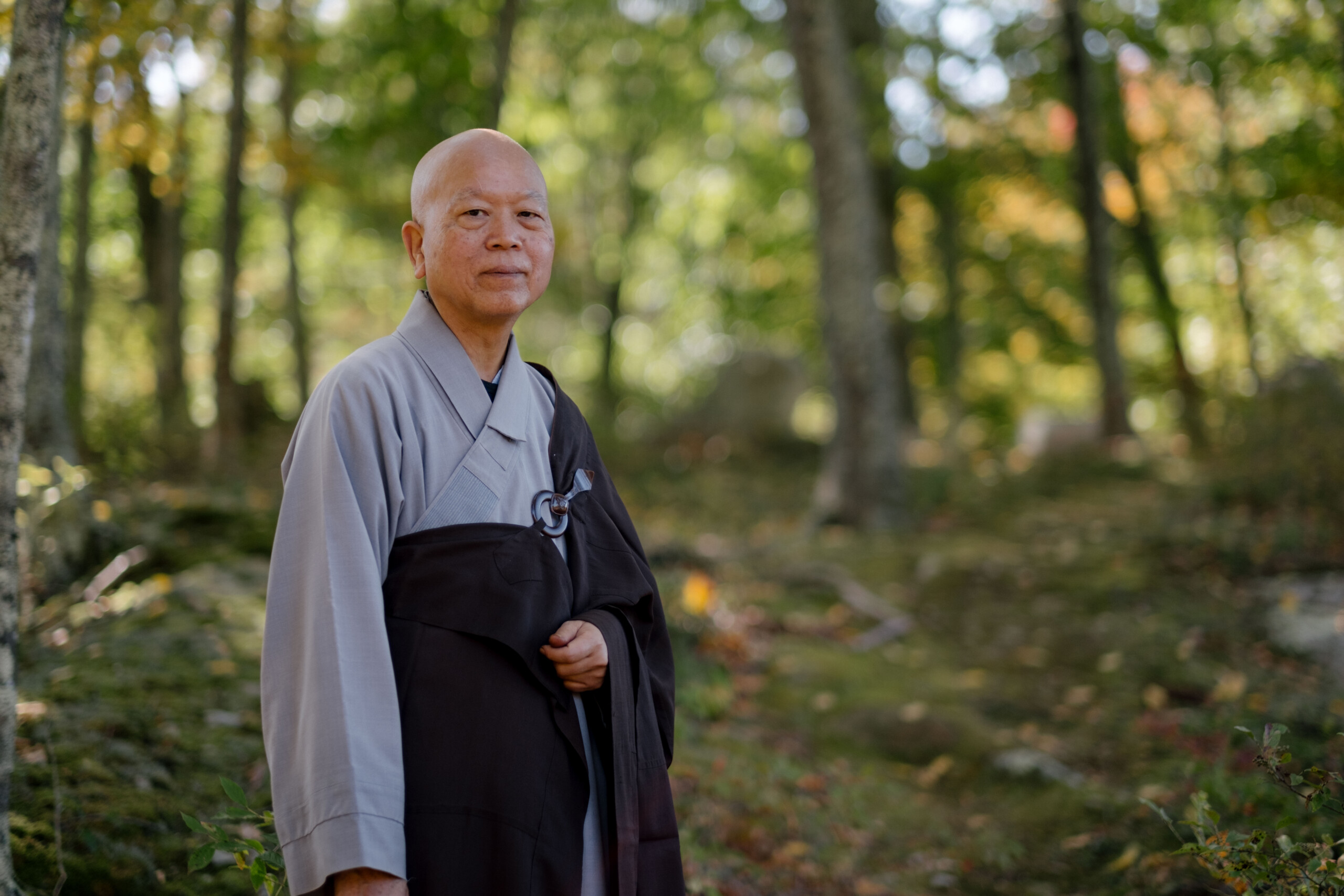
Guo Yuan Fashi: Finding Clarity Through Chan Buddhism and the Quiet Power of Everyday Practice

Lisa Ernst on Insight Meditation, Trauma, and Building a Compassionate Buddhist Community
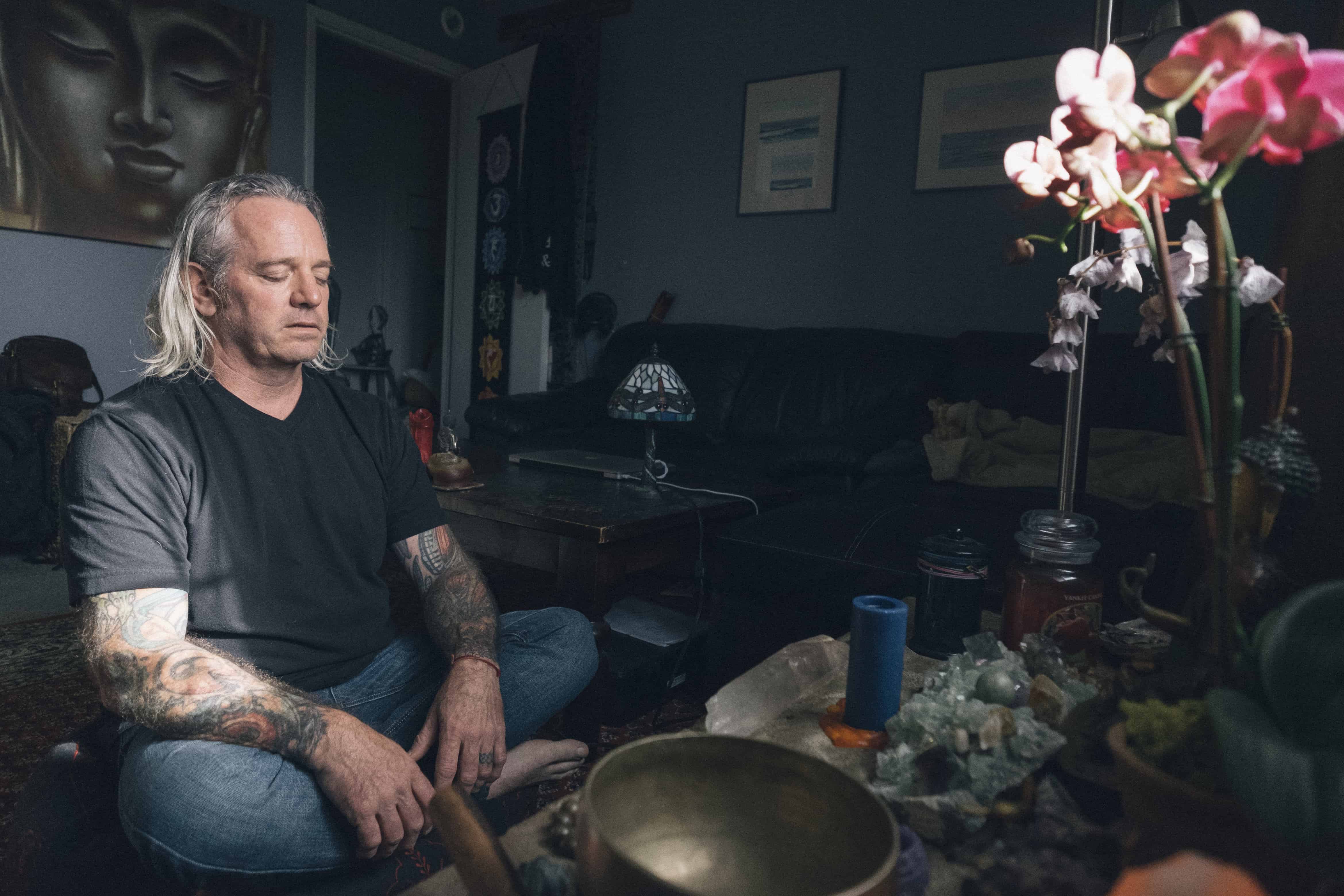
Jeff: Recovery, Sangha, and Finding the Dharma in Human Connection
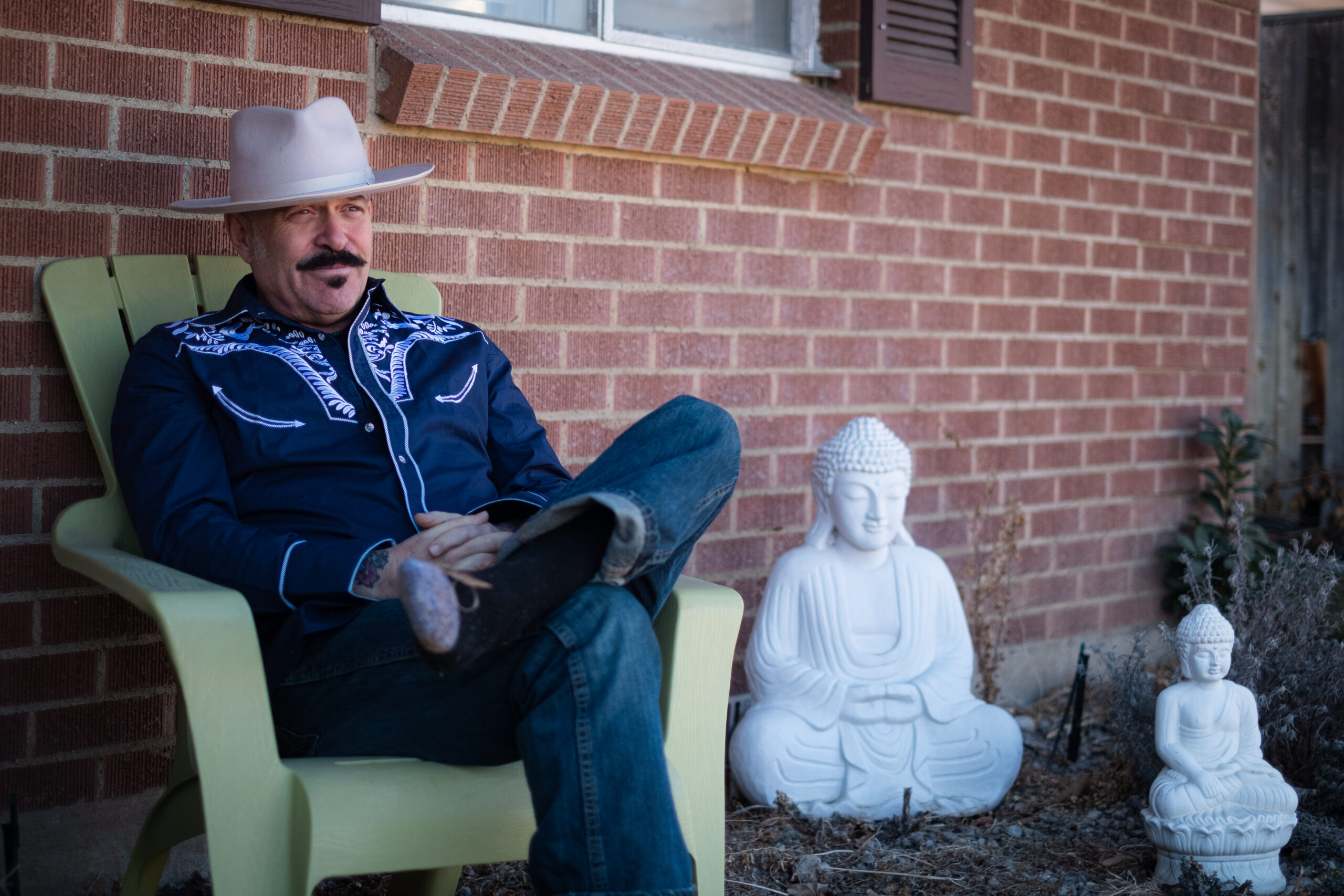
Christopher | Finding Compassion Through Everyday Practice | Bright Dawn Way of Oneness Buddhism

Why Lisa Chose Ordination: Deepening Buddhist Practice Through Spiritual Friendship and Retreat

George | From Student to Teacher: Building Sangha and Living the Dharma

Mark on Buddhist Lineage: Why Authentic Teachers Matter in Vajrayana Practice