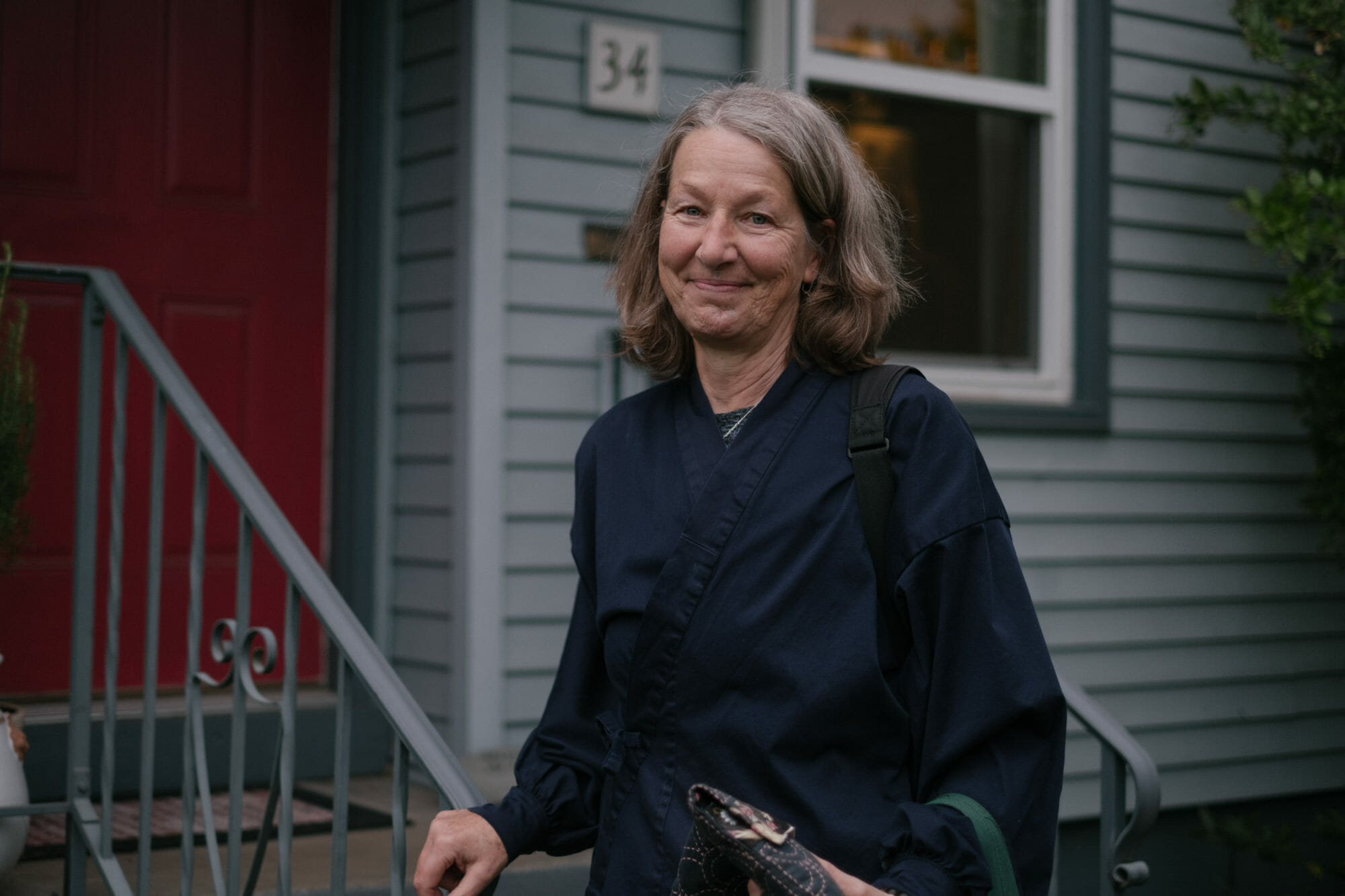
Linda
Portland, OR
Linda first came to Zen in 2004, uncertain and resistant, but what she found on the cushion was unexpected relief. Sitting in silence gave her space from the demands of work, identity, and old patterns of self-judgment. Over the years, her practice deepened through weekly meditation, retreats, loving-kindness, study, and one-on-one guidance from her teacher. What began as simply “showing up” became a quiet transformation—one that reshaped how she met stress, family wounds, relationships, and daily life.
For Linda, Zen is not about forcing change or becoming someone else. It is about returning to what is already here with honesty, patience, and compassion.
Background
Linda, who encountered Buddhism in 2004, initially drifted through various spiritual paths after abandoning her Catholic upbringing. Despite distancing herself from organized religion early on, she lacked a concrete spiritual practice. However, her perspective shifted when she started dating someone who had spent time at the Great Falls Monastery. Encouraged to attend a Thursday night meditation session in Portland, Linda reluctantly went, expecting it to be similar to the formal Catholic rituals of her past.
With a somewhat resistant attitude, she discovered that the experience was liberating. The hour of silence on the meditation cushion provided a welcome break from her busy life and the constant demands of her role as an employment law specialist. As an introvert, the opportunity to be in silence without the need for conversation was particularly appealing. Despite her initial skepticism, Linda found solace in the practice and has maintained a consistent attendance at Thursday night meditations since the fall of 2004. This routine has become a stable and continuous aspect of her life, offering her a powerful source of relief and tranquility.
Learn more
Linda’s story deepens beyond the meditation cushion. Over years of steady practice, she began to see how Zen was quietly reshaping the way she worked, related to others, and understood the patterns she had carried for much of her life.
Her practice became especially meaningful in moments of stress and uncertainty. In her legal career, meditation and loving-kindness helped her respond with greater clarity rather than adding to the tension around her. In her personal life, Buddhist practice gave her a way to look more honestly at old family wounds, soften habitual reactions, and reconsider the stories she had inherited about herself.
Linda also speaks candidly about the role of teachers, retreats, and her growing appreciation for lineage. What once felt abstract gradually became something intimate: the realization that her own struggles, doubts, and insights were part of a much older stream of practice. Her relationship with her teacher helped her learn to trust understanding that did not always arrive immediately or neatly in words.
Perhaps most importantly, Linda’s journey reveals what it means to bring practice into everyday life. From cycling and professional pressure to marriage and family relationships, she began asking a different question—not how to control each experience, but how to be fully present for it. Over time, she began to recognize the fruits of practice not as dramatic spiritual achievements, but as greater ease, compassion, perspective, and an ability to meet life more openly.
Register to explore Linda’s full profile and hear more about the teachers, practices, relationships, and everyday experiences that have shaped her evolving life in Zen.
Share This Story, Choose Your Platform!
Other Portraits
From Atheism to Bon Buddhism: Jackie’s Journey into Death, Enlightenment, and the Ancient Wisdom of Bon
Alejandro: Bringing Tibetan Buddhism into Modern Life Through Science, Meditation, and Compassion
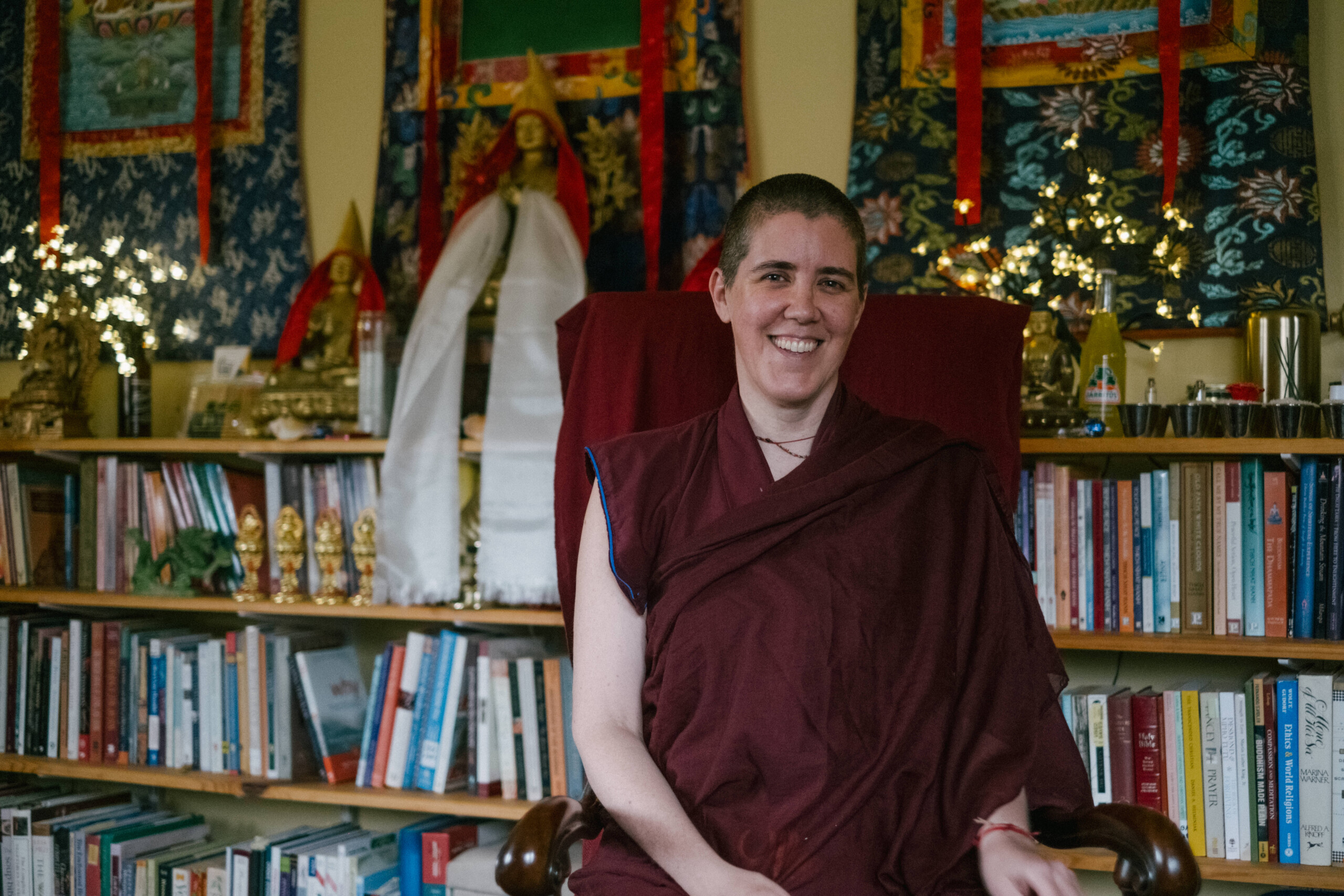
Ani Pema on Compassion in Action: A Modern Vajrayana Path to Resilience and Transformation
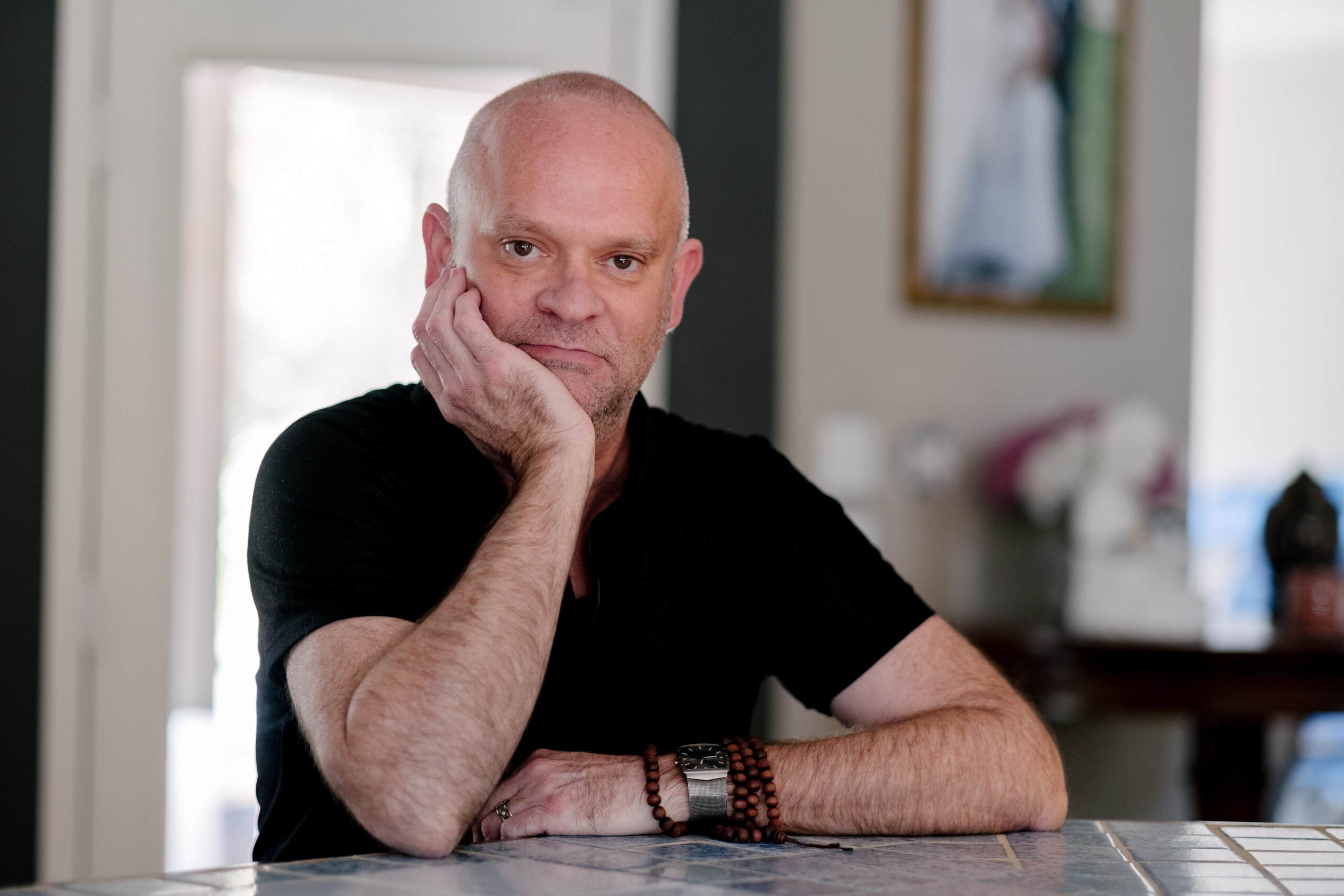
Donovan | Addiction Recovery Through Tibetan Buddhism

Liz | From Fashion to Dharma: Building Samaya Through Tibetan Buddhist Practice
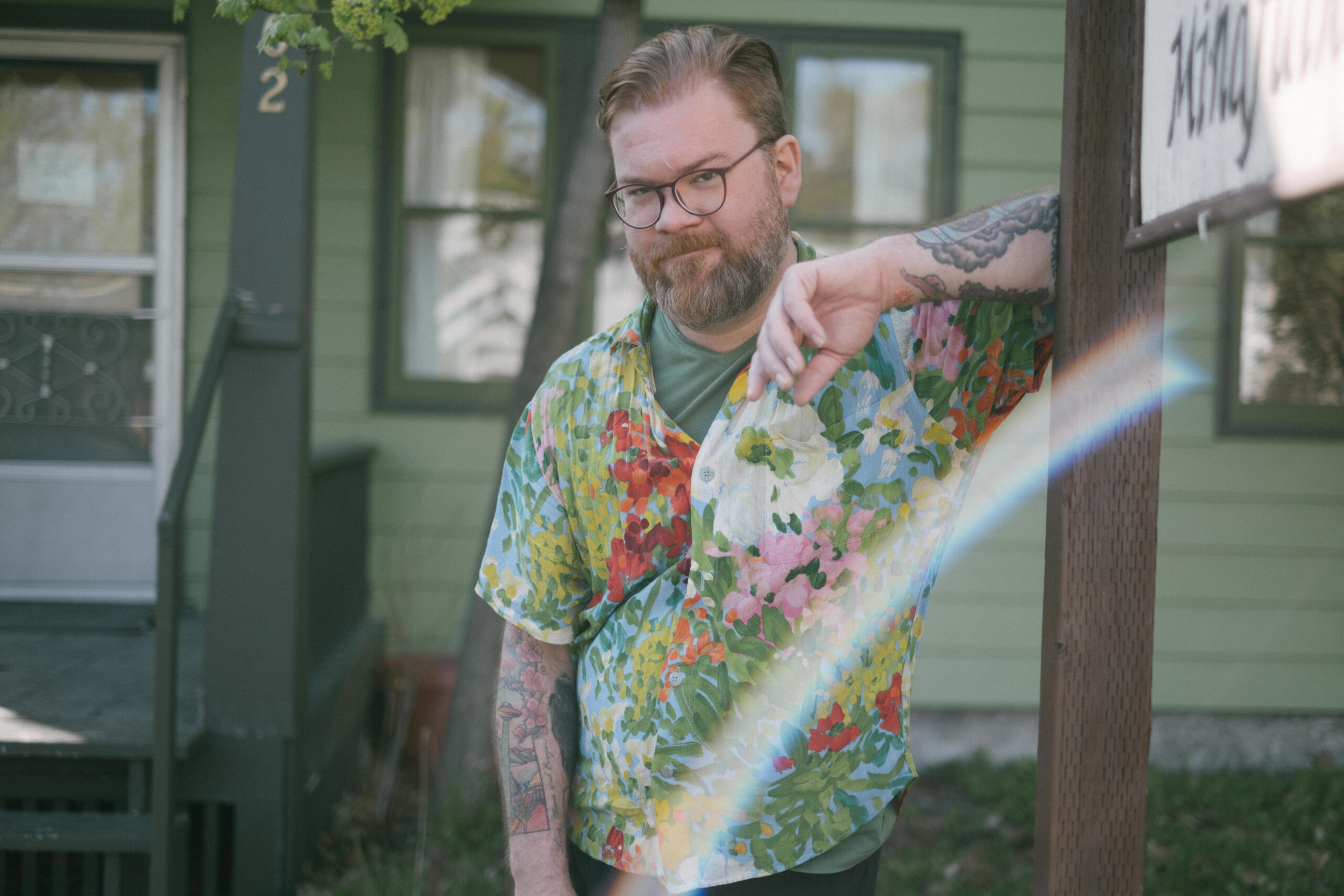
Kyle’s Journey into Plum Village Buddhism | Finding Peace Through Mindfulness and Community
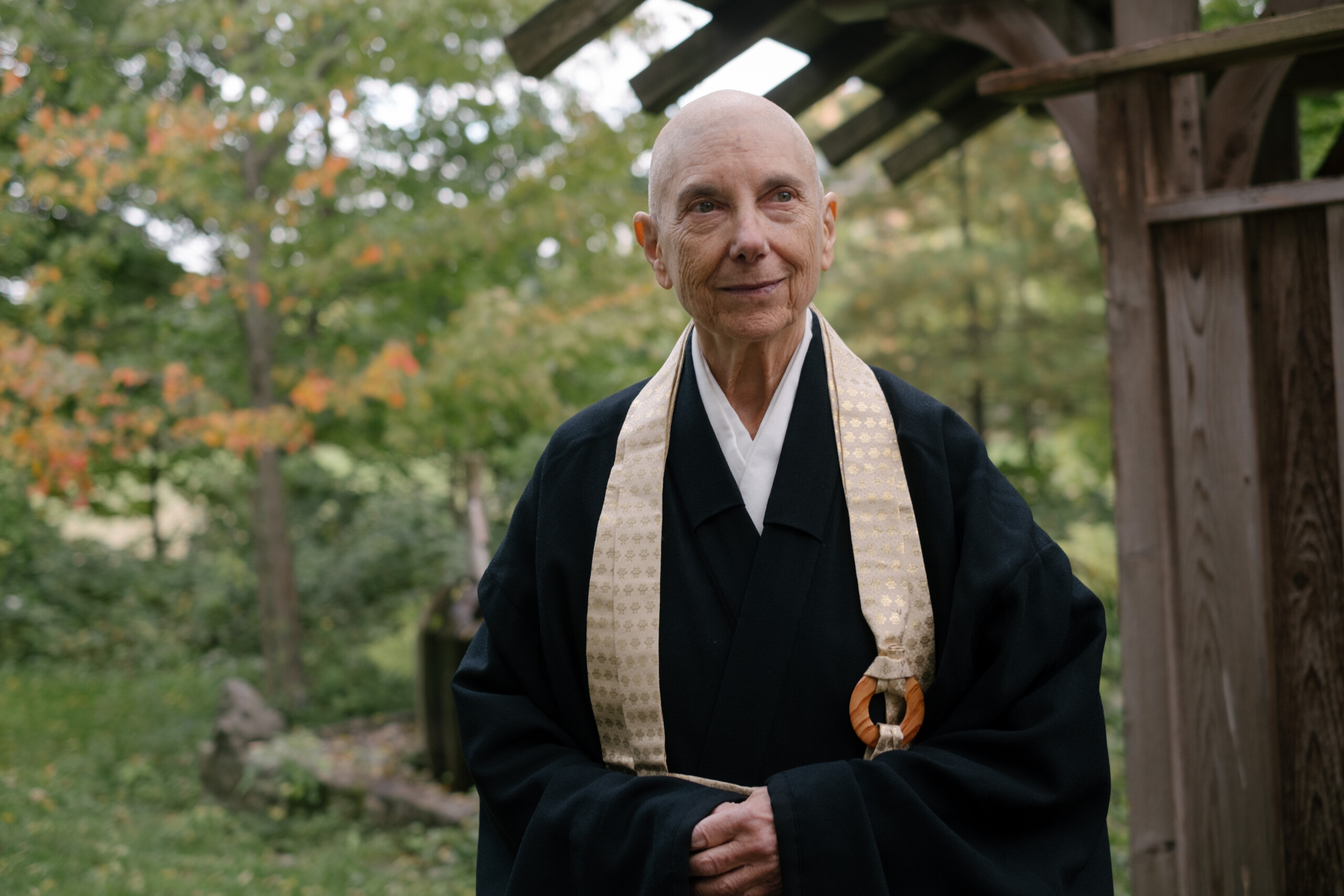
Roshi Shinge | Zen Buddhism, Zazen & the Path of Direct Experience
Guo Yuan Fashi: Finding Clarity Through Chan Buddhism and the Quiet Power of Everyday Practice
Joann’s Journey to Zen Buddhism | Finding Wholeness Through Presence, Compassion & Practice