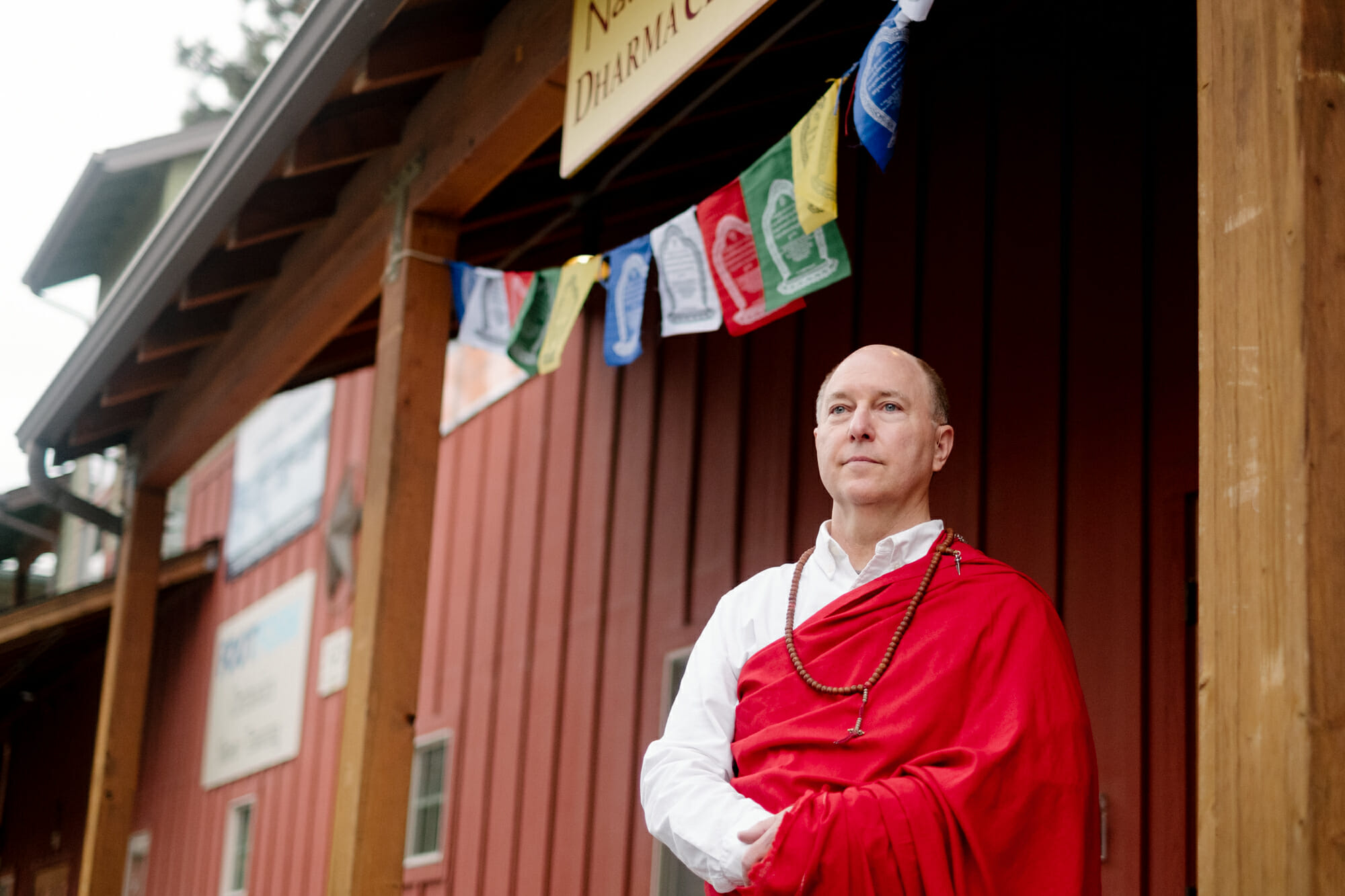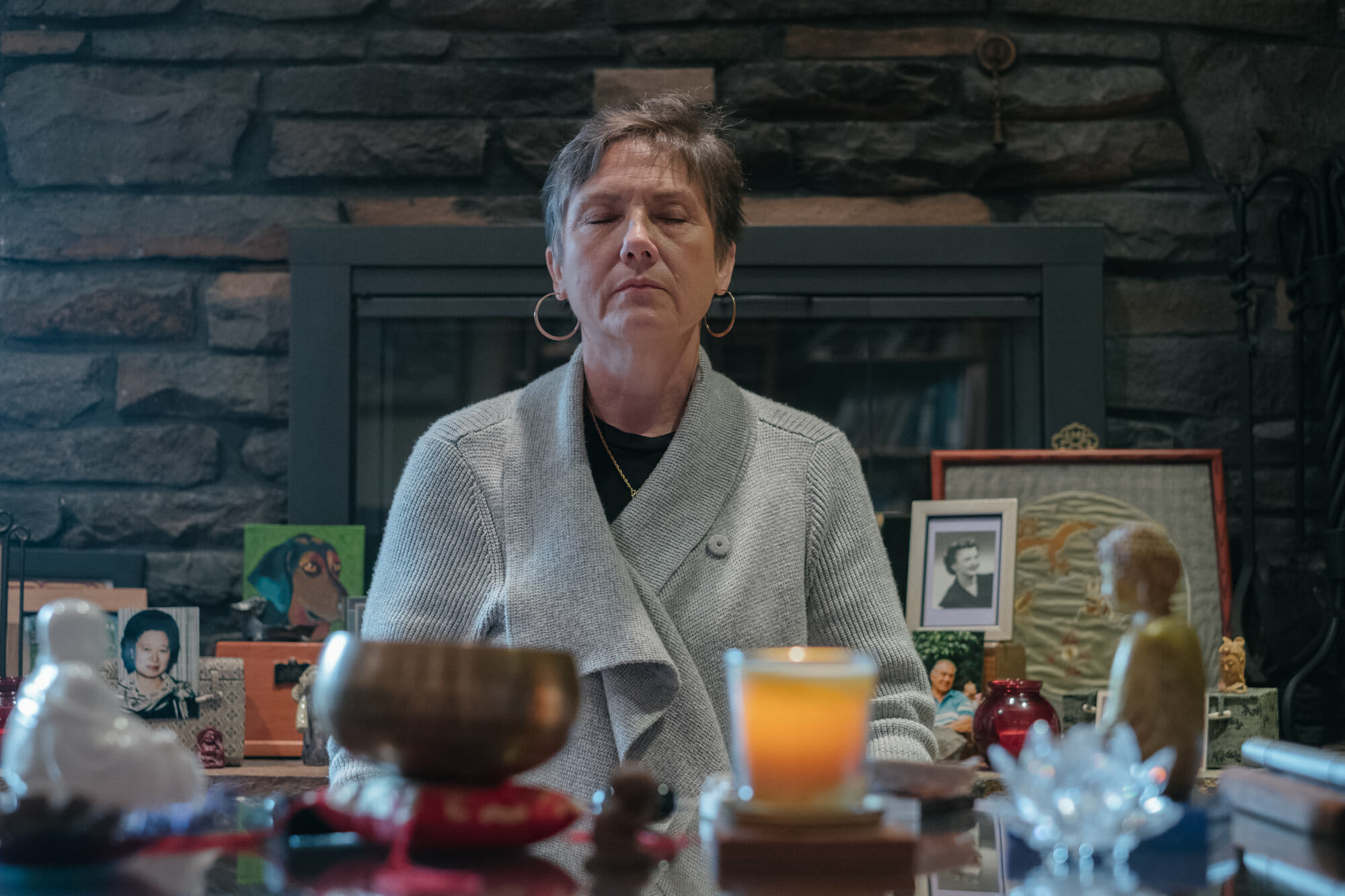
After the devastating loss of her son, Mara turned more deeply toward Buddhist practice, meditation, and Sangha to find a way through grief. Rather than trying to escape her suffering, she learned to meet it with compassion, loving-kindness, and equanimity. Inspired by the Buddha’s teachings on loss and the shared nature of suffering, Mara helped create a grief community where people could sit together, listen, and bear witness to one another’s pain. Her journey reveals how the Dharma does not necessarily take grief away—it can transform our relationship to it, allowing profound loss to become a source of connection, compassion, and service.
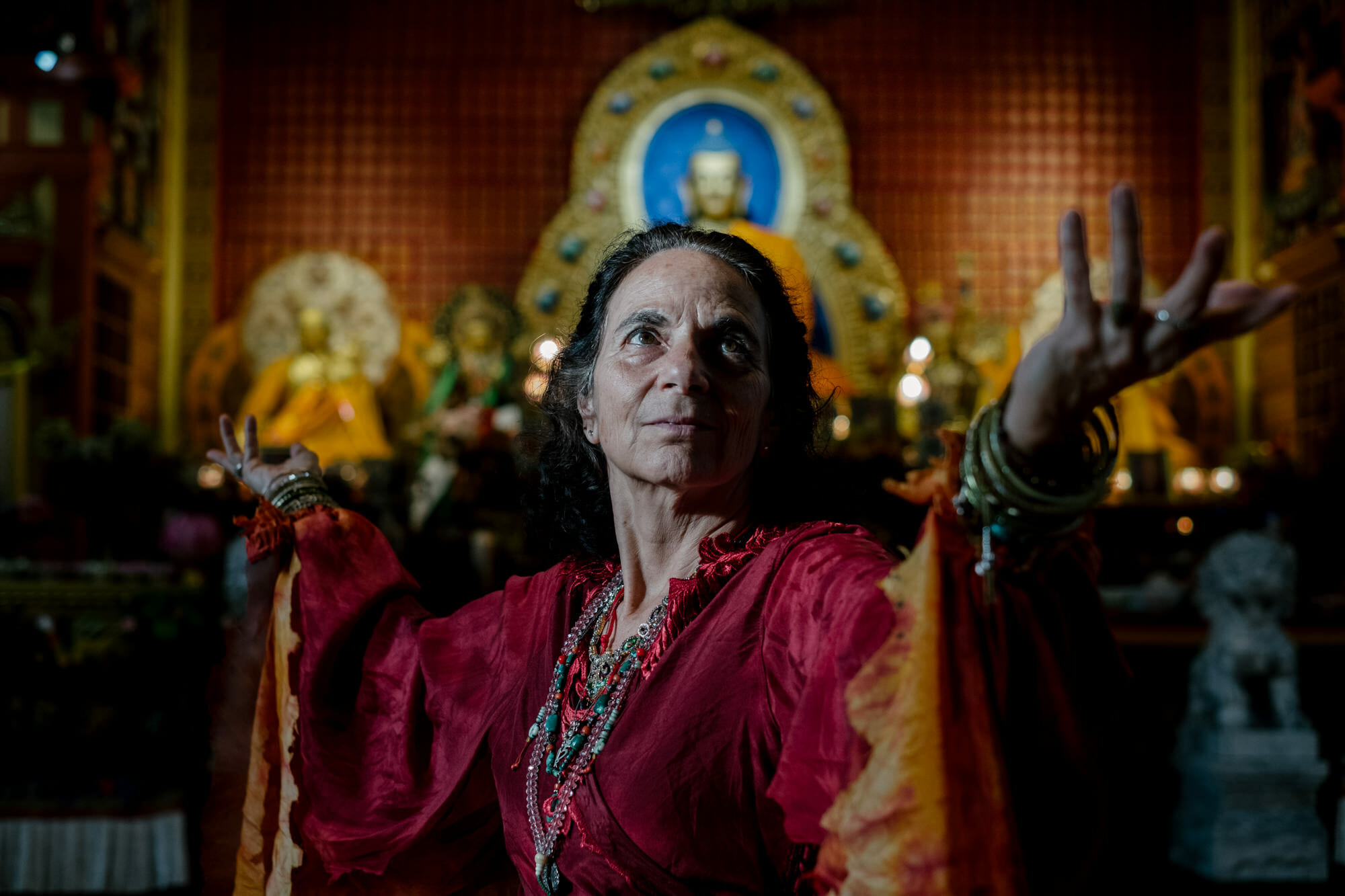
Phyllis: Embodying Vajrayana Buddhism Through the Tara Mandala Dance
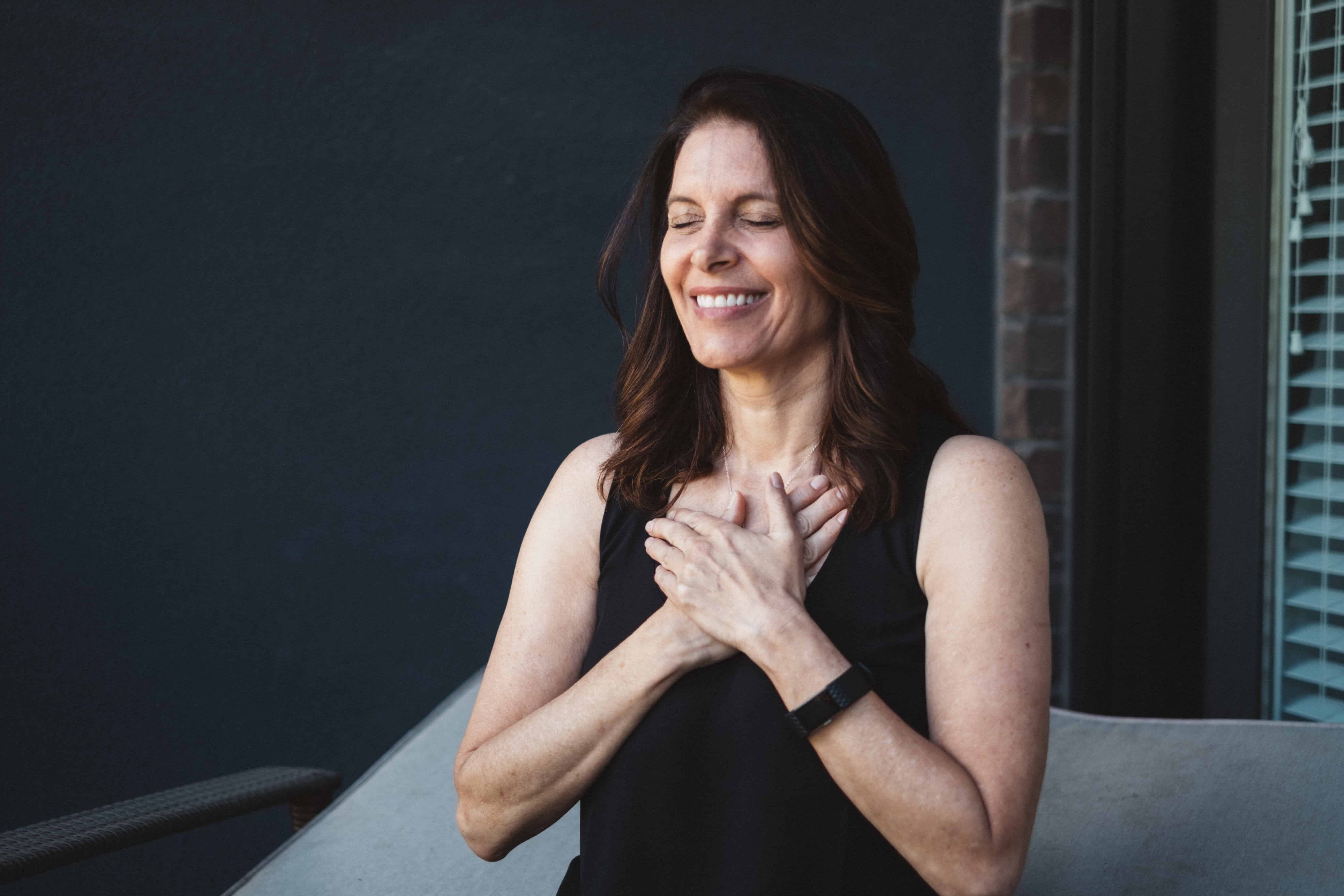
ronak2026-09-11T23:29:38+00:00For Phyllis, Vajrayana Buddhism became meaningful not simply as a philosophy, but as an embodied spiritual path. Drawn naturally to movement, dance, yoga, ritual, and devotion, she discovered a way of practicing that brought the Dharma out of the realm of ideas and into the body. Her connection deepened through the Mandala Dance of the 21 Praises of Tara, a Tibetan Buddhist practice weaving movement, visualization, mantra, creativity, and devotion together. After first witnessing the dance on a cliff in Kauai, Phyllis gradually found herself drawn into its mandala. What initially felt intimidating became a profound way of embodying Tara—the feminine expression of compassion, wisdom, protection, and awakened activity. Through years of practice, Phyllis has witnessed the Tara Dance touch people far beyond conventional meditation. For her, this is part of the beauty of Vajrayana: awakening does not have to remain confined to the meditation cushion. The body can become part of the practice, movement can become meditation, and creativity can become a doorway into transformation. Phyllis’s journey offers a vivid example of Buddhism lived beyond the cushion—where devotion becomes movement and the teachings are not simply understood, but embodied.
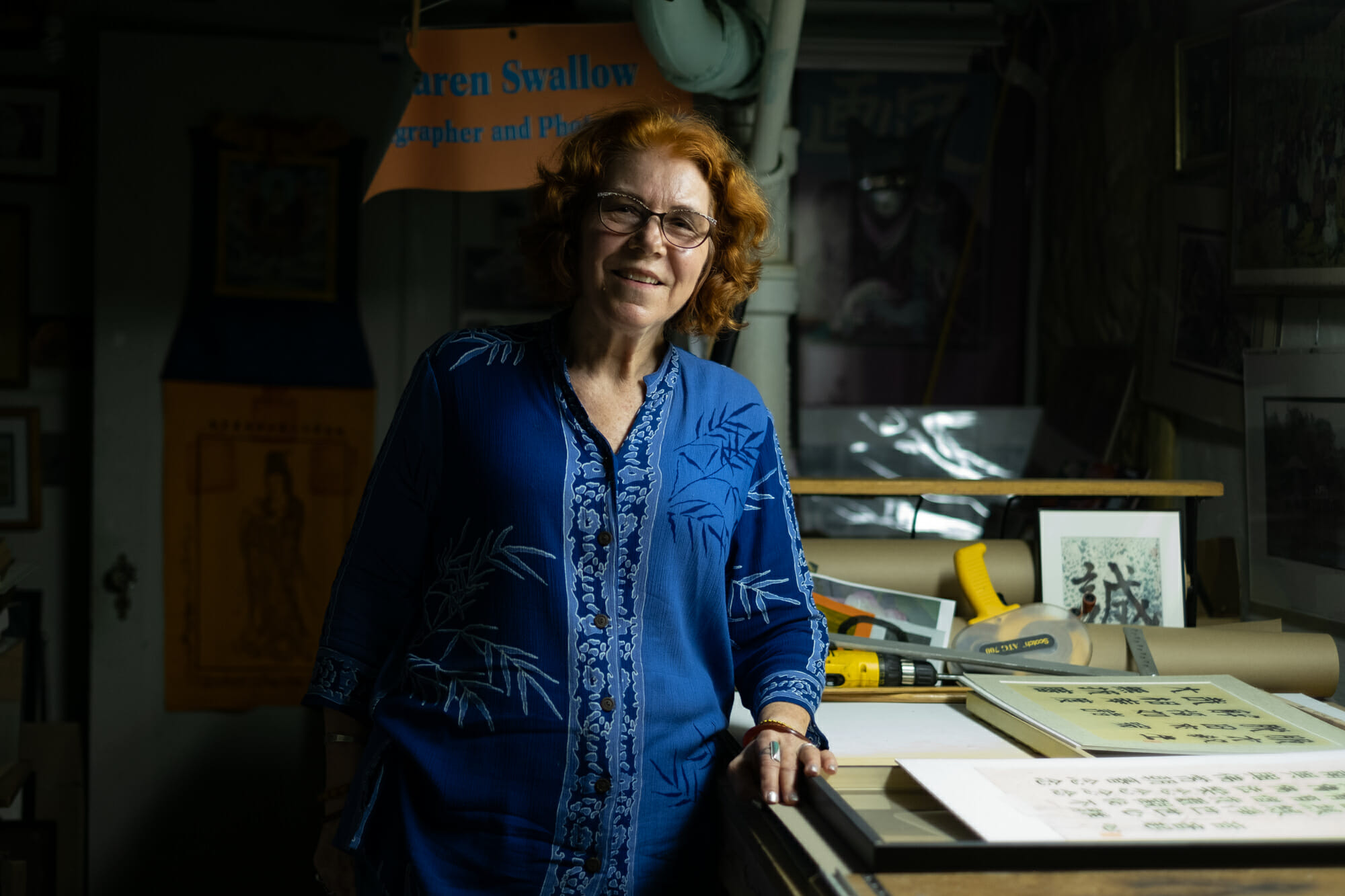
Karen’s Buddhist Journey: Zen, Creativity and the Art of Everyday Practice
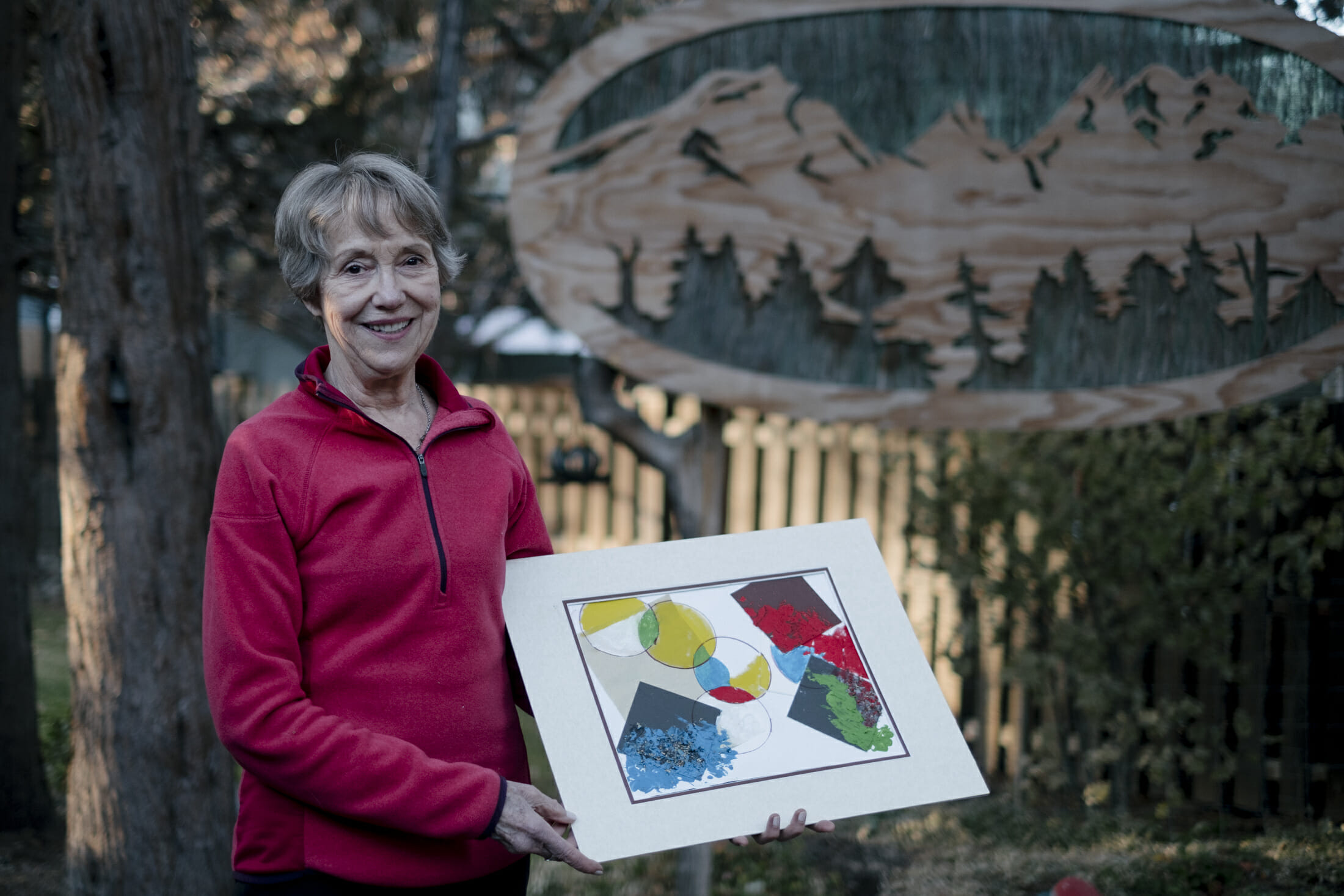
ronak2026-09-11T07:30:41+00:00Karen’s Buddhist journey reveals how Zen practice can move beyond the meditation cushion and become part of everyday life. Through mindfulness, Chinese calligraphy, ceramics, relationships, parenting, caregiving, and creative expression, she explores the freedom that comes from letting go of control and learning to trust the process. For Karen, art and Buddhist practice gradually become inseparable—both offering a way to meet impermanence, suffering, and uncertainty with greater presence, compassion, and openness.
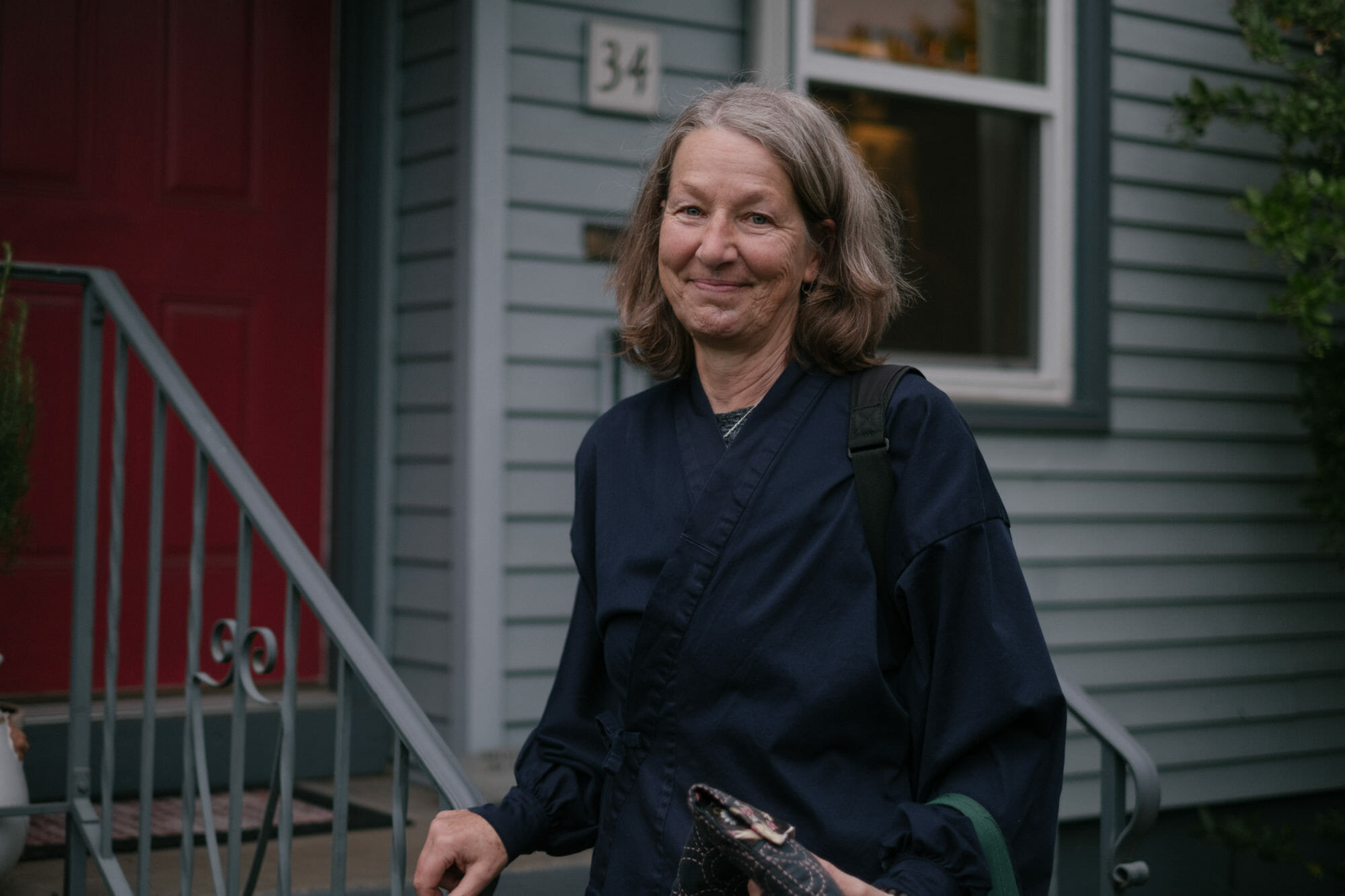
Linda’s Zen Journey: Learning to Trust Silence, Practice, and Presence
ronak2026-09-11T07:29:49+00:00Linda first came to Zen in 2004, uncertain and resistant, but what she found on the cushion was unexpected relief. Sitting in silence gave her space from the demands of work, identity, and old patterns of self-judgment. Over the years, her practice deepened through weekly meditation, retreats, loving-kindness, study, and one-on-one guidance from her teacher. What began as simply “showing up” became a quiet transformation—one that reshaped how she met stress, family wounds, relationships, and daily life. For Linda, Zen is not about forcing change or becoming someone else. It is about returning to what is already here with honesty, patience, and compassion.
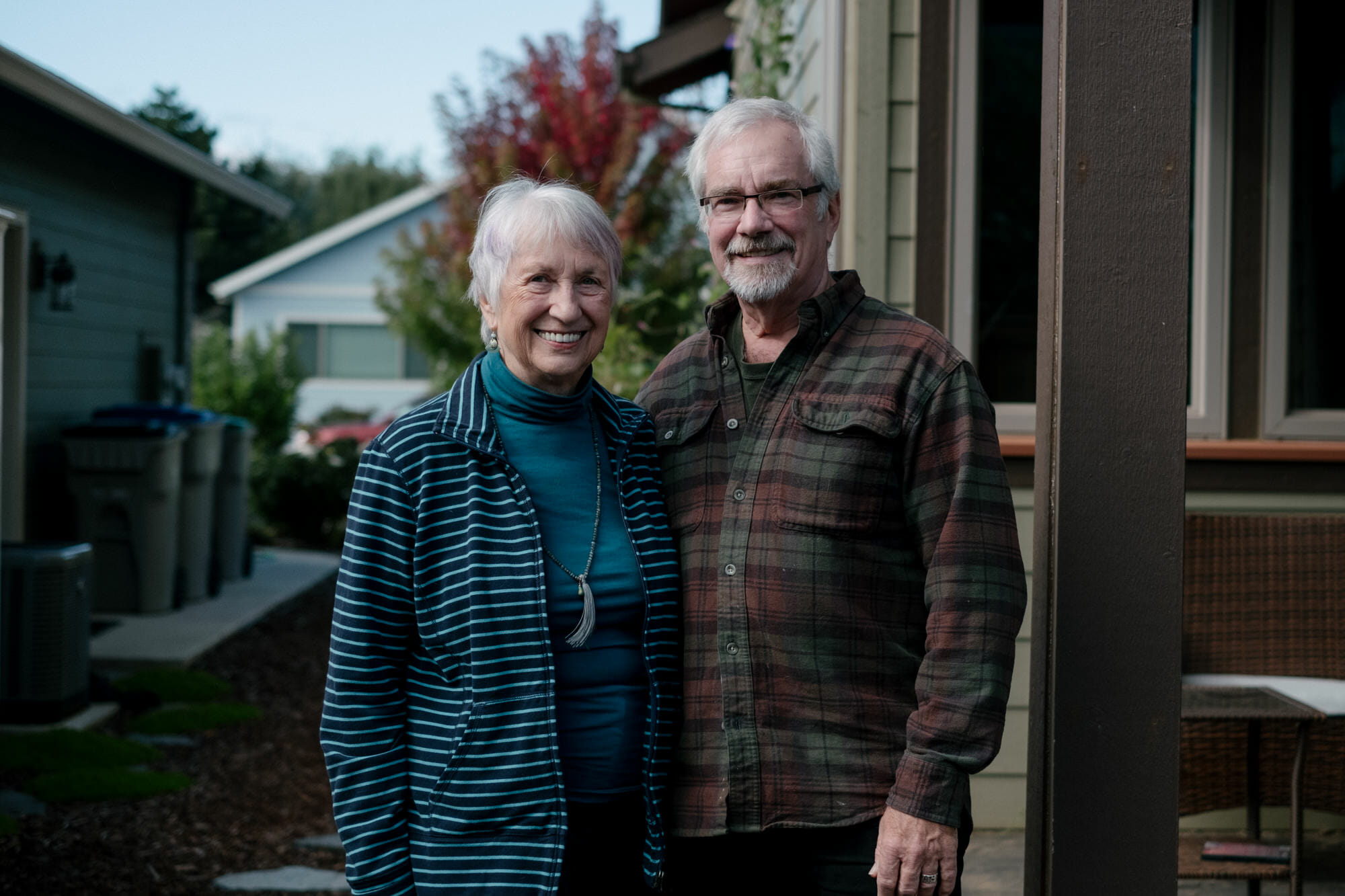
Dick & Bonnie: Finding Recovery, Connection, and Community Through Plum Village Buddhism
ronak2026-09-11T07:28:55+00:00Dick and Bonnie’s journey into Buddhism began with a moment of profound change. When Dick entered recovery from alcoholism, he discovered a mindfulness-based recovery group rooted in the Plum Village tradition of Thich Nhat Hanh. What began as a search for healing soon became a shared spiritual path. Together, Dick and Bonnie found a form of Buddhism grounded not only in meditation, but in everyday life—deep listening, mindful breathing, compassionate communication, interbeing, and the support of sangha. Drawing on Dick’s Baptist roots and Bonnie’s Unitarian Universalist background, they see Buddhism not as a rejection of their past, but as an expansion of it. Through Plum Village teachings, their relationship with one another and their community has deepened, while Dick’s work bringing mindfulness and meditation into recovery programs and correctional settings reflects Thich Nhat Hanh’s vision of engaged Buddhism: taking practice beyond the cushion and into the places where compassion is most needed. Their story reveals how Buddhist practice can quietly transform a life—not by separating us from the world, but by teaching us to listen more deeply, respond rather than react, recognize our interdependence, and discover that healing is something we rarely have to do alone.
Michael: From Yoga to Tibetan Buddhism — Preserving the Depth of Practice in the West
ronak2026-09-11T07:28:07+00:00Michael’s journey from yoga teacher to Tibetan Buddhist practitioner offers a revealing perspective on what happens when ancient spiritual traditions encounter modern Western culture. As a yoga teacher, he watched many students approach yoga primarily as physical exercise, while only a small number seemed interested in exploring its deeper spiritual dimensions. His experience became a powerful lens through which he now considers the future of Buddhism in the West. Michael sees a similar risk emerging as meditation, mindfulness, and Buddhist practices become increasingly accessible: teachings intended to challenge attachment and transform our relationship with the self can gradually be repackaged around comfort, wellness, and personal improvement.
Tamara: Bringing Buddhist Practice Into Family, Relationships, and Everyday Life
ronak2026-09-11T07:27:28+00:00For Tamara, Buddhism is not something confined to meditation or the cushion—it is a way of meeting everyday life. Raised Lutheran in the Midwest, she first encountered Buddhism in college and was drawn to its practical teachings and the transformative experience of meditation. Later, Buddhism became woven into her family life, influencing how she raised her children, navigated marriage, and approached difficult moments with compassion and awareness. Inspired especially by the teachings of Thich Nhat Hanh, Tamara has learned to bring mindfulness into ordinary experiences—from walking and preparing food to listening deeply and responding to conflict. Rather than imposing Buddhism on her family, she embodies its principles through loving-kindness, patience, gratitude, and an understanding of impermanence. Her journey reveals how Buddhist practice can move beyond formal meditation and quietly transform the relationships closest to us.
Dottie’s Journey: From Christianity to a Buddhist Life of Practice, Impermanence, and Rebirth
ronak2026-09-11T07:26:48+00:00Dottie’s Buddhist journey began later in life, after decades shaped by an Episcopalian upbringing, marriage, personal struggle, and an ongoing search for a spiritual path that could be lived rather than simply believed. After discovering Buddhist teachings and eventually finding a Tibetan Buddhist Dharma center, she encountered a tradition that spoke directly to questions she had carried for years. Through meditation, Dharma practice, and teachings on impermanence, Dottie began to reconsider her relationship with attachment, death, and what it means to live a meaningful life. Buddhism’s willingness to confront mortality openly helped transform death from something to fear into a natural part of existence. Her understanding of reincarnation evolved more slowly, but over time rebirth became connected to something deeply practical: how she chooses to live now. Taking the bodhisattva vow further transformed this perspective, turning the possibility of returning for the benefit of others into an expression of compassion and purpose. Rather than rejecting her Christian past, Dottie sees her Buddhist journey as an evolution—another way of approaching the enduring questions of who we are, why we suffer, how we live, and what may continue beyond death.