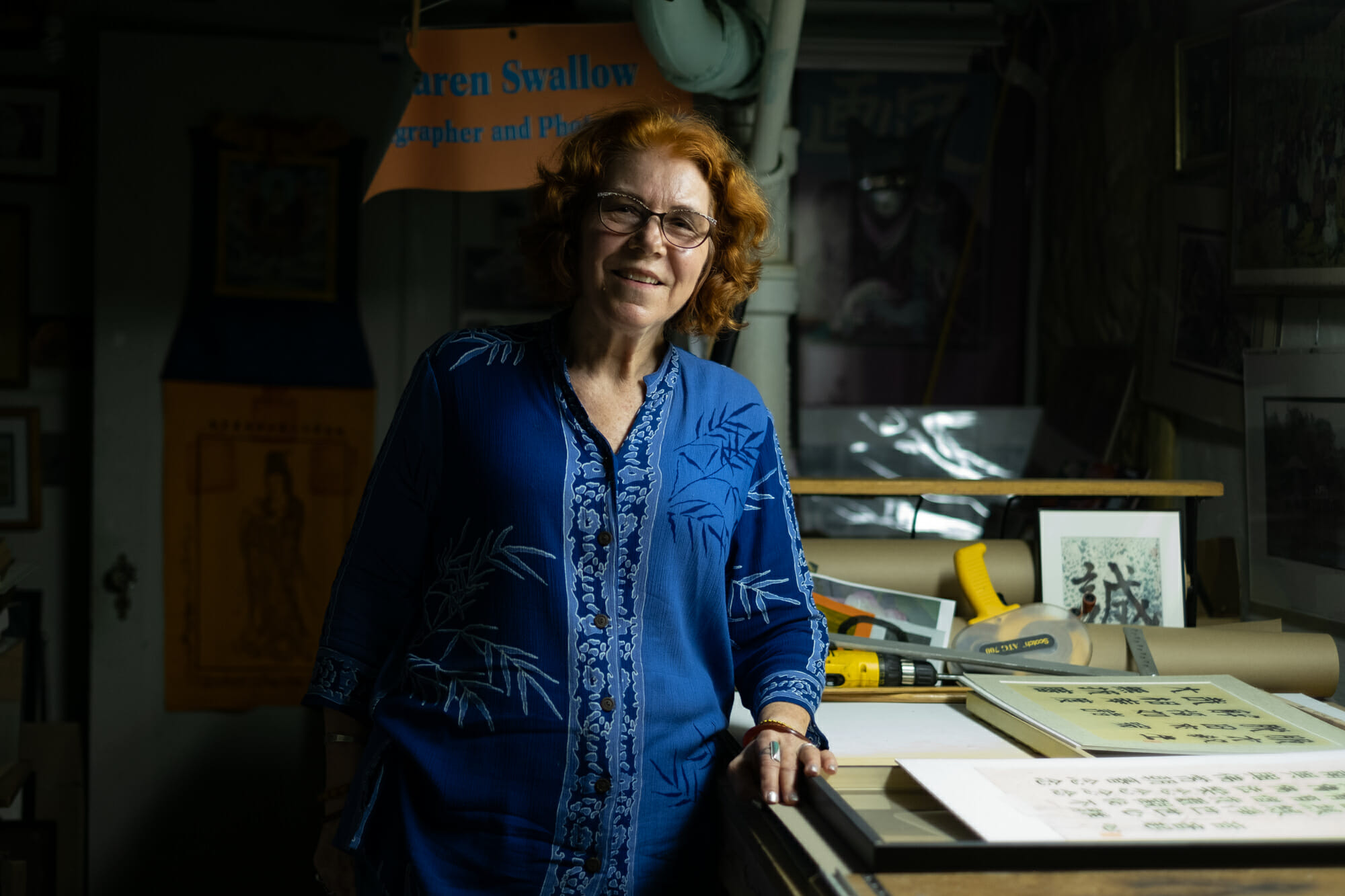
Joann
Syracuse, NY
Joann’s journey into Zen Buddhism began not with a dramatic awakening, but through a quiet search for a more authentic spiritual life. Raised Catholic, she found herself drawn toward yoga and meditation, seeking a practice that engaged not only her beliefs but her whole being. While teaching yoga offered meaningful experiences, she eventually recognized the limitations of a culture increasingly shaped by performance and self-improvement. Her search ultimately led her to Zen, where she discovered a radically different perspective: “It wasn’t about fixing myself—it was about realizing I wasn’t broken.”
Today, as both a Zen practitioner and Buddhist chaplain, Joann embodies the teachings through deep listening, presence, and compassion. Rather than trying to solve people’s suffering, she learned to accompany them with openness and patience. Whether supporting hospital patients, teaching students, or moving through ordinary daily life, her practice is rooted in meeting each moment fully. As she explains, “It’s not about doing something ‘Buddhist’—it’s about being fully present, moment by moment. That’s the real practice.”
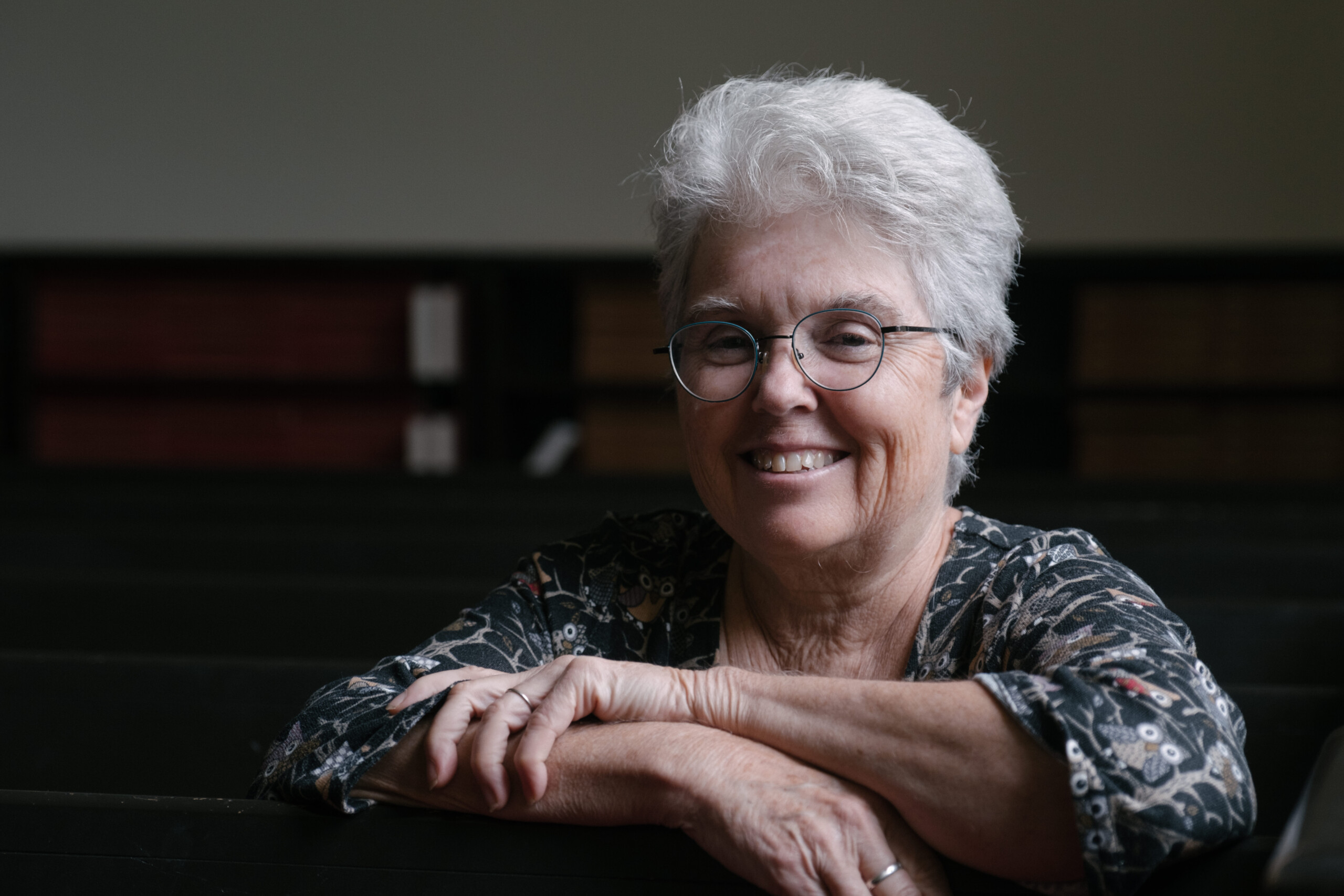
Background
Joanne Cook, the Buddhist chaplain at Syracuse University, reflects on her spiritual journey. Raised Catholic by a sincere father who instilled in her the importance of vows, Joanne found herself drawn to Buddhism during her time as a student at Syracuse University. The concept of emptiness, the interconnectedness of all things, resonated with her, leading her to let go of Catholicism and embrace meditation.
After retiring from teaching in city schools, Joanne returned to Syracuse University, where she had initially encountered Buddhism. She shares how her practice, particularly meditation, helped her navigate life’s challenges with joy and compassion. It was during this time that she discovered the Zen Center of Syracuse and its teacher, Shinji Roshi. The Sangha became Joanne’s home, a place where she felt accepted and loved.
Joanne draws parallels between her experiences in Zen practice and her work as a teacher in a challenging environment. Learning to sit with discomfort and not taking challenges personally, she found that removing the “poor me” mentality allowed her to approach difficulties with curiosity and compassion. This shift in perspective had a profound impact on her interactions with students.
As the chaplain at Syracuse University, Joanne introduces others to the practice of meditation and Buddhism. The Sangha she leads provides a supportive and non-judgmental space for students seeking solace and understanding. Joanne emphasizes the importance of having a teacher, such as Shinji Roshi, who sees the entirety of a person and guides them through the journey of self-discovery. The relationship with her teacher extends beyond Zen practice, allowing for open conversations and a deep connection.
Joanne expresses gratitude for the wonderful Sangha she has at Syracuse University, where students come together for meditation, tea, and discussions. The sense of acceptance and community is a rare and valuable experience for them. Joanne’s life is a testament to the transformative power of Zen practice and the profound impact of having a supportive teacher and community.
Learn more
Joann’s path to Buddhism wasn’t a straight line. Raised Catholic, she eventually found her way into yoga and meditation, searching for something that felt less like belief and more like lived experience. Over time, that search brought her to Zen and to a different understanding of what spiritual practice might actually be asking of us—not to become someone better, but to see more clearly who we already are.
Her journey touches on the very personal process of finding a spiritual path that genuinely resonates, as well as the questions that arise when the practices that first open a door no longer feel sufficient. Her experience with yoga, and her growing discomfort with its commercialization, became part of a larger exploration of how different contemplative traditions can lead us toward something deeper.
Zen eventually gave Joann a framework for bringing practice into ordinary life. Through meditation, teaching, and her work as a chaplain, she began to understand that practice is not something confined to the cushion. It can appear in the simple act of listening, in being present with another person’s suffering, and in learning not to immediately fix what feels uncomfortable. Her story offers a beautiful example of what it means to carry Buddhist practice into everyday life.
Perhaps most moving is the way Joann speaks about the gradual shift in how she sees herself. Buddhism became less about self-improvement and more about recognizing an inherent wholeness that had been there all along. As she puts it, “You don’t need to be fixed. You’re already the full moon; you just have to see it.” It is a perspective that speaks directly to the changes that can emerge through sustained practice—not necessarily becoming someone new, but relating differently to the person we already are.
Register to explore Joann’s full profile and hear more about her journey into Zen, the role of meditation and chaplaincy in her life, the lessons she has drawn from practice, and what she has discovered about presence, compassion, and the possibility that what we are searching for may already be here.
Share This Story, Choose Your Platform!
Other Portraits
Kim’s Buddhist Journey: Mindfulness, Resilience, and Finding Peace Through Vipassana Practice
Tamara: Bringing Buddhist Practice Into Family, Relationships, and Everyday Life
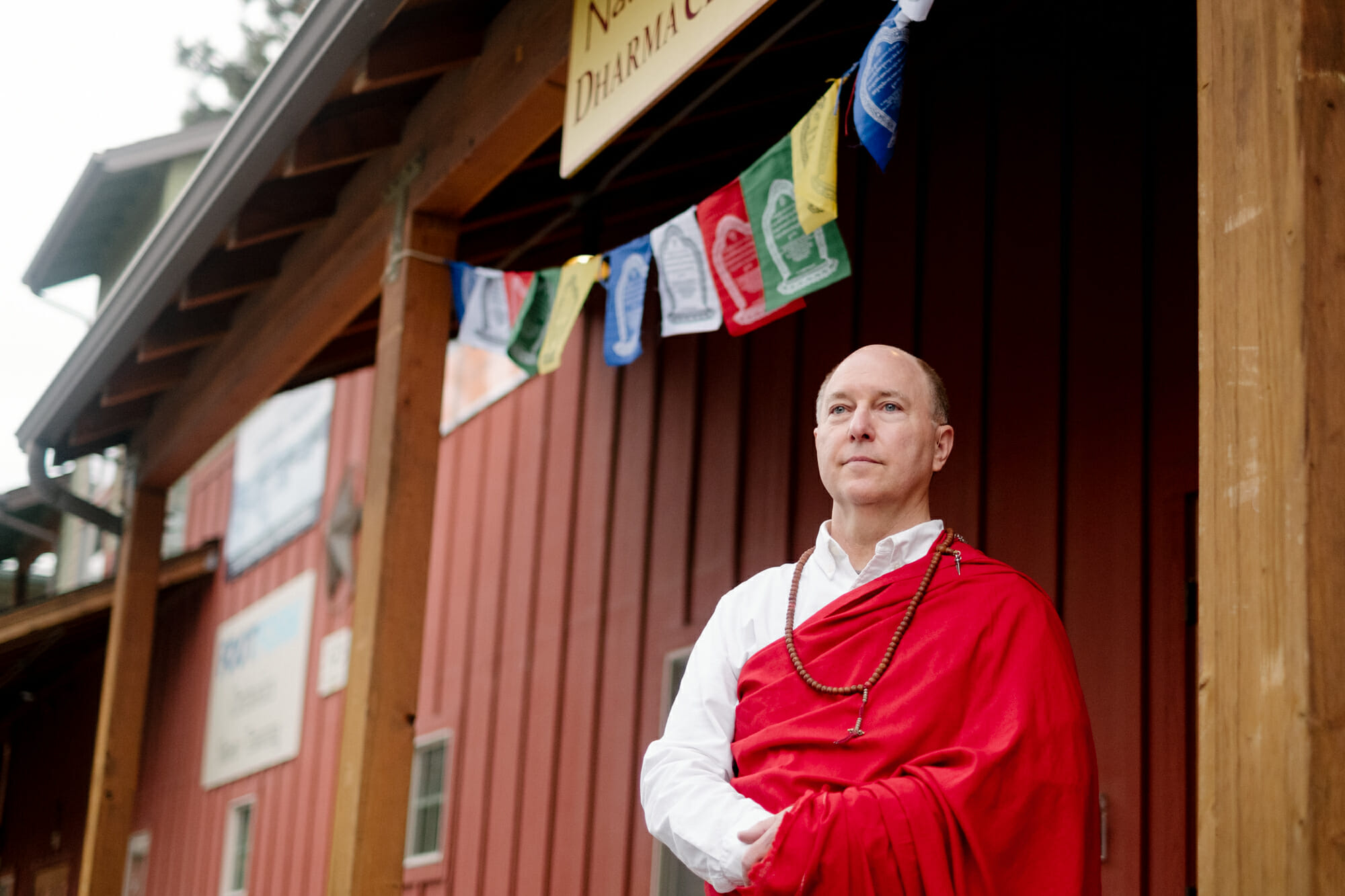
Michael: From Yoga to Tibetan Buddhism — Preserving the Depth of Practice in the West
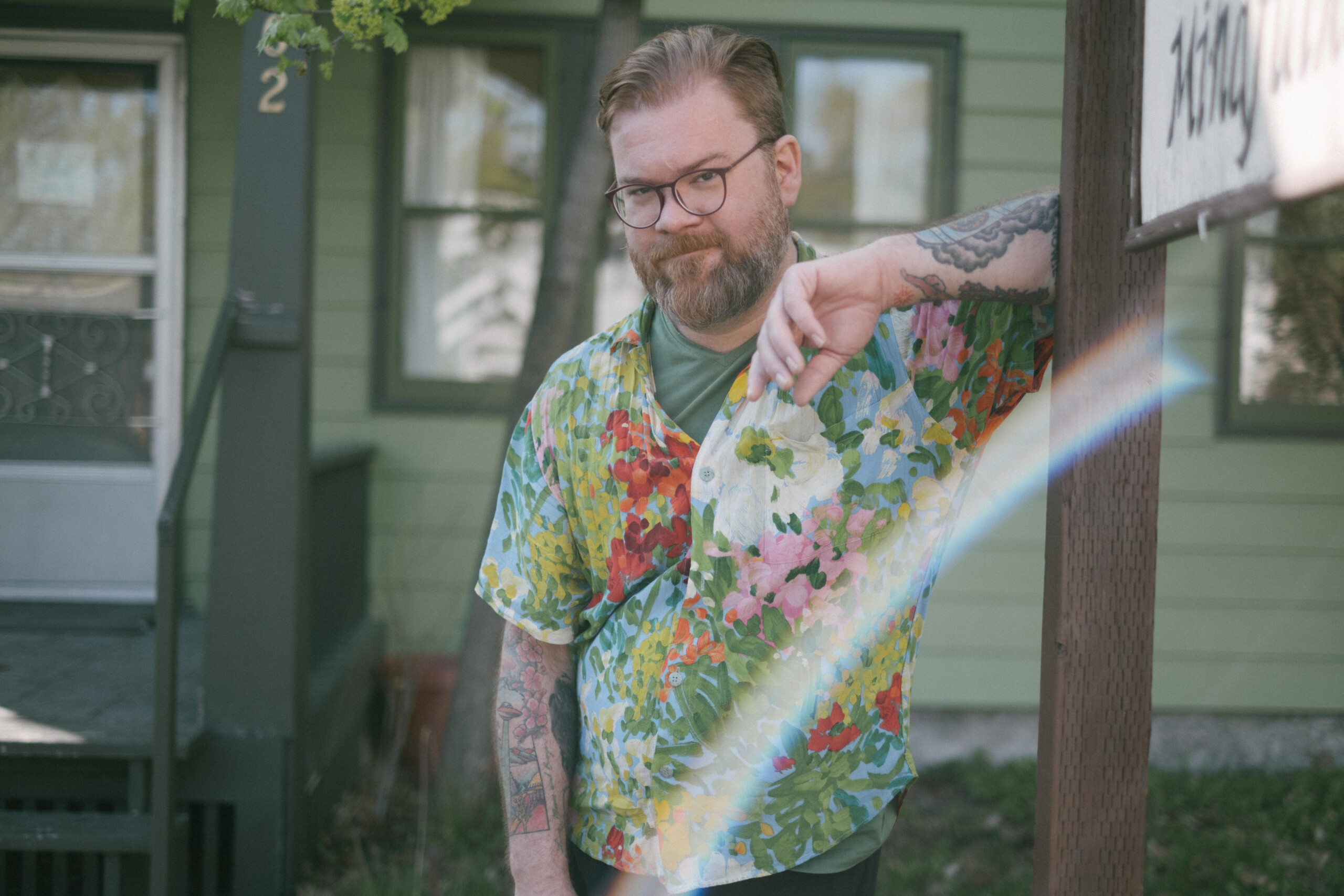
Kyle’s Journey into Plum Village Buddhism | Finding Peace Through Mindfulness and Community
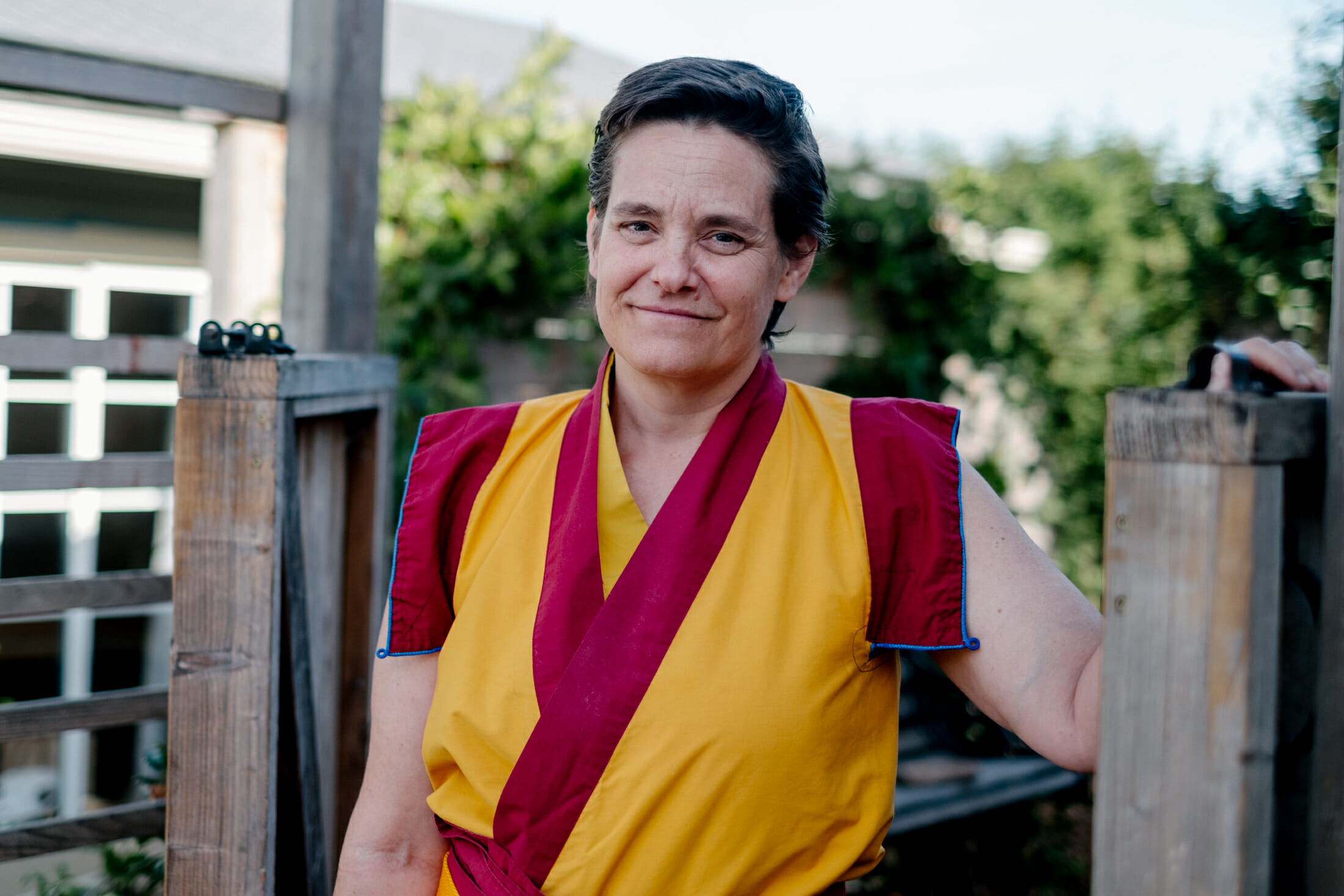
Shinchok: Finding Freedom, Devotion, and Wisdom Through the Buddhist Path

Born I: Finding Truth Through Buddhism, Music, and Mental Health
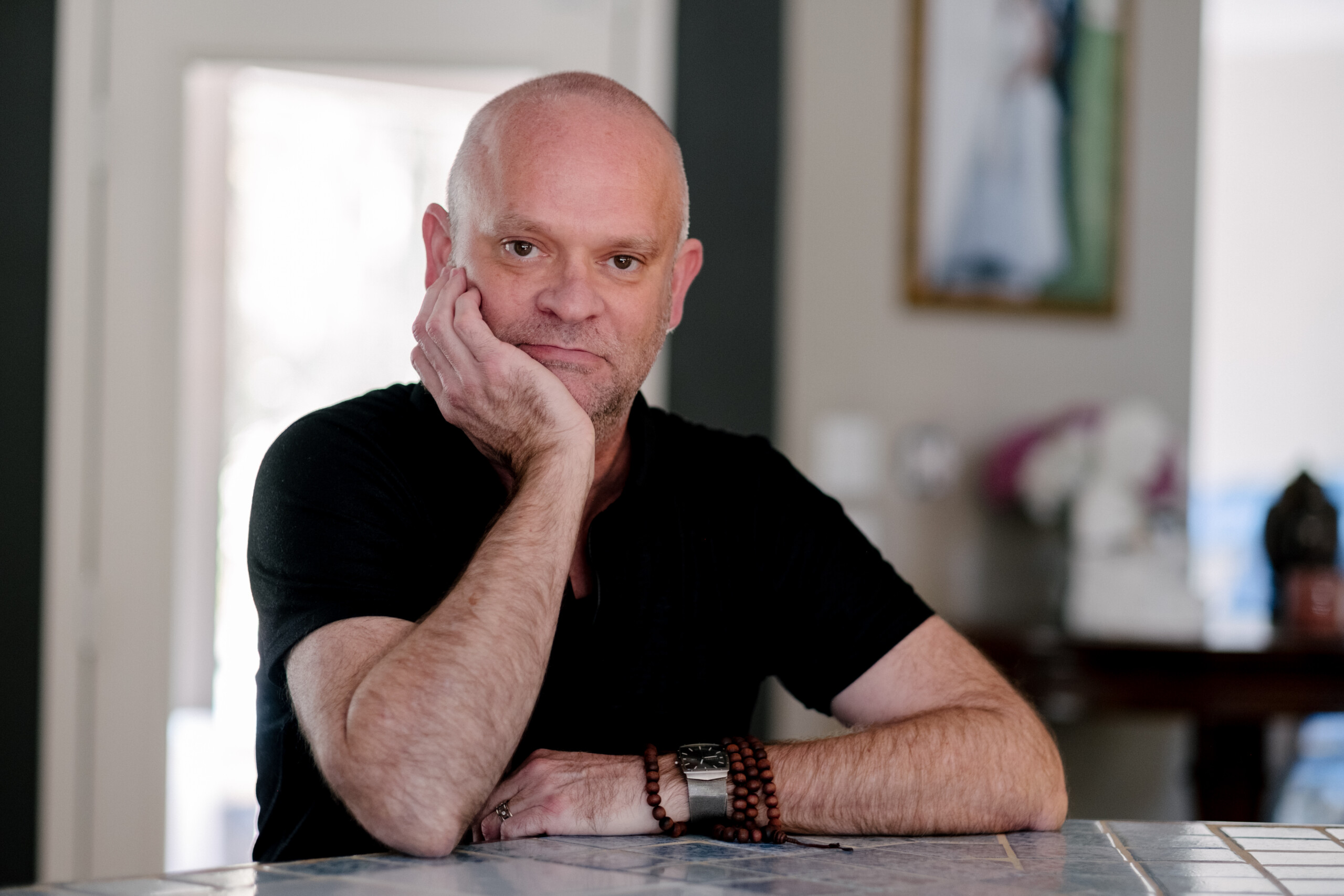
Donovan | Addiction Recovery Through Tibetan Buddhism
Jeff: Recovery, Sangha, and Finding the Dharma in Human Connection
Grace: Finding Healing, Grace, and Everyday Practice in Won Buddhism