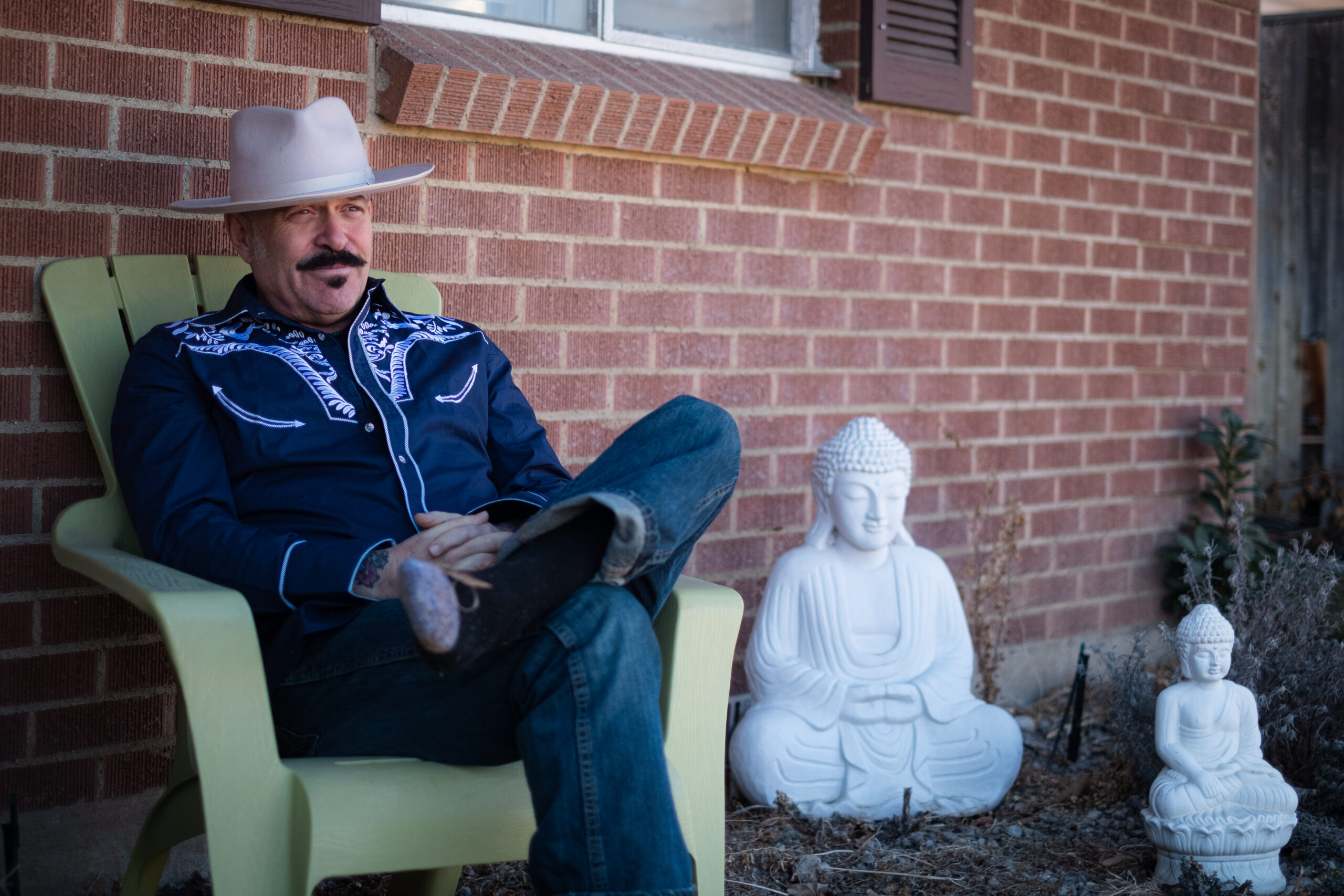
Christopher 2
Salt Lake City, UT
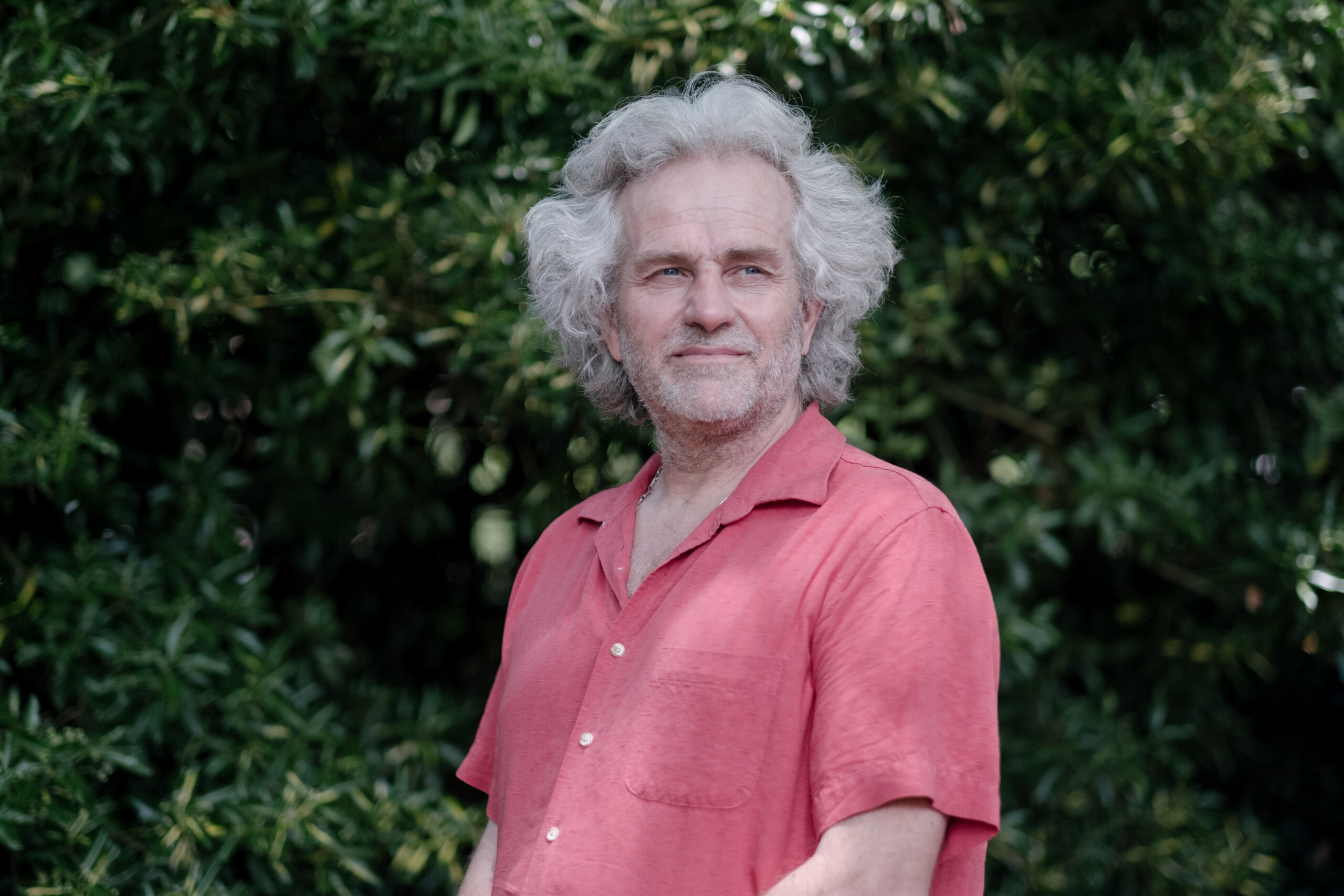
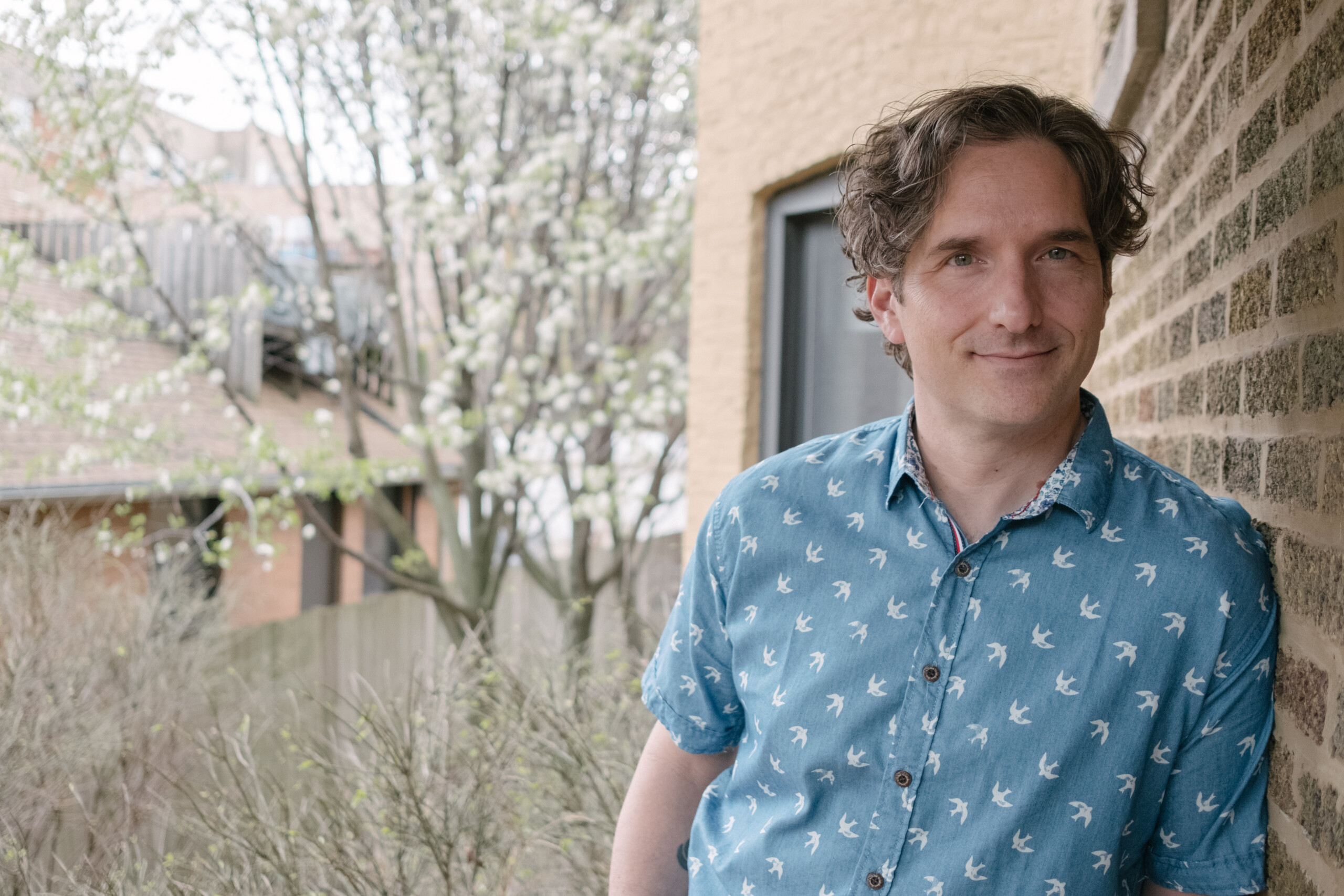
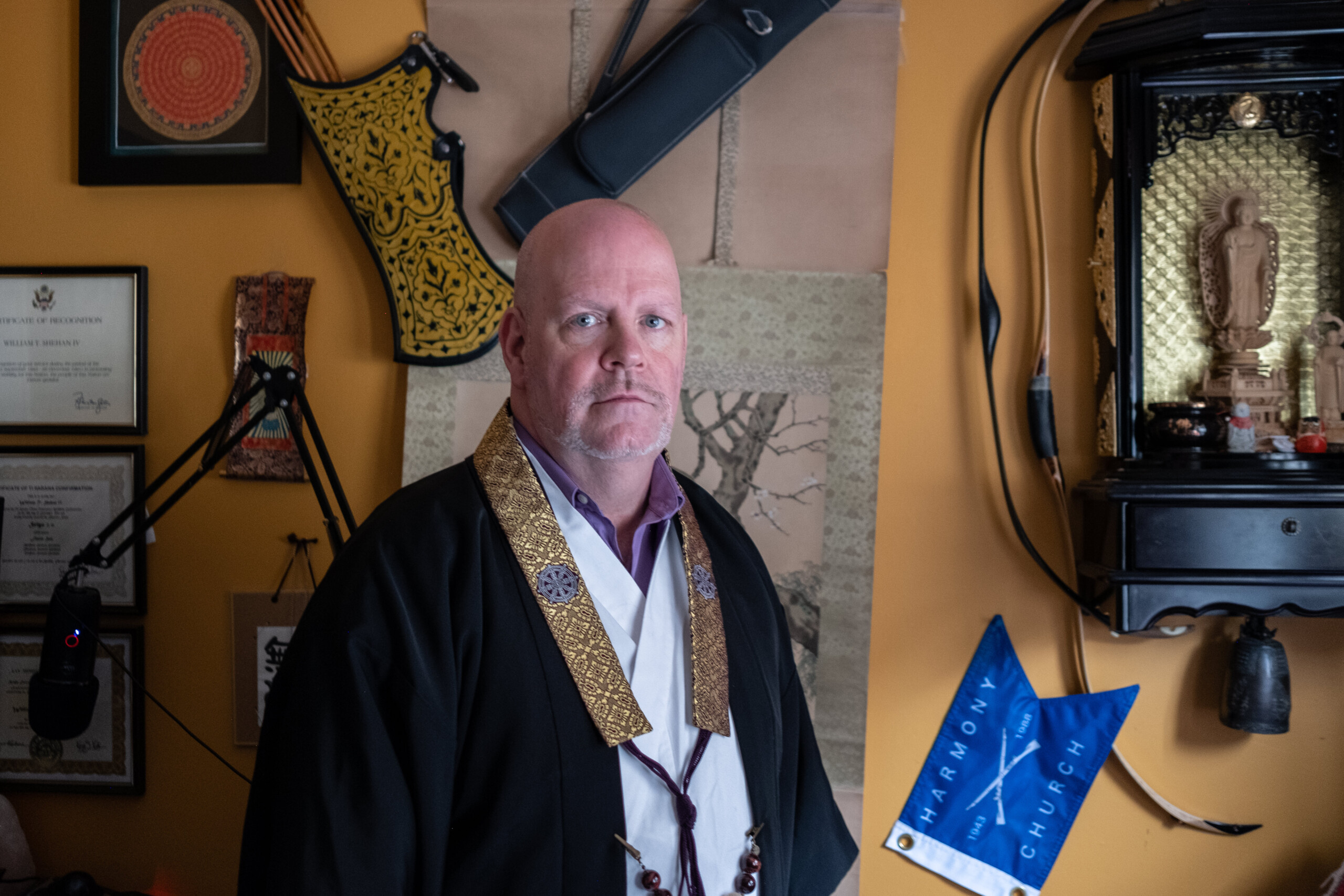
Christopher, a devoted father of two boys named Ronan and Teague, leads a multifaceted life. By day, he serves as a corporate instructional designer, investing 40 to 50 hours a week in his professional role. However, his commitment extends beyond the corporate world. In his free time, Christopher is a lay minister at the Salt Lake Buddhist Fellowship, where he holds the position of founding sensei.
Background
Christopher, a devoted father of two boys named Ronan and Teague, leads a multifaceted life. By day, he serves as a corporate instructional designer, investing 40 to 50 hours a week in his professional role. However, his commitment extends beyond the corporate world. In his free time, Christopher is a lay minister at the Salt Lake Buddhist Fellowship, where he holds the position of founding sensei. This fellowship follows the Bright Dawn Way of Oneness, a newer tradition rooted in mid-20th-century modernization efforts within Buddhism.
Christopher’s spiritual journey has been dynamic, shaped by his diverse experiences. Raised Catholic, he cherished the rituals and cultural aspects but eventually explored various belief systems, including Mormonism. Although he immersed himself in the Latter-day Saint tradition, a sense of spiritual disconnection led him on a quest for deeper meaning.
His exploration took him through indigenous religions, shamanic practices, and deep ecology, but Christopher found a profound connection to Buddhism. Inspired by the book “River of Fire, River of Water,” he founded the Salt Lake Buddhist Fellowship almost nine years ago. Dissatisfied with the religious expressions of Zen Buddhism, he eventually discovered the Bright Dawn Way, which resonated with his desire for a compassion-based Buddhism that integrated seamlessly into everyday life.
Christopher’s spiritual philosophy centers on the belief that everything is a teacher of the Dharma, emphasizing that practice extends beyond meditation cushions to all aspects of life. In the Bright Dawn Way, he found a spiritual home that felt like a long-awaited homecoming, where compassion and mindfulness shape his interactions with family, work, and the world at large.
Voice & Presence
Appeal of the dharma
Christopher, in exploring his spiritual journey, found a profound connection to Buddhism, particularly drawn to its unique perspective on interdependence. Influenced by his experiences with deep ecology, he embraced the concept that everything is ultimately interconnected and codependent in the web of life. This realization deepened as he delved into the Buddha’s awakening experience, where he envisioned the multiplicity of past lives, transcending human existence to empathize with all forms of life.
In contrast to dualistic traditions, Christopher appreciated Buddhism’s emphasis on oneness, a perspective he felt was lacking in other spiritual paths. The matter-of-fact nature of Buddhism, devoid of the concept of sin, resonated with him. Instead of being seen as wicked or disobedient, one’s actions were framed as a result of ignorance—an approach that offered a different way of understanding and addressing personal mistakes.
Spiritual Development
Christopher, delving into more formal and traditional Buddhist practices, reflects on the evolving nature of his personal spiritual journey. Christopher’s personal practice has become more formal over time, incorporating silent meditation, the reading of Zen texts, and the use of bells.
Sangha Development
Christopher, just before the pandemic, reflects on the growth of the fellowship, which averaged 85 to 120 participants on Sundays. The challenge of balancing size and intimacy prompted a desire to cater more to the fellowship’s needs.
Buddhism in the West
Christopher reflects on the widespread misconception that meditation is synonymous with Buddhism, challenging this notion by highlighting the historical reality that meditation was not universally practiced before the 1900s. He emphasizes the importance of understanding that one can be a Buddhist without necessarily being a meditator, encouraging a broader embrace of Buddhism beyond meditation.
Addressing challenges, Christopher notes a tendency for some practitioners to view meditation as a measure of being a “good” Buddhist, creating a potential barrier for those not naturally drawn to meditation. He advocates for a more inclusive approach, where individuals can adopt Buddhist principles in various ways, such as following the precepts or the Eightfold Path, without necessarily engaging in formal meditation.
Christopher identifies a broader challenge related to a Western ethnocentric bias, critiquing the prevalent representation of predominantly white teachers in Buddhist magazines. He expresses frustration with the insistence on packaging Buddhism in a scientific framework, asserting that the richness of Buddhist traditions, including rituals like bowing and the use of incense, should be valued rather than dismissed.
Another challenge Christopher addresses is the post-religious stress disorder, where anything resembling religion is often rejected. He notes a Western tendency to impose a specific cultural framework on Buddhism and criticizes the elitism that undermines traditional Asian practices. Christopher underscores the importance of recognizing and respecting diverse entry points to the Dharma, whether through secular groups, mindfulness practices, or traditional Buddhist rituals.
In his own nontraditional Buddhist group, Christopher observes a delicate balance, where mutual respect allows for coexistence of diverse beliefs and practices. He highlights the core values that unite practitioners, such as compassionate action, interdependence, impermanence, and non-self, emphasizing that the common ground should be more significant than the differences that often create divisions in various contexts.
Come as your are
Christopher reflects on the core teachings of their tradition, emphasizing the significance of the four noble truths, the eightfold path, the five precepts, and the bodhisattva vows. He particularly underscores the impossibility of the bodhisattva vows, highlighting their perpetual nature that demands ongoing practice.
Initially, Christopher attempted to structure the fellowship as a Zen Buddhist dojo, but he found this approach limiting. He delves into the meaning of the Amitabha chant and the phrase “come as you are,” recognizing its power as an invitation that allows individuals to be present without the burden of expectations. He explores the idea that the compassionate Buddha, often depicted standing up, is actively moving toward individuals.
The intentional translation of “now more amenable to” signifies an intentional shift in perception. Christopher shares a poem encapsulating the essence of their practice, emphasizing acceptance as the starting point for transcendence and freedom. He discusses the challenges of familial trauma in Western society and the universal need for an invitation to come as one is.
Christopher envisions the fellowship as a place where individuals can attend to themselves and others just as they are, fostering action rather than passive acceptance. He acknowledges the impact of marketing and intention in making the concept effective. The fellowship’s inclusivity extends to individuals of any faith or those without a Buddhist commitment, emphasizing the importance of the intention behind the “come as you are” invitation. Christopher concludes by expressing uncertainty about the long-term effectiveness of their approach, drawing on the concepts of the relative and absolute.
Learn more
Registration is required to view the complete profile and support the project.