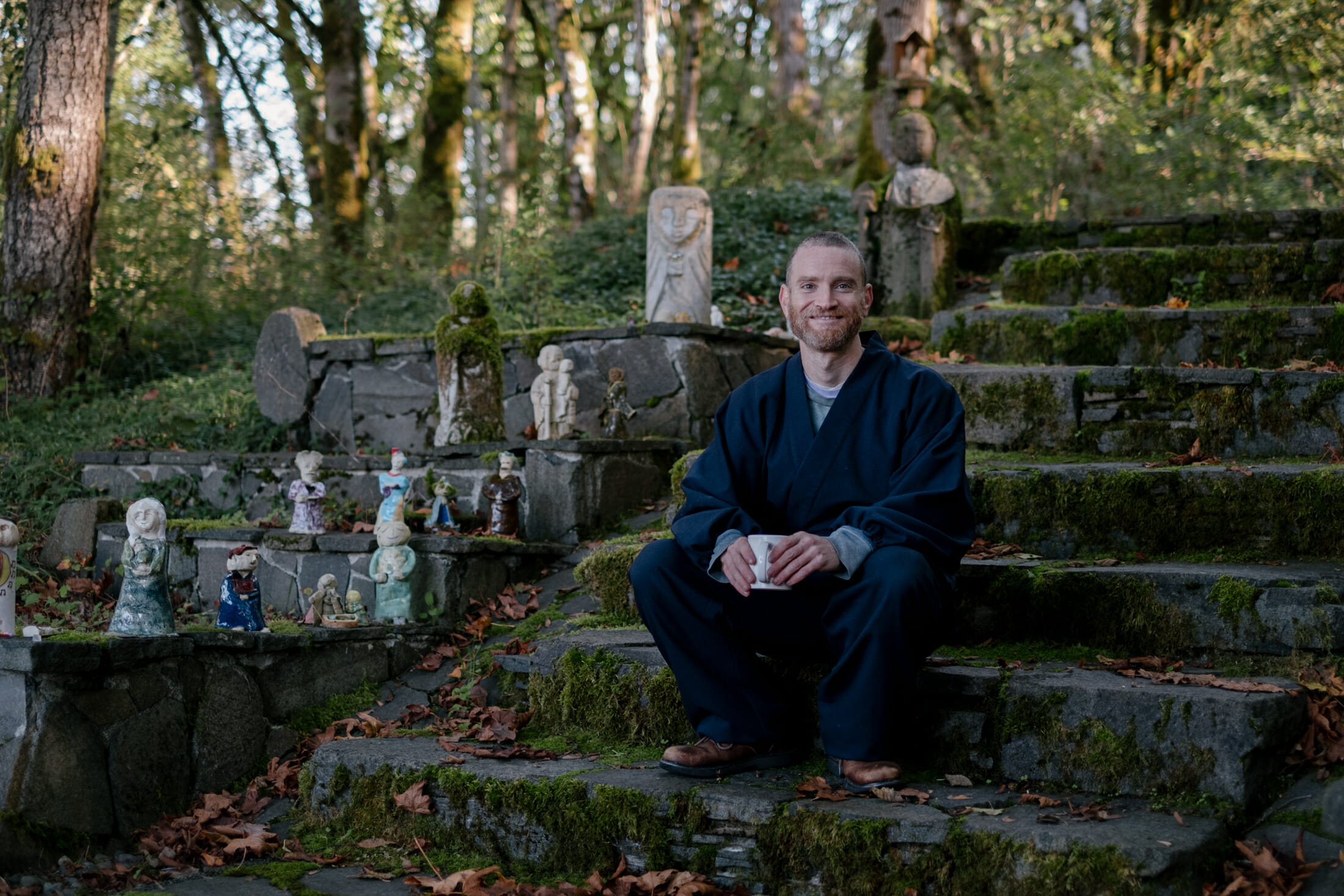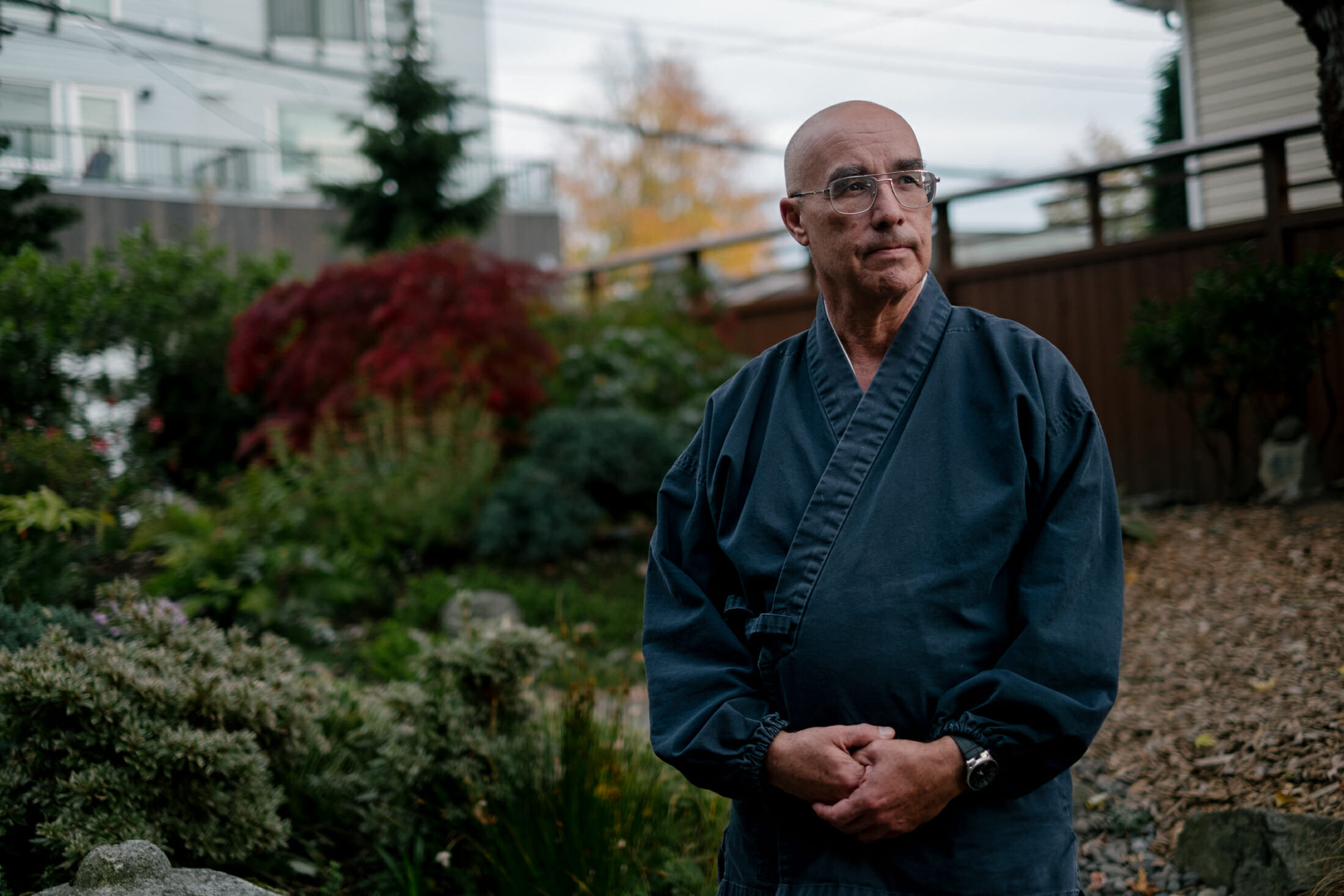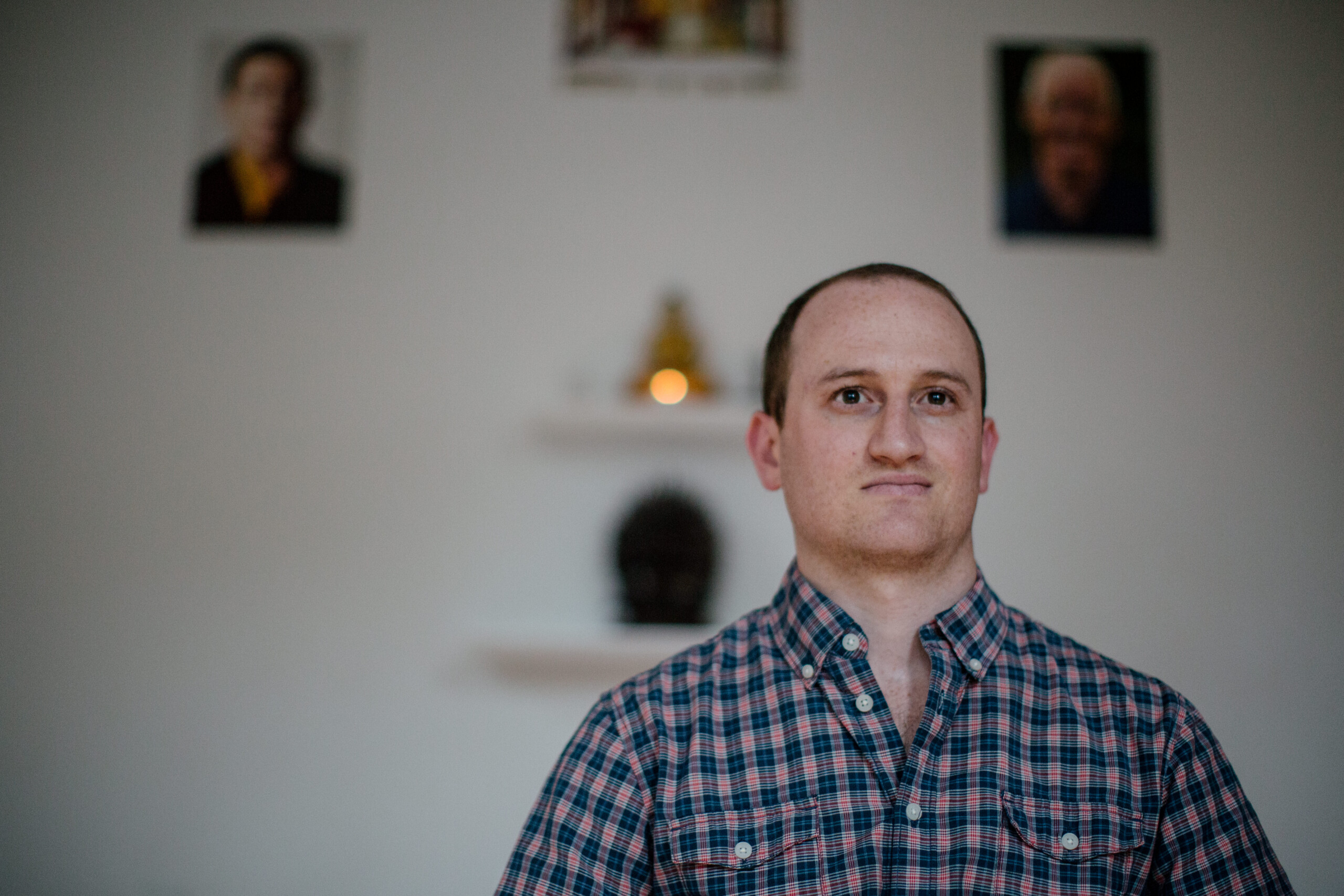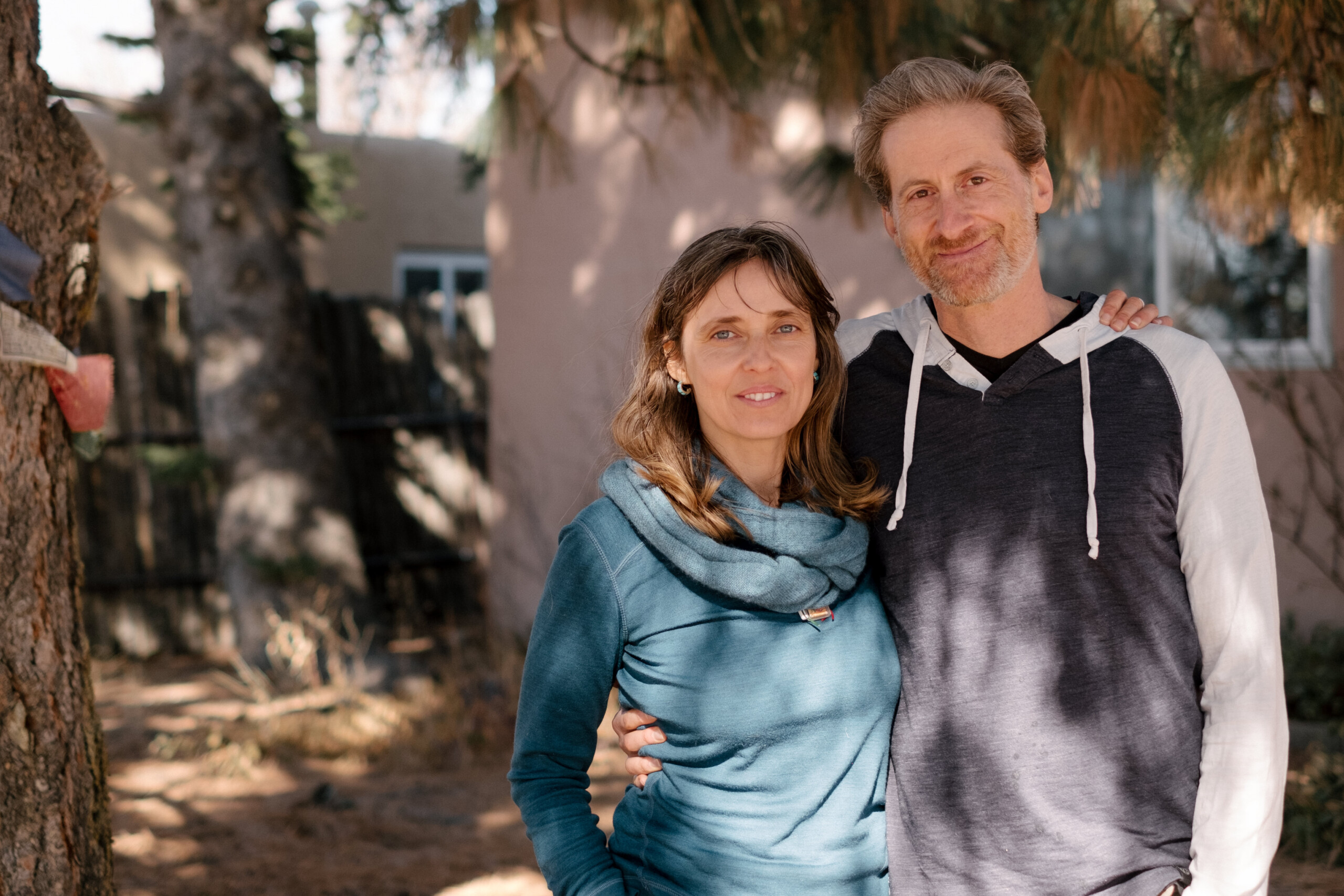
Joking in 1980 as I introduced myself to the workshop leader of a weeklong seminar entitled “Owning your Religious Past”, I described myself as a Zen-Baptist. It was an attempt at the time to show off my witty nature to the attractive teacher. She and I remain married.
Michael 2
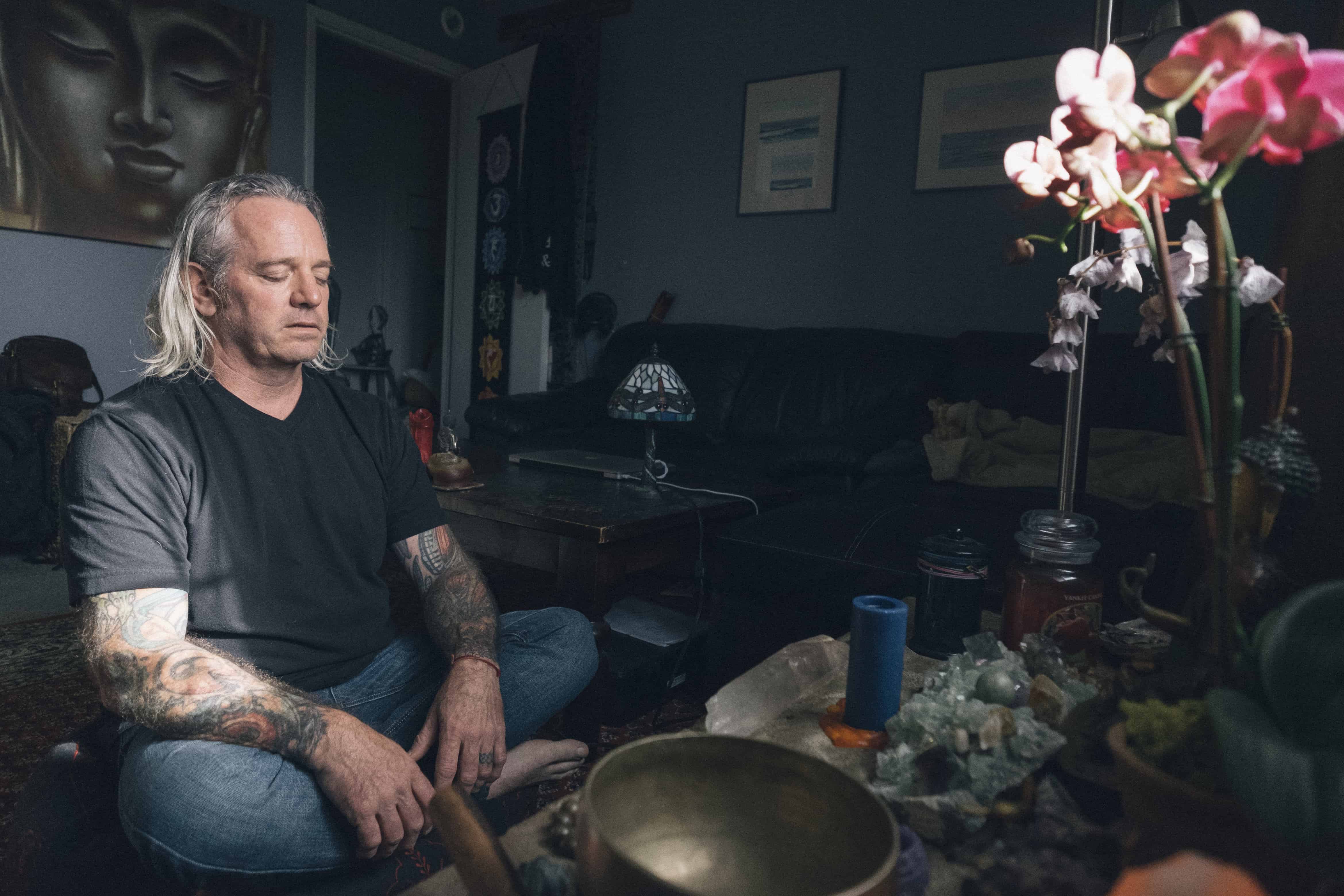
ronak2026-08-27T05:58:03+00:00Michael delved into Eastern traditions, studying with various teachers, including a yoga master who deeply influenced him. Becoming a certified yoga teacher and massage practitioner, he aimed to help others recognize the unseen energies that influence mind and body. Encountering Buddhist teachings, specifically in the Vajrayana tradition, Michael delved into understanding the nature of the mind and one's true self. The teachings prompted him to question the nature of perception and explore the interplay between thought and reality. The Buddhist tradition became a guide for settling the mind and recognizing one's absolute identity. Encountering Buddhist teachings, specifically in the Vajrayana tradition, Michael delved into understanding the nature of the mind and one's true self. The teachings prompted him to question the nature of perception and explore the interplay between thought and reality. The Buddhist tradition became a guide for settling the mind and recognizing one's absolute identity.
Jude & Emma: Buddhism, Marriage and the Practice of Interdependence
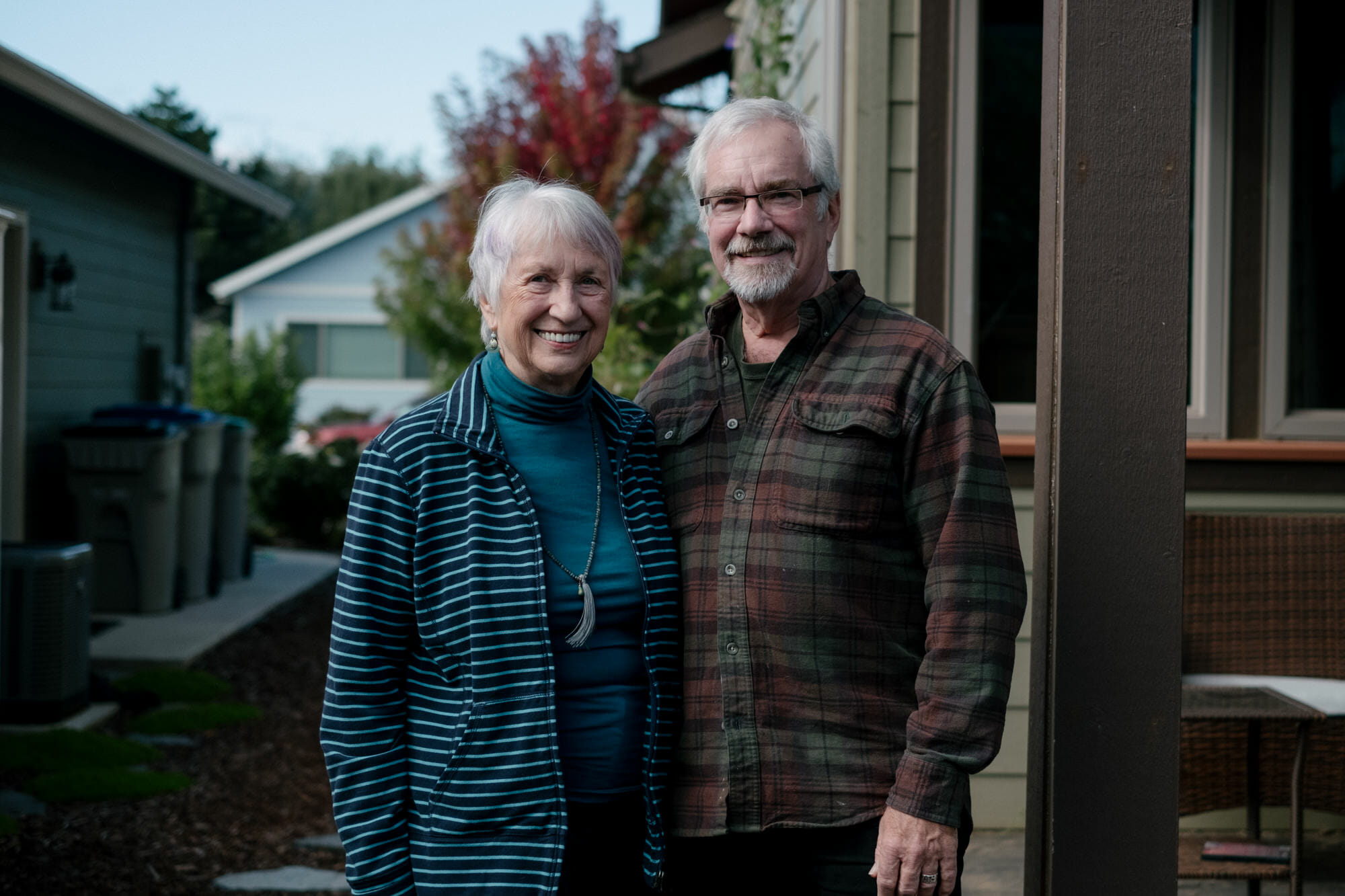
ronak2026-08-26T05:59:51+00:00For Jude and Emma, Buddhism is not simply a practice that happens on the meditation cushion—it has become part of their marriage, parenting, careers, and everyday relationships. Raised in Catholic families in Kansas, their spiritual journeys gradually led them toward Buddhism, from early encounters with Zen to Tibetan Buddhist teachings, meditation, sangha, and the exploration of emptiness and interdependence. Over more than two decades of marriage, their Buddhist paths have evolved in different ways. Jude remains drawn to the discipline and simplicity of Zen alongside Tibetan Buddhist philosophy, while Emma finds meaning in mindfulness, community, and bringing Buddhist practice into ordinary human connection. Rather than pulling them apart, these differences have become part of their practice together. Through marriage, raising children, navigating careers, and confronting the inevitable conflicts of family life, Jude and Emma have discovered that some of Buddhism’s deepest teachings are revealed through relationship. Their story explores what it means to move Buddhist practice beyond the cushion—to see marriage as a practice of letting go, parenting as an opportunity for mindfulness, and interdependence not simply as Buddhist philosophy, but as something lived every day.
Jogen: Living Zen Beyond the Cushion — Practice, Monastic Life, and the Path of Awakening
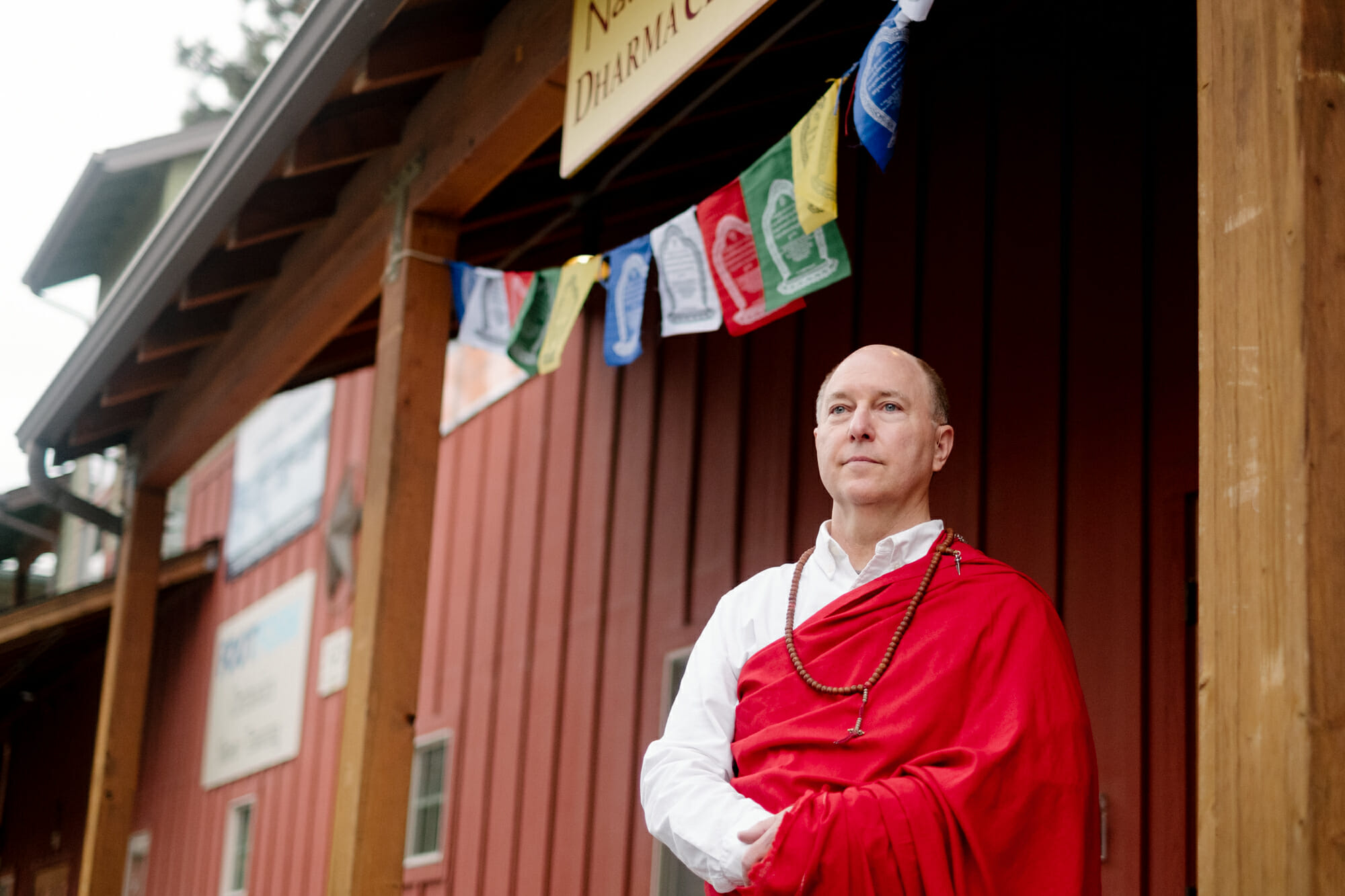
ronak2026-08-26T05:59:19+00:00For Jogen, Zen Buddhism is not simply a meditation practice—it is a way of meeting life. Through monastic training, meditation, community, and the ordinary challenges of living alongside others, he has discovered that every moment can become part of the path. His journey reveals a Zen practice grounded in direct experience rather than belief, where transformation comes through consistency, patience, and a willingness to meet whatever arises. For those beginning their own Buddhist path, Jogen offers a simple reminder: don’t chase perfection or awakening. Practice, stay curious, find good teachers and community, and keep showing up. Over time, the distinction between life and practice begins to disappear.
Genjo: Zen Practice, Lineage, and Bringing Awakening Into Everyday Life
ronak2026-08-26T05:58:17+00:00Genjo’s journey into Zen began with skepticism and a search to understand the nature of existence. What he discovered was not a belief system, but a practice grounded in direct experience. Moving from Soto to Rinzai Zen, decades of meditation, retreats, koan study, teaching, and community engagement shaped his understanding that awakening cannot remain on the cushion. The meditation hall is the laboratory; everyday life is where the practice is tested. For Genjo, Zen means meeting ordinary life with awareness—through relationships, work, service, social responsibility, and the inevitable difficulties of being human. His approach also challenges the idealization of spiritual teachers, emphasizing that teachers are human and that life itself ultimately becomes our greatest teacher.
Alex G: Bringing Buddhist Practice Into Work, Relationships, and Everyday Life
ronak2026-08-26T05:57:05+00:00For Alex G, Buddhism is not something confined to the meditation cushion—it is a practice meant to be woven into every part of life. From discovering Buddhist teachings while studying at the University of Wisconsin–Madison to exploring different contemplative traditions and eventually committing more deeply to Mahamudra practice, Alex’s journey has been guided by curiosity, critical thinking, and direct experience. As a leader in sales and business development, Alex brings Buddhist principles into the pressures and relationships of professional life. Rather than seeing mindfulness as an escape from difficult situations, he uses practice to create space around them—to respond with greater clarity, compassion, and perspective. His approach reflects a central insight from his practice: external circumstances may not always be controllable, but how we meet them can be transformed. Alex also speaks to the importance of Sangha, retreat, teachers, and lineage. After years of exploration, he came to recognize that spiritual growth requires more than collecting experiences. At some point, exploration must give way to depth. For Alex, Buddhist practice is ultimately about developing the stability to remain present in the midst of life—to become, as he describes it, the “calm at the center of the storm.”
Willy & Kim: Buddhism, Art, Relationship, and the Transformative Power of Practice
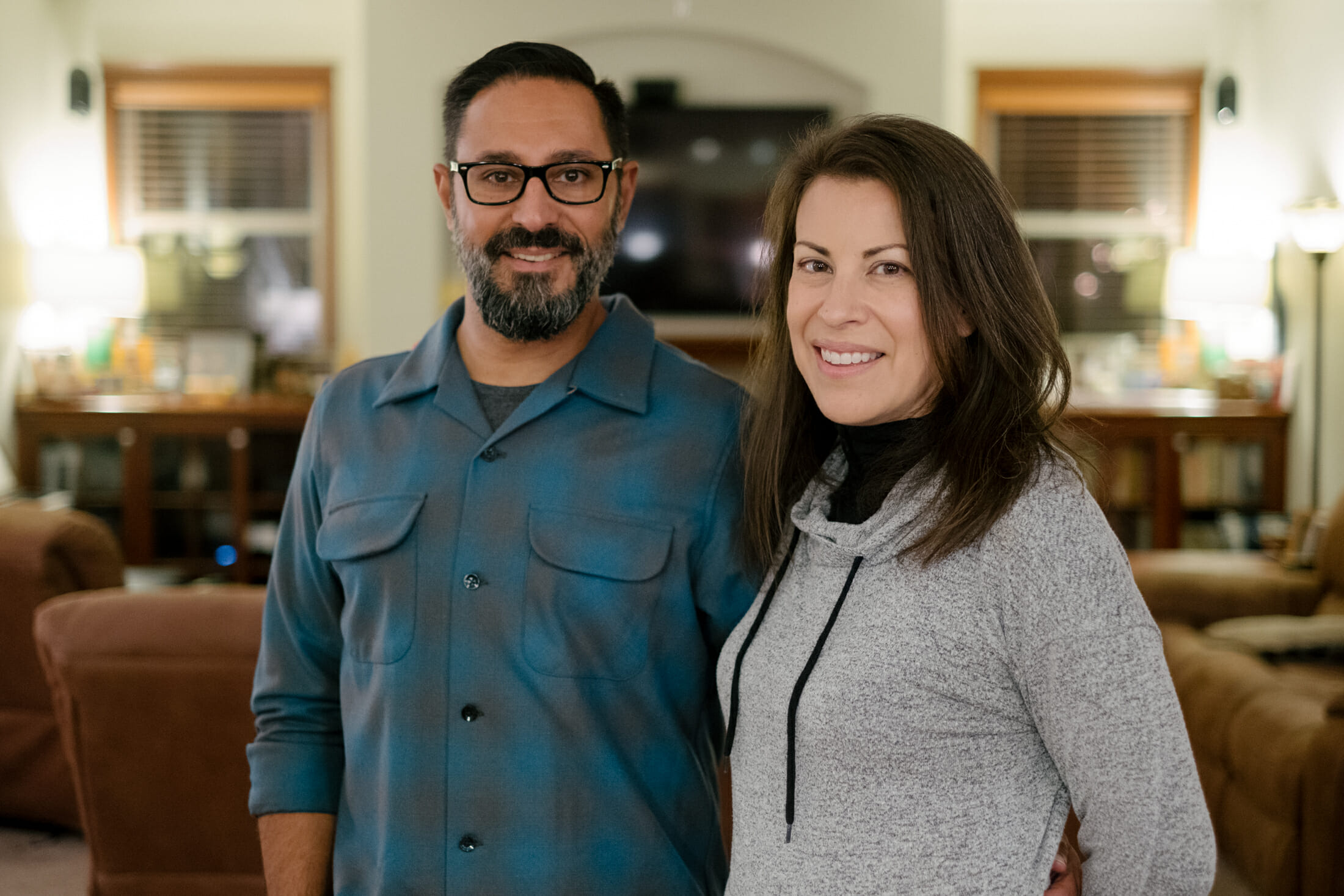
ronak2026-08-26T05:56:26+00:00For Willy and Kim, Buddhism is not something practiced only on the meditation cushion—it is a path lived through relationship, creativity, community, and the challenges of everyday life. Willy’s journey began with a search that took him beyond intellectual knowledge, through India, encounters with spiritual teachers, and eventually into Tibetan Buddhism, where Ngöndro, Mahamudra, lineage, and Sangha became central to his practice. Kim’s path carries a different thread. Her earliest connection to Buddhism came through her Korean grandmother, but it was through art—and eventually her relationship with Willy—that Buddhism became a living spiritual practice. For Kim, creativity opens a doorway beyond the limited self, while Buddhist teachings on emptiness and impermanence offer a framework for understanding the freedom and possibility she encounters through art. Together, Willy and Kim reveal what happens when Buddhist practice enters the intimacy of a relationship. Meditation gives them space to step outside conflict, recognize habitual patterns, take responsibility for their actions, and remember that practice ultimately means learning how to benefit the person directly in front of you. Their story also speaks to the importance of Sangha as a mirror—one that keeps practice grounded, challenges the ego, and turns Buddhist teachings into something tested through real human relationships
Aaron’s Journey Through Zen, Yoga, and the Transformative Power of Buddhist Retreat
ronak2026-08-26T05:55:52+00:00Aaron’s Buddhist journey began with an intense awakening experience at eighteen that fundamentally changed the direction of his life. Searching for a way to understand and ground that experience, he turned first to Ashtanga yoga and later discovered the rigor of Zen meditation and monastic practice. Through retreats, teachers, Sangha, and years of dedicated practice, Aaron came to see monasteries not as places of escape, but as powerful training grounds for developing clarity, compassion, and freedom from suffering. His experience ultimately inspired Dharma Gates, an effort to connect young people with Buddhist practice, retreat opportunities, and contemplative communities. At the heart of Aaron’s path is a conviction that genuine transformation requires more than spiritual experiences—it requires commitment, trustworthy lineage, community, and the willingness to go deeply into practice.