William 2
Chicago, IL
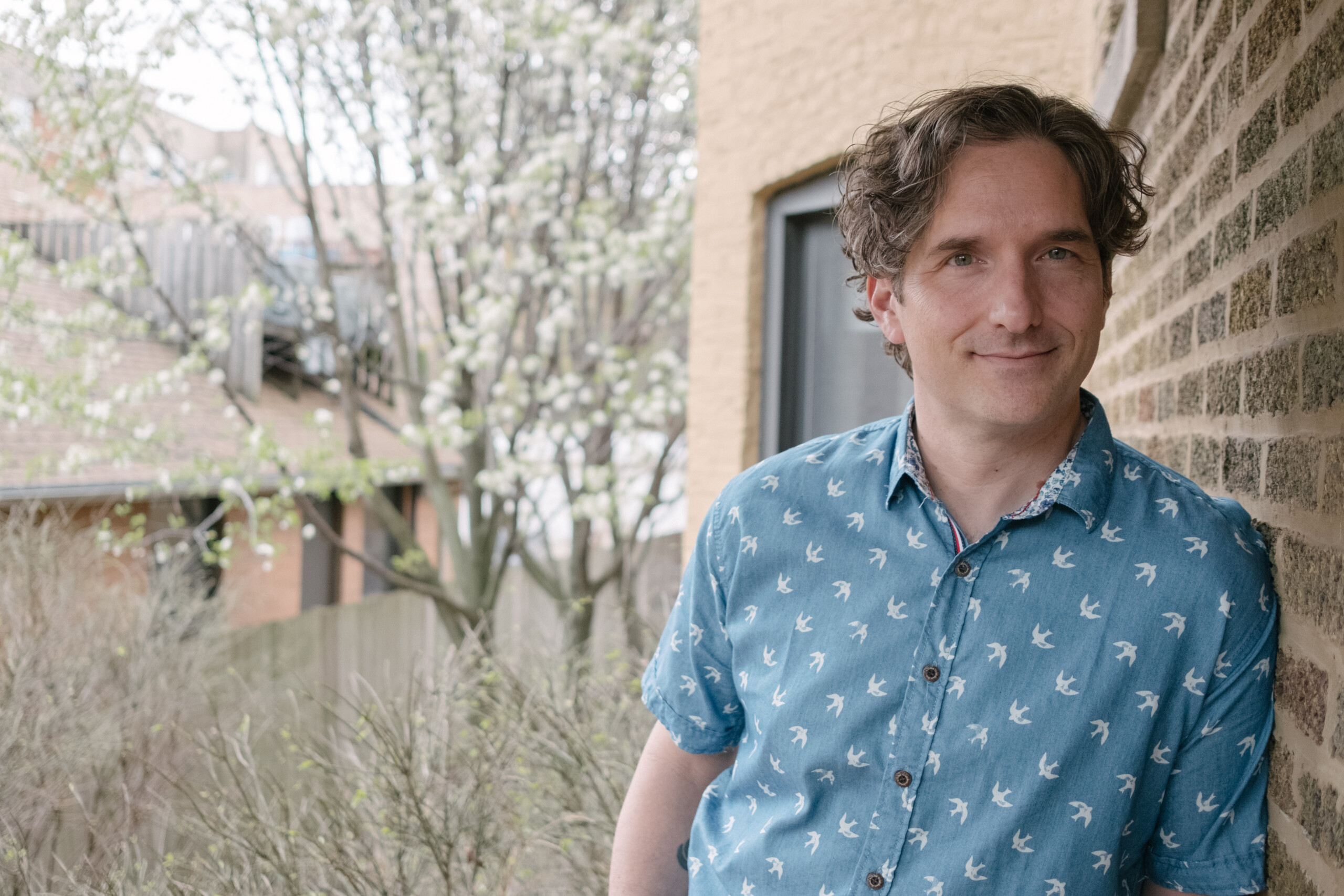
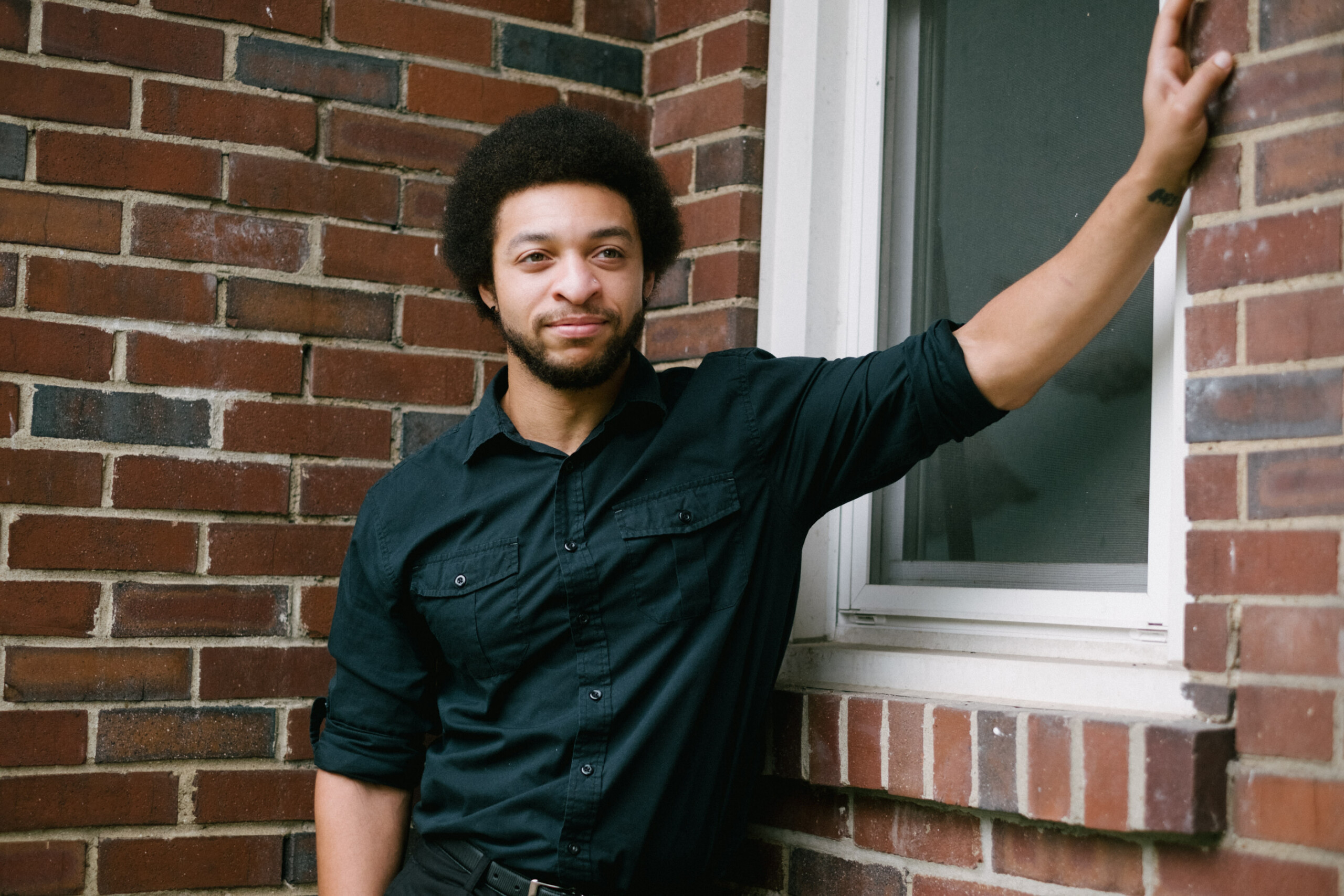
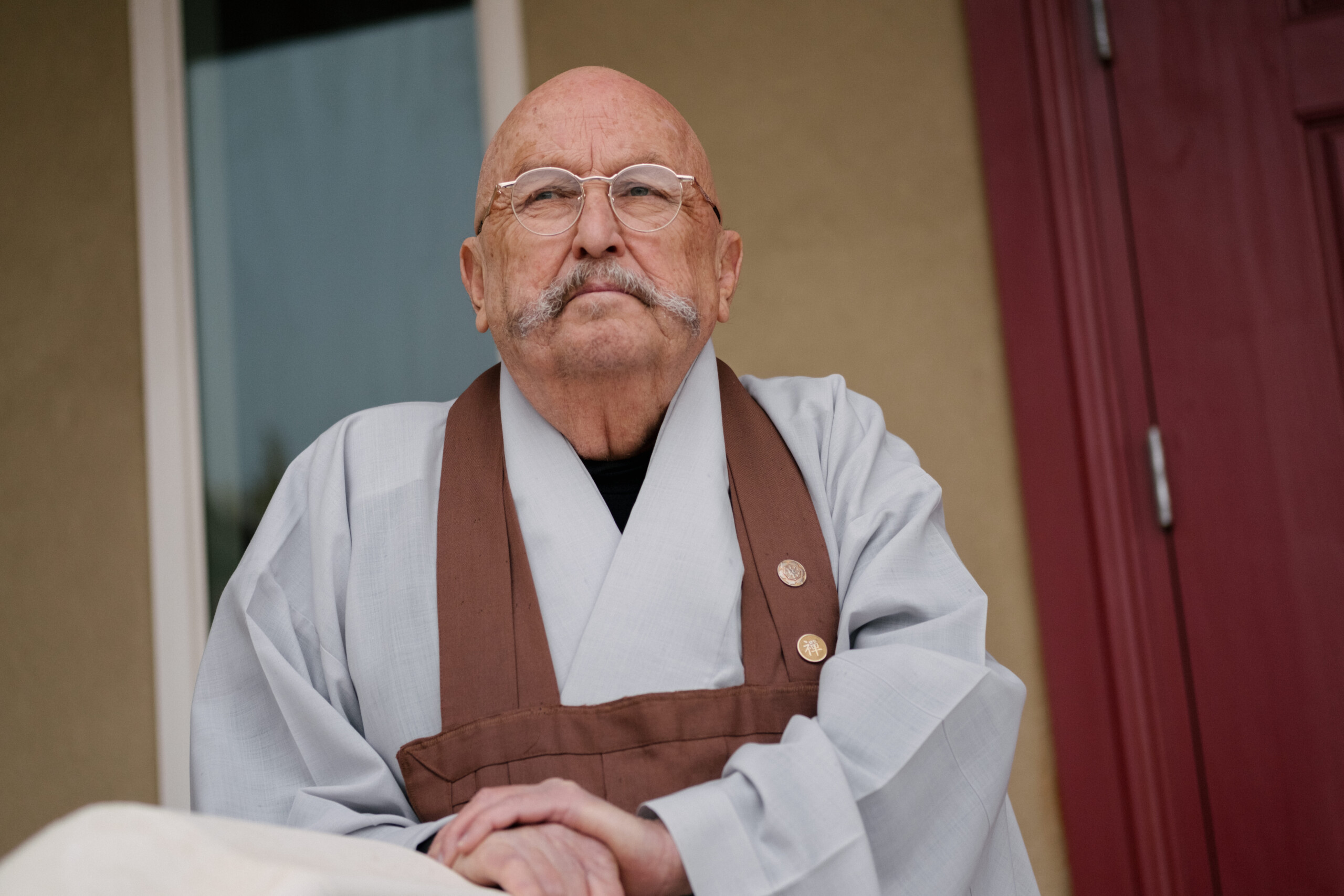
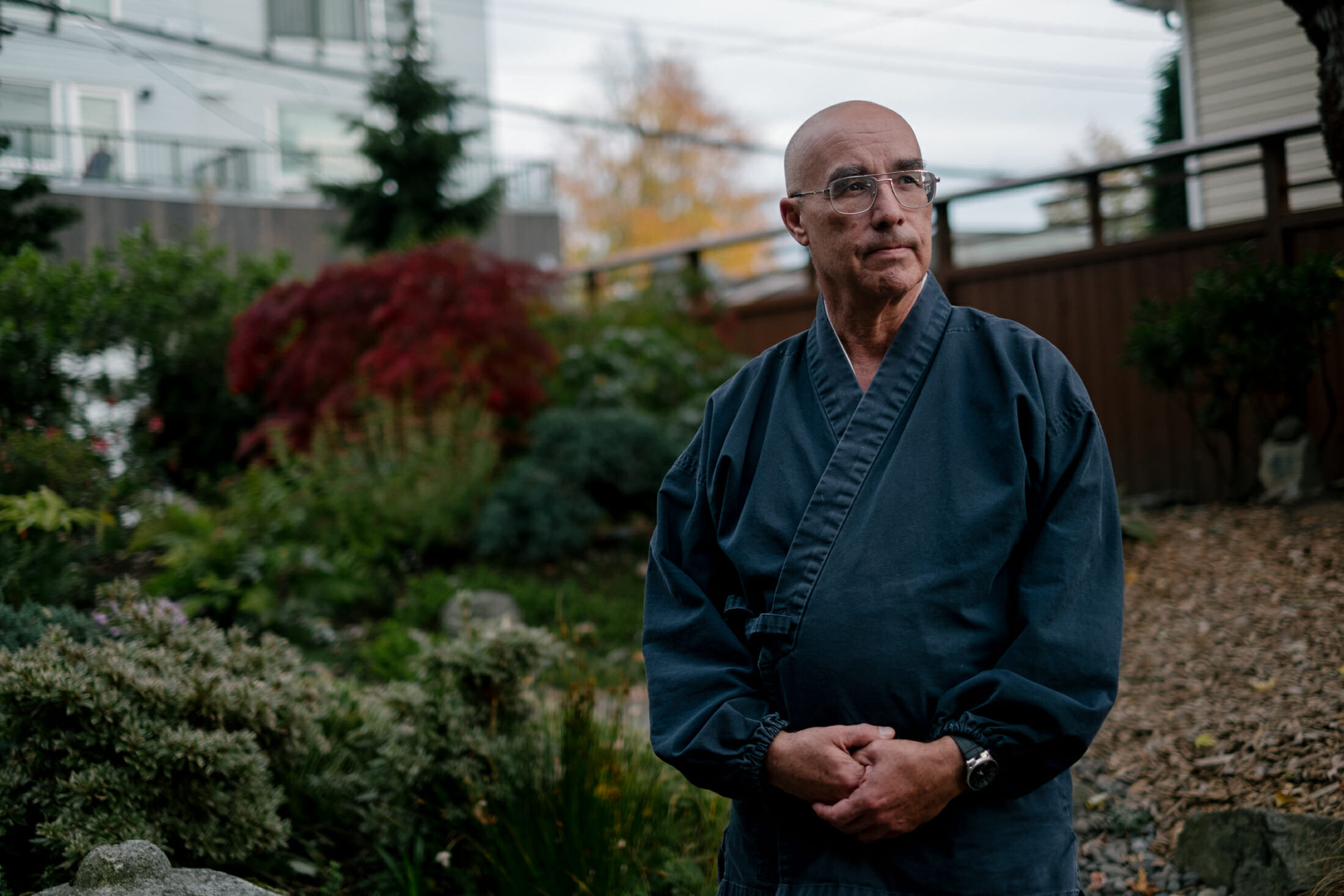
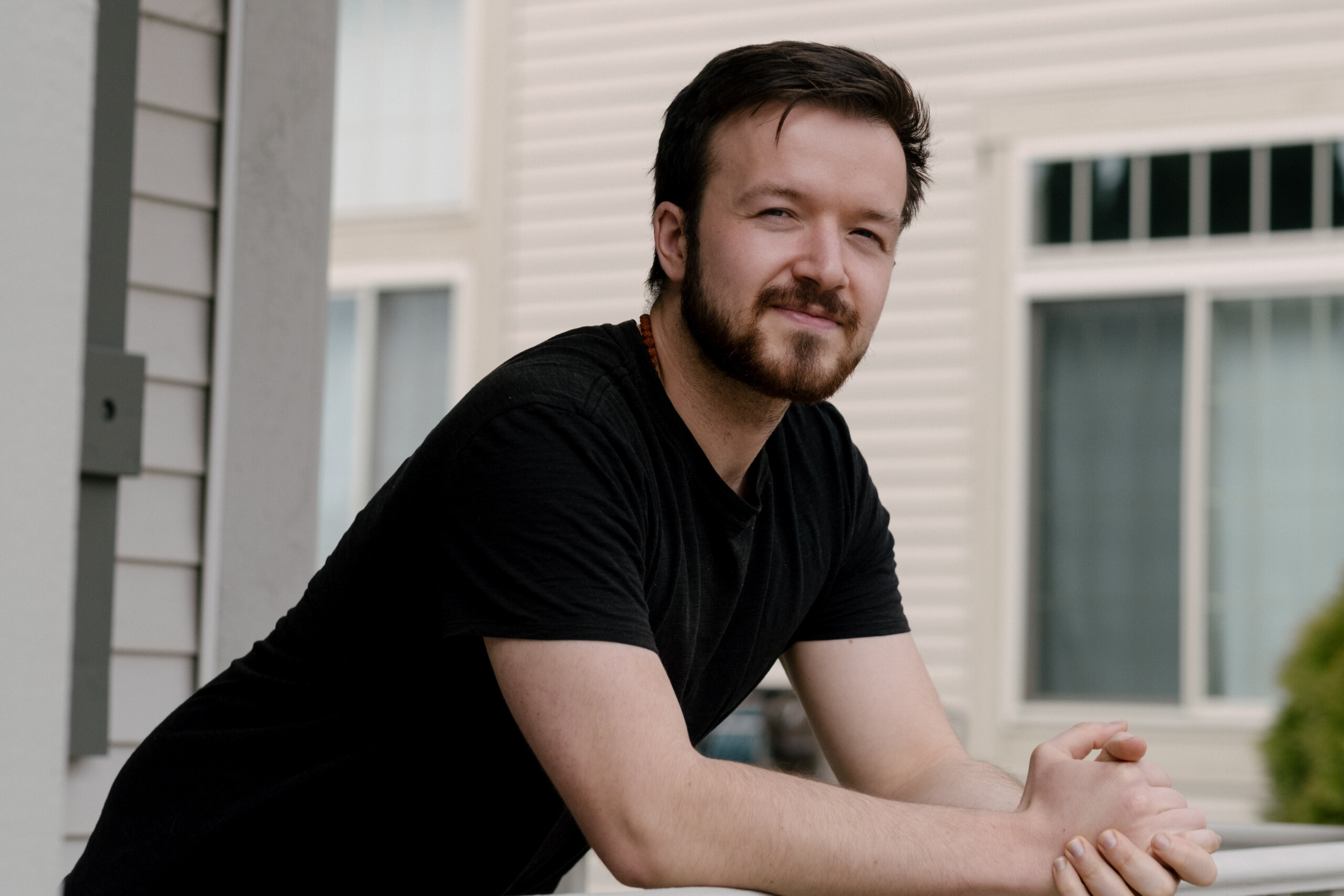
William, a combat veteran with a diverse background, is deeply connected to his roots despite being far from them. Born in Charleston, South Carolina, to a Protestant minister grandfather and a missionary grandmother, he was exposed to various cultures during his travels with his grandmother to places like Central and South America, Pakistan, and more.
Background
William, a combat veteran with a diverse background, is deeply connected to his roots despite being far from them. Born in Charleston, South Carolina, to a Protestant minister grandfather and a missionary grandmother, he was exposed to various cultures during his travels with his grandmother to places like Central and South America, Pakistan, and more.
His journey into Buddhism began while traveling with his grandmother as a missionary. Despite initially considering following in his grandfather’s religious footsteps, William found himself drawn to Buddhism. This interest deepened during his time in the military, where he sought solace in Buddhism’s teachings while enduring challenging training.
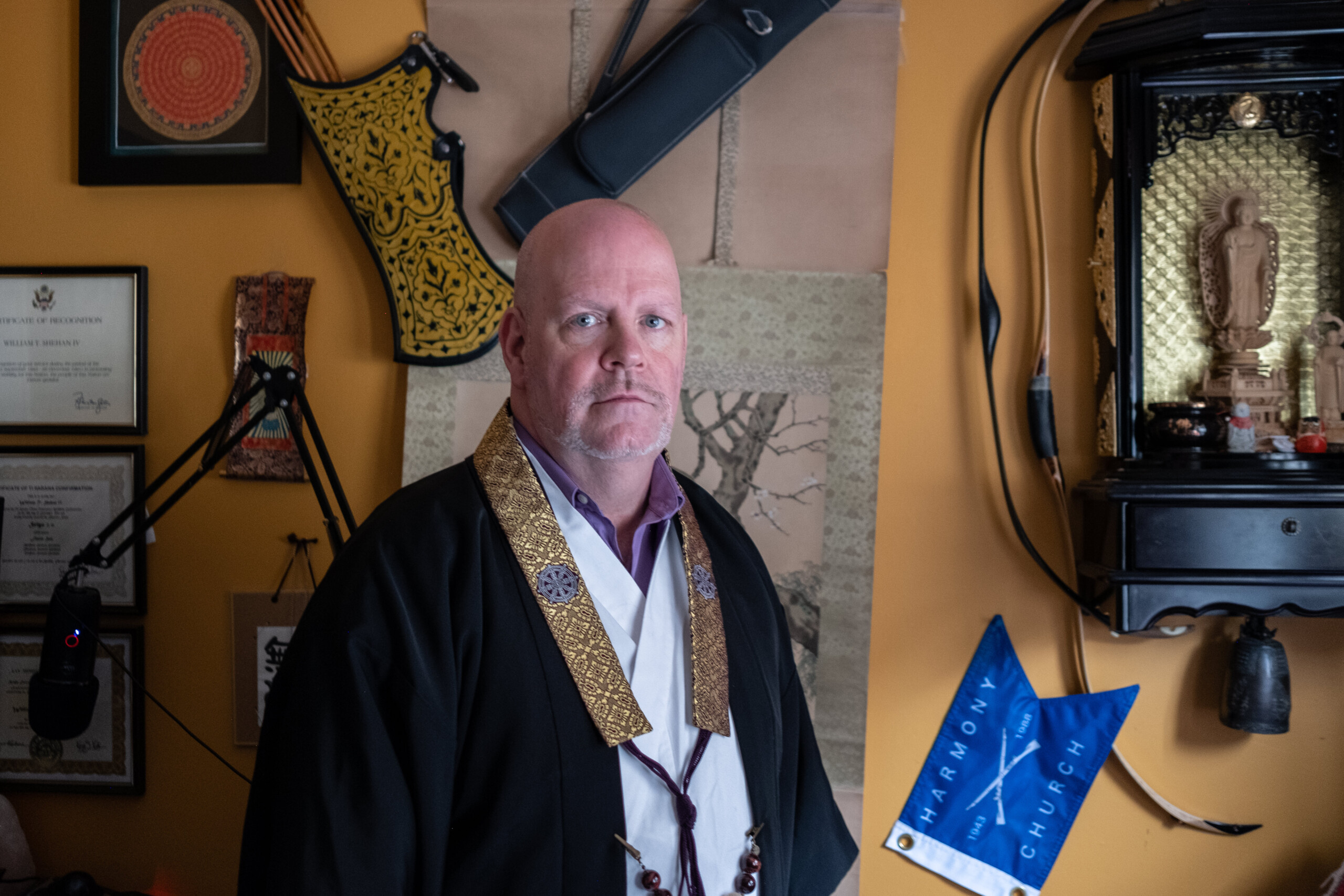
After leaving the military, William faced physical and mental challenges due to combat injuries, including a traumatic brain injury. His life took a positive turn when he met his wife, Renee, who encouraged him to seek medical help. This led him to the Veterans Administration at Jesse Brown VA Hospital in Chicago, where he now serves as the Buddhist chaplain.
William’s commitment to helping veterans extends beyond his role as a chaplain. He runs a nonprofit for veterans, assisting them with PTSD and navigating the complexities of the veterans’ system. His work is inspired by his grandmother’s compassionate efforts, which included delivering medicine and building homes for those in need.
Despite his physical challenges, William remains dedicated to his mission. He emphasizes inclusivity and interfaith cooperation, drawing on his diverse experiences with different cultures and religions. He has explored various traditions, including martial arts and Zen Buddhism, shaping his unique perspective on spirituality.
Throughout his journey, William has met influential figures like Reverend Campbell and Dr. Buncha, who have contributed to his understanding of Buddhism. Despite exploring different traditions, William remains true to his compassionate and inclusive approach, carrying on the legacy of his grandmother’s work.
In summary, William’s life is a tapestry woven with threads of diverse experiences, marked by his dedication to helping others, particularly veterans, and his exploration of spirituality across different traditions.
Voice & Presence
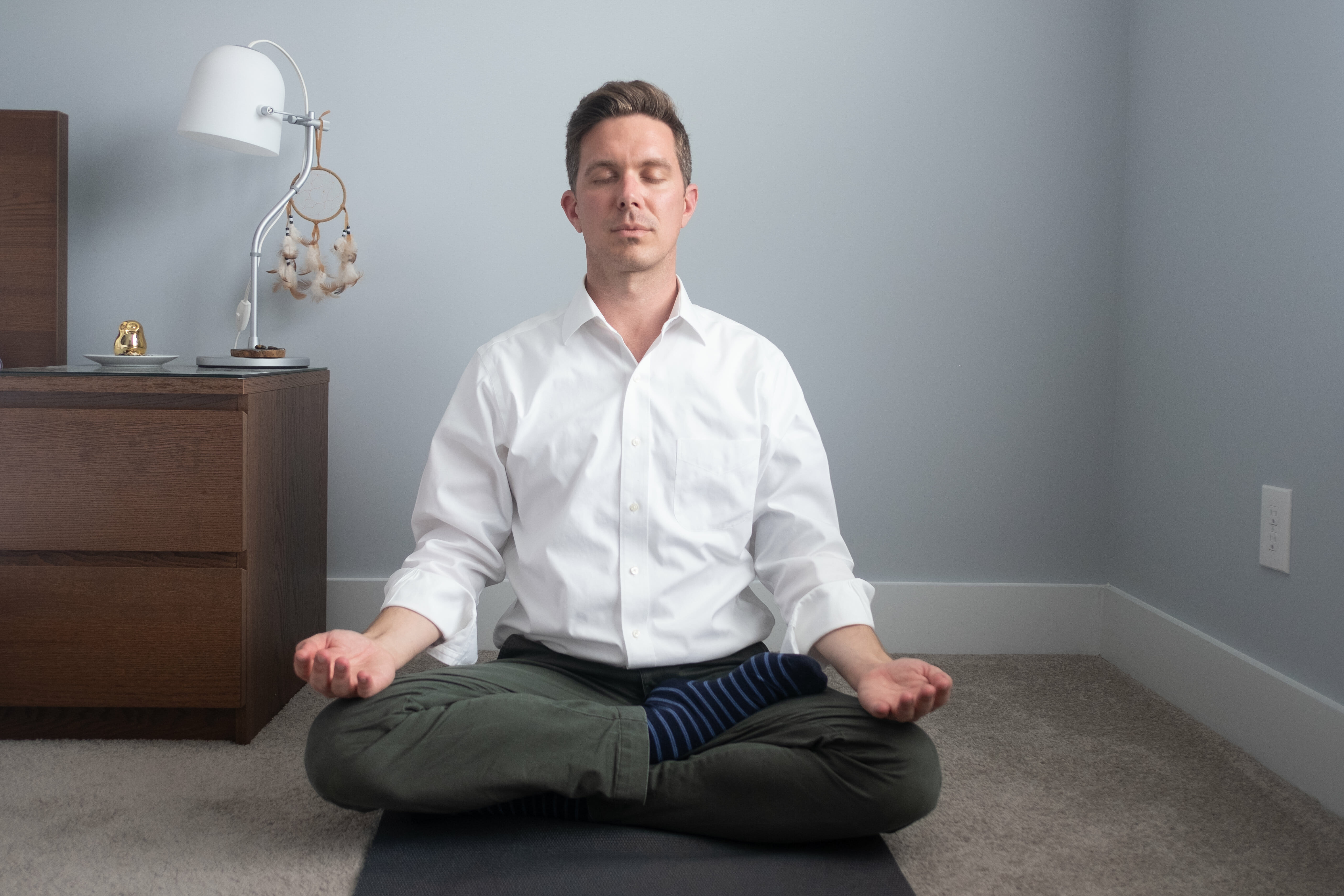
Meditation
William reflects on the limitations and potential pitfalls of meditation, noting that it may not work for everyone and can even increase anxiety or depression in some cases. He critiques the abundance of meditation apps and the commercialization of mindfulness, emphasizing the importance of incorporating the Dharma, or Buddhist teachings, into meditation practices.
For William, meditation is a tool within his broader practice, including haiku, martial arts, and Buddhism. He shares his belief in the value of selfless acts, emphasizing the importance of being aware without seeking personal recognition. His teachings include concepts of compassion, gratitude, and the joy derived from giving and receiving.
Relationships
William reflects on his late wife’s spiritual journey, describing her upbringing in the Catholic tradition and her early achievements as a concert pianist. Despite her dedication to Catholicism, she faced challenges and questions, especially after her divorce and excommunication from the church.
Teachings
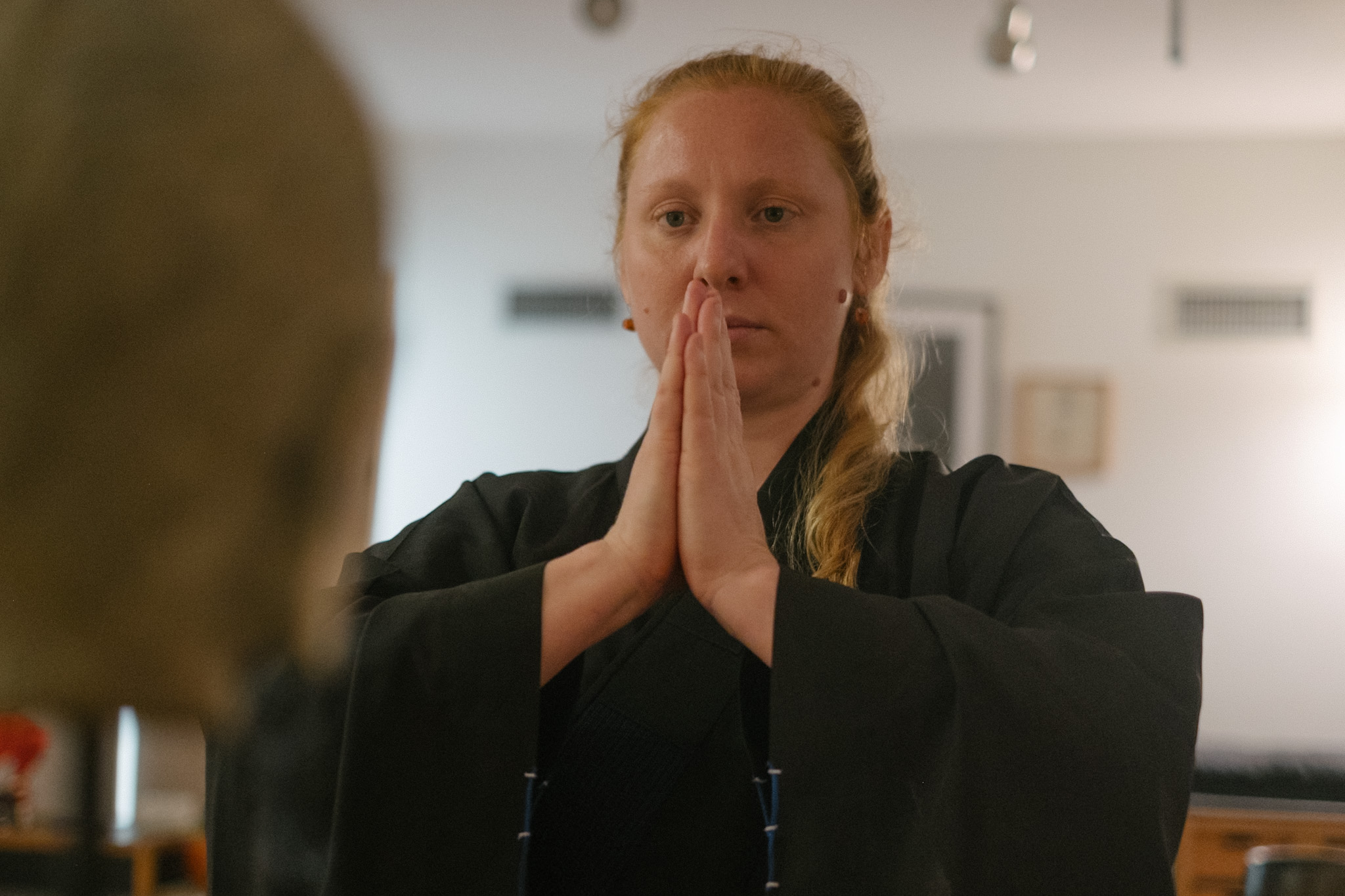
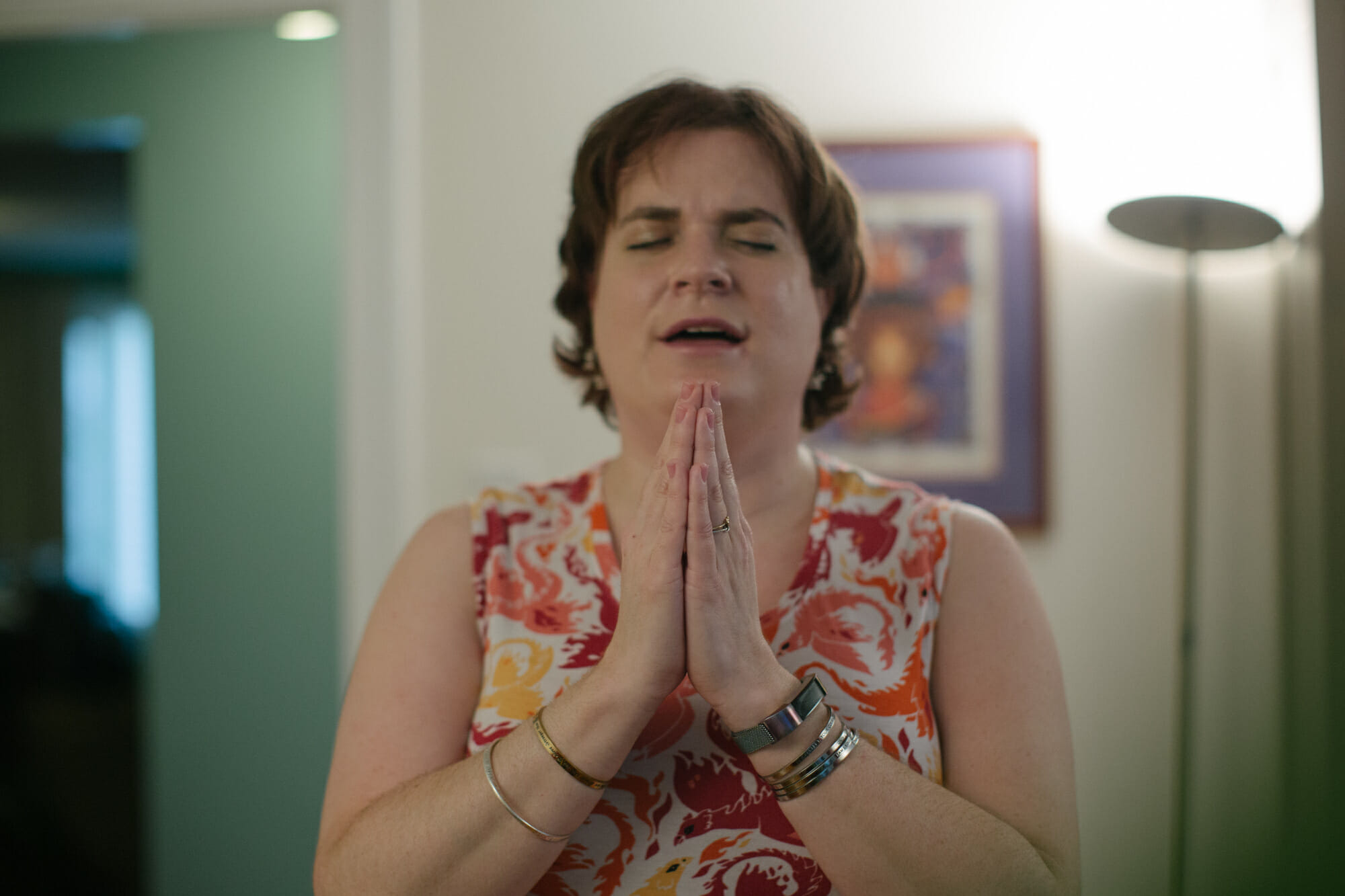
William clarifies the essence of Buddhist practices, emphasizing that offerings and bows are not supplications or requests for favors, as Buddhism doesn’t involve praying to a deity. He draws parallels between bowing to a teacher and the act of offering incense...
Lineage
In William’s narrative, he discusses his connection to the Generations Who tradition, particularly the Buddhist temples in Chicago and other locations. He highlights the welcoming nature of these temples, contrasting them with traditional practices that involve removing shoes and sitting on the floor. William appreciates the sense of community, devotion, and the format of service, making it relatable to Westerners.
He delves into the concept of the Eightfold Path, emphasizing the importance of working towards the well-being of all beings and the idea of leaving no one behind. William interprets the Pure Land as an enlightened state accessible in the present moment rather than a distant or post-mortem reality.
The narrative touches on the balance between self-power and other-power, with a focus on being of service to others. William shares the story of Jodo Shinshu founder Shinran, highlighting the flexibility of the path, whether on a mountain or as a householder.
The importance of giving, both in terms of material assistance and time, is a key theme. William reflects on the support he received after his wife’s passing and emphasizes the practice of generosity in daily life.
The narrative concludes with a reference to the philosophy of “Just be excellent to each other,” drawing a parallel with the Buddhist principles of Sangha and Dharma. William suggests that the essence of Buddhism, as he understands it, lies in being compassionate, understanding, and supportive towards others, regardless of individual paths or traditions.