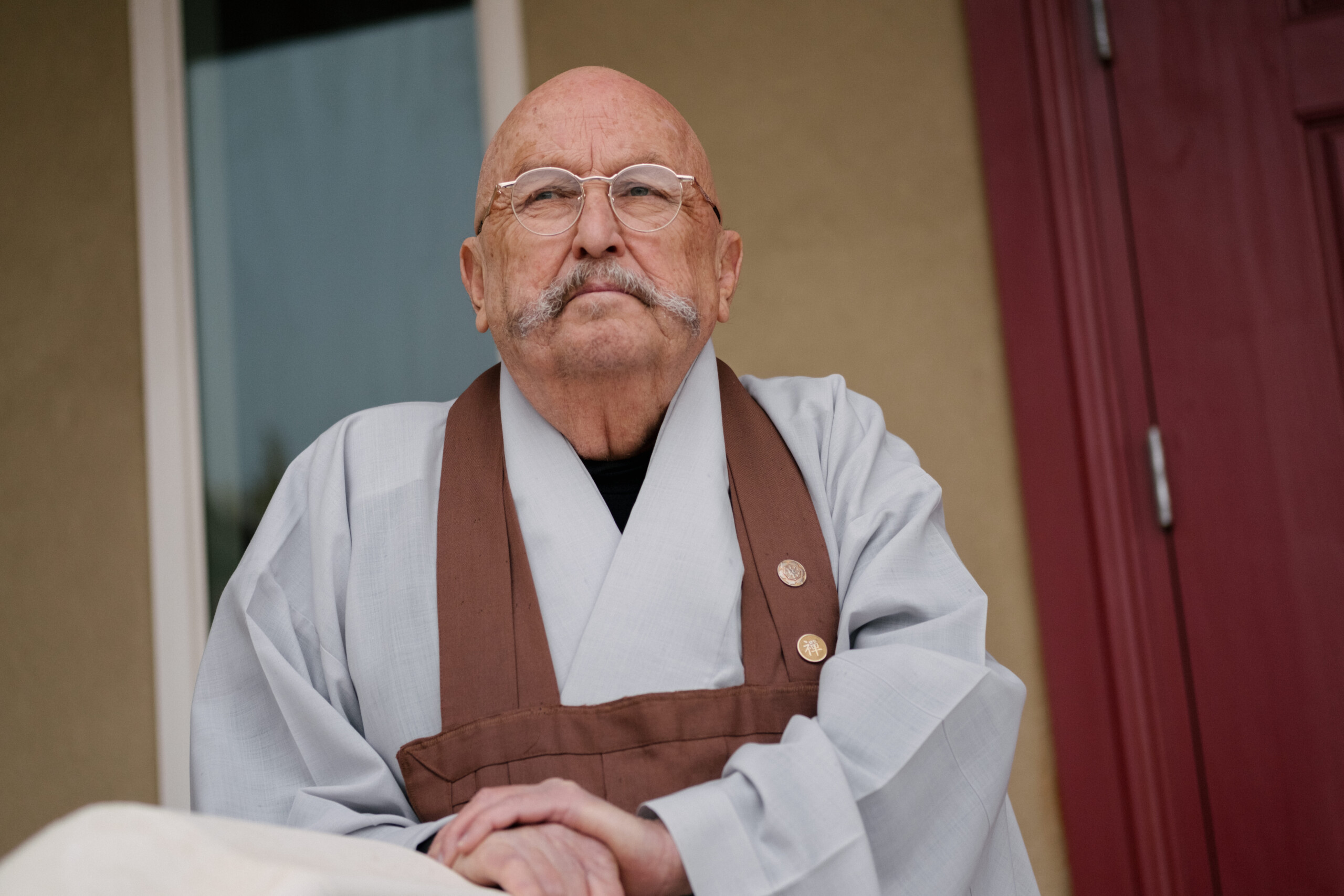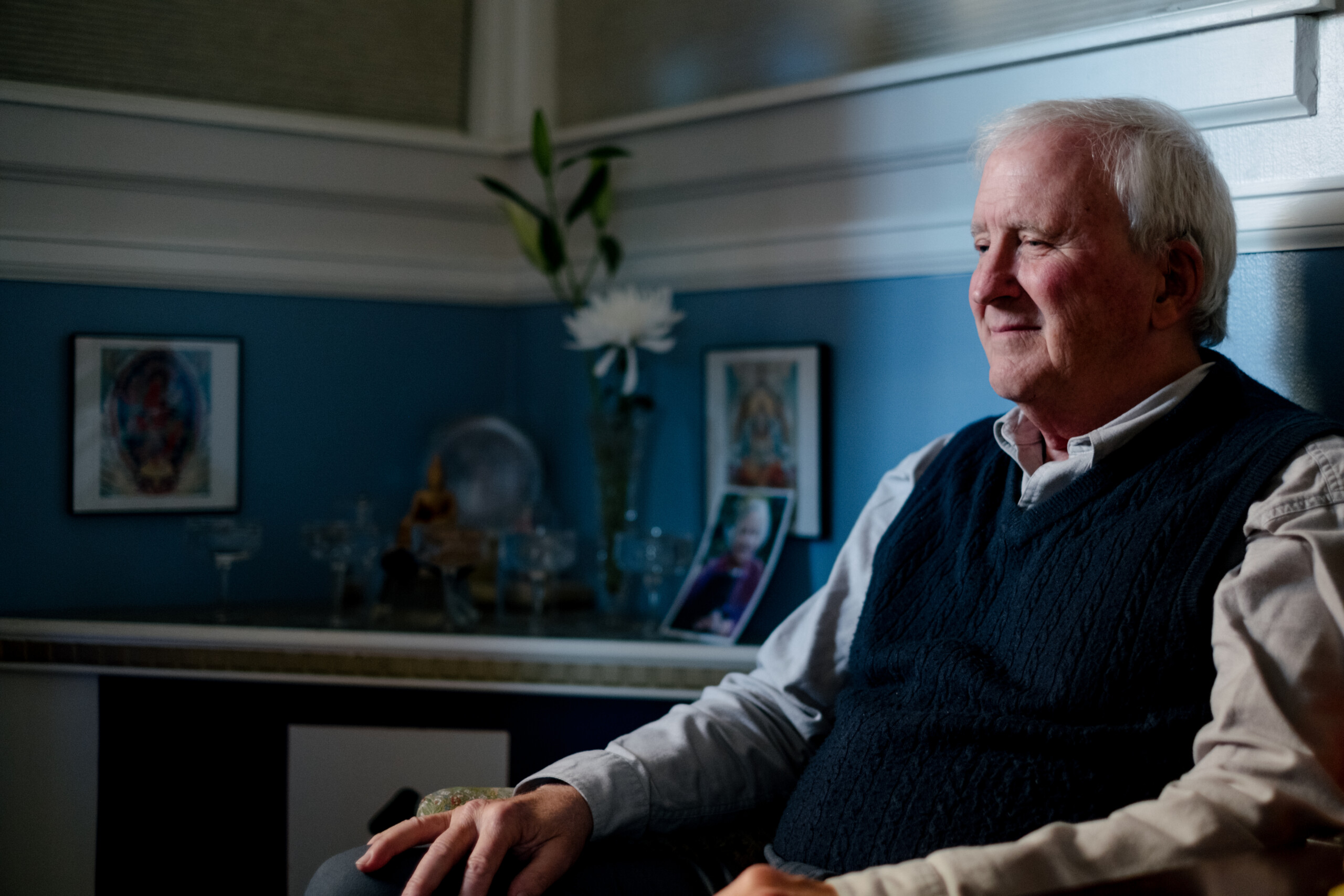
David G
Lakewood, CO
David G's Buddhist journey began after addiction, personal loss, and the collapse of the life he thought would bring lasting happiness. Through recovery, the Shambhala tradition, lojong mind training, meditation, and decades of retreat practice, he discovered that freedom comes not from avoiding discomfort but from meeting it with curiosity, humor, and compassion. His story explores how lineage, community, and consistent practice can transform suffering into wisdom while revealing that awakening is less about becoming someone new and more about letting go of the stories that keep us trapped.
Background
David, at the age of 71, reflects on the trajectory of his life, marked by fame, fortune, and the gradual shift away from his successful career building ponds and waterfalls. His physical health limitations prevented him from continuing large projects, adding pressure and stress to his life. Despite the outward success, he reveals the complex duality of his existence—a rich, creative professional life juxtaposed with a traditional upbringing and personal struggles.
David opens up about his early experiences with alcohol, starting in seventh grade, and the revelation of what he calls “liquid spirituality.” He acknowledges the façade he created for his family, describing it as stained glass, a crafted image that hid the mess behind the scenes. The narrative takes a personal turn as David recounts the challenges in his first marriage, including infidelity and the subsequent emotional turmoil.
His life takes a transformative turn when he acknowledges his struggles with alcohol and joins Alcoholics Anonymous (AA). Simultaneously, David delves into meditation, attending Shambala workshops and reflecting on the impact of his early experiences. The narrative weaves through his exploration of recovery, meditation, and various spiritual teachings, including the 12-step program.
David describes his gradual acceptance of discomfort and the ongoing process of breaking down self-imposed barriers. The narrative spans over 40 years, highlighting the ongoing evolution of his understanding and practice of meditation and recovery. The mention of his interactions with a younger generation, particularly his granddaughters, emphasizes the changing perspectives and acceptance he has cultivated over time.
In summary, David’s life story is one of transformation, self-discovery, and the ongoing journey toward greater awareness and acceptance. From the highs of professional success to the lows of personal struggles, he navigates a complex path, finding solace and growth in meditation, recovery, and a continual willingness to embrace discomfort.
Voice & Presence
Lineage
David’s journey into meditation and mindfulness unfolded gradually over the course of many years. Initially, he found the teachings confusing, especially the structured levels of practice. Despite his initial lack of understanding, a persistent curiosity led him to delve deeper into meditation, exploring various books and teachings. David’s practice involved tight focus and later expanding his gaze, all while grappling with a sense of confusion.
Over time, David observed shifts in his awareness, especially upon waking up with dream-induced feelings. Meditation became a tool to navigate the complexity of his mind and emotions. As he practiced, he discerned the impact of meditation on his daily life and developed skills to work with his mind effectively.
Challenges
David’s journey into meditation and mindfulness unfolded gradually over the course of many years. Initially, he found the teachings confusing, especially the structured levels of practice.
Mind Training
David reflects on his transformative journey along the path of teachings that guide the understanding of one’s own mind. He describes a practice of examining ancient laws on teachings daily for two or three years, gradually unraveling the workings of his mind and observing reactions.
Practice
In his recounting, David shares the evolution of his meditation practice over the years. Initially skeptical, he attended level two after vowing not to engage in such practices again. Despite his initial resistance, he gradually embraced meditation, starting with short sessions in the morning. He candidly reflects on his internal dialogue, including moments of discomfort and skepticism.
David’s journey involved exploring various meditation traditions, incorporating teachings from Jack Kornfield, and ultimately finding resonance with Shambhala practices. He acknowledges the challenges of formalized settings and the occasional need to address disruptive behavior during sessions. As he delves into his meditation routine, he emphasizes the importance of daily commitment, review, and the personalization of practices.
The stroke David experienced served as a poignant reminder of life’s impermanence, reinforcing his dedication to uncomfortable yet enriching practices. He discusses the impact of a month-long silent retreat, unveiling a newfound appreciation for silence and recognizing the habit of making things up due to his partial deafness.
David underscores the transformative power of the Buddhist path, especially in dealing with addiction. He finds joy in assisting those struggling with addiction, appreciating their urgency in seeking change. Despite acknowledging phases of attachment to rituals or self-perceptions, he highlights the importance of recognizing and transcending these traps on the path.
Relationships
David reflects on the human side of his Buddhist journey, sharing anecdotes about how his extended retreats during the holidays led to humorous speculations among family members. He delves into his relationship with his wife, emphasizing the importance of not needing each other for happiness to avoid creating dependencies.
The notion of basic goodness becomes a focal point, with David describing the skepticism he initially felt during repetitive chants affirming his inherent goodness. He recounts a pivotal moment when he questioned, “What if it’s true?” – a transformative shift that led to a deeper understanding of himself and the Buddhist path.
David underscores the importance of taking refuge in the Buddha as an example, the Dharma as profound teachings, and the Sangha as a supportive community. He acknowledges the ongoing challenge of sifting through cultural baggage attached to Buddhist teachings, emphasizing the patience required in this transformative process.
The vow-taking experiences, such as the Bodhisattva vow, are explored, with David highlighting how these vows work slowly, like a Pac-Man game chewing away at the ego. He touches on the diversity of teachings he encountered from various teachers and how each presents a unique perspective on the path.
At 71, David views life with a sense of amusement, often seeing it as an archive system where he adds light to old experiences. He expresses the joy of helping others without imposing his views, recognizing the richness of the Buddhist path and cautioning against getting too serious or possessive about one’s practice.
Learn more
Registration is required to view the complete profile and support the project.
Share This Story, Choose Your Platform!
Other Portraits
Roshi Shinge | Zen Buddhism, Zazen & the Path of Direct Experience
Albert: Finding Self-Acceptance and Freedom Through Buddhist Practice
David M on Vajrayana Buddhism: Finding Freedom Through Curiosity, Death, and Direct Experience
Grace: Finding Healing, Grace, and Everyday Practice in Won Buddhism

Kim’s Buddhist Journey: Mindfulness, Resilience, and Finding Peace Through Vipassana Practice
Genjo: Zen Practice, Lineage, and Bringing Awakening Into Everyday Life
Ani Pema on Compassion in Action: A Modern Vajrayana Path to Resilience and Transformation
Dottie’s Journey: From Christianity to a Buddhist Life of Practice, Impermanence, and Rebirth
How Gareth Integrates Buddhist Practice into Everyday Life