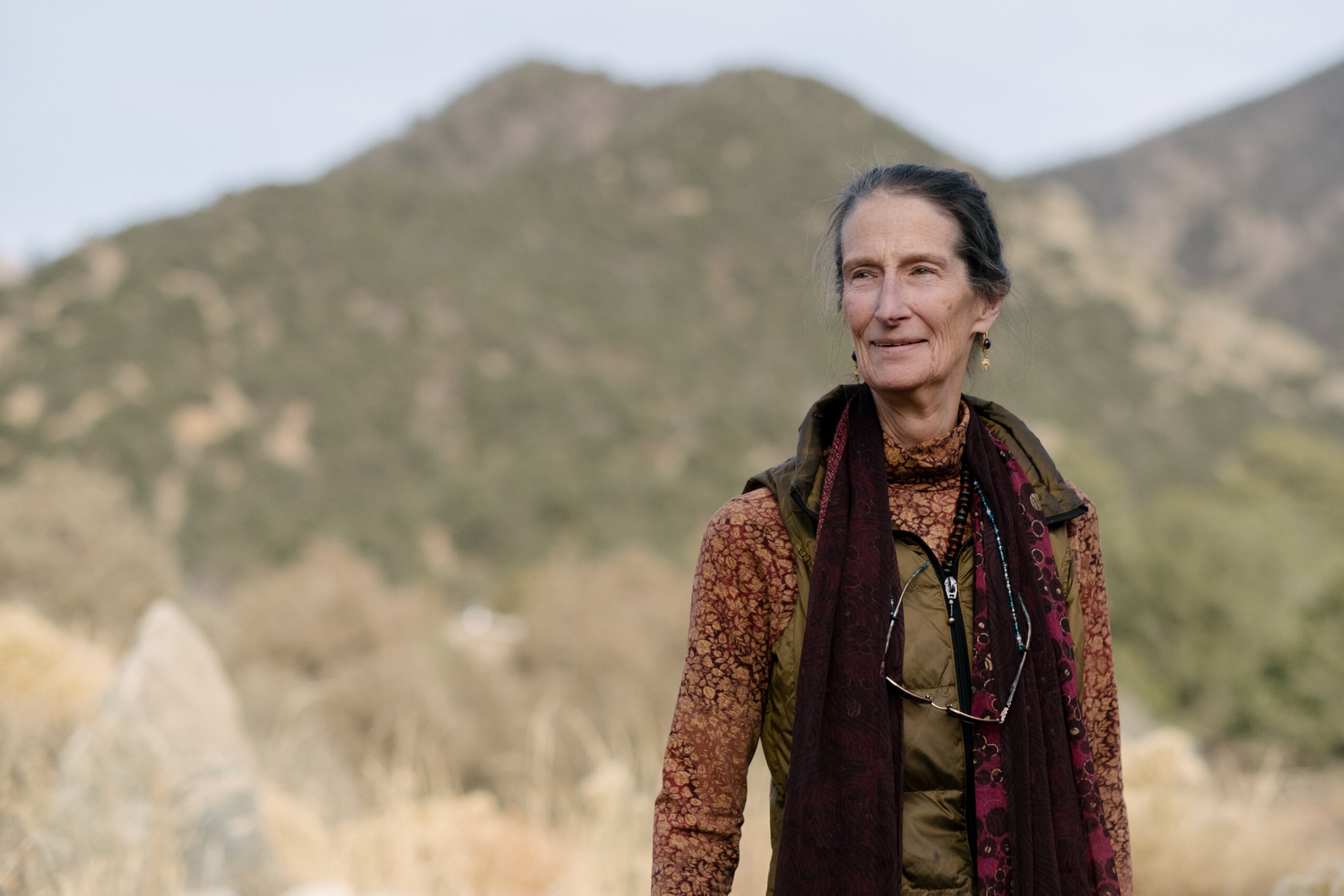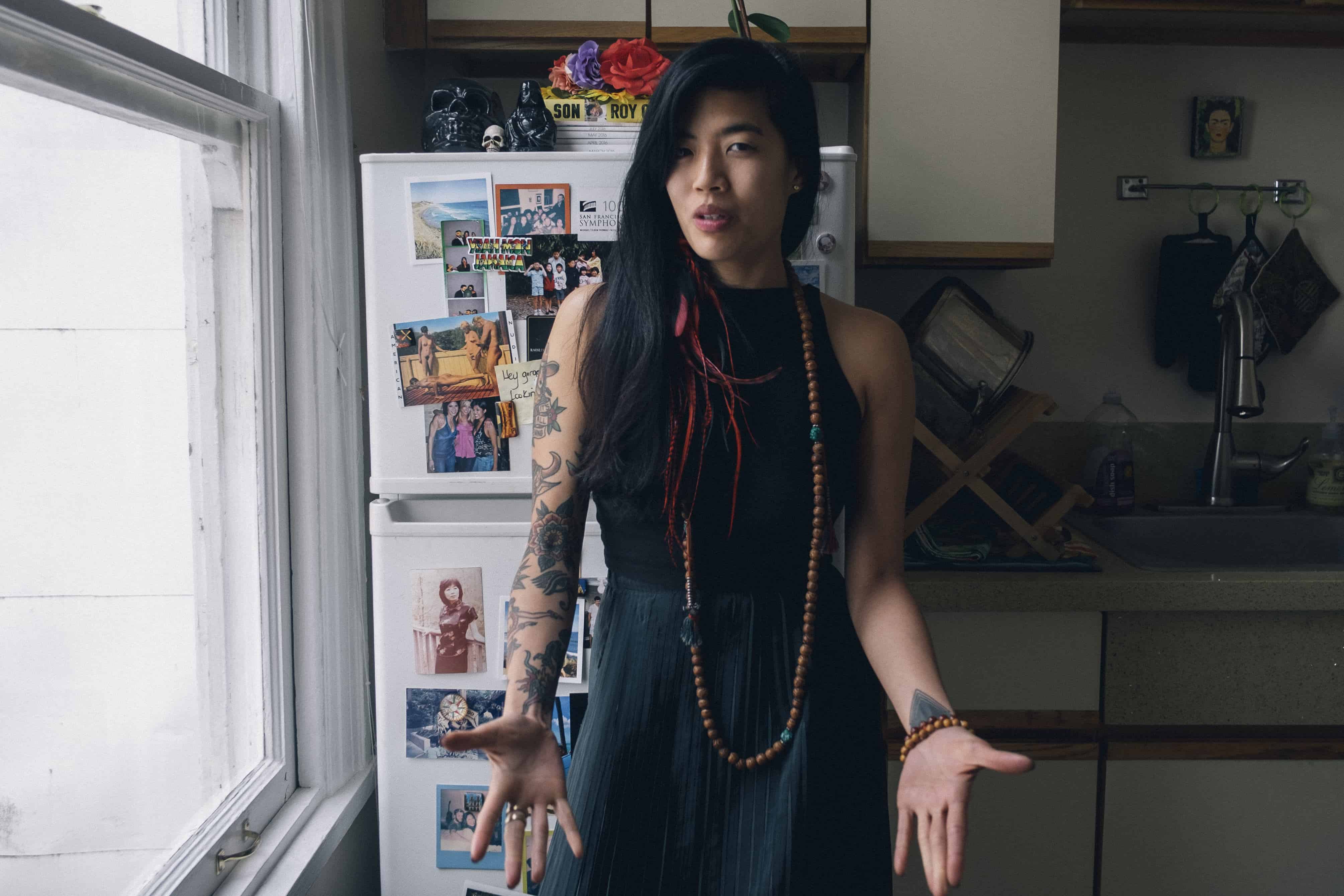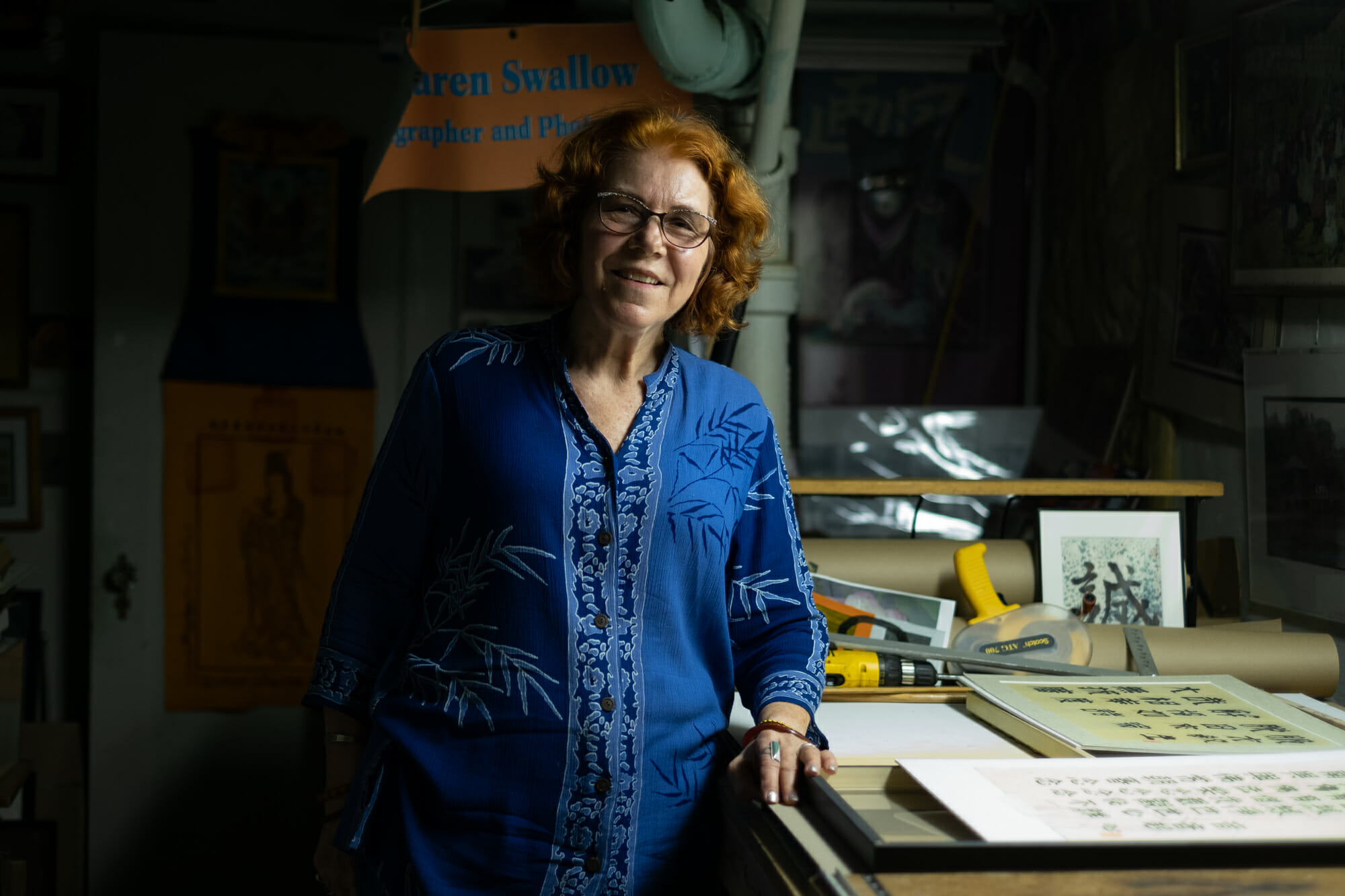
Karen
Portland, OR
Karen’s Buddhist journey reveals how Zen practice can move beyond the meditation cushion and become part of everyday life. Through mindfulness, Chinese calligraphy, ceramics, relationships, parenting, caregiving, and creative expression, she explores the freedom that comes from letting go of control and learning to trust the process. For Karen, art and Buddhist practice gradually become inseparable—both offering a way to meet impermanence, suffering, and uncertainty with greater presence, compassion, and openness.
Background
Karen, from a young age, found herself drawn to the Episcopalians, captivated by the beauty of a small church in Denver with incense, candles, and vestments. Her interest in sewing, fueled by a passion for fashion, led her to contemplate creating vestments. In high school, she sought camaraderie at a Methodist church but felt a deeper calling while observing teachers in Portland.
Her spiritual journey took a significant turn in Japan, where the sight of Jesus on street corners and prayer rocks left a lasting impression. The Zen center became a sanctuary, offering a sense of completeness with its form, stillness, bowing, and informative incense. During a confusing period in her marriage, residing in a Zen center for a year grounded her.
Karen explored various spiritual lineages, appreciating their unique flavors but finding solidity in Zen. Altars, devoid of excessive visual elements, provided the mindfulness she needed. Wearing black robes symbolized mindfulness and collaboration, emphasizing the importance of doing one’s internal work.
Despite the serious appearance, the Zen community embraced playfulness and silliness. Learning from the Sangha, witnessing transformations, and sharing karmic threads became radical and life-changing. The suffering of others, though emotionally challenging, highlighted the transformative power of communal support.
In the pursuit of authenticity, Karen moved towards calligraphy in the art world, viewing it as a profound discipline. Zen’s discipline became internalized, shaping her life around it. The intellectual grounding, while ever-present, opened a spaciousness that she trusted, bringing faith and sustaining her.
Meditation and practices allowed Karen to navigate complexities without being thrown off course. Over time, she honed the ability to release herself from the grip of challenges, recognizing the consistent clarity gained from Zen as a profoundly important aspect of her life.
Learn More
Karen’s story becomes especially compelling when she begins describing what happens when Buddhist practice leaves the meditation hall and enters the complicated territory of everyday life.
In her full profile, Karen reflects on the relationship between creative expression and spiritual practice, and how calligraphy, ceramics, and working with physical materials taught her something that meditation had also been teaching her: transformation cannot always be forced. Sometimes the most meaningful work begins when we relinquish our ideas about what something—or someone—is supposed to become.
That insight extends deeply into her relationships and family life. Karen speaks about raising her son without imposing Buddhism on him, gradually recognizing her own expectations and projections, and learning that love sometimes requires giving another person enough space to become themselves. Her reflections offer a particularly intimate look at how non-attachment moves from a Buddhist idea into lived experience.
She also explores what practice asks of us when circumstances become much harder. During her husband’s final years, caregiving confronted Karen with the limits of what we can do for another person. She could offer compassion and presence, but she also had to recognize what she could not carry or resolve for someone else. Through suffering, caregiving, and loss, she gradually learned how to let go.
Across these experiences, Karen returns to a simple teaching that has helped her meet uncertainty and suffering: “Not personal. Not permanent. Not perfect.” Rather than presenting Buddhism as an escape from the messiness of life, her story reveals what it can mean to allow practice to deepen through life itself—to create, love, grieve, surrender expectations, and continue showing up.
Register to explore Karen’s complete profile and hear, in her own words, how Zen has shaped her creativity, relationships, experience of loss, and understanding of what it means to live the practice beyond the cushion.
Share This Story, Choose Your Platform!
Other Portraits
Ani Pema on Compassion in Action: A Modern Vajrayana Path to Resilience and Transformation
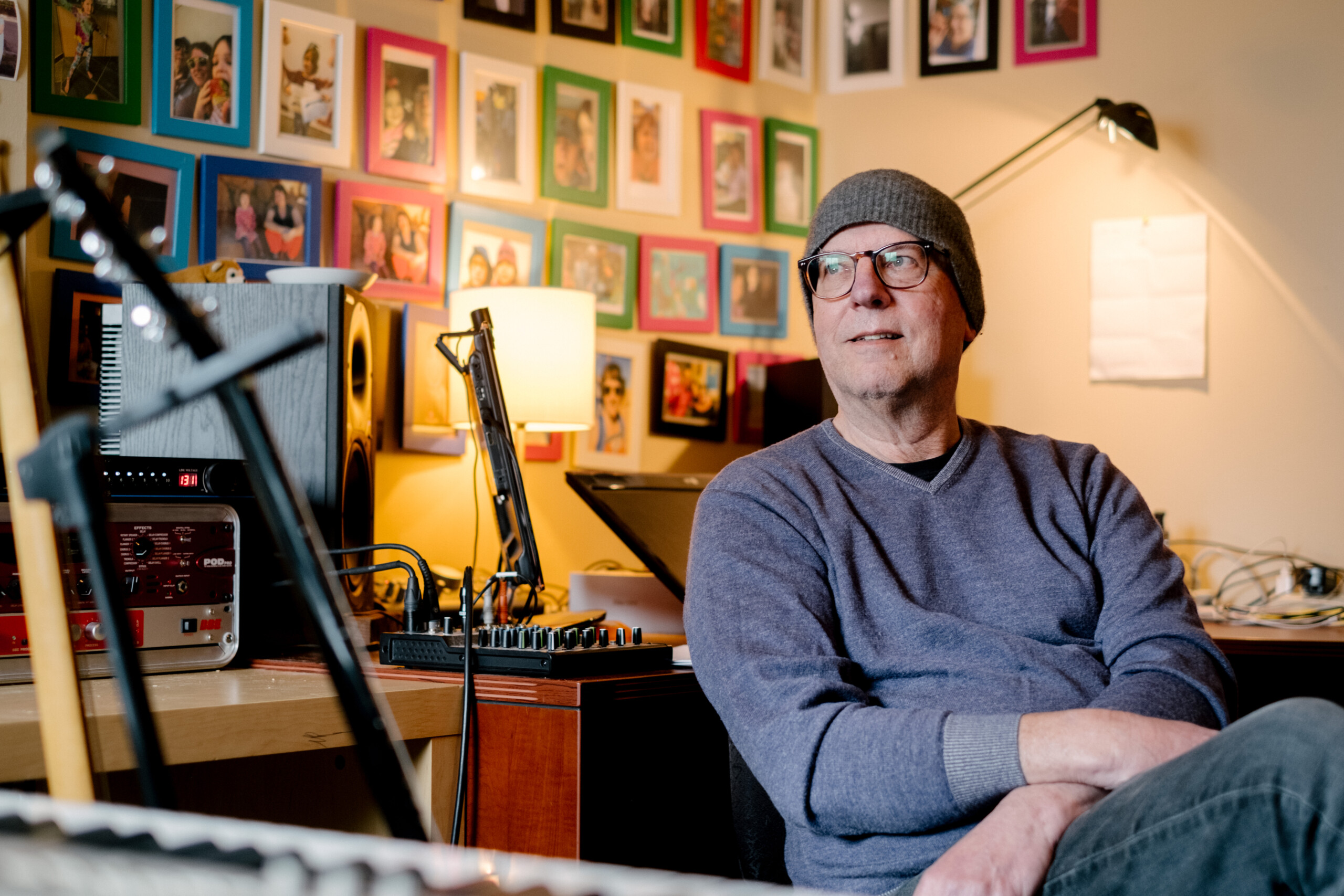
Bruce on Zen Buddhism: From Success to Self-Mastery
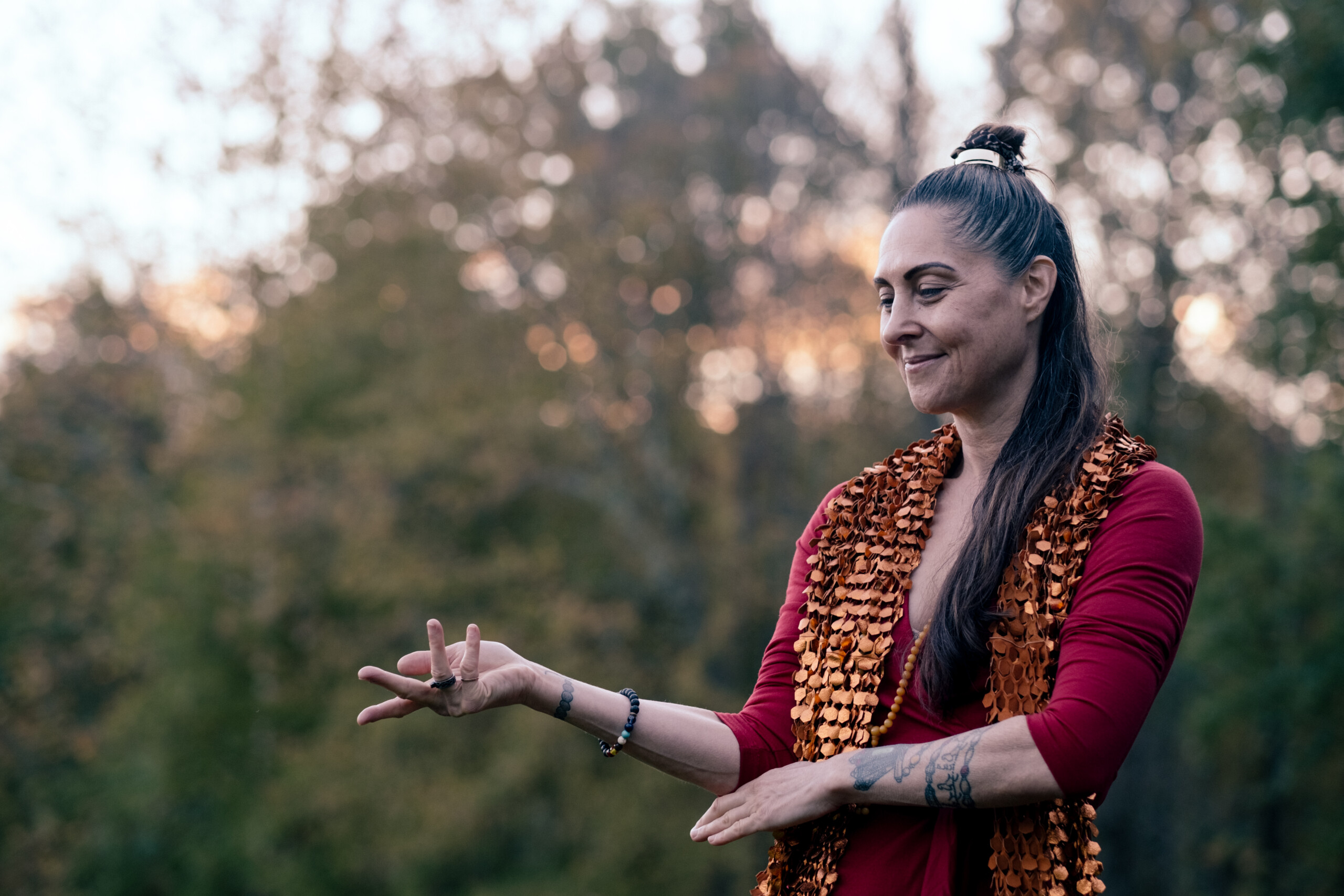
Amber on Finding Joy Through Tibetan Buddhism, Yoga, and Tara Dance
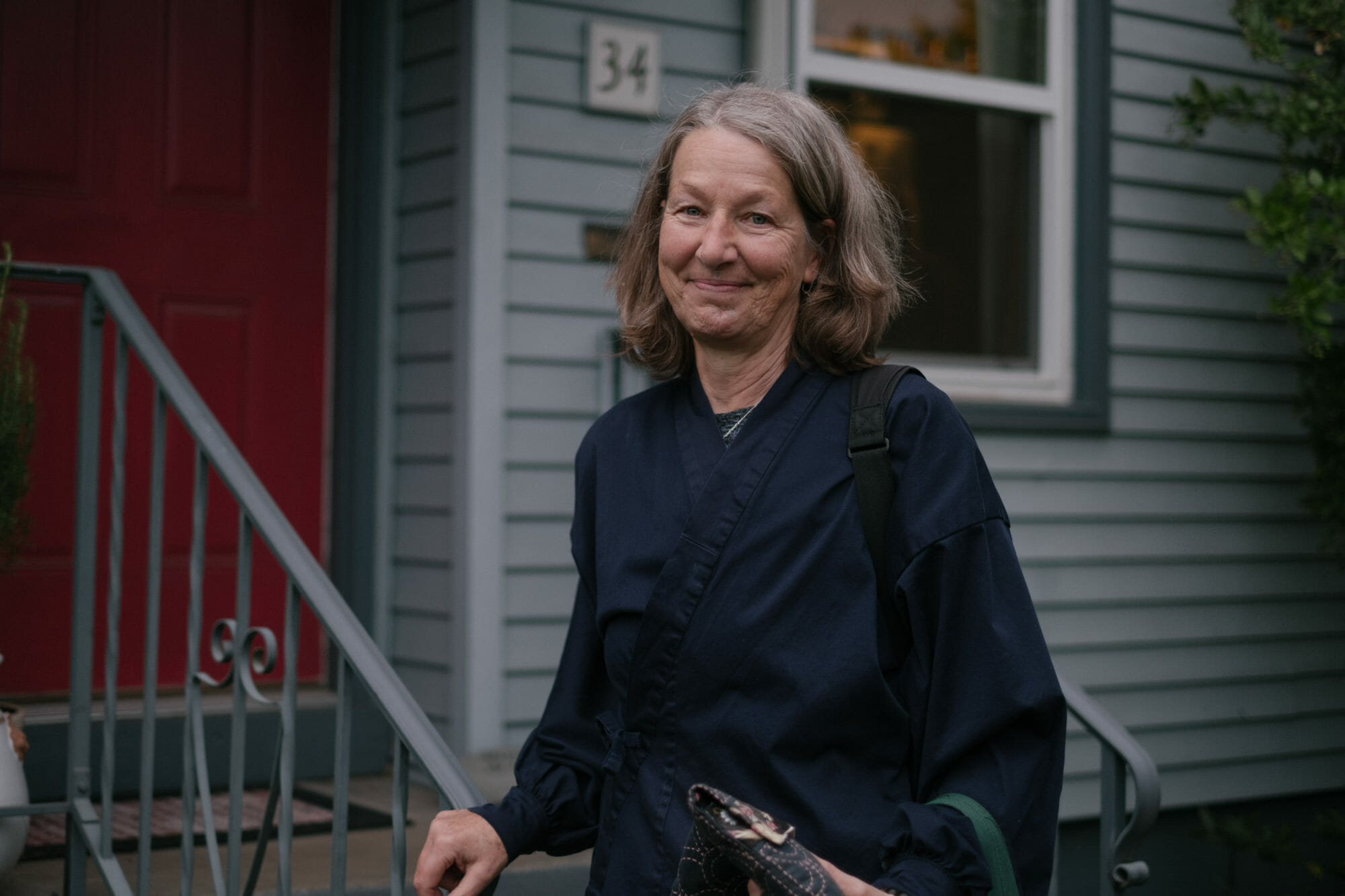
Linda’s Zen Journey: Learning to Trust Silence, Practice, and Presence

James : Finding Freedom Through Won Buddhism
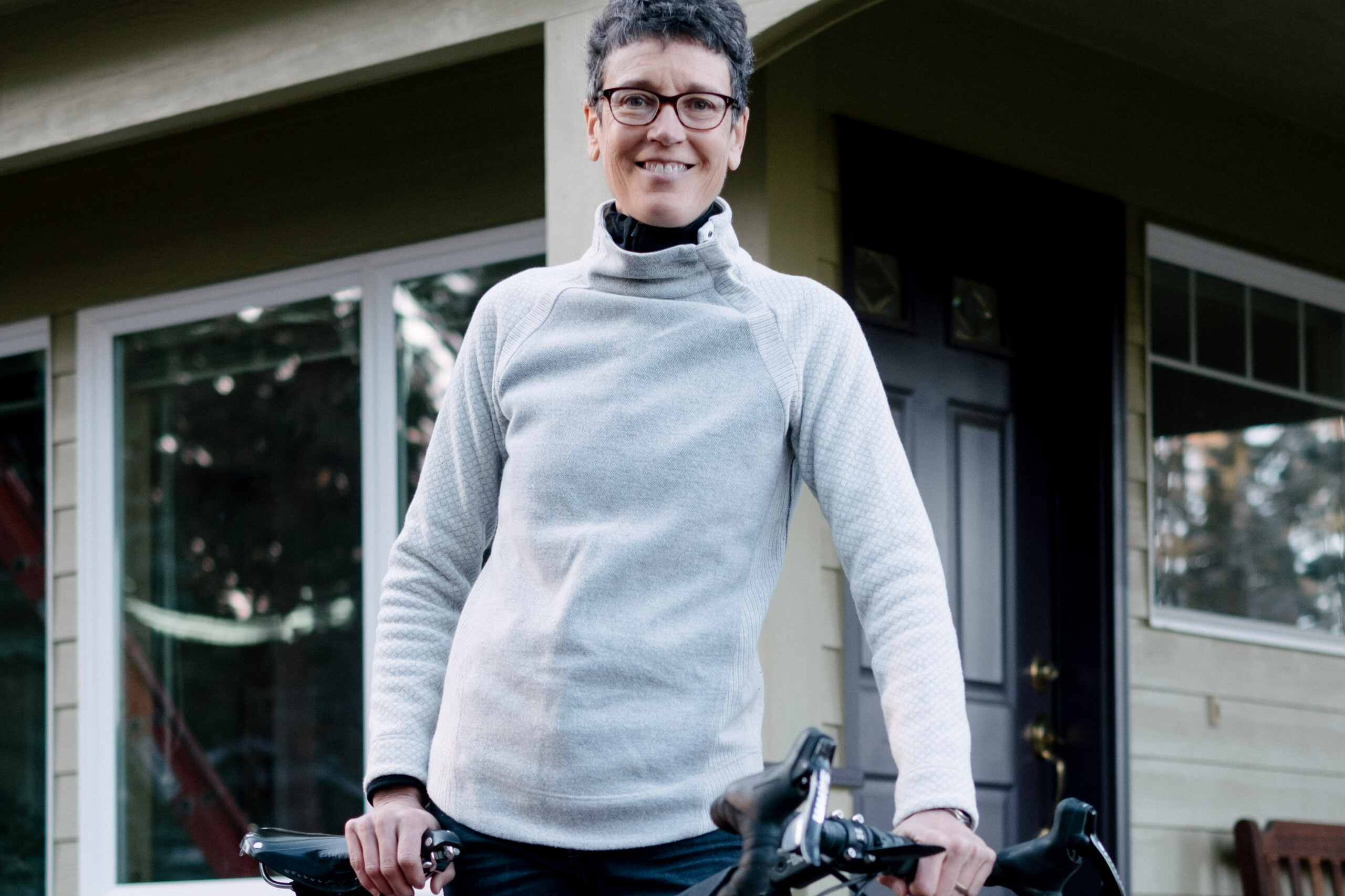
Bryn on Beginning the Buddhist Path | Consistency, Sangha, and Everyday Practice
Christopher | Finding Compassion Through Everyday Practice | Bright Dawn Way of Oneness Buddhism
Giulietta: From Cuba to Vajrayana Buddhism, Sangha, and the Science of Meditation