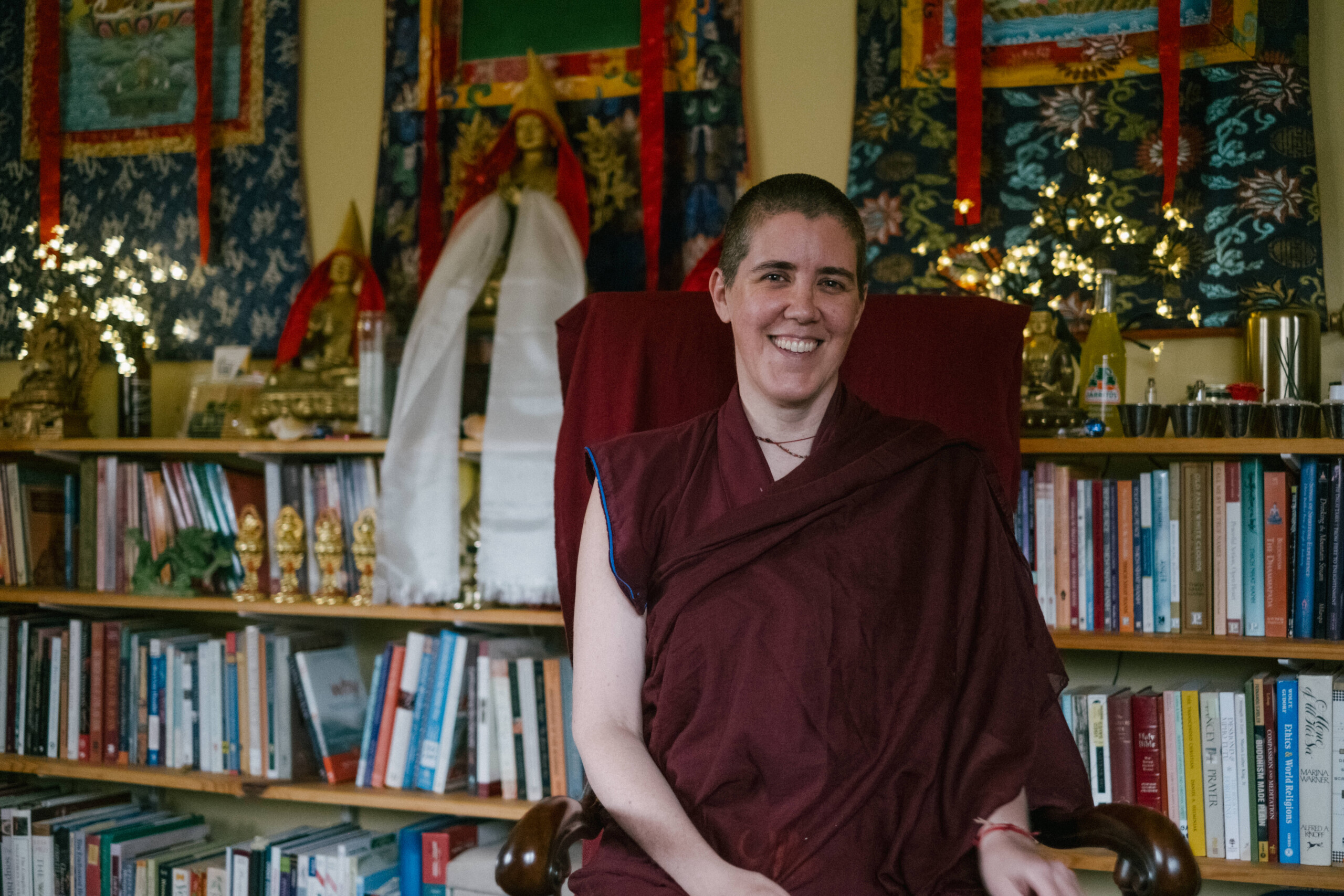
Terry
Galveston, TX
Terry’s Buddhist practice extends far beyond the meditation cushion and into prison cells, where he has spent decades helping incarcerated individuals discover compassion, accountability, and inner freedom. Through meditation, ethics classes, and Vajrayana purification practices, he demonstrates that no one is defined by their worst actions. His story explores the transformative power of Buddhism in places where hope is often hardest to find, revealing how the Dharma can foster healing, responsibility, and awakening even within the prison system.
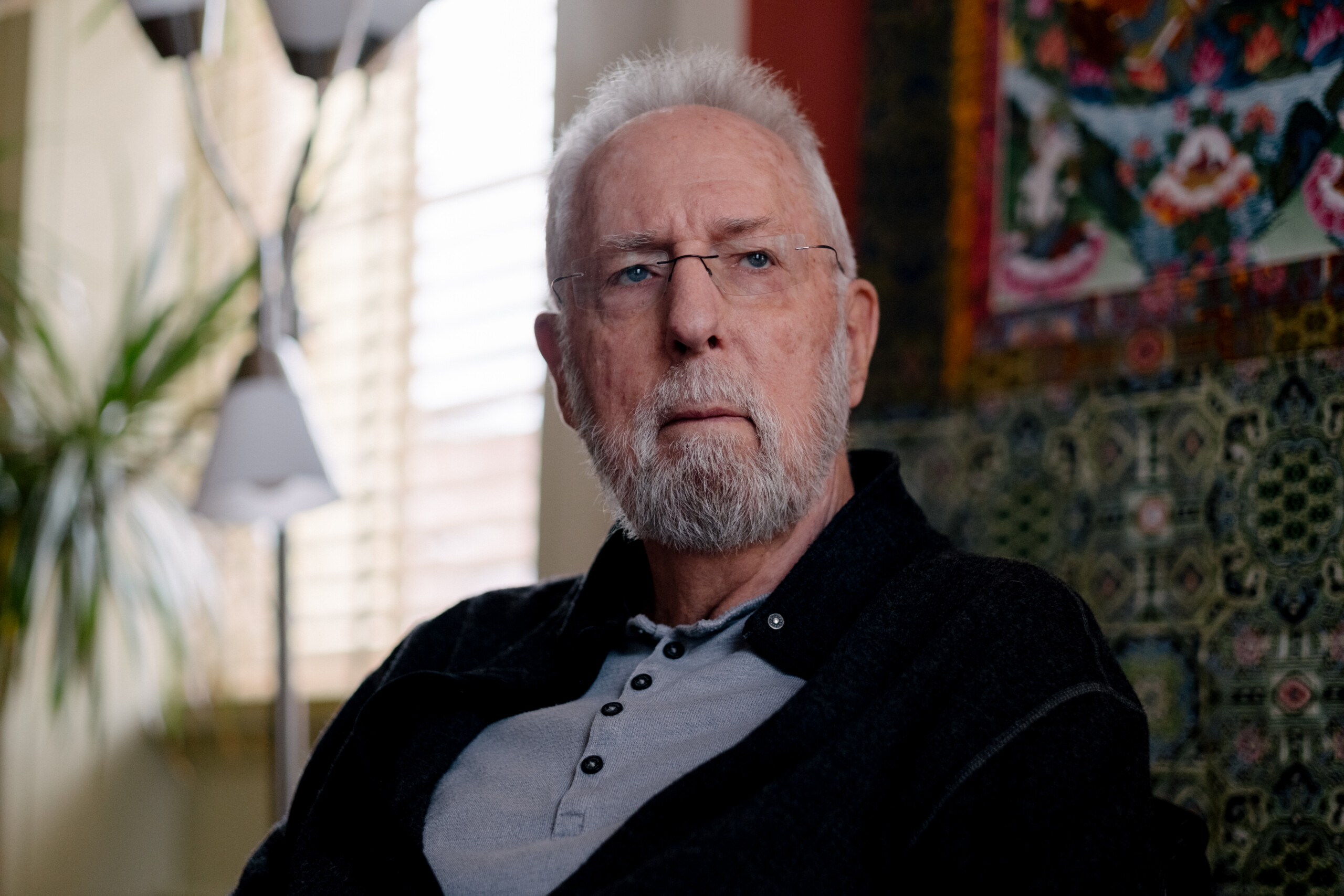
Background
Terry, a longtime resident of Galveston for 30 years, traces his life journey from New Mexico to Galveston. Initially running an art gallery in Santa Fe, he and his wife established a successful gallery in Galveston, fostering connections within the community. Reflecting on his past, Terry recounts experiences in Cambridge, New York, and Eugene, Oregon, where he delved into art history, Buddhism, and encountered the Tibetan Buddhist tradition.
Terry’s spiritual exploration intensified during a transformative moment in a French Gothic Cathedral, leading him to engage with the Gurdjieff community in Cambridge. A pivotal period in New York, marked by migraines and deep introspection, prompted a profound shift, liberating him from fears and emotional immaturity.
After separating amicably from his wife, Terry moved to New Mexico, becoming a studio artist in a ghost town. His artistic journey included notable commissions in Albuquerque and along Route 66. Eventually settling in Galveston, Terry and his wife established a thriving business, incorporating a yoga studio. His spiritual journey took another turn when introduced to Buddhism, leading him to silent retreats and meditation practices.
Terry’s narrative weaves through diverse locations, art, spirituality, and personal growth, culminating in a transformative period that shaped his identity and perspective on life.
Learn more
Terry’s journey shows what can happen when Buddhist practice moves beyond the meditation cushion and into everyday life—including places where suffering is impossible to ignore. His work inside prisons has brought him face-to-face with people carrying histories of addiction, violence, regret, isolation, and loss, but also with their capacity for reflection, responsibility, and profound change.
For Terry, bringing the Dharma into prison isn’t simply about teaching meditation. It is about creating the conditions for people to see themselves differently. Through Buddhist ethics, meditation, and purification practices, along with the support that comes from practicing in community, he has watched incarcerated practitioners begin to work honestly with their past while discovering that their mistakes do not have to define the entirety of who they are.
His experiences also raise deeper questions about what Buddhist practice can cultivate in us. What does it mean to believe in someone’s potential when society may have largely given up on them? How can Buddhist teachings on karma and responsibility coexist with forgiveness? And what happens when practice becomes less about finding peace for ourselves and more about learning how to remain present with the suffering of others?
In the rest of Terry’s profile, he reflects on his work behind prison walls, the practices that have shaped his understanding of compassion, and what incarcerated practitioners have taught him about patience, transformation, and the possibilities of the Dharma. His experience offers a particularly powerful window into how Buddhist practice intersects with the wider world and how encountering adversity and suffering can become part of a much deeper spiritual journey.
Register to continue Terry’s story and explore how Buddhist practice can become a path not only toward personal transformation, but toward seeing the humanity in people we might otherwise overlook.
Share This Story, Choose Your Platform!
Other Portraits
Willy & Kim: Buddhism, Art, Relationship, and the Transformative Power of Practice
Karen H on Engaged Buddhism: Mindfulness, Activism, and Thích Nhất Hạnh’s Living Legacy
Terry: Bringing the Dharma Behind Prison Walls | Buddhism, Compassion & Prison Chaplaincy
Joann’s Journey to Zen Buddhism | Finding Wholeness Through Presence, Compassion & Practice
Dennis : Zen, Enlightenment, and the Freedom of Letting Go
Sensei Michael: Making Zen Accessible for Modern Life Through Direct Experience
Alejandro: Bringing Tibetan Buddhism into Modern Life Through Science, Meditation, and Compassion
Amber on Finding Joy Through Tibetan Buddhism, Yoga, and Tara Dance
Ani Palmo: From Catholicism to Tibetan Buddhism | A Journey of Wisdom, Compassion & Practical Dharma