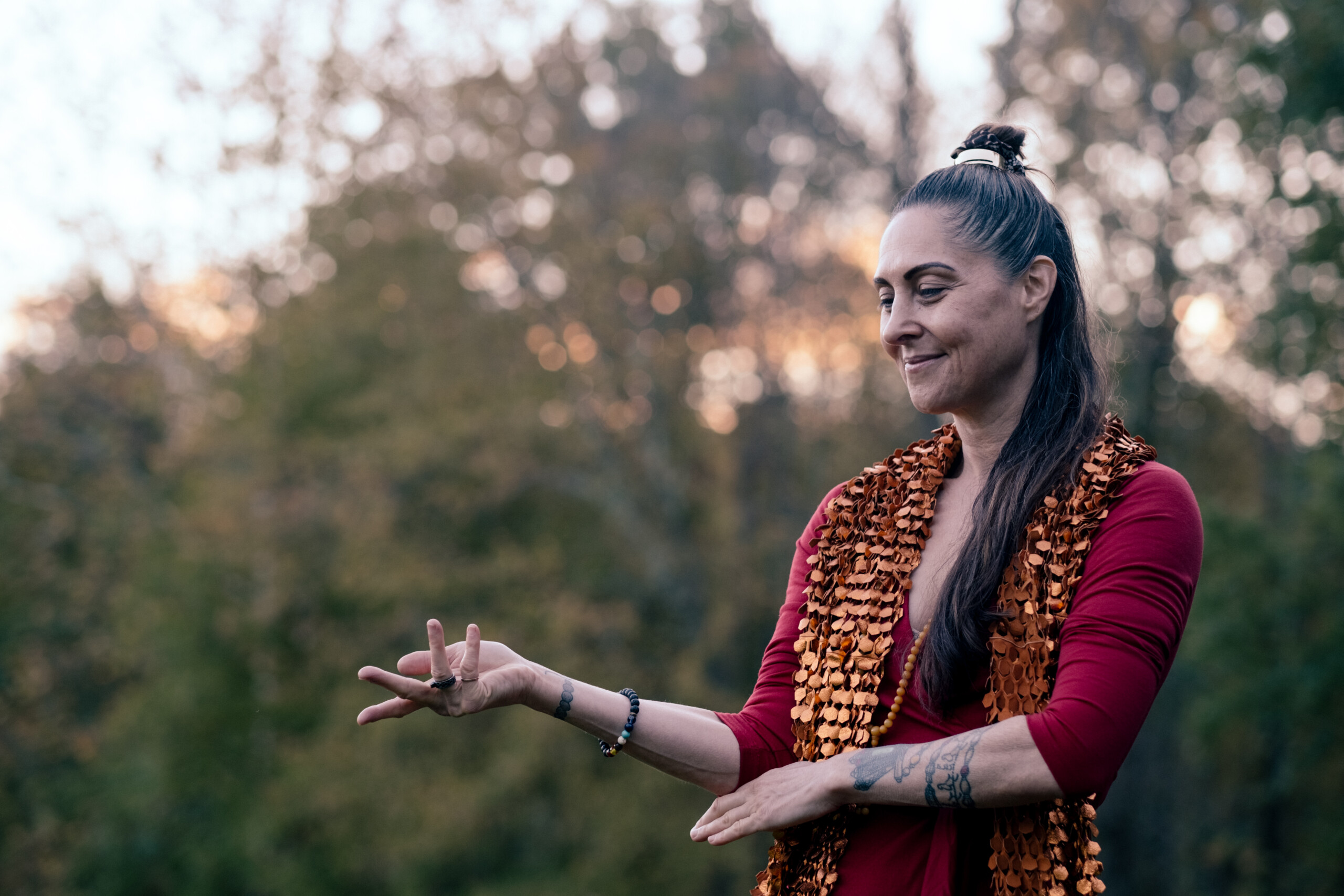
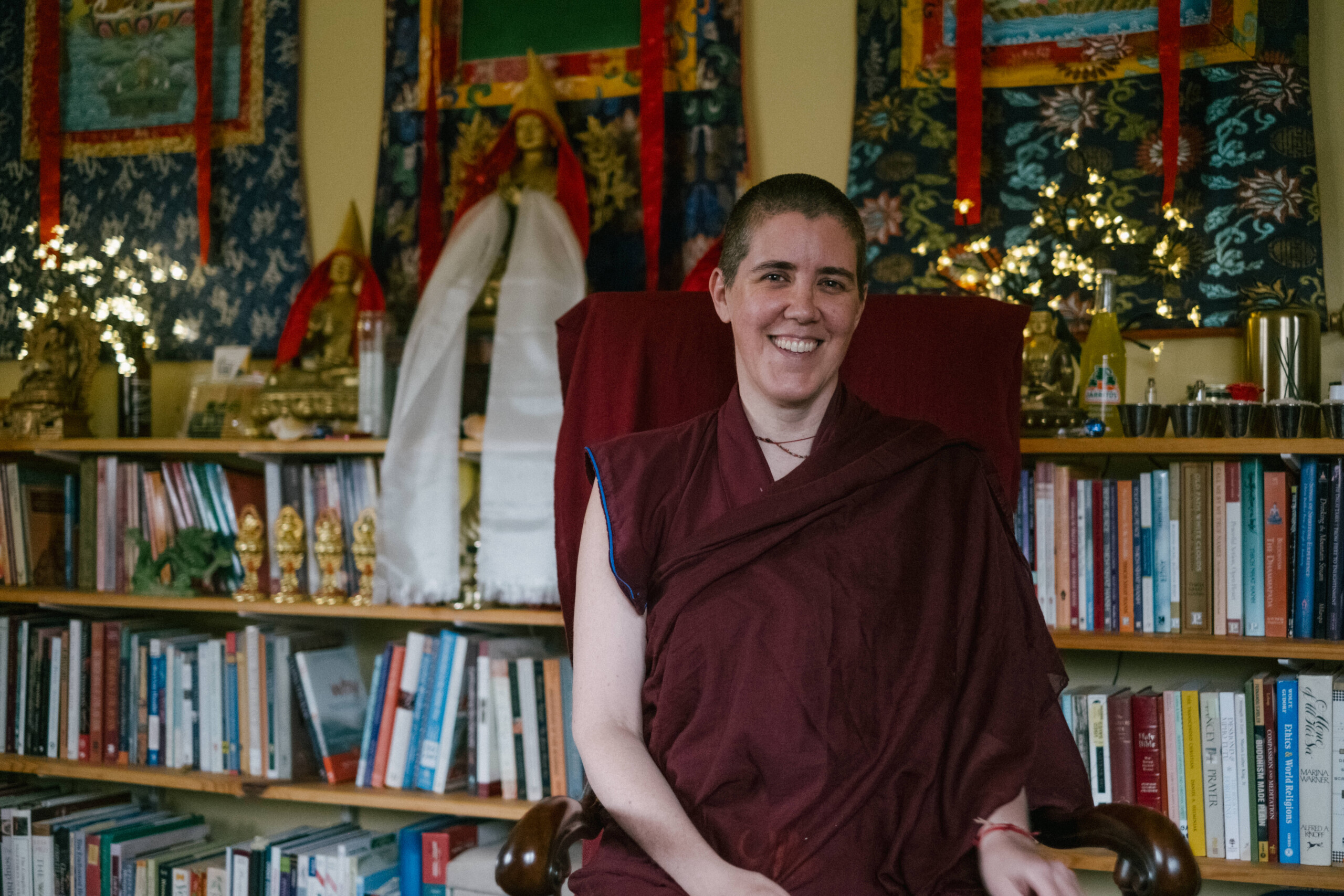
Ani Pema 2
Madison, WI
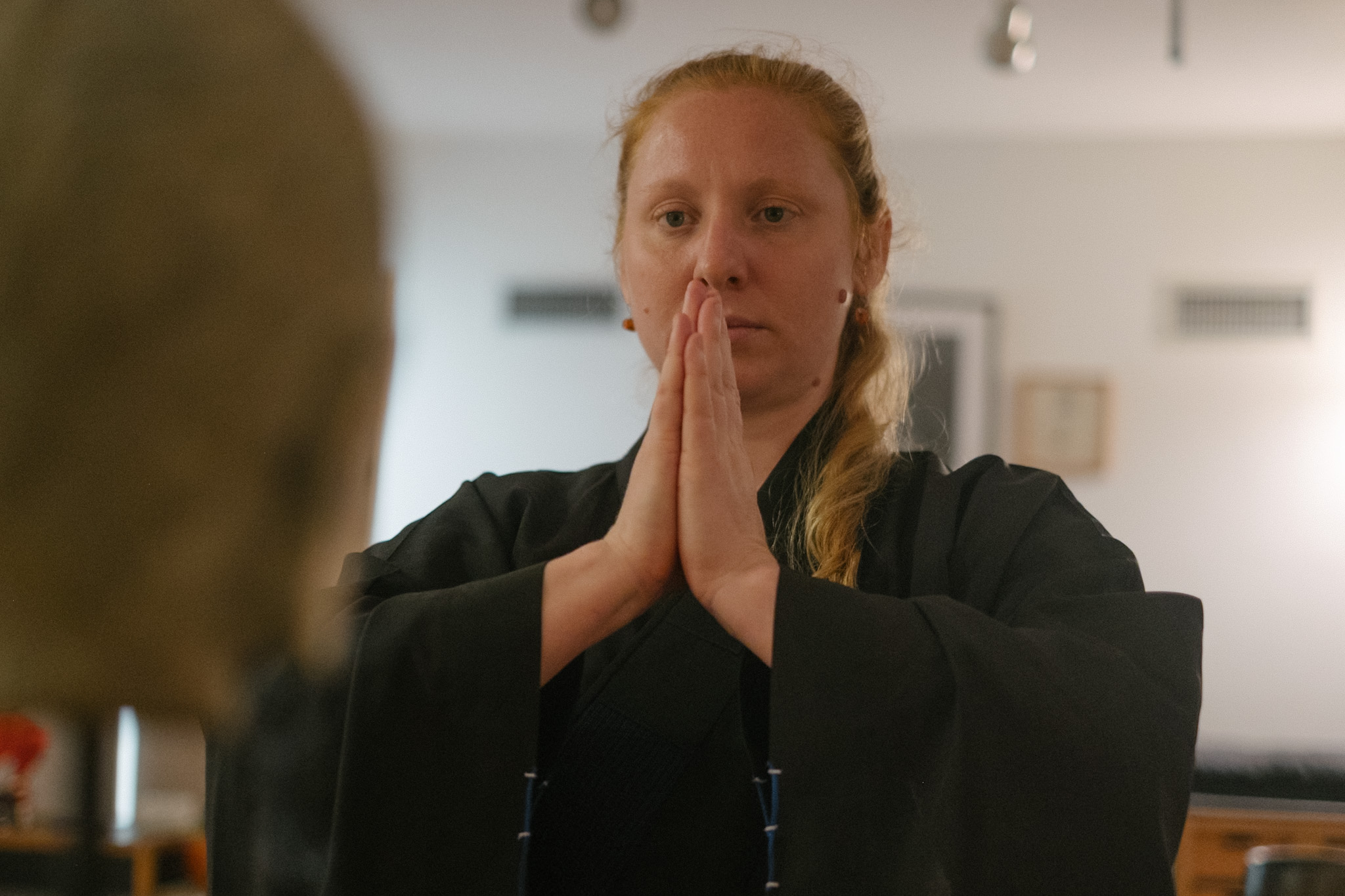
Pema resides in Madison, Wisconsin, and is an integral part of Joyful Path Meditation and Healing Center, affiliated with the White Conch Dharma Center. Engaged in both lay and monastic practices, Pema plays diverse roles within the organization, serving as a chaplain, Dharma teacher in training, and a listener for spiritual queries.
Background
Pema resides in Madison, Wisconsin, and is an integral part of Joyful Path Meditation and Healing Center, affiliated with the White Conch Dharma Center. Engaged in both lay and monastic practices, Pema plays diverse roles within the organization, serving as a chaplain, Dharma teacher in training, and a listener for spiritual queries.
Having served in hospitals, nursing facilities, and prisons, Pema’s organization focuses on a holistic healing mission, offering programs encompassing secular mindfulness, stress reduction, yoga, and spiritual training. Pema emphasizes the importance of understanding suffering and the universal desire for happiness that drew her to Buddhism after 29 years of searching for spiritual resonance.
Pema’s journey into Buddhism began with a friend’s influence and initial exposure to mindfulness meditation. However, it was a chance encounter with a teacher during a camping trip that deeply resonated with her. The teacher’s profound insights into Pema’s life situation and the feeling of being seen and supported marked a turning point, leading Pema to commit to her current teacher’s guidance. Despite brief engagements with other teachers, Pema believes she was destined to meet her current teacher, whose teachings have significantly impacted and benefited her.
Voice & Presence
Adapting to the West
Pema, a diverse and experienced individual, reflects on her varied career paths, including business and IT. She acknowledges the importance of adapting Buddhist teachings to the Western context, emphasizing the need for relevance and understanding in the learning process. Pema describes her organization’s transition to online events during the COVID-19 pandemic, highlighting the success of interactive and community-focused experiences.
As the pandemic wanes, Pema grapples with the decision to return to fully in-person events or embrace the evolving hybrid model. She acknowledges the uncertainty and the learning curve associated with this unprecedented situation. Pema advocates for viewing endeavors as experiments, echoing the Buddha’s advice to try things out, intimately understand them, and then decide on acceptance or rejection.
Challenges
Pema offers insights into recognizing authentic teachers, teachings, and practices, particularly for those new to Buddhism. She emphasizes the complexity of determining authenticity, acknowledging her own ongoing learning journey.
Worldview
Pema, emphasizing the long-term nature of global change, explores the energies fueling transformative efforts. She shares insights from her teacher, highlighting the two primary sources of energy: anger and altruistic great compassion.
Importance of Lineage
Pema reflects on the unique emphasis within each religious tradition, such as Christianity and Buddhism, with distinct variations among denominations, sects, and schools. She explains the importance of lineages in Buddhism, where teachers confirm students’ understanding to ensure a clear transmission of teachings. Pema acknowledges potential challenges when practitioners draw teachings from multiple sources with different emphases, especially when lacking a deep understanding.
She highlights the confusion that may arise when attempting to integrate teachings with divergent emphases, using the example of practicing kindness in social interactions versus silent meditation. Pema suggests that, beyond the introductory stage, sticking to one school or teacher can provide consistency and avoid potential conflicts in guidance. Emphasizing the significance of consistent teachings, especially in considering the cultural context of practitioners, Pema underscores the utility of staying within a specific school or with one teacher for clarity and coherence in one’s spiritual journey.
Importance of Commitment
Pema reflects on the challenge of deciding to invest significant time in a spiritual path without prior knowledge or positive experiences. She acknowledges the cultural reluctance to commit substantial time, emphasizing the need to manage this challenge by talking to students and seeking their experiences. Pema uses an example involving His Holiness the Dalai Lama to illustrate how misinterpretation can arise without understanding cultural contexts. She stresses the importance of delving deeper, understanding diverse perspectives, and seeking support when conflicts arise between personal beliefs and teachings. Pema encourages a balanced and thoughtful approach, suggesting that investing time in understanding such conflicts is worthwhile for the transformative potential it holds in one’s life and for those around. She highlights the authenticity of the practice not only on the cushion but also in navigating and engaging with challenging situations, urging practitioners to approach conclusions with a calm and open mind.
Learn more
Registration is required to view the complete profile and support the project.