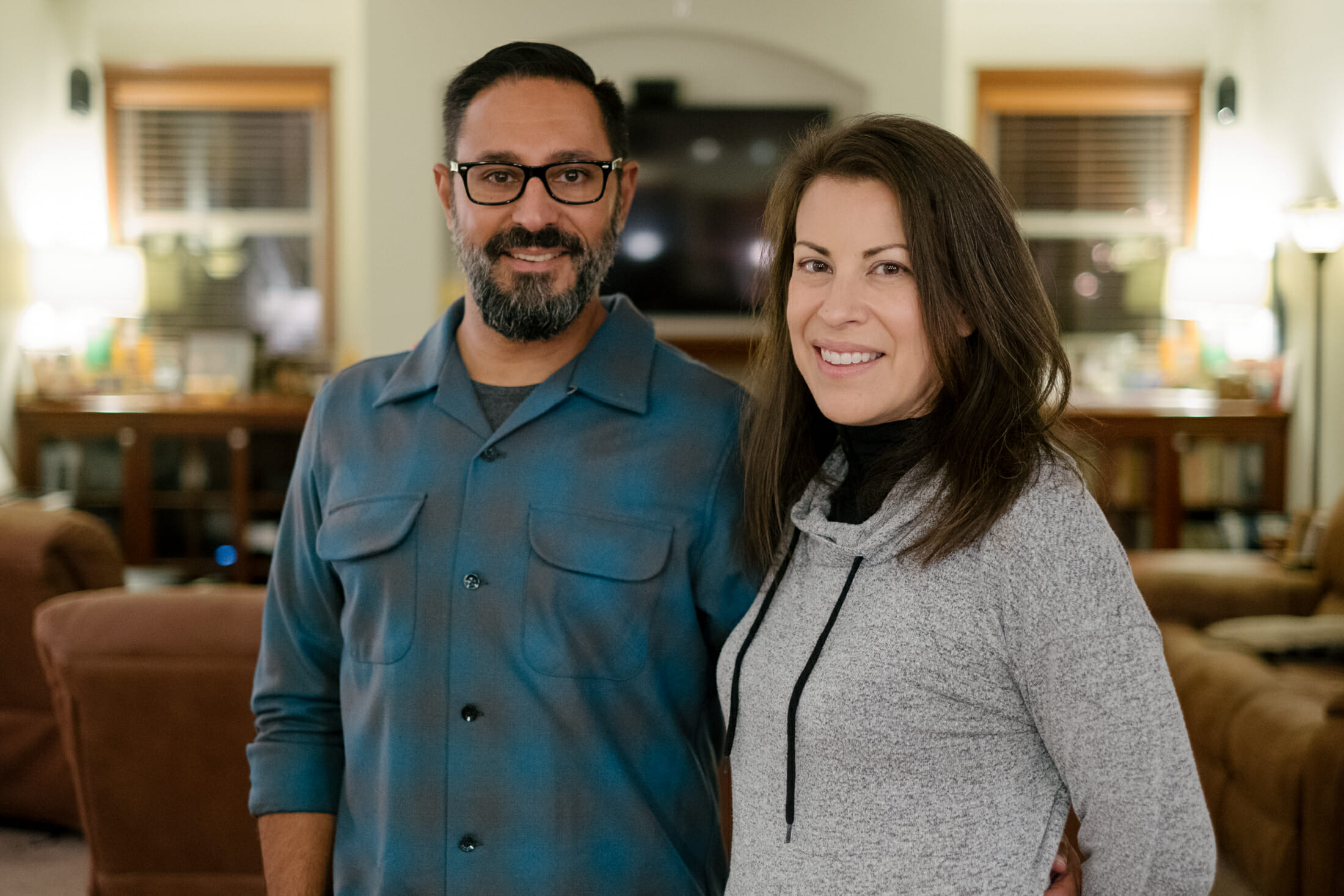
Jude and Emma
Olympia, WA
For Jude and Emma, Buddhism is not simply a practice that happens on the meditation cushion—it has become part of their marriage, parenting, careers, and everyday relationships. Raised in Catholic families in Kansas, their spiritual journeys gradually led them toward Buddhism, from early encounters with Zen to Tibetan Buddhist teachings, meditation, sangha, and the exploration of emptiness and interdependence.
Over more than two decades of marriage, their Buddhist paths have evolved in different ways. Jude remains drawn to the discipline and simplicity of Zen alongside Tibetan Buddhist philosophy, while Emma finds meaning in mindfulness, community, and bringing Buddhist practice into ordinary human connection. Rather than pulling them apart, these differences have become part of their practice together.
Through marriage, raising children, navigating careers, and confronting the inevitable conflicts of family life, Jude and Emma have discovered that some of Buddhism’s deepest teachings are revealed through relationship. Their story explores what it means to move Buddhist practice beyond the cushion—to see marriage as a practice of letting go, parenting as an opportunity for mindfulness, and interdependence not simply as Buddhist philosophy, but as something lived every day.
Background
Jude Burkamp, a Kansas native with a unique cultural background, shares his journey of spiritual exploration. Raised in a household where his mother’s Indian heritage met his father’s Kansas roots, Jude’s early exposure to Buddhism came from trips to India, witnessing Buddha’s images, and discussions on Buddhism and Hinduism within his family.
While growing up in Kansas and attending Catholic school, Jude felt a strong connection to Catholicism, considering a path to becoming a Catholic priest like his father had contemplated. Simultaneously, Jude delved into martial arts, finding solace in this Asian-influenced practice, which later led him to more traditional Japanese martial arts deeply rooted in Zen Buddhism.
Jude’s fascination with Buddhism intensified during his later teenage years, primarily focused on the Zen tradition. His father’s openness to various spiritual traditions and an extensive library, including works by figures like Carl Jung, broadened Jude’s understanding of different philosophies.
Parallel to his interest in Buddhism, Jude felt a pull towards Western psychology, dedicating his academic pursuits to the subject. Upon leaving Kansas and relocating, he gained increased access to individuals studying and teaching Buddhism, allowing him to delve deeper into the Eastern tradition academically.
Jude’s journey reflects a lifelong exploration of the intersections between Western psychology and Eastern Buddhism, seeking common ground and connections between the two realms. His diverse cultural background and experiences have shaped a nuanced perspective, allowing him to appreciate the parallels and crossovers between seemingly distinct spiritual and psychological traditions.
Learn more
For Jude and Emma, some of the most meaningful Buddhist teachings aren’t found in formal meditation—they emerge in the ordinary, sometimes messy experience of building a life together.
After more than two decades of marriage, they have come to see their relationship itself as a practice. Ideas like emptiness and interdependence become tangible when two people disagree, change, raise children, pursue careers, and discover that neither person remains quite as independent as they once imagined. Their Buddhist paths have also evolved differently, showing how two people can deepen their practice in distinct ways without needing to walk exactly the same spiritual path.
Their children have opened another dimension of practice. Rather than trying to raise their sons to simply “be Buddhist,” Jude and Emma weave teachings such as mindfulness and impermanence into ordinary moments—hurt feelings, a skinned knee, frustration, or even losing a game. The aim is less about giving their children a belief system than allowing the practice to become part of everyday life, helping them learn to observe their experience and discover a path for themselves.
Their professional lives raise different questions. How do you leave the identity and ego of work at the door when you come home? How can Buddhist practice shape the way we listen to colleagues and strangers? And what happens when the insights of meditation begin influencing how we understand psychology, relationships, and the people around us? For Jude and Emma, these questions are part of the ongoing challenge of integrating the Dharma into ordinary life.
In their full profile, Jude and Emma explore these questions alongside the importance of trusting and learning from spiritual teachers, the support they have found through Buddhist community, and their experiences moving between Zen and Tibetan Buddhist traditions. They also reflect on what happens when teachings rooted in Asian cultures encounter Western assumptions about individuality, authority, family, and spirituality—questions at the heart of Buddhism’s adaptation to the West.
Their conversation offers something quietly powerful: a glimpse of Buddhism not as an escape from ordinary life, but as a way of entering more deeply into it.
Register to continue exploring Jude and Emma’s story and discover how Buddhist practice has shaped the life they have built together.
Share This Story, Choose Your Platform!
Other Portraits
George | From Student to Teacher: Building Sangha and Living the Dharma
David G: Recovery, Shambhala Buddhism, and the Lifelong Practice of Transforming the Mind
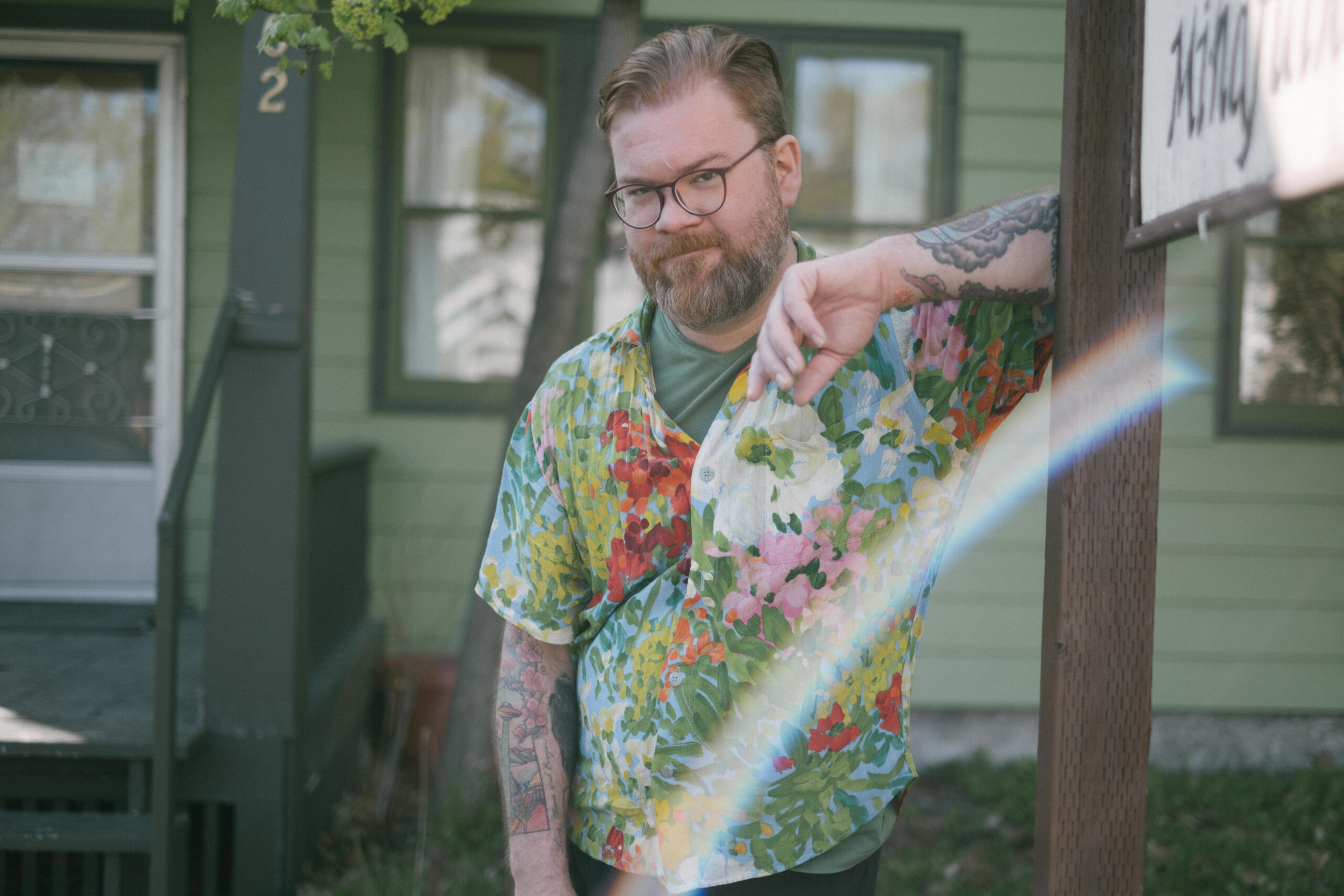
Kyle’s Journey into Plum Village Buddhism | Finding Peace Through Mindfulness and Community
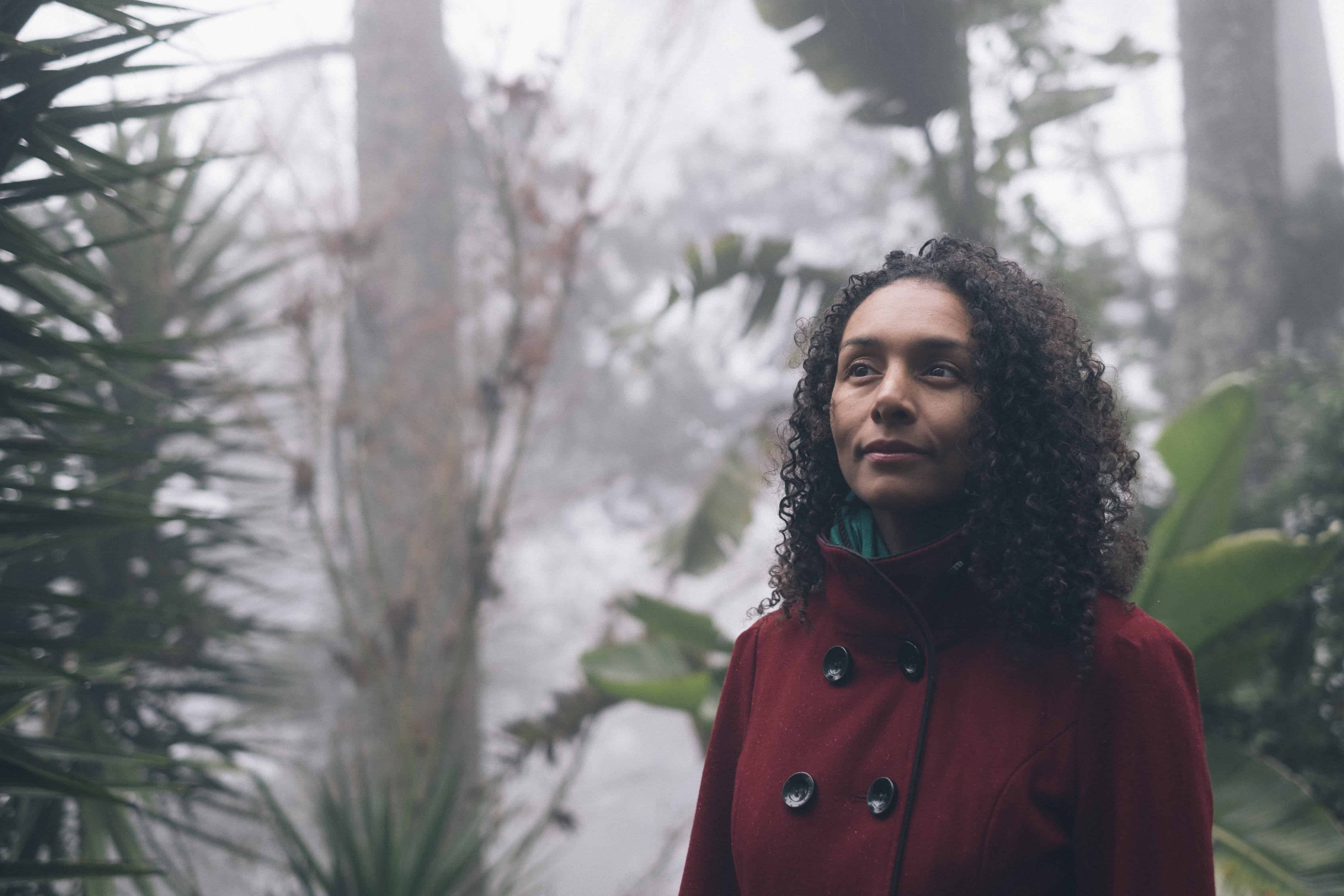
Zanette: Embodied Dharma, Mindfulness, and the Practice of Presence in Everyday Life
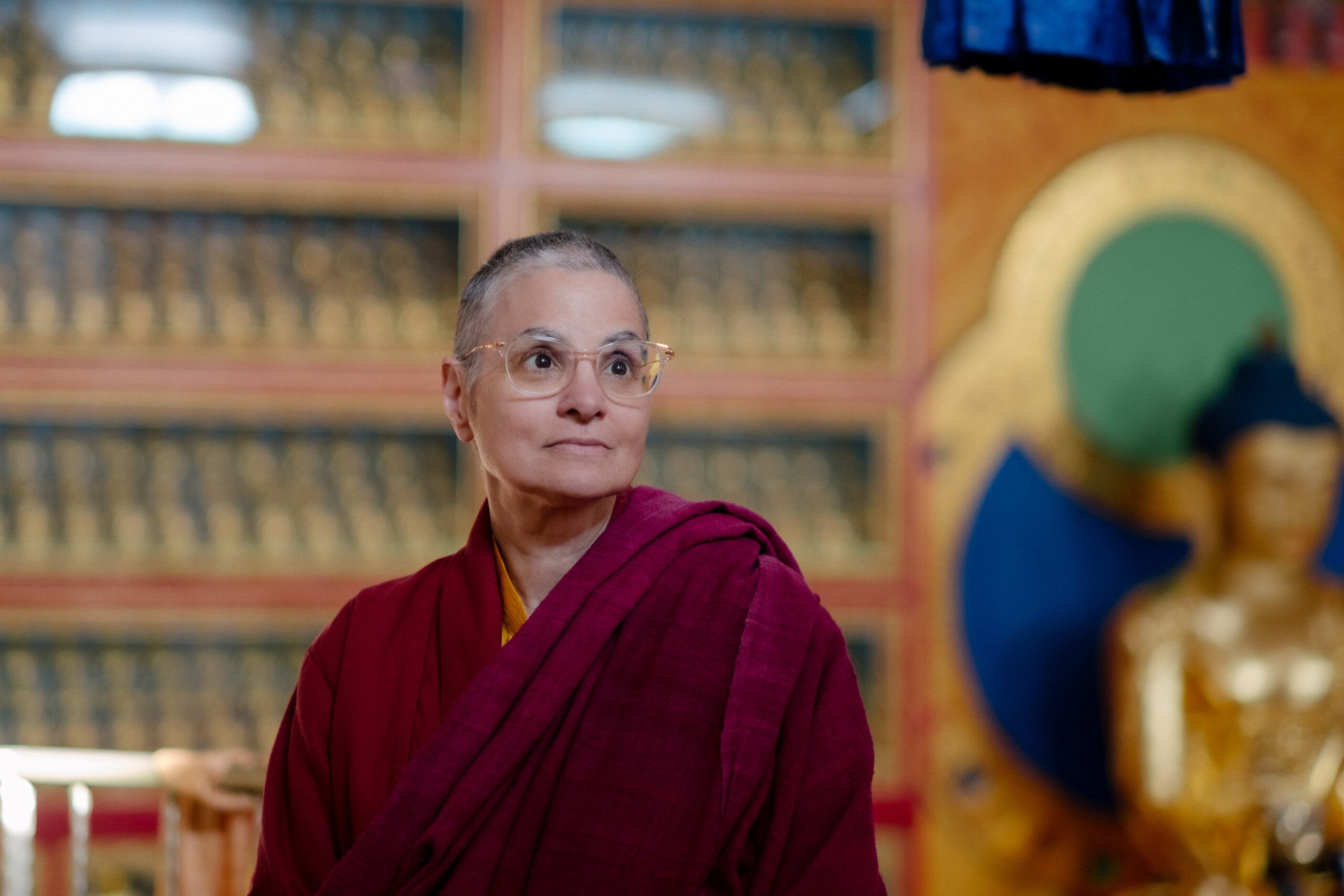
Ani Palmo Lodro: From Corporate Life to a Tibetan Buddhist Monastery

Bruce on Zen Buddhism: From Success to Self-Mastery
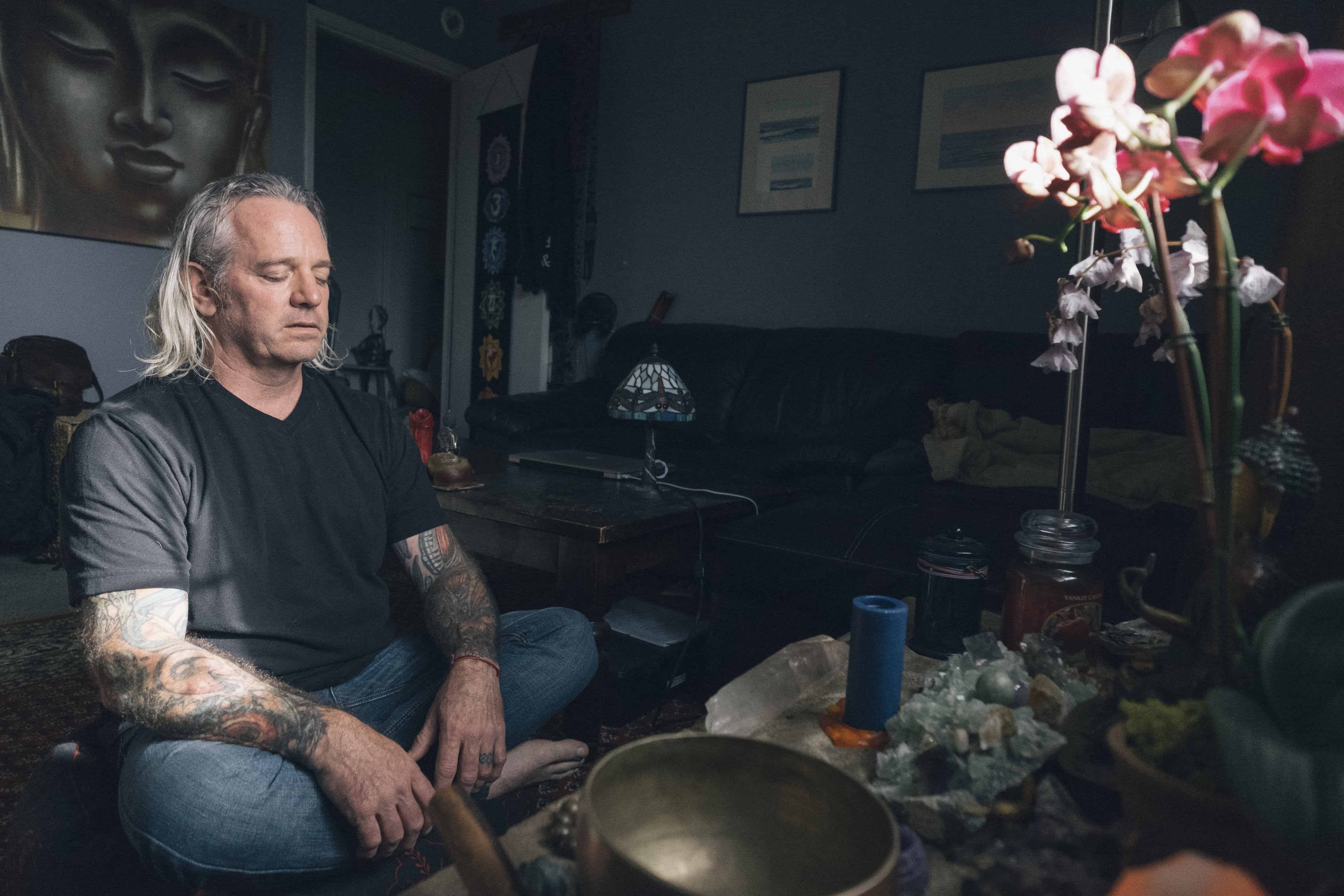
Jeff: Recovery, Sangha, and Finding the Dharma in Human Connection
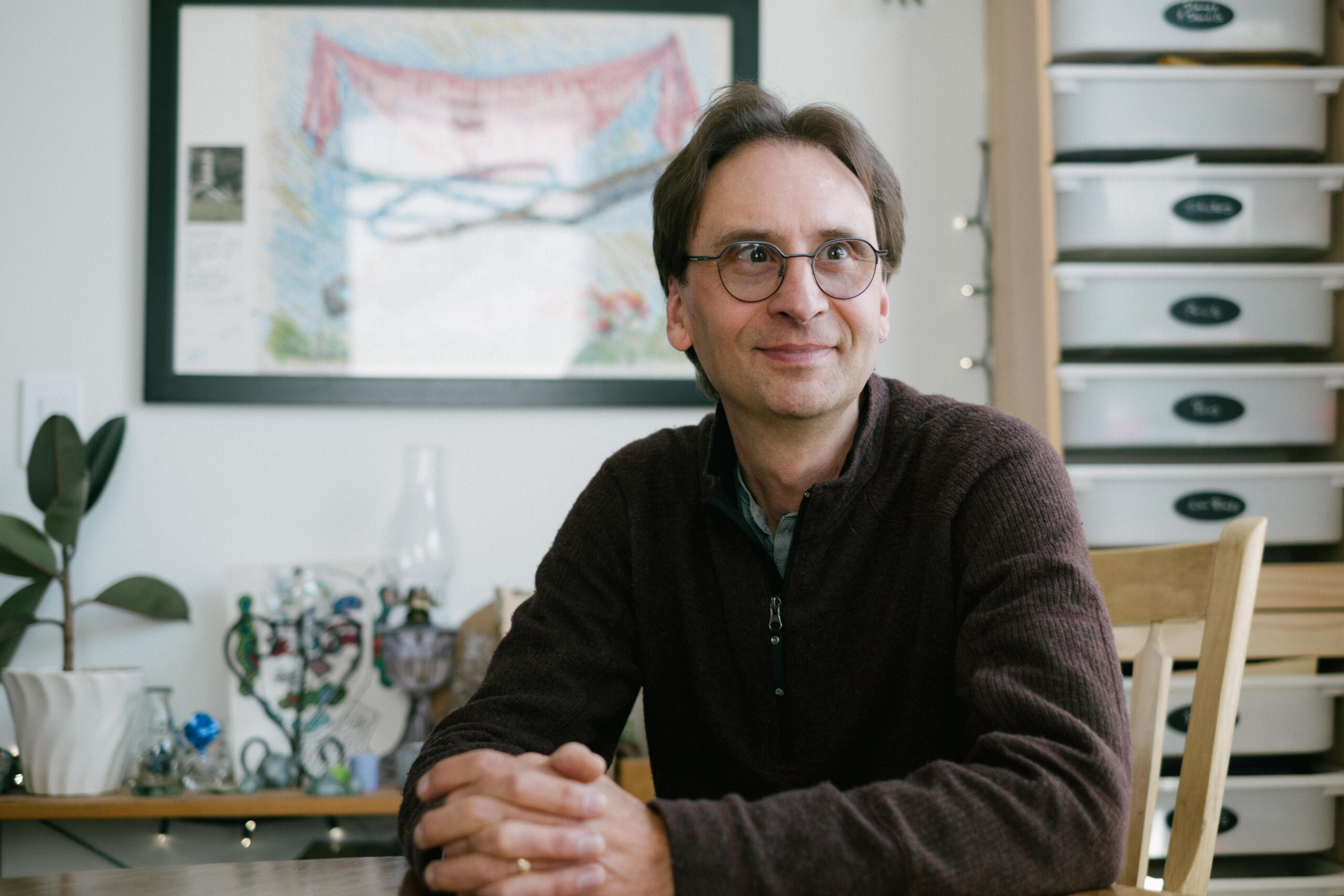
Steven: Finding Compassion in Everyday Life Through the Plum Village Tradition
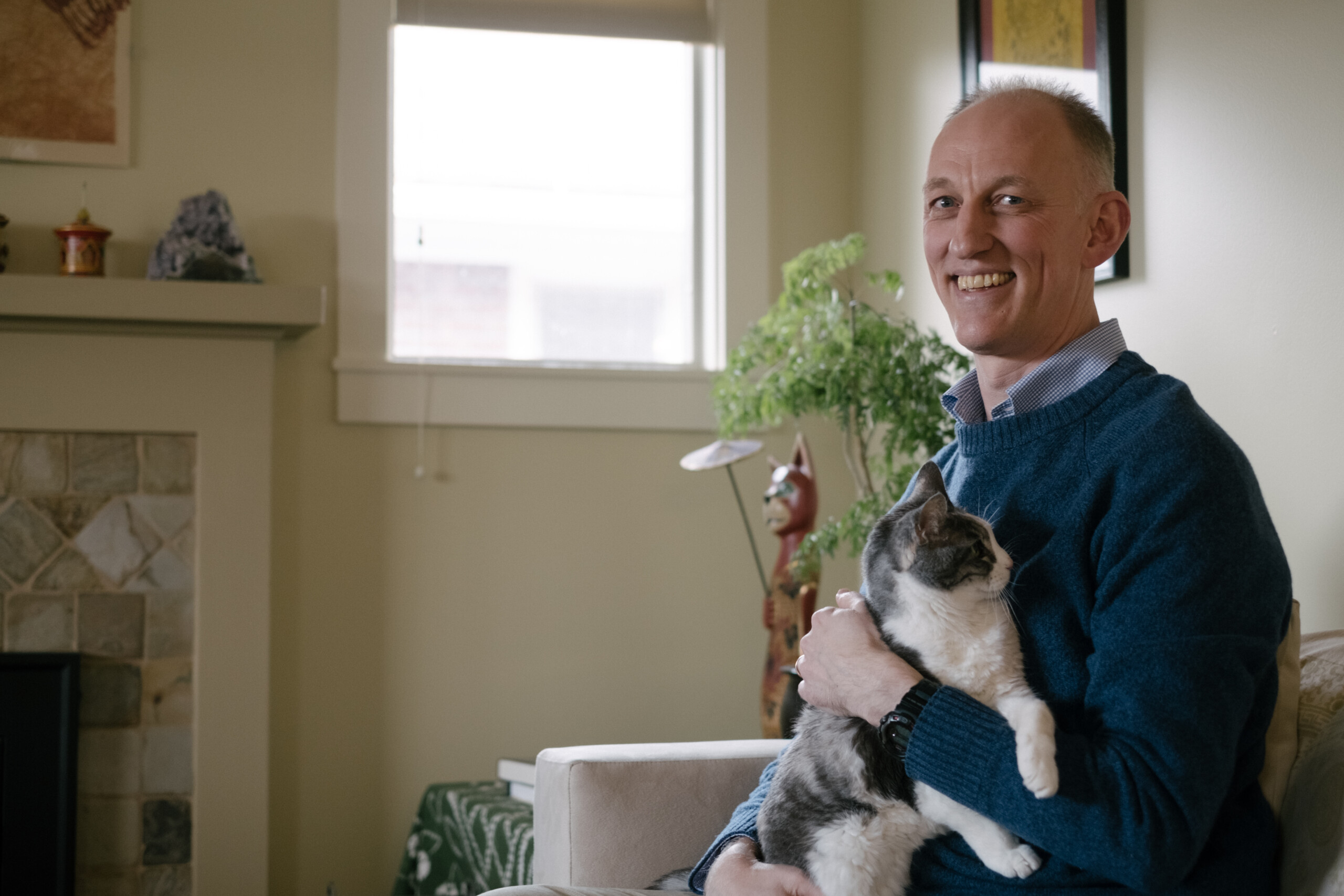
Joe: How Taking Refuge and Clear Buddhist Teachings Transformed His Life