window.dataLayer = window.dataLayer || []; function gtag(){dataLayer.push(arguments);} gtag('js', new Date()); gtag('config', 'UA-77394692-1');

Jude & Emma: Buddhism, Marriage and the Practice of Interdependence

2026-08-26T05:59:51+00:00

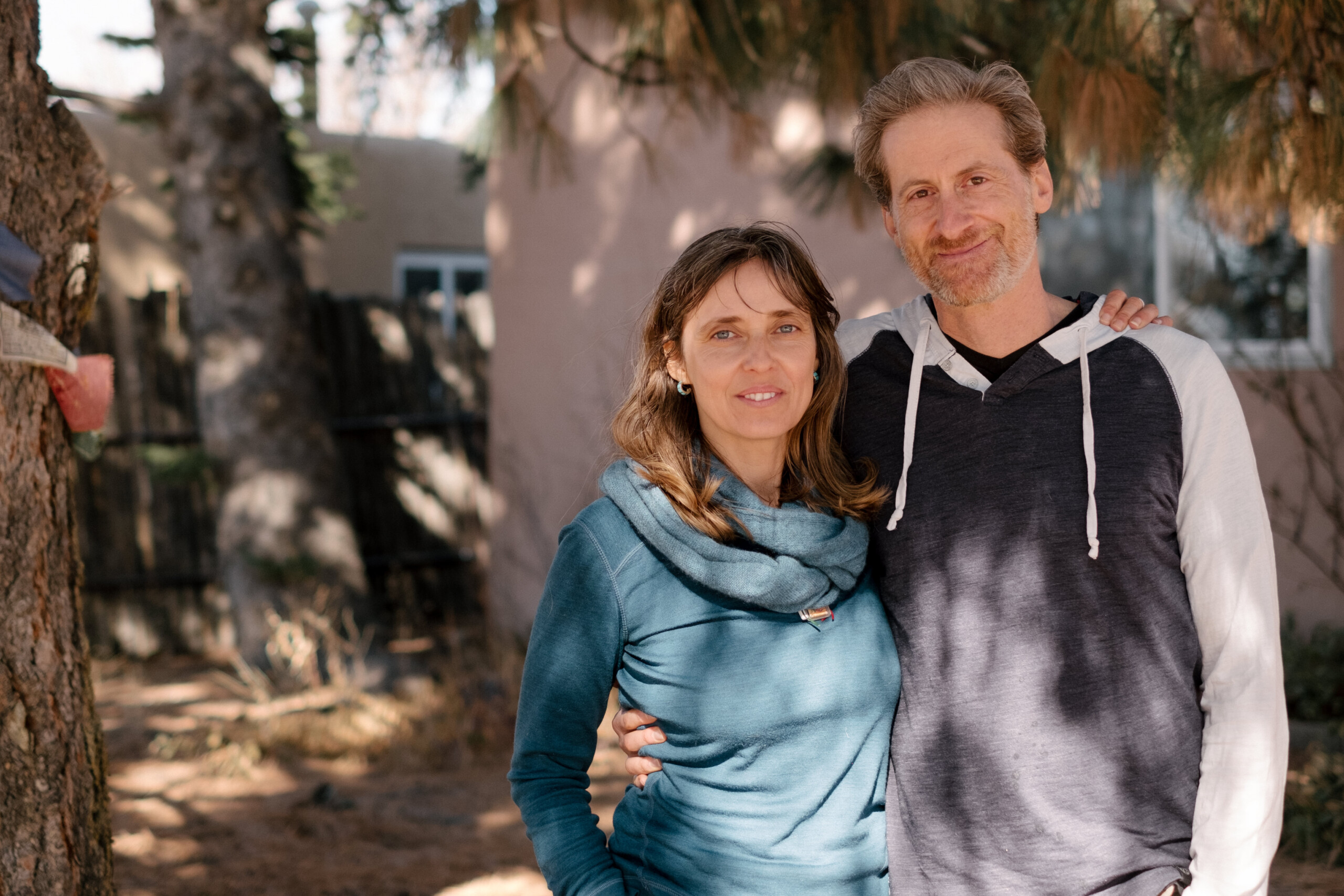
For Jude and Emma, Buddhism is not simply a practice that happens on the meditation cushion—it has become part of their marriage, parenting, careers, and everyday relationships. Raised in Catholic families in Kansas, their spiritual journeys gradually led them toward Buddhism, from early encounters with Zen to Tibetan Buddhist teachings, meditation, sangha, and the exploration of emptiness and interdependence. Over more than two decades of marriage, their Buddhist paths have evolved in different ways. Jude remains drawn to the discipline and simplicity of Zen alongside Tibetan Buddhist philosophy, while Emma finds meaning in mindfulness, community, and bringing Buddhist practice into ordinary human connection. Rather than pulling them apart, these differences have become part of their practice together. Through marriage, raising children, navigating careers, and confronting the inevitable conflicts of family life, Jude and Emma have discovered that some of Buddhism’s deepest teachings are revealed through relationship. Their story explores what it means to move Buddhist practice beyond the cushion—to see marriage as a practice of letting go, parenting as an opportunity for mindfulness, and interdependence not simply as Buddhist philosophy, but as something lived every day.

Willy & Kim: Buddhism, Art, Relationship, and the Transformative Power of Practice

2026-08-26T05:56:26+00:00

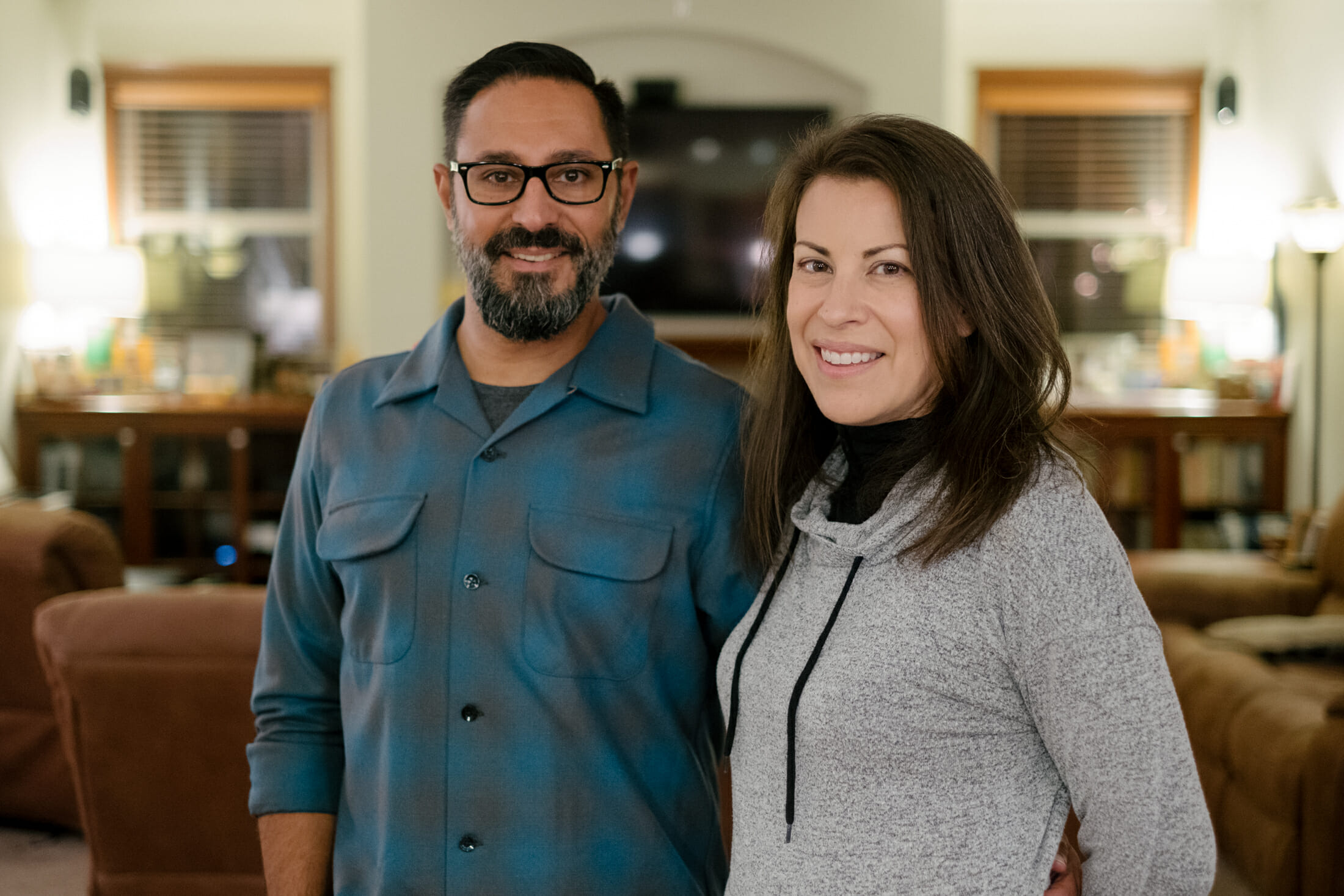
For Willy and Kim, Buddhism is not something practiced only on the meditation cushion—it is a path lived through relationship, creativity, community, and the challenges of everyday life. Willy’s journey began with a search that took him beyond intellectual knowledge, through India, encounters with spiritual teachers, and eventually into Tibetan Buddhism, where Ngöndro, Mahamudra, lineage, and Sangha became central to his practice. Kim’s path carries a different thread. Her earliest connection to Buddhism came through her Korean grandmother, but it was through art—and eventually her relationship with Willy—that Buddhism became a living spiritual practice. For Kim, creativity opens a doorway beyond the limited self, while Buddhist teachings on emptiness and impermanence offer a framework for understanding the freedom and possibility she encounters through art. Together, Willy and Kim reveal what happens when Buddhist practice enters the intimacy of a relationship. Meditation gives them space to step outside conflict, recognize habitual patterns, take responsibility for their actions, and remember that practice ultimately means learning how to benefit the person directly in front of you. Their story also speaks to the importance of Sangha as a mirror—one that keeps practice grounded, challenges the ego, and turns Buddhist teachings into something tested through real human relationships

Go to Top