window.dataLayer = window.dataLayer || []; function gtag(){dataLayer.push(arguments);} gtag('js', new Date()); gtag('config', 'UA-77394692-1');

Jogen: Living Zen Beyond the Cushion — Practice, Monastic Life, and the Path of Awakening

2026-08-26T05:59:19+00:00

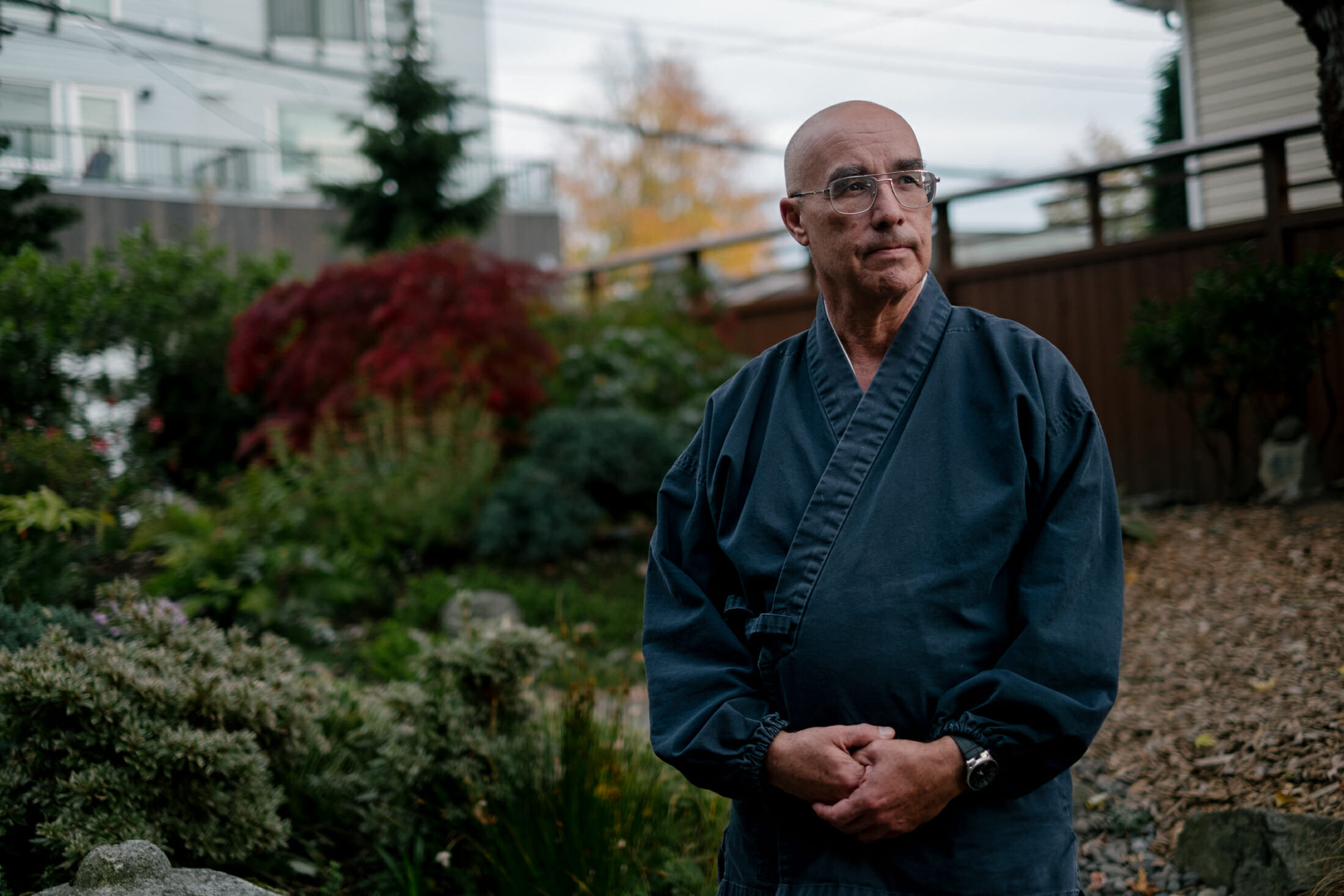
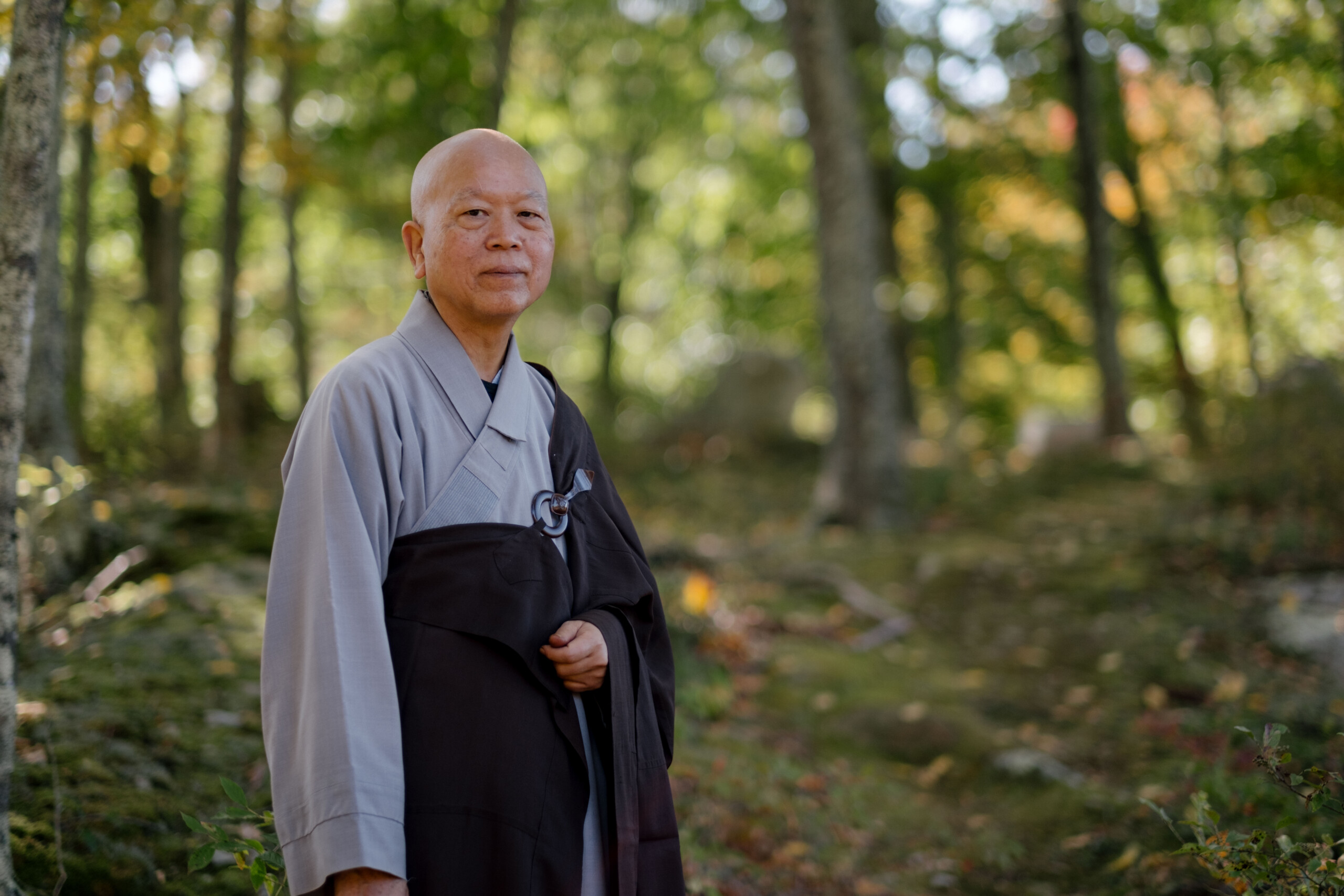
For Jogen, Zen Buddhism is not simply a meditation practice—it is a way of meeting life. Through monastic training, meditation, community, and the ordinary challenges of living alongside others, he has discovered that every moment can become part of the path. His journey reveals a Zen practice grounded in direct experience rather than belief, where transformation comes through consistency, patience, and a willingness to meet whatever arises. For those beginning their own Buddhist path, Jogen offers a simple reminder: don’t chase perfection or awakening. Practice, stay curious, find good teachers and community, and keep showing up. Over time, the distinction between life and practice begins to disappear.

Genjo: Zen Practice, Lineage, and Bringing Awakening Into Everyday Life

2026-08-26T05:58:17+00:00

Genjo’s journey into Zen began with skepticism and a search to understand the nature of existence. What he discovered was not a belief system, but a practice grounded in direct experience. Moving from Soto to Rinzai Zen, decades of meditation, retreats, koan study, teaching, and community engagement shaped his understanding that awakening cannot remain on the cushion. The meditation hall is the laboratory; everyday life is where the practice is tested. For Genjo, Zen means meeting ordinary life with awareness—through relationships, work, service, social responsibility, and the inevitable difficulties of being human. His approach also challenges the idealization of spiritual teachers, emphasizing that teachers are human and that life itself ultimately becomes our greatest teacher.

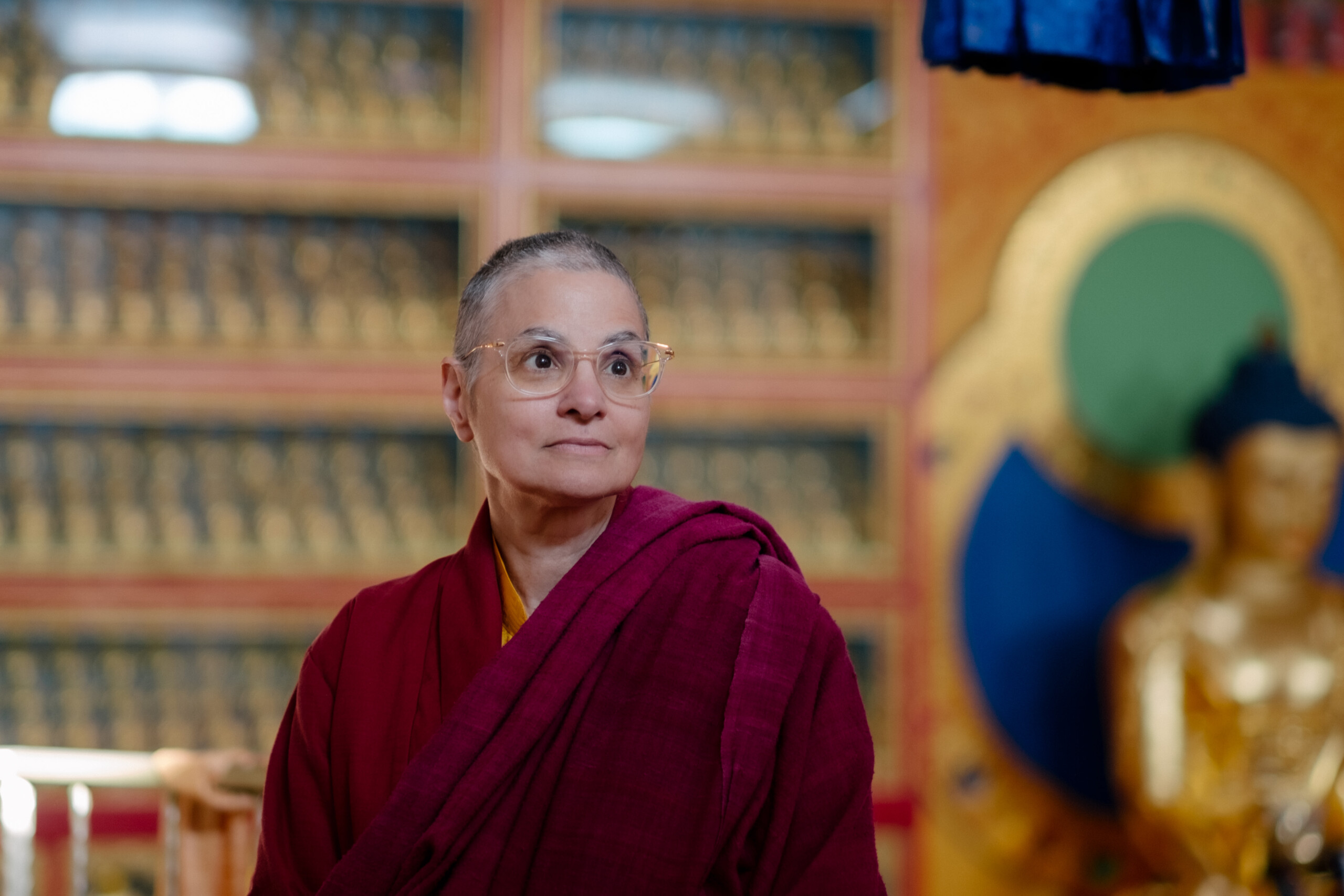
Shinchok: Finding Freedom, Devotion, and Wisdom Through the Buddhist Path

2026-08-26T05:57:39+00:00

Shinchok’s spiritual journey began with questioning. Raised Roman Catholic in a traditional Italian-American community in Springfield, Massachusetts, she challenged religious expectations from an early age and eventually left the Church while retaining an appreciation for the sense of community it offered. Her search led her through Zen, Hindu philosophy, meditation, Spiritualism, and an exploration of teachings surrounding death and consciousness. Eventually, Tibetan Buddhism opened another doorway, bringing together her longstanding curiosity about consciousness with a more disciplined contemplative path. Throughout her journey, Shinchok was less interested in accepting beliefs at face value than in discovering what could be known through direct experience. At the heart of Shinchok’s story is a lifelong search for an inner happiness that remains present beneath the changing conditions of anger, sadness, grief, and everyday life. Encounters with meditation masters helped convince her that this clarity was not simply an abstract spiritual idea, but something that could be embodied through sustained practice. Her journey reflects one of the central themes of Beyond the Cushion: spiritual practice becomes meaningful not simply because we inherit a tradition or believe its teachings, but because we test those teachings against our own experience and allow practice to transform how we meet our lives.

Alex G: Bringing Buddhist Practice Into Work, Relationships, and Everyday Life

2026-08-26T05:57:05+00:00

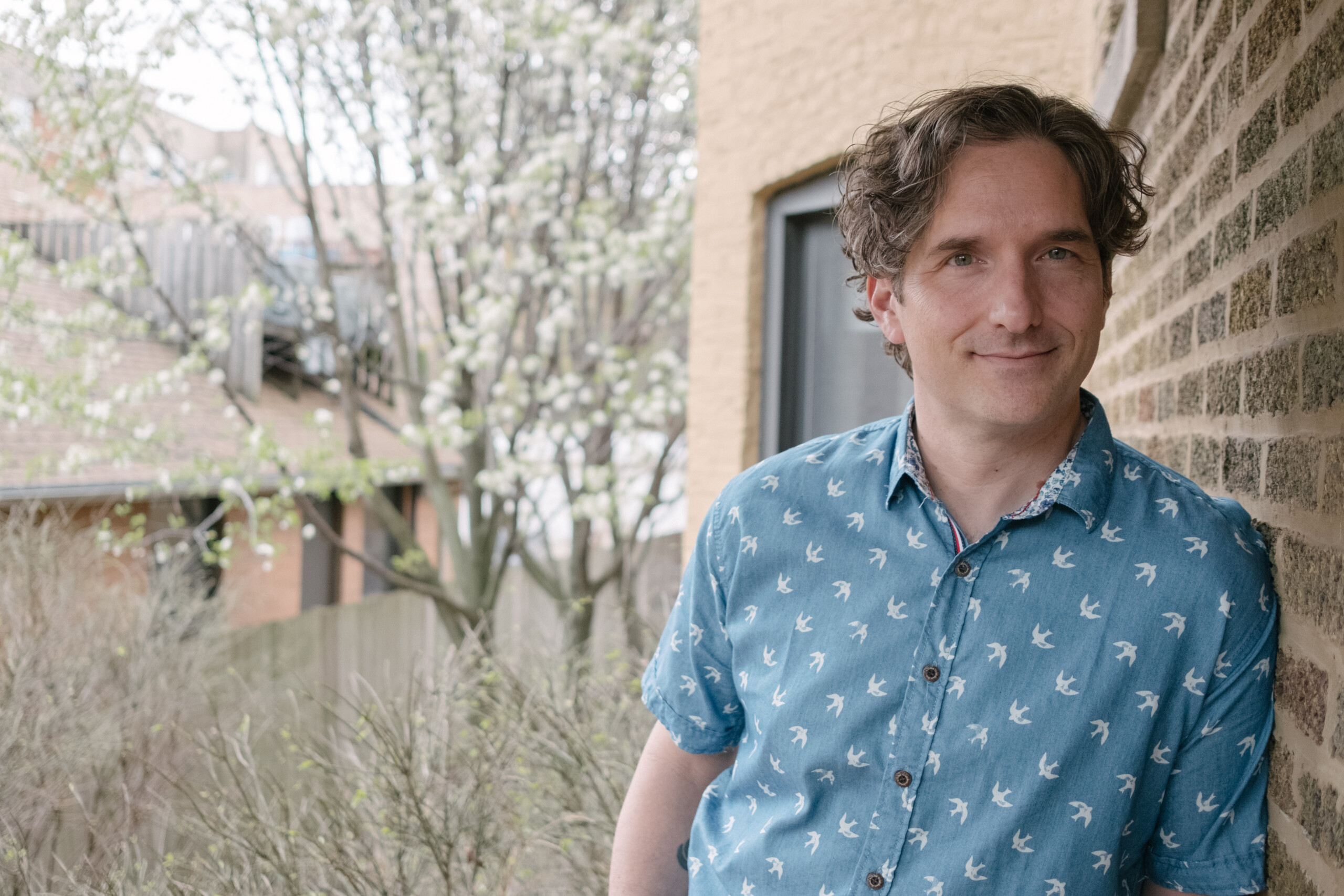
For Alex G, Buddhism is not something confined to the meditation cushion—it is a practice meant to be woven into every part of life. From discovering Buddhist teachings while studying at the University of Wisconsin–Madison to exploring different contemplative traditions and eventually committing more deeply to Mahamudra practice, Alex’s journey has been guided by curiosity, critical thinking, and direct experience. As a leader in sales and business development, Alex brings Buddhist principles into the pressures and relationships of professional life. Rather than seeing mindfulness as an escape from difficult situations, he uses practice to create space around them—to respond with greater clarity, compassion, and perspective. His approach reflects a central insight from his practice: external circumstances may not always be controllable, but how we meet them can be transformed. Alex also speaks to the importance of Sangha, retreat, teachers, and lineage. After years of exploration, he came to recognize that spiritual growth requires more than collecting experiences. At some point, exploration must give way to depth. For Alex, Buddhist practice is ultimately about developing the stability to remain present in the midst of life—to become, as he describes it, the “calm at the center of the storm.”

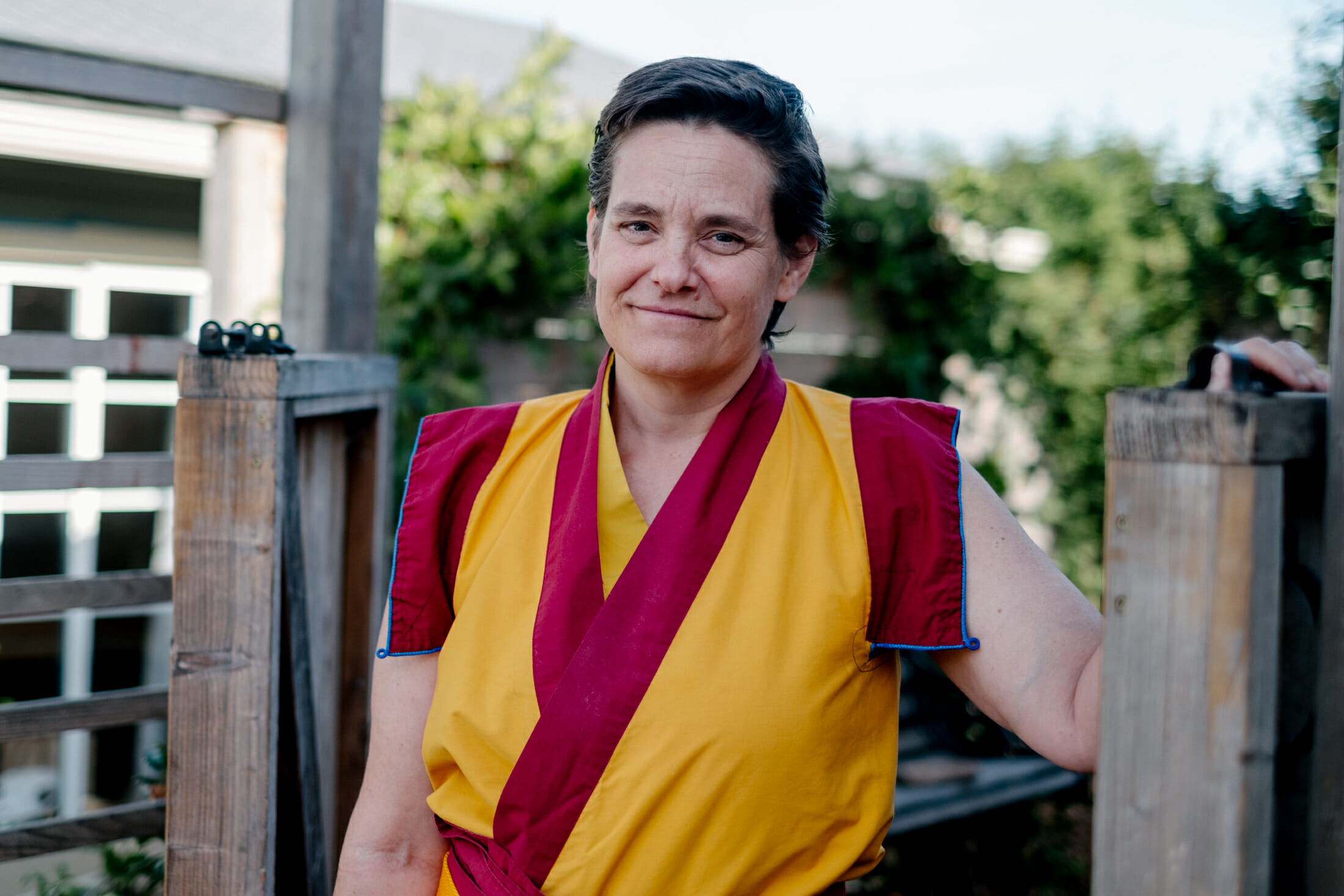
Ani Palmo Lodro: From Corporate Life to a Tibetan Buddhist Monastery

2026-08-15T22:00:51+00:00

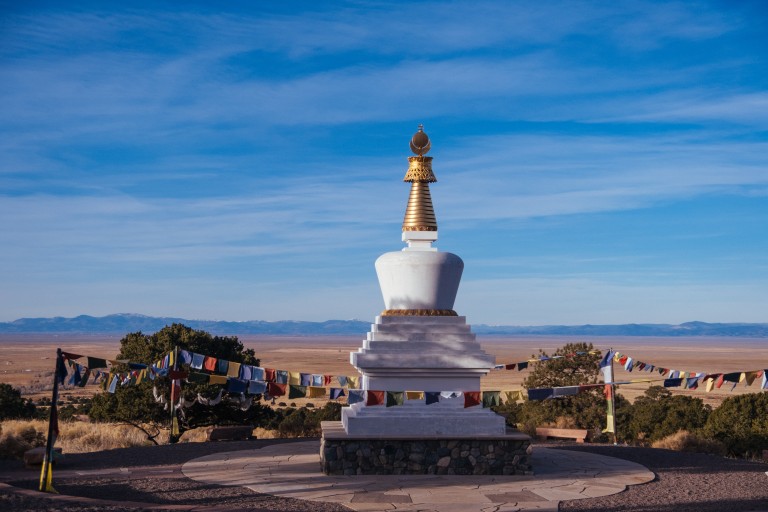
Ani Palmo Lodro’s journey into Tibetan Buddhism began with a question many people eventually confront: Why, when we have everything we thought we wanted, can something still feel missing? After building a successful corporate life, Ani Lodro found herself facing a profound sense of emptiness that material success could not resolve. Her search for deeper meaning eventually led her to Tibetan Buddhism, the Kagyu lineage, and ultimately ordination as a Buddhist nun. Today, Ani Lodro lives and serves at a Tibetan Buddhist monastery and retreat center, where her understanding of practice has moved far beyond meditation alone. Monastic life taught her that awakening is found not only in silence and retreat, but in discipline, community, humility, and the ordinary acts of serving others. “I came here thinking I would spend my life in meditation. Instead, I found that true practice is in the daily, ordinary acts of service.”

Guo Yuan Fashi: Finding Clarity Through Chan Buddhism and the Quiet Power of Everyday Practice

2026-07-21T11:54:41+00:00

Born in Vietnam to a Chinese Buddhist family, Guo Yuan Fashi never imagined he would one day become a Chan Buddhist monk and internationally respected meditation teacher. Although his mother introduced him to temples as a child, it wasn't until years later—after relocating to Canada following the Vietnam War—that he began searching for something deeper than material success. That search ultimately led him to Chan meditation, ordination under the renowned Chan Master Sheng Yen, and a lifetime devoted to preserving and sharing the Dharma. In this intimate conversation, Guo Yuan Fashi explains that genuine Buddhist practice is found not only on the meditation cushion but in the smallest moments of everyday life. Whether sweeping the meditation hall, eating a meal, or quietly observing the mind, each activity becomes an opportunity to cultivate awareness, compassion, and wisdom. His teacher's greatest lessons were rarely delivered through lectures, but through ordinary actions that revealed the profound nature of mindfulness. Guo also reflects on the challenges of transmitting authentic Chan Buddhism in the modern world. As people increasingly seek meditation for stress relief, he gently encourages practitioners to look beyond temporary calm toward genuine transformation. He discusses the importance of lineage, the indispensable role of the Sangha, and the need to make ancient teachings accessible without compromising their depth. Despite cultural shifts and modern distractions, he remains optimistic that the Dharma continues to offer timeless guidance for anyone willing to slow down, look inward, and practice wholeheartedly. His story is a reminder that awakening is not found in extraordinary experiences, but in learning to meet each ordinary moment with complete presence.

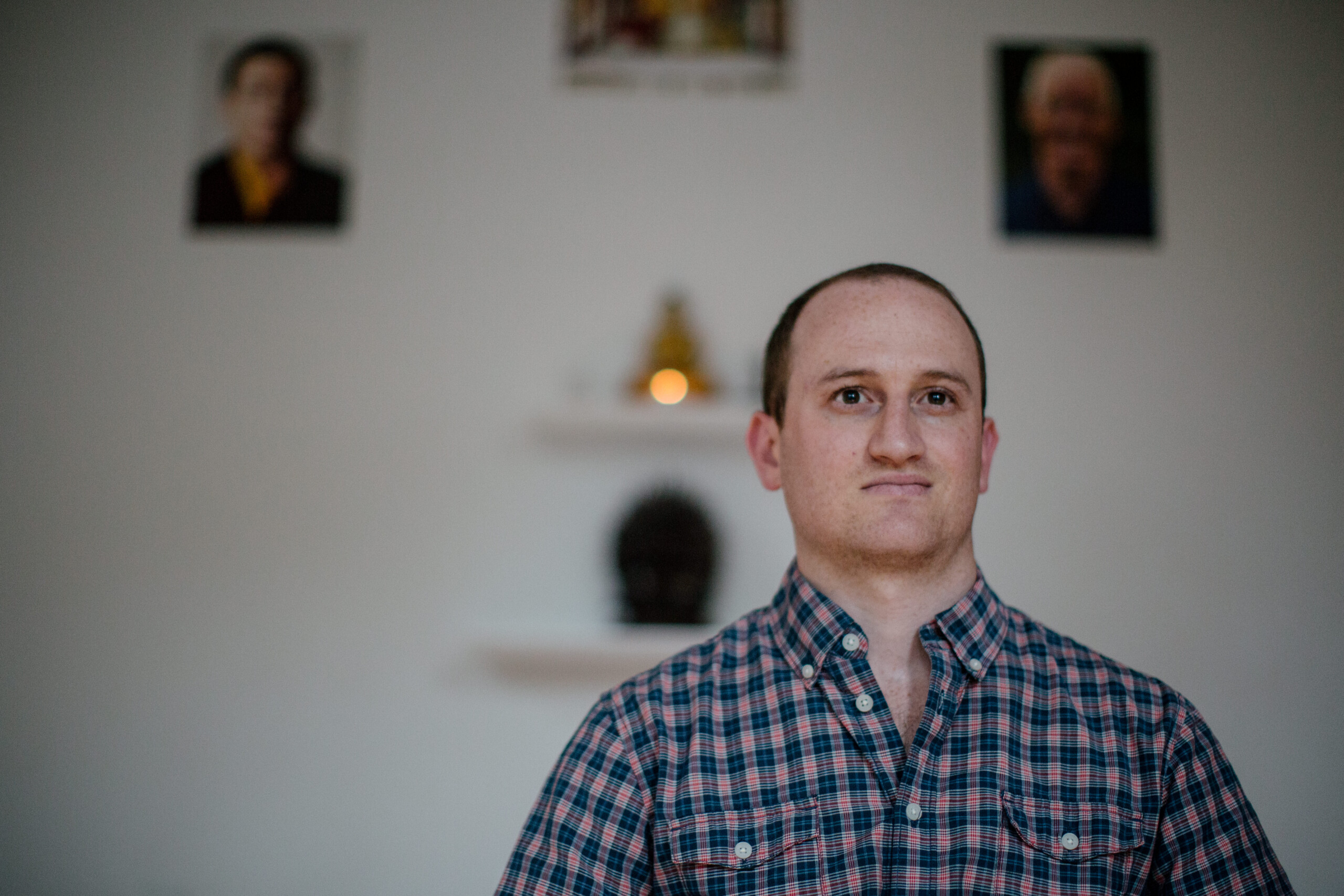
From Science to Buddhism: Ben’s Journey to Truth Through Vajrayana Practice

2026-07-10T03:44:55+00:00

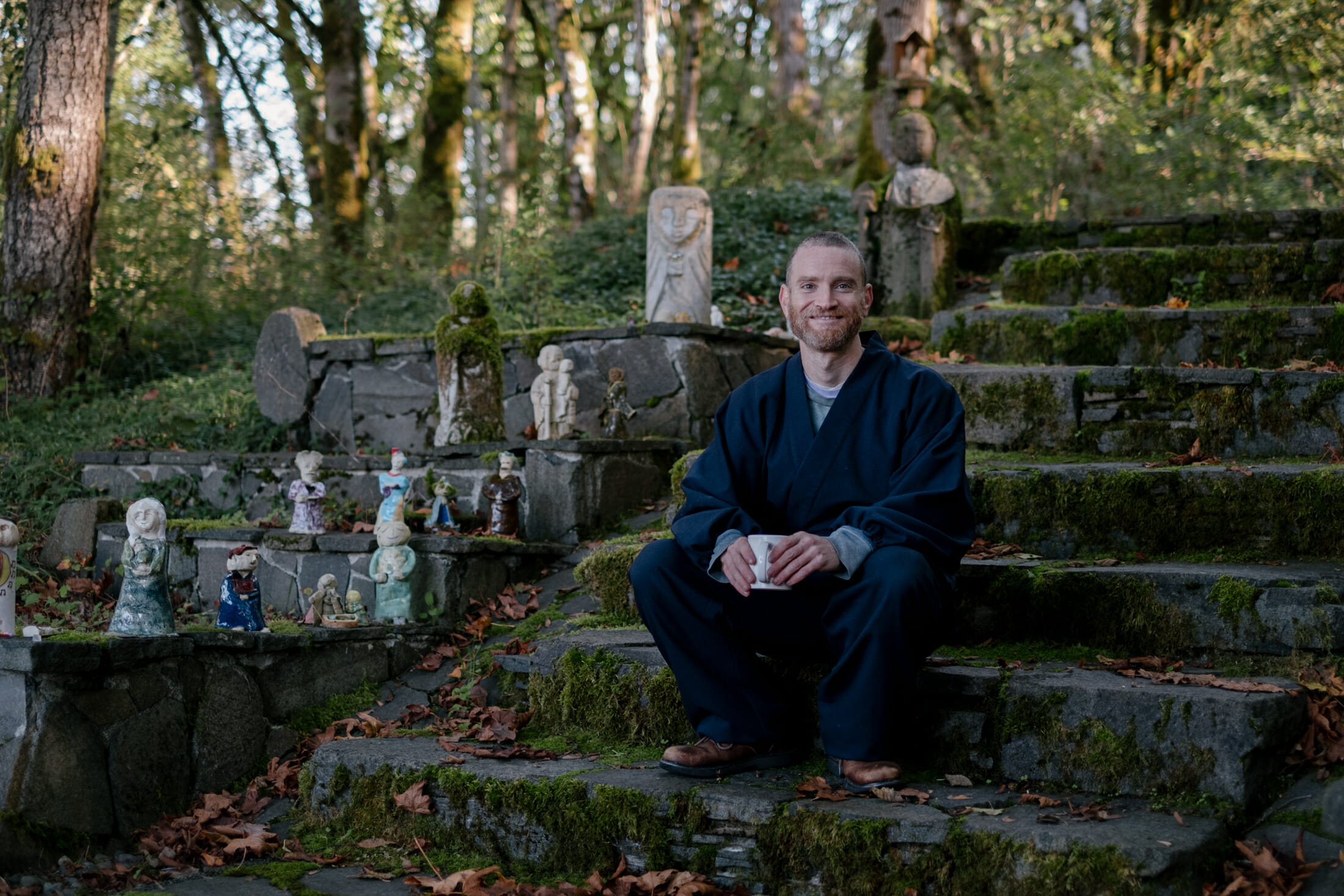
What happens when a lifelong search for truth through science reaches its limits? For Ben, the answer came through Buddhism. Raised in a Christian family and trained as an engineer, he spent years searching for a unified explanation of reality through physics and material science before discovering that the deepest questions couldn't be answered by equations alone. Everything changed when he encountered Buddhist philosophy and later met his Vajrayana teacher, transforming an intellectual search into a lived path of practice. In this interview, Ben shares how his analytical mindset found a natural home in Buddhism, which he describes as a science of the mind grounded in direct experience rather than belief. He explores the importance of authentic lineage, the transformative power of Ngöndro, and why lasting freedom comes through disciplined practice rather than collecting spiritual experiences. His story offers a compelling perspective for seekers, scientists, meditators, and anyone searching for a practical path to wisdom in the modern world.

Go to Top