window.dataLayer = window.dataLayer || []; function gtag(){dataLayer.push(arguments);} gtag('js', new Date()); gtag('config', 'UA-77394692-1');

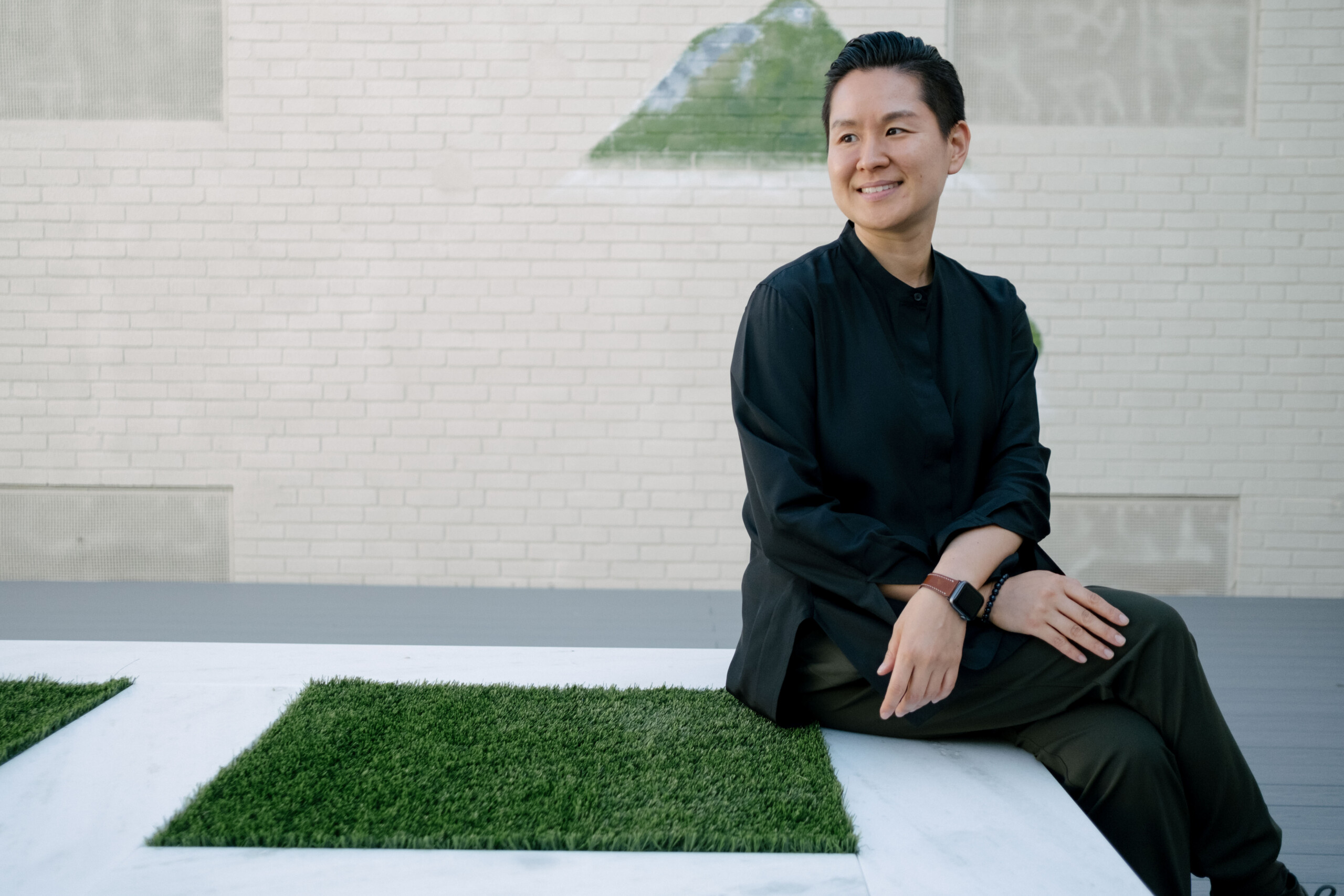
Zanette: Embodied Dharma, Mindfulness, and the Practice of Presence in Everyday Life

2026-09-11T20:20:43+00:00

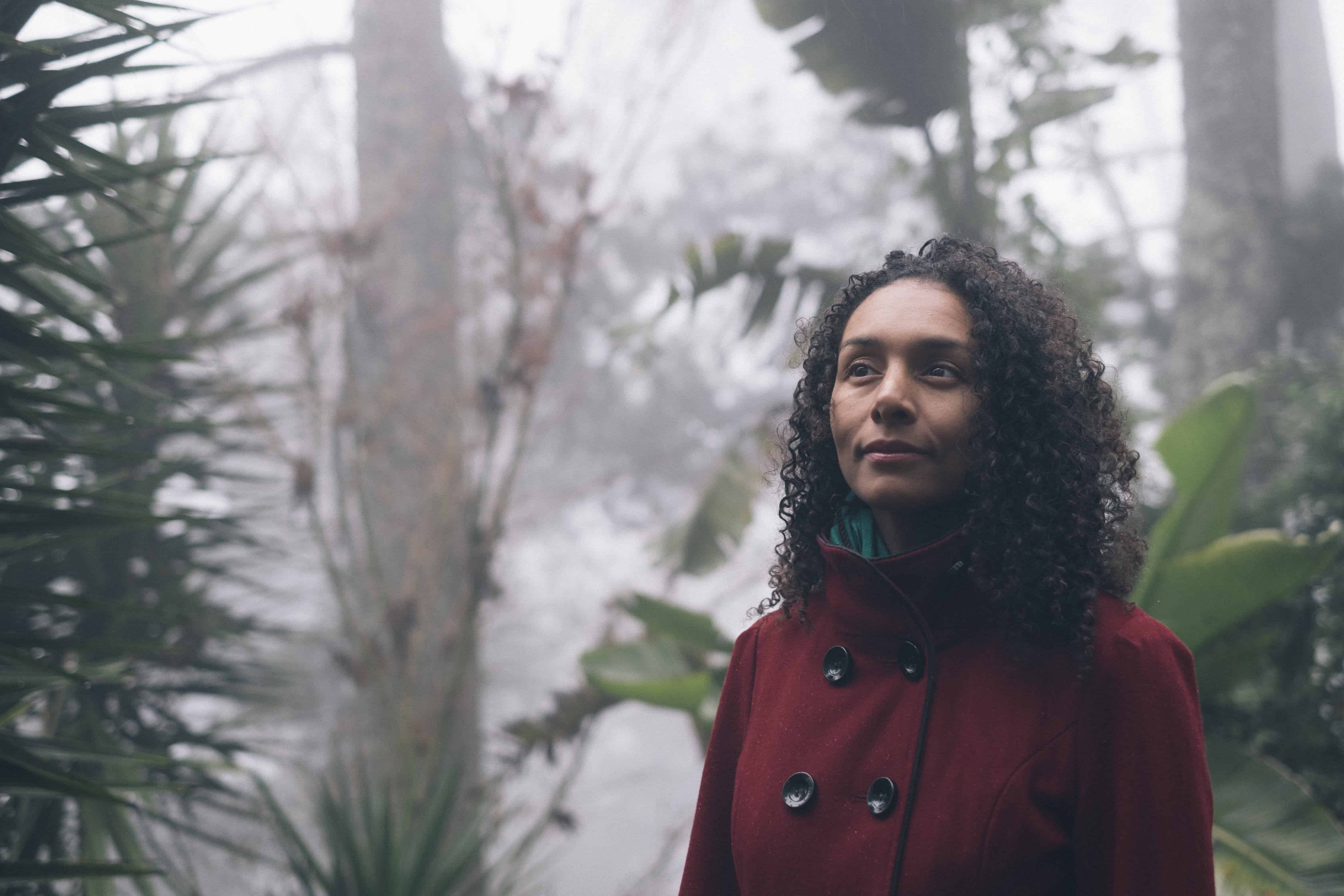
Zanette’s Buddhist journey began at age 13, when she first encountered the Dharma through a high school world religions class. Raised in a Christian family, she was drawn to Buddhism not as a replacement identity, but as a language of inquiry, ritual, and embodied presence. Over time, her path moved from intellectual curiosity into lived practice through meditation, Plum Village, the Order of Interbeing, Vipassana, Zen, and eventually Vajrayana. For Zanette, the Dharma is not confined to the cushion. It appears in how she communicates, how she listens, how she meets intimacy, and how she returns to the body during moments of fear or uncertainty. Her practice is rooted in presence: the ability to pause, feel, and respond with awareness rather than habit. Through teachers such as Anam Thubten and Pema Khandro Rinpoche, she found a path that honors both insight and structure, especially through non-monastic Vajrayana practice for householders. Her story also explores Buddhism in the West, the limits of secular mindfulness, the importance of sangha, and the role of ritual in facing death and honoring the preciousness of life. As an experience designer, Zanette brings contemplative practice into professional spaces without relying on Buddhist language, showing how Dharma can quietly shape communication, collaboration, and collective transformation. Zanette’s profile offers a deeply personal look at what it means to live the Dharma beyond the cushion—with honesty, embodiment, compassion, and a continual return to the present moment.
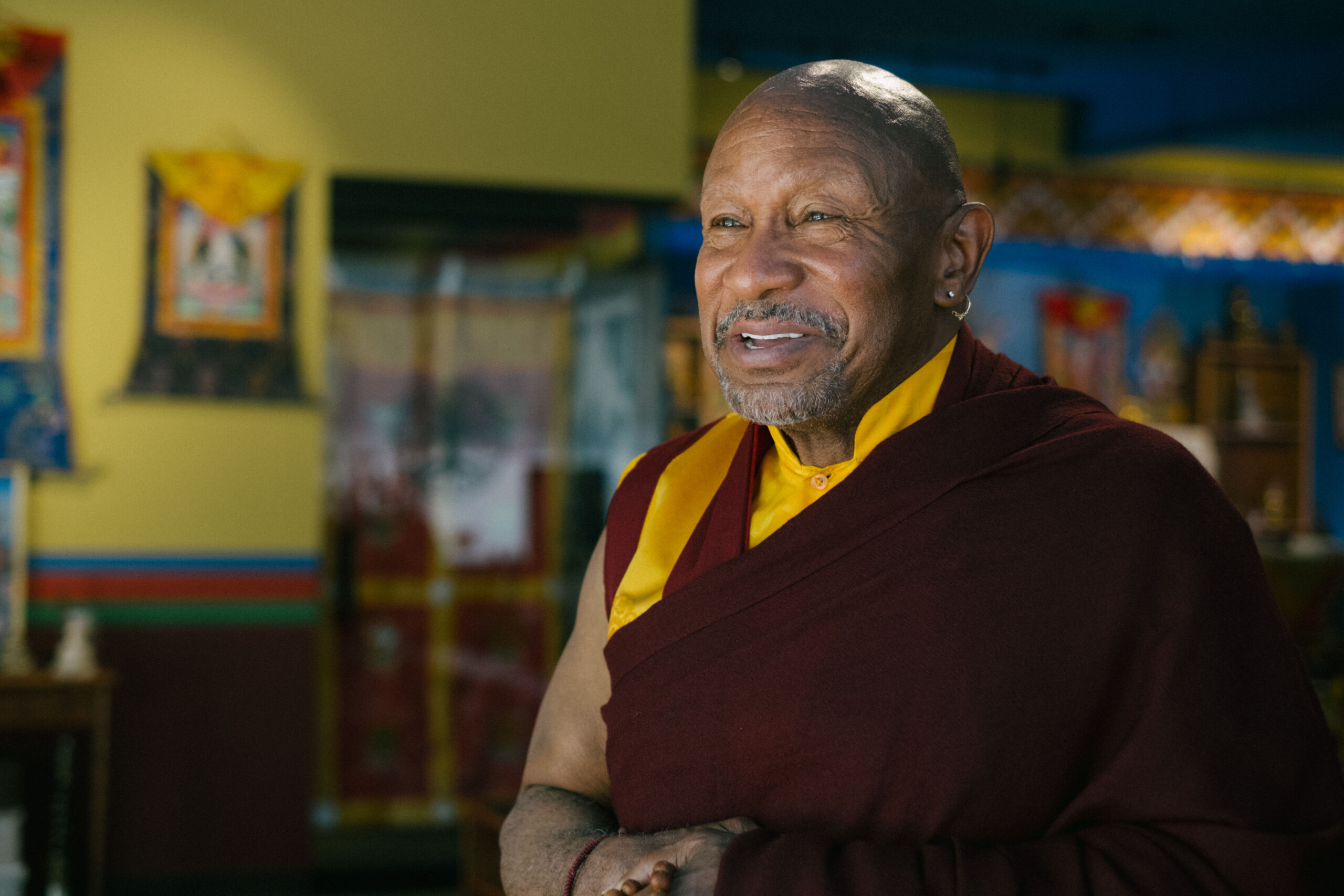
Indigo: Embodying Buddha Nature Beyond the Cushion

2026-09-11T23:16:35+00:00

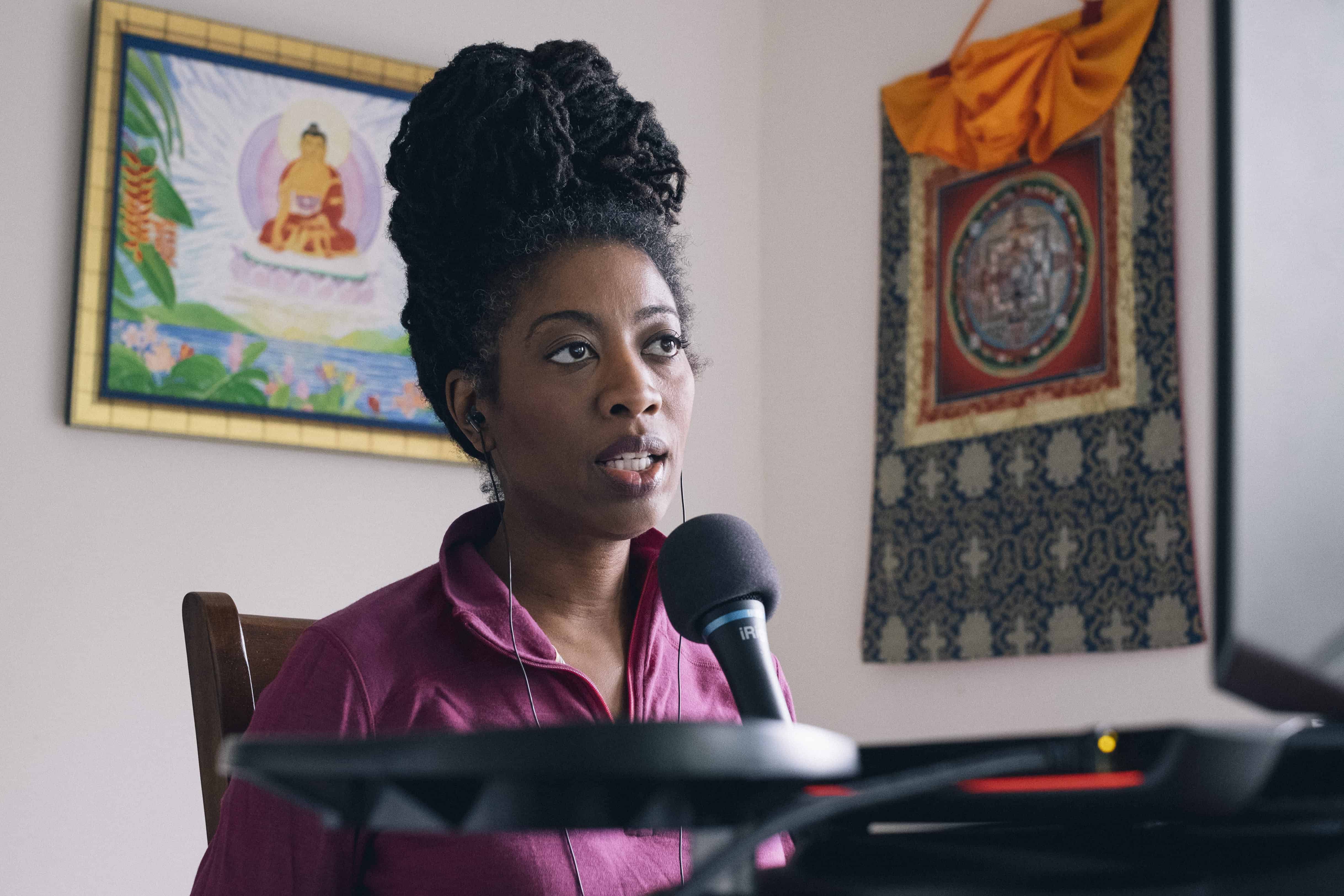
Indigo’s Buddhist journey is rooted in direct experience, devotion, and a deepening relationship with Vajrayana practice. Rather than approaching the Dharma simply as a way to fix problems or reduce suffering, she sees practice as an ongoing process of embodying Buddha nature more fully in everyday life. Through years of study and practice with her teacher, Anam Thubten, Indigo’s path has gradually moved away from intellectual understanding and toward lived experience. She is especially drawn to Vajrayana practices that use visualization, deity practice, and embodiment to loosen the boundaries of identity and reveal deeper dimensions of awareness. Her relationship with her teacher has also played a central role in her transformation. At one pivotal moment, trusting that relationship meant leaving a life she loved in Maui and moving to California—a decision that challenged her attachment to certainty and opened her to a deeper understanding of surrender, synchronicity, and commitment. For Indigo, spiritual realization is not a distant destination. There is no final finish line. Instead, the path is about allowing awakening to become increasingly natural—until the miraculous no longer feels extraordinary, and practice is no longer separate from ordinary life.

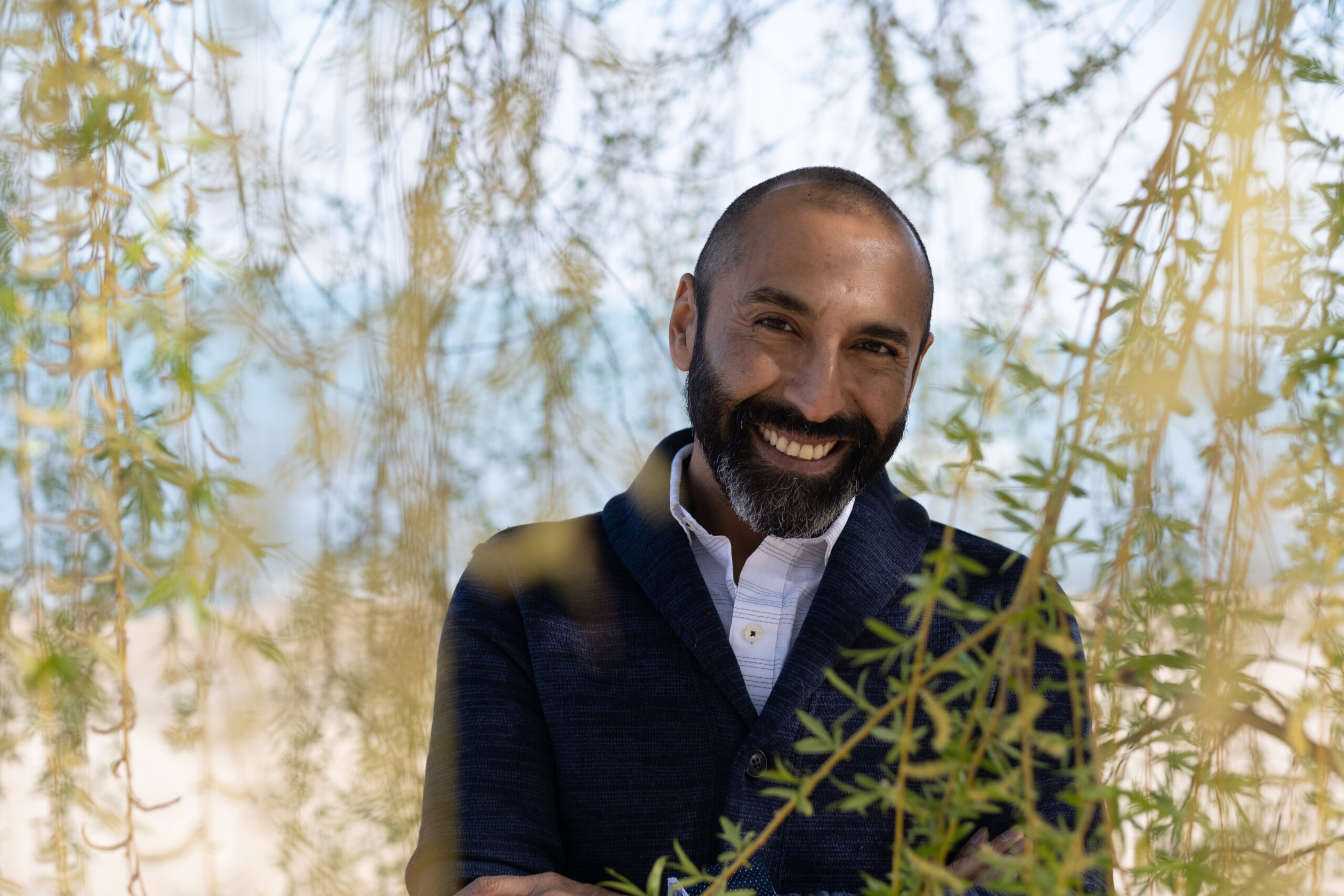
Albert: Finding Self-Acceptance and Freedom Through Buddhist Practice

2026-08-15T23:29:04+00:00

Albert’s journey into Buddhism is a deeply personal story of identity, suffering, self-acceptance, and transformation. Growing up gay within a traditional Catholic culture in Mexico, Albert struggled to find a spiritual home where he could fully embrace who he was. Meditation became an early refuge—a practice he would eventually describe as his “North Star,” something he could return to when everything else felt uncertain. Years later, Albert discovered Pure Land Buddhism at the Buddhist Temple of Chicago and began to understand spirituality in an entirely different way. Rather than waiting for something outside himself to provide redemption, Buddhist practice taught him to look directly at his own mind, suffering, and capacity for compassion. Through meditation, Sangha, and his relationship with his teacher Richard, Albert gradually learned that practice was not about becoming someone else, but about learning to fully inhabit his own life. That realization eventually moved beyond the meditation cushion. Albert brought mindfulness into corporate environments, left a successful six-figure career to pursue work with greater social purpose, and began teaching meditation in ways accessible to modern practitioners. His story reveals Buddhism not as an escape from ordinary life, but as a way of meeting identity, work, relationships, suffering, and impermanence with greater awareness. For Albert, the fruit of practice is profoundly simple: learning to respect yourself, embrace your experience, and allow compassion to grow from the places that once caused the most pain.

Grace: Finding Healing, Grace, and Everyday Practice in Won Buddhism

2026-08-15T21:27:10+00:00

For Grace , Won Buddhism is more than a spiritual tradition—it is a practice woven into the ordinary moments of life. Raised between Korean Buddhist heritage and a multicultural Western upbringing, Grace’s relationship with the Dharma deepened through the illness and death of her father, when meditation, prayer, and the 49-day ritual became sources of healing and transformation. Her journey eventually led to ordination and a commitment to making Won Buddhist teachings accessible to modern Western practitioners. Grace sees Dharma not as something confined to meditation or the temple, but as a way of meeting life itself. “Dharma isn’t limited to the cushion—it’s everywhere.” From relationships and adversity to death and rebirth, her practice centers on awareness, responsibility, compassion, and discovering the possibility of grace within even the most difficult experiences.

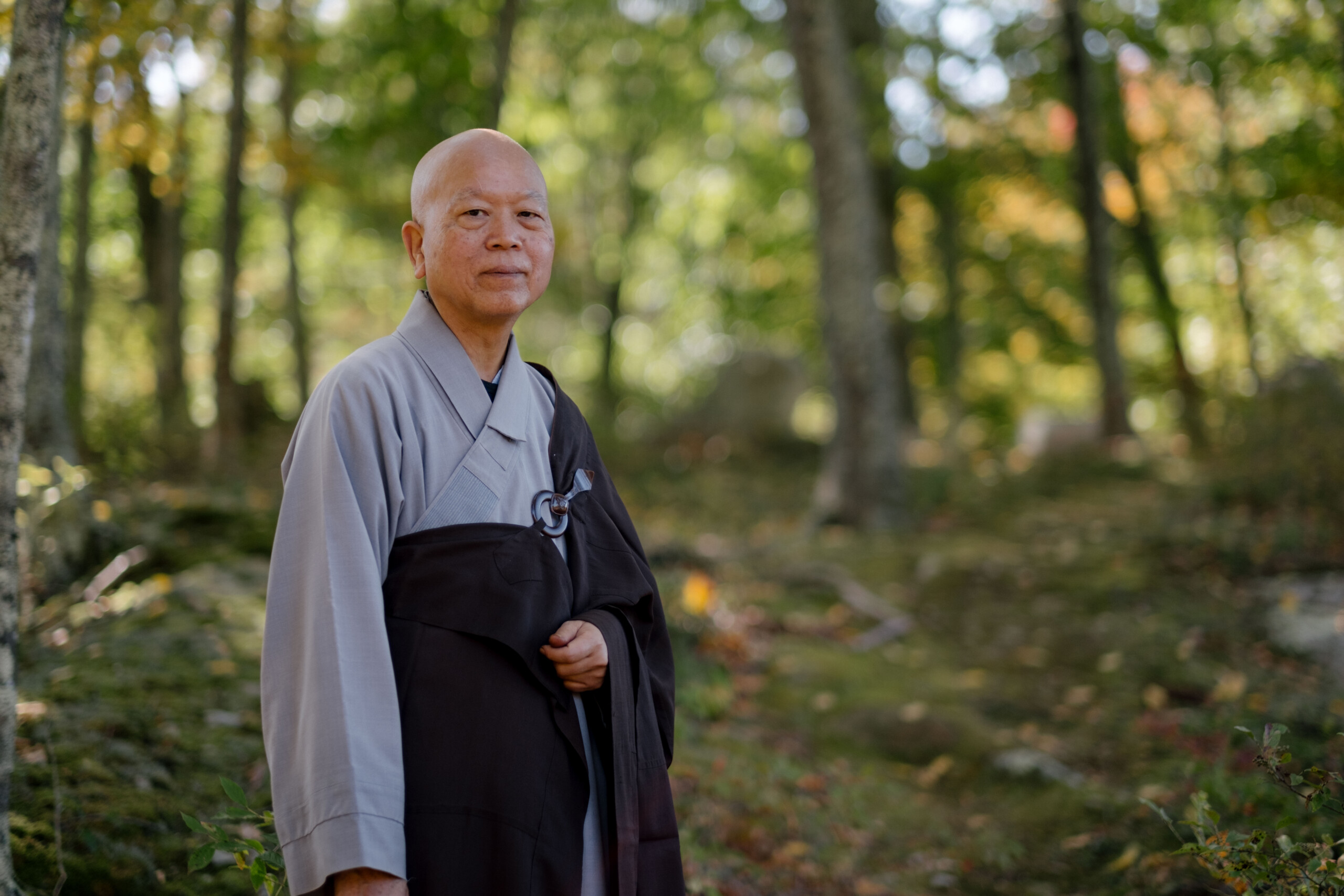
Guo Yuan Fashi: Finding Clarity Through Chan Buddhism and the Quiet Power of Everyday Practice

2026-07-21T11:54:41+00:00

Born in Vietnam to a Chinese Buddhist family, Guo Yuan Fashi never imagined he would one day become a Chan Buddhist monk and internationally respected meditation teacher. Although his mother introduced him to temples as a child, it wasn't until years later—after relocating to Canada following the Vietnam War—that he began searching for something deeper than material success. That search ultimately led him to Chan meditation, ordination under the renowned Chan Master Sheng Yen, and a lifetime devoted to preserving and sharing the Dharma. In this intimate conversation, Guo Yuan Fashi explains that genuine Buddhist practice is found not only on the meditation cushion but in the smallest moments of everyday life. Whether sweeping the meditation hall, eating a meal, or quietly observing the mind, each activity becomes an opportunity to cultivate awareness, compassion, and wisdom. His teacher's greatest lessons were rarely delivered through lectures, but through ordinary actions that revealed the profound nature of mindfulness. Guo also reflects on the challenges of transmitting authentic Chan Buddhism in the modern world. As people increasingly seek meditation for stress relief, he gently encourages practitioners to look beyond temporary calm toward genuine transformation. He discusses the importance of lineage, the indispensable role of the Sangha, and the need to make ancient teachings accessible without compromising their depth. Despite cultural shifts and modern distractions, he remains optimistic that the Dharma continues to offer timeless guidance for anyone willing to slow down, look inward, and practice wholeheartedly. His story is a reminder that awakening is not found in extraordinary experiences, but in learning to meet each ordinary moment with complete presence.

Lama Thupten Rinpoche on Bringing Authentic Tibetan Buddhism to the West

2026-08-28T21:07:34+00:00

How can a 2,600-year-old spiritual tradition remain authentic while speaking to the modern world? In this in-depth conversation, Lama Thupten explores the challenge of preserving the integrity of Tibetan Buddhism while making it accessible to Western practitioners. He discusses lineage, compassion, adapting ancient teachings without losing their essence, and why genuine inner transformation—not cultural imitation—is the heart of the Dharma. Discover timeless wisdom on meditation, interconnectedness, and the responsibility of carrying an authentic Buddhist lineage into the future.

Born I: Finding Truth Through Buddhism, Music, and Mental Health

2026-08-01T20:11:53+00:00

Born I's journey into Buddhism began with a lifelong search for truth. Drawn to the Dharma through its direct teachings on impermanence, compassion, and lived experience, he found a path that helped him navigate mental illness, cultivate authenticity, and integrate practice into every aspect of life. As a musician, author, and father, Born demonstrates how Buddhist practice extends far beyond meditation, shaping creativity, relationships, and everyday choices. His story explores the healing power of Pure Land Buddhism, the role of Sangha, and how Dharma became the foundation for his music, family life, and personal transformation. Rather than separating spirituality from ordinary life, Born embodies a practice rooted in presence, compassion, and service, offering an inspiring example of Buddhism lived in the modern world.

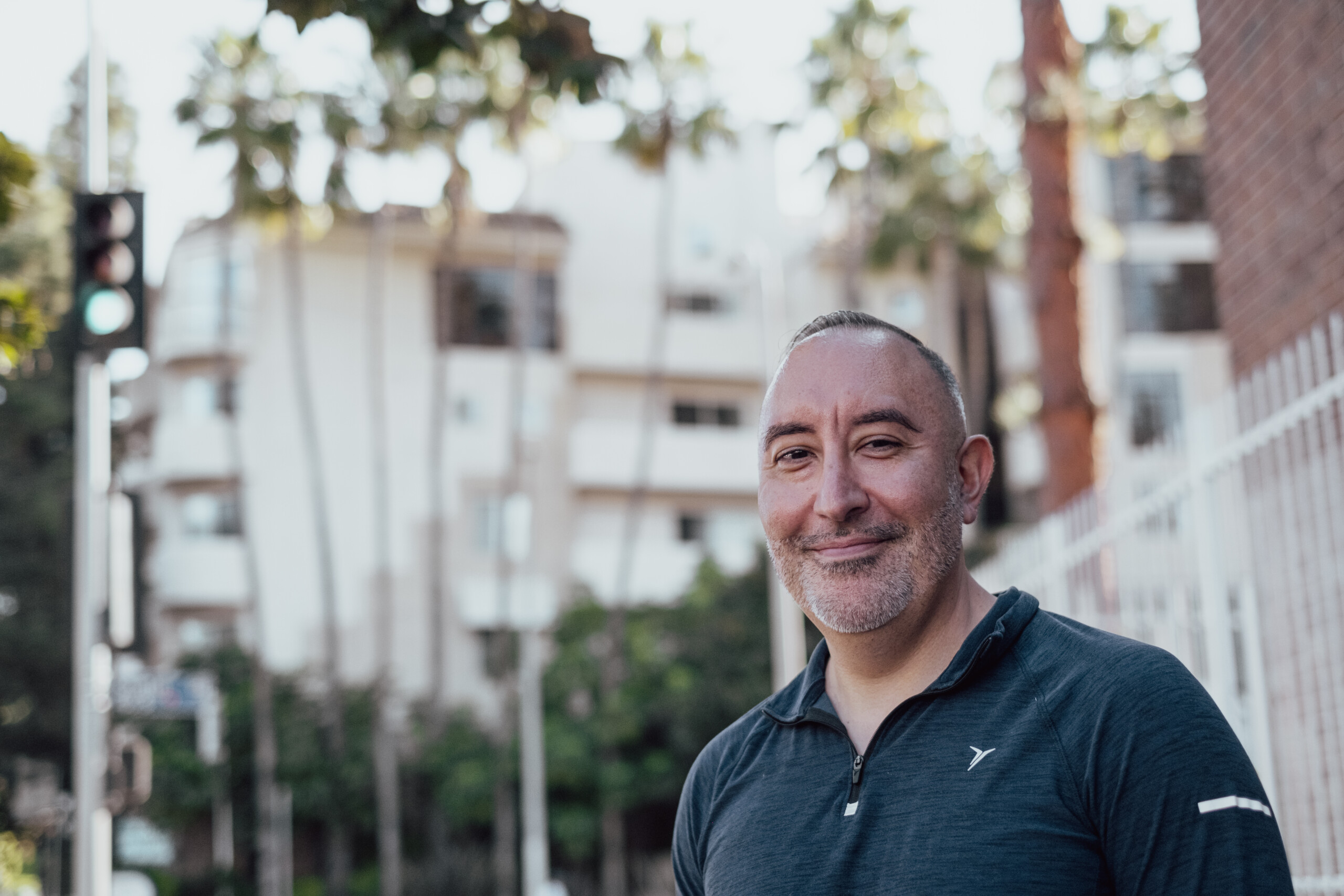
James : Finding Freedom Through Won Buddhism

2026-07-19T00:16:45+00:00

Raised in East Los Angeles within a Catholic family, James spent years searching for a spiritual path that embraced both his identity and his longing for freedom from suffering. As a Chicano educator and queer Buddhist, he found that home in Won Buddhism, where mindfulness became a way of living rather than something confined to the meditation cushion. Today, James integrates Buddhist practice into public education, leadership, and everyday relationships, demonstrating how presence, compassion, and mindful action can transform both personal and professional life. His story offers a compelling example of modern Buddhist practice rooted in authenticity, resilience, and service.

Go to Top