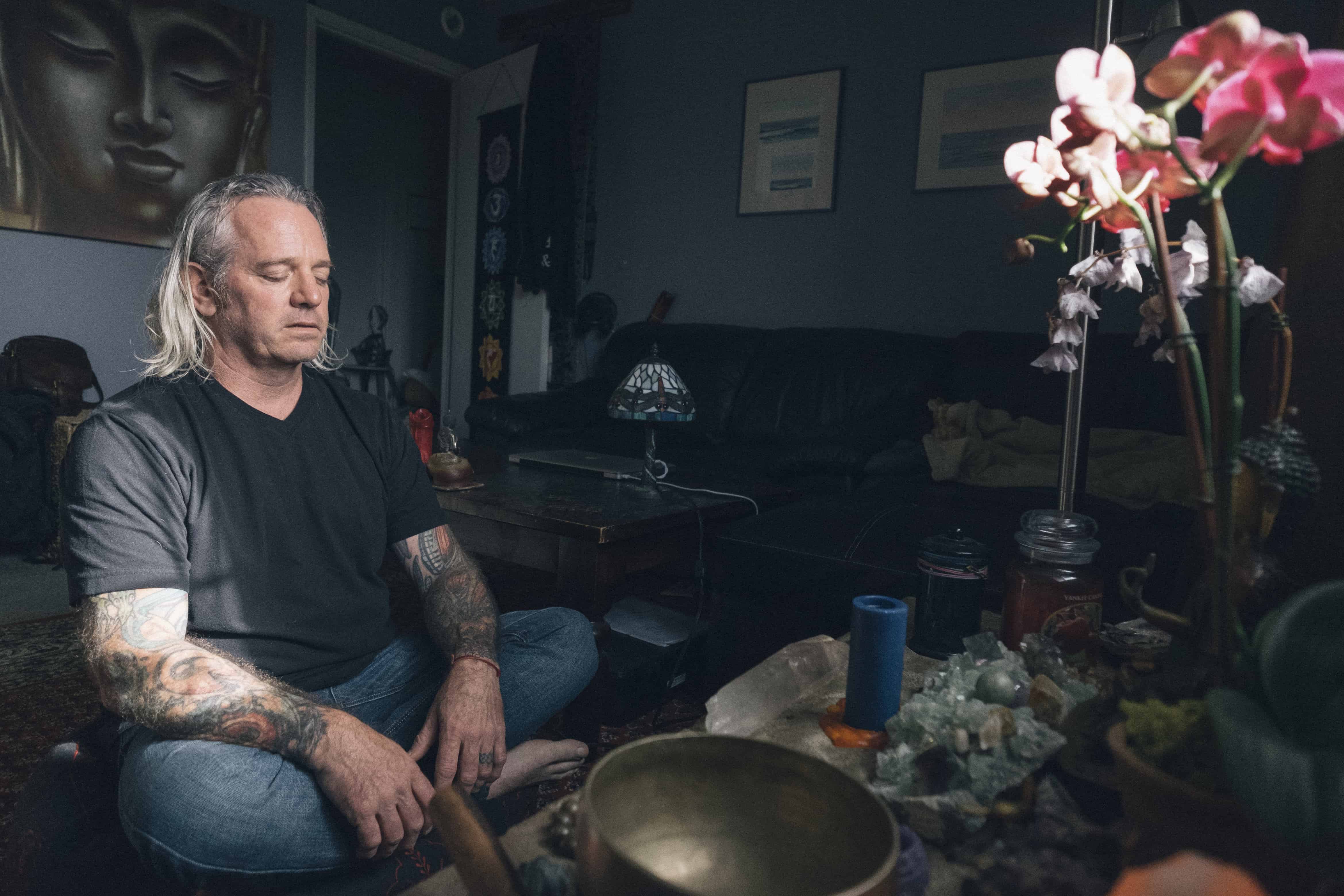
Jeff’s Buddhist journey is a story of addiction, recovery, meditation, and the gradual discovery that practice cannot remain on the cushion. After years of moving between Buddhist teachings and alcohol addiction, sobriety opened the door for the Dharma to become something lived rather than simply understood. Through Refuge Recovery, Against the Stream, meditation, and the support of Sangha, Jeff began to recognize how Buddhist practice could transform his relationship with suffering, addiction, and the people around him. What emerged was a deeper understanding that Sangha is not simply a community surrounding Buddhist practice—it is part of the practice itself. For Jeff, the teachings become most meaningful in ordinary human relationships: listening when it would be easier to withdraw, noticing judgment before acting on it, practicing compassion during conflict, and learning to remain present with another person. His relationship with Emily became another place where loving-kindness, compassion, and awareness could move beyond Buddhist philosophy and into everyday life. Jeff’s story reflects one of the central questions of Beyond the Cushion: What happens when Buddhist practice leaves the meditation hall and enters the complicated reality of being human? For Jeff, the answer is found in recovery, relationship, community, and the simple but increasingly rare experience of being fully present with another person.
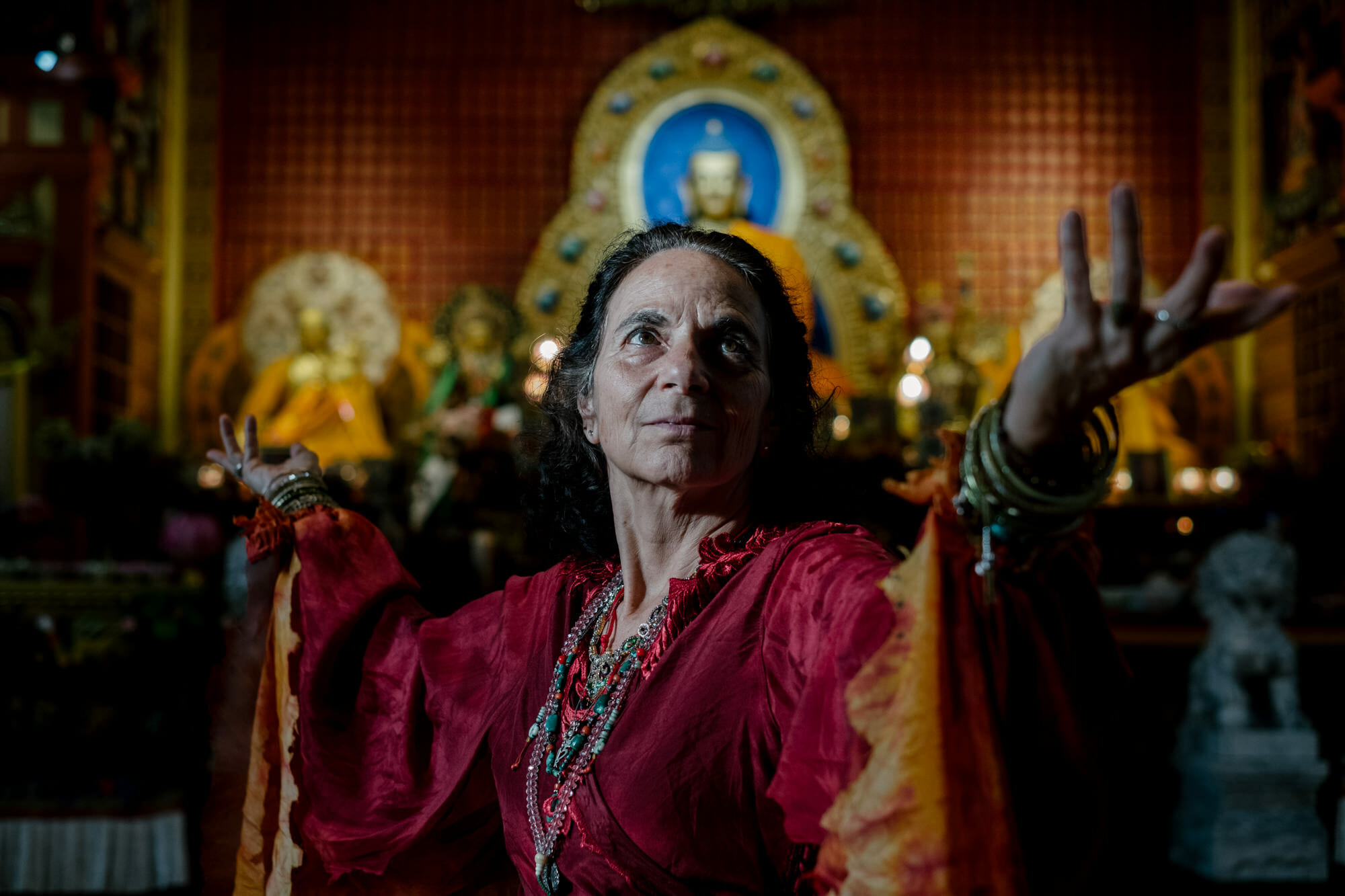
Phyllis: Embodying Vajrayana Buddhism Through the Tara Mandala Dance
ronak2026-09-11T23:29:38+00:00For Phyllis, Vajrayana Buddhism became meaningful not simply as a philosophy, but as an embodied spiritual path. Drawn naturally to movement, dance, yoga, ritual, and devotion, she discovered a way of practicing that brought the Dharma out of the realm of ideas and into the body. Her connection deepened through the Mandala Dance of the 21 Praises of Tara, a Tibetan Buddhist practice weaving movement, visualization, mantra, creativity, and devotion together. After first witnessing the dance on a cliff in Kauai, Phyllis gradually found herself drawn into its mandala. What initially felt intimidating became a profound way of embodying Tara—the feminine expression of compassion, wisdom, protection, and awakened activity. Through years of practice, Phyllis has witnessed the Tara Dance touch people far beyond conventional meditation. For her, this is part of the beauty of Vajrayana: awakening does not have to remain confined to the meditation cushion. The body can become part of the practice, movement can become meditation, and creativity can become a doorway into transformation. Phyllis’s journey offers a vivid example of Buddhism lived beyond the cushion—where devotion becomes movement and the teachings are not simply understood, but embodied.
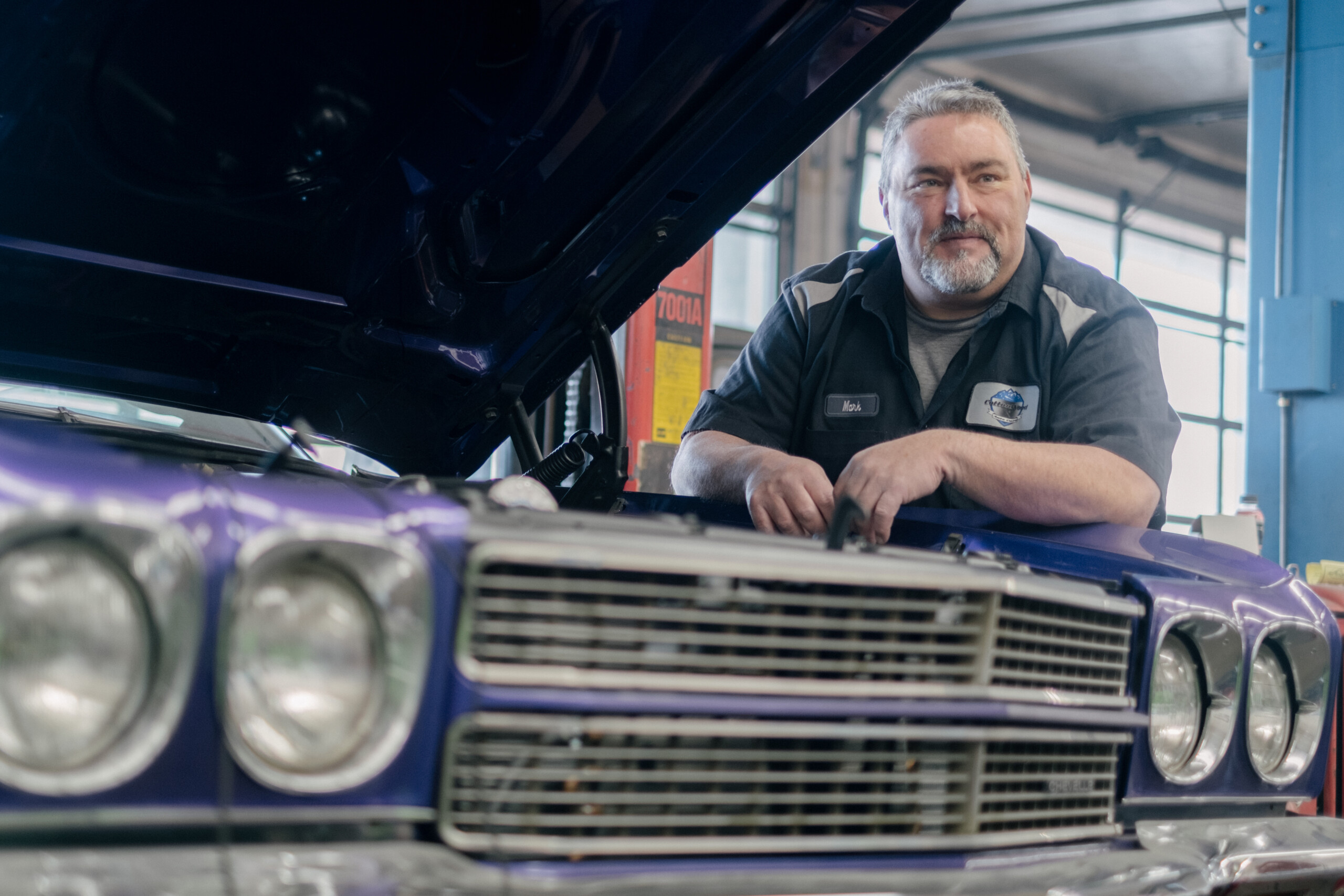
Mark on Buddhist Lineage: Why Authentic Teachers Matter in Vajrayana Practice
ronak2026-08-03T14:46:22+00:00What makes Buddhist teachings authentic? In this interview, Mark explains why lineage is the foundation of Vajrayana Buddhism. Drawing on his own journey as a Tibetan Buddhist teacher, Mark explores the importance of receiving direct transmission from qualified teachers, preserving an unbroken lineage, and maintaining the integrity of the Dharma in the modern world. He shares why books and online teachings can never replace the guidance of a realized teacher, how lineage safeguards the transformative power of Buddhist practice, and why preserving these ancient teachings is essential for future generations. This conversation offers valuable insights for anyone seeking an authentic path in Tibetan Buddhism and a deeper understanding of the teacher-student relationship.
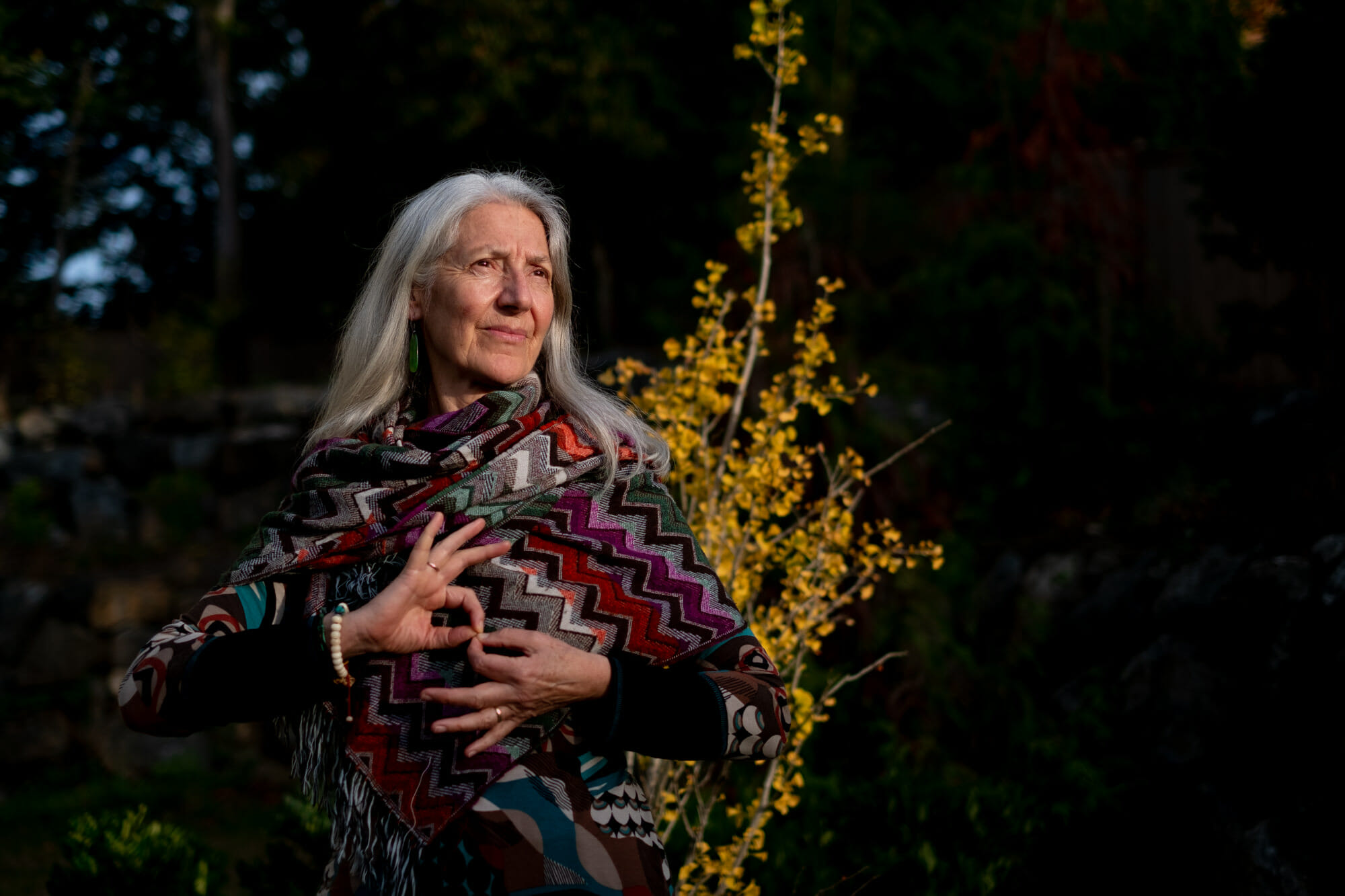
Clare on Vajrayana Buddhism: Lineage, Devotion, and the Living Path of Transformation
ronak2026-07-08T21:05:41+00:00Clare's journey into Vajrayana Buddhism began with a simple yet profound encounter—a single image of Green Tara that awakened a lifelong calling. Drawn first through yoga and later into Tibetan Buddhism, she discovered that Vajrayana was far more than meditation or philosophy. It was a living lineage, connecting practitioners across generations through authentic transmission, devoted practice, and the guidance of realized teachers. For Clare, visualization, mantra, and ritual are not symbolic acts but transformative methods that cultivate wisdom, compassion, and the recognition of one's innate Buddha nature. Her story explores why lineage matters, how authentic teachers shape the path, and how the Dharma becomes embodied in everyday life through courage, humility, and devotion.
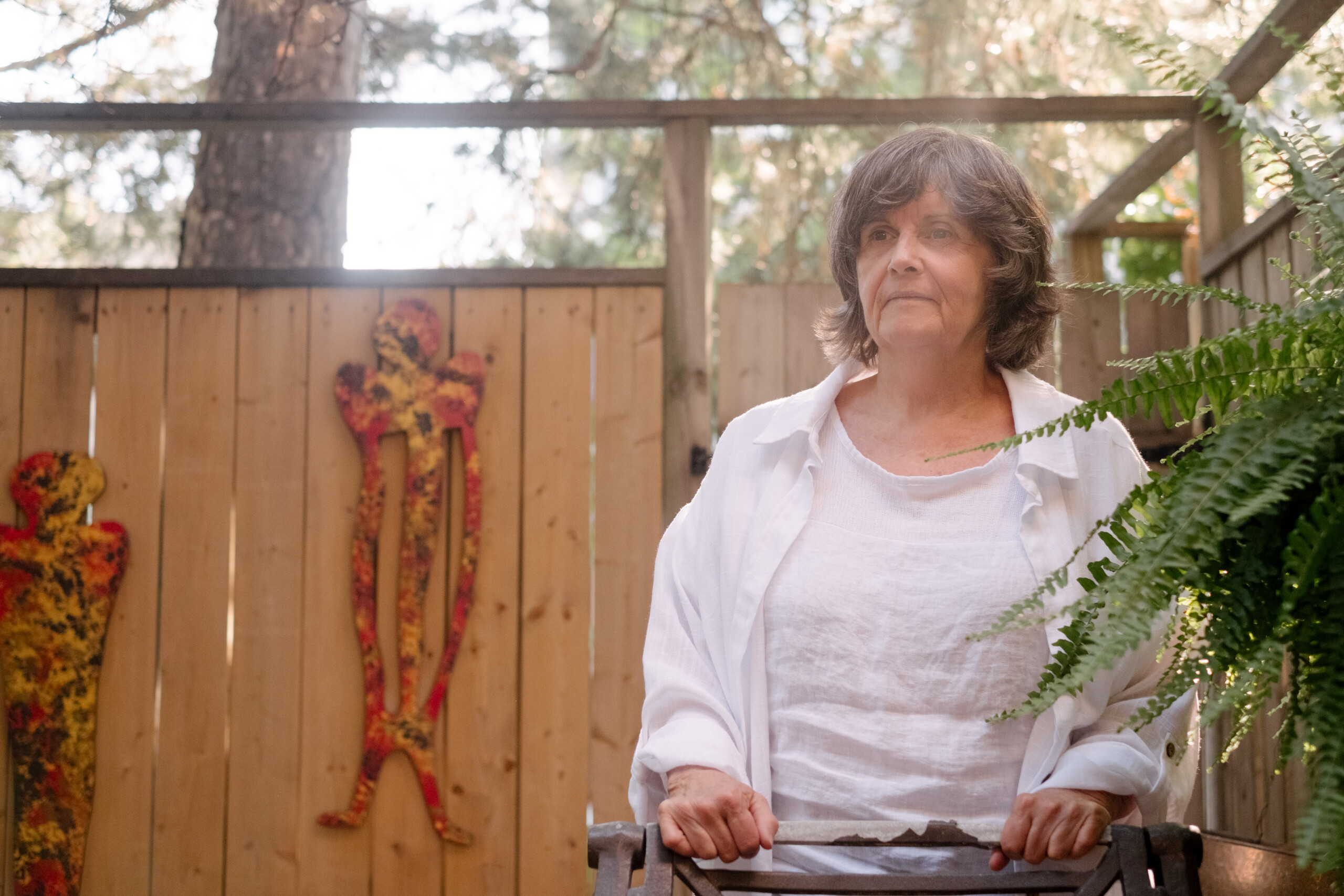
Cynthia’s Buddhist Journey: Healing Trauma Through Vajrayana Practice
ronak2026-07-12T03:43:19+00:00Cynthia's path to Vajrayana Buddhism began through profound personal suffering, including addiction, depression, and a lifelong search for healing. As a psychotherapist and energy healer, she discovered in Tibetan Buddhism a path that united psychological healing with deep spiritual transformation. Through meditation, devotion, and compassionate action, Cynthia shares how Buddhist practice helped her move from surviving to truly living, offering an honest and inspiring perspective on healing trauma, cultivating resilience, and awakening the heart.