Late Life
Later life brings aging, loss, changing relationships, and the growing awareness of mortality into sharper focus. For the practitioners in this theme, Buddhist practice becomes a way to meet these realities with greater honesty, humility, and peace.
Dottie reflects on preparing for death and loosening attachment to possessions and identity. Gareth examines alcoholism, regret, and the work of becoming more present within his closest relationships. David G brings humor and curiosity to aging, physical limitation, and the gradual unraveling of long-held habits and assumptions.
Together, their stories show that later life is not simply a period of decline. It can also be a time of deepening practice, repairing what can be repaired, and learning to live more fully with the time that remains.
Register to explore the complete stories and discover how practitioners are using the later chapters of life to cultivate wisdom, repair relationships, prepare for death, and live more fully in the time that remains.
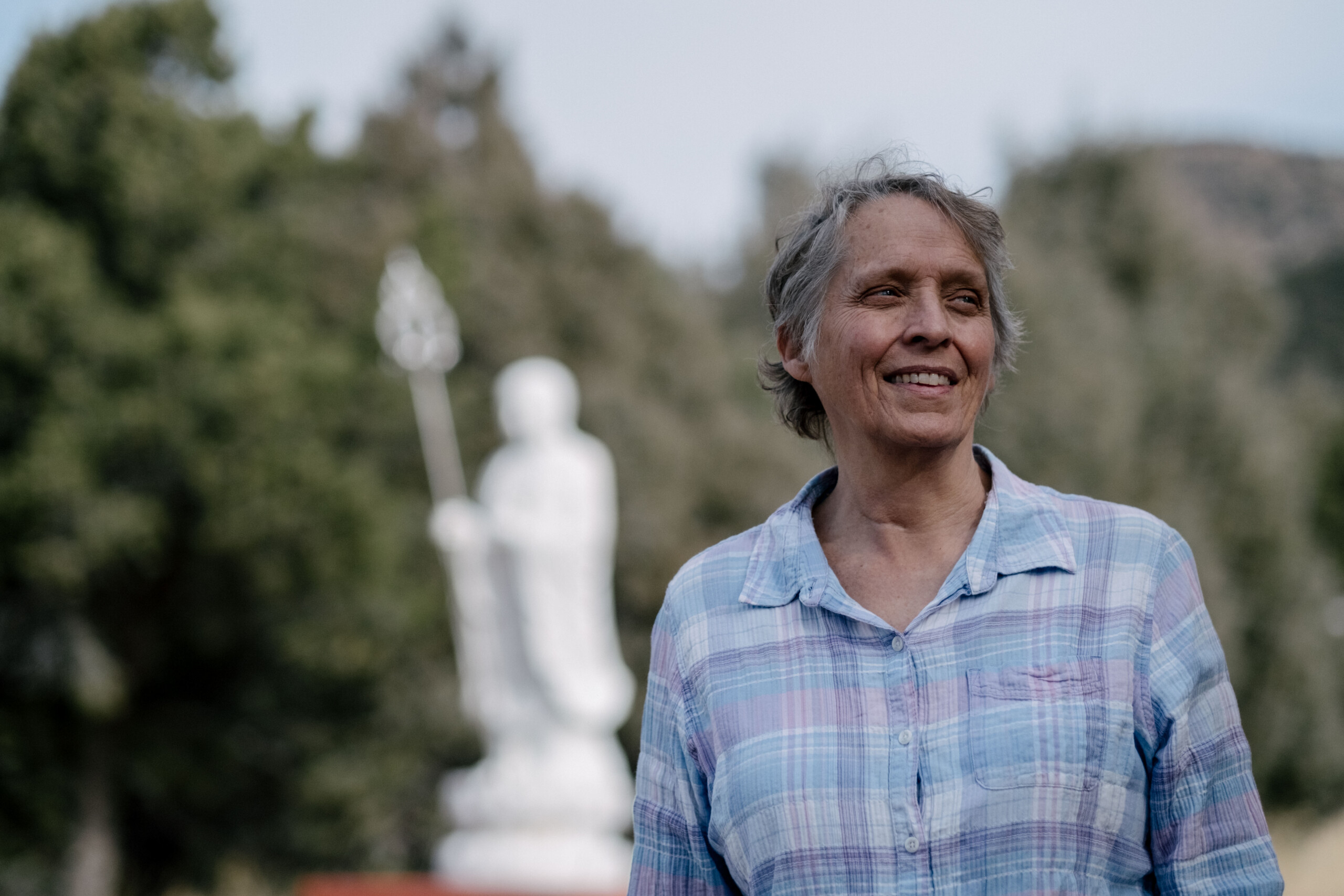
Dottie on death
As Dottie approaches her 80th birthday in two years, she reflects on the topic of death, a subject often discussed in Buddhism. Despite potential discomfort, she appreciates the openness of Buddhism in addressing the impermanence of life. Dottie shares her initial interest in the concept of “phowa” within Buddhism, attending a teaching on phowa training. While it was a distinct experience, she realized it wasn’t the path she wanted to pursue, finding solace in the practices she’s engaged in, which she believes are preparing her for the inevitable event of her own death.
Dottie speaks about her calm acceptance of death and the significance of slowing down and being present. The teachings on impermanence resonate with her, emphasizing the importance of letting go of attachments. She grapples with the challenge of attachment, acknowledging that even with a small amount of possessions, the mental clutter poses its own dilemma. Dottie is slowly working through this process, recognizing the difficulty in letting go of labeled, yet insubstantial items laden with memories.
She touches on the concept of rebirth, a new idea for her, contrasting it with the eternal afterlife she was taught in her earlier religious upbringing. Dottie has taken the bodhichitta vow, expressing a desire to be reborn to benefit sentient beings rather than seeking eternal life in a specific realm. Despite uncertainties about the nature of rebirth, she feels compelled to prepare for an auspicious rebirth and reflects on the stories and concepts surrounding this aspect of Buddhist philosophy.
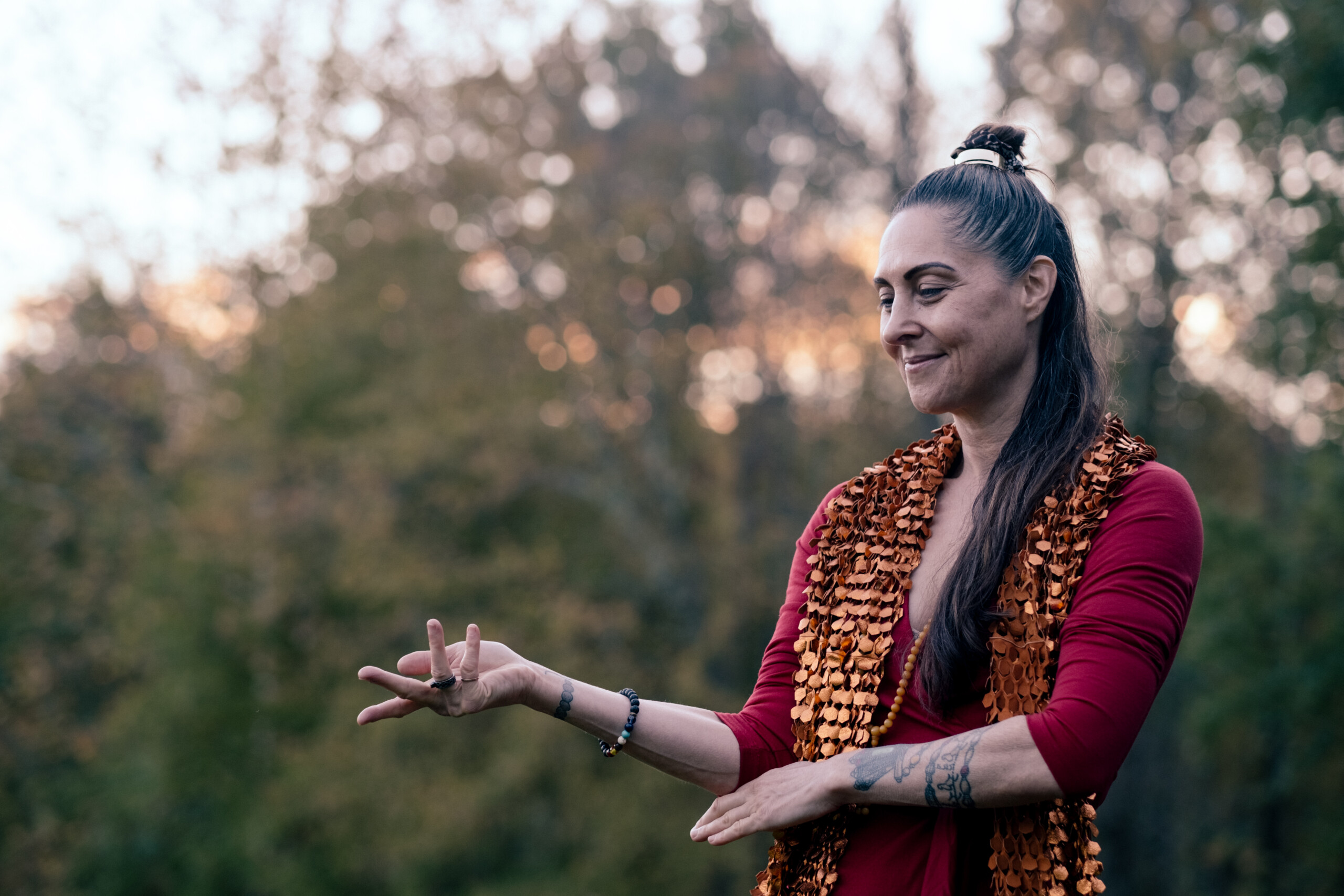
Kalpana on late discovery
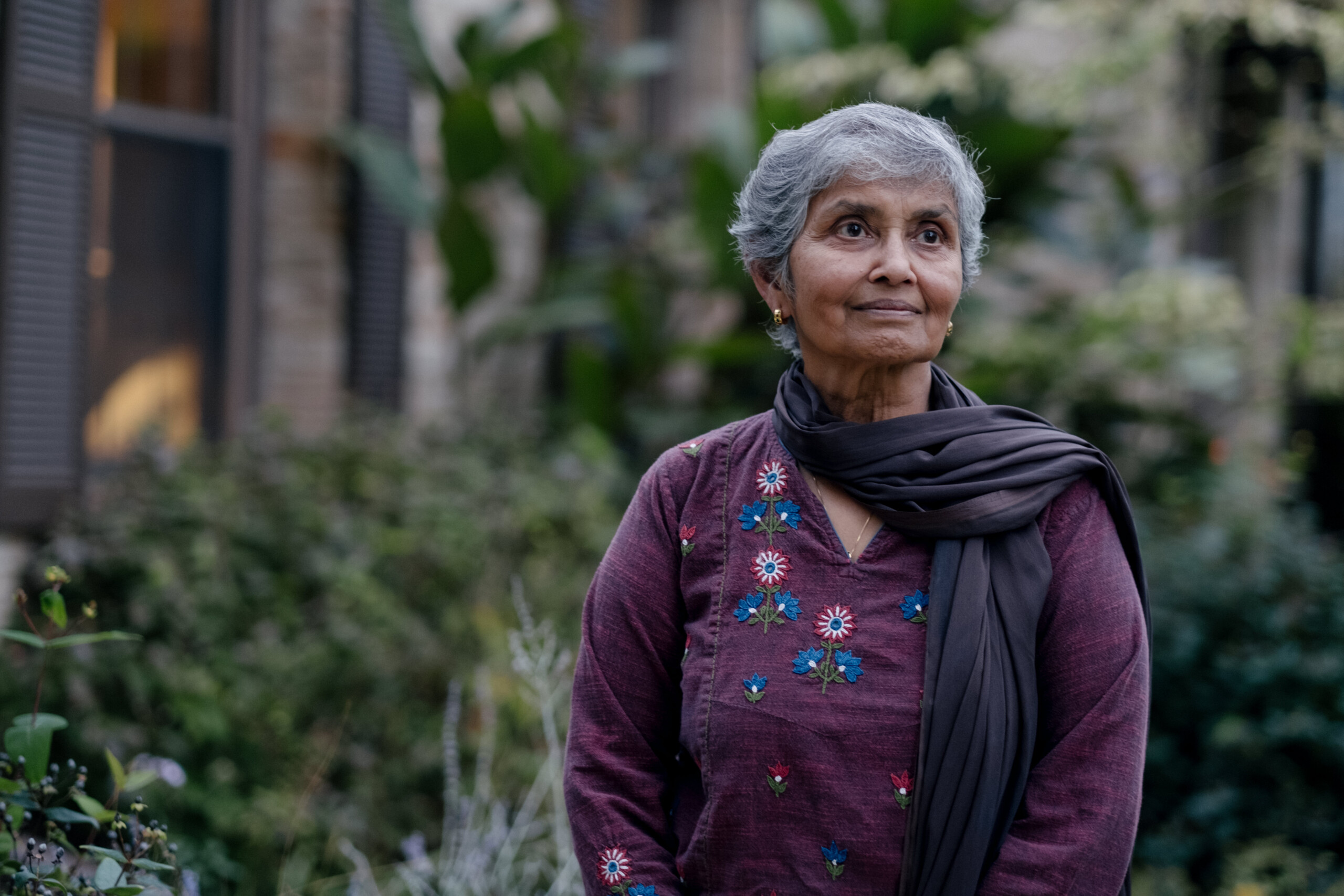
Kalpana reflects on her spiritual journey with a sense of gentle acceptance and being present in the moment. She sees the struggles and suffering throughout her life as necessary steps that prepared the path for her current state of understanding. The soil of her being has become porous through experiences, allowing her to absorb teachings more deeply.
Having matured over time, Kalpana appreciates that the process couldn’t have been rushed. She values the freedom to approach each moment without forcing outcomes or setting rigid goals. Whether engaged in studies or daily activities like gardening, she views each moment as an opportunity for Zen practice.
Kalpana emphasizes the importance of being absorbed in the present, acknowledging that richness in practice comes from the degree of absorption. She doesn’t constrain herself with specific daily routines but rather allows flexibility, even when caring for her grandchild. The essence lies in being fully present and absorbed in whatever activity is at hand.
Facing the potential challenges of aging, Kalpana remains unafraid, recognizing it as part of the journey. She values her current state, acknowledging the importance of cultivating life in the present moment, drawing inspiration from the simple wisdom of her dog: wherever you are, that’s the place to cultivate.
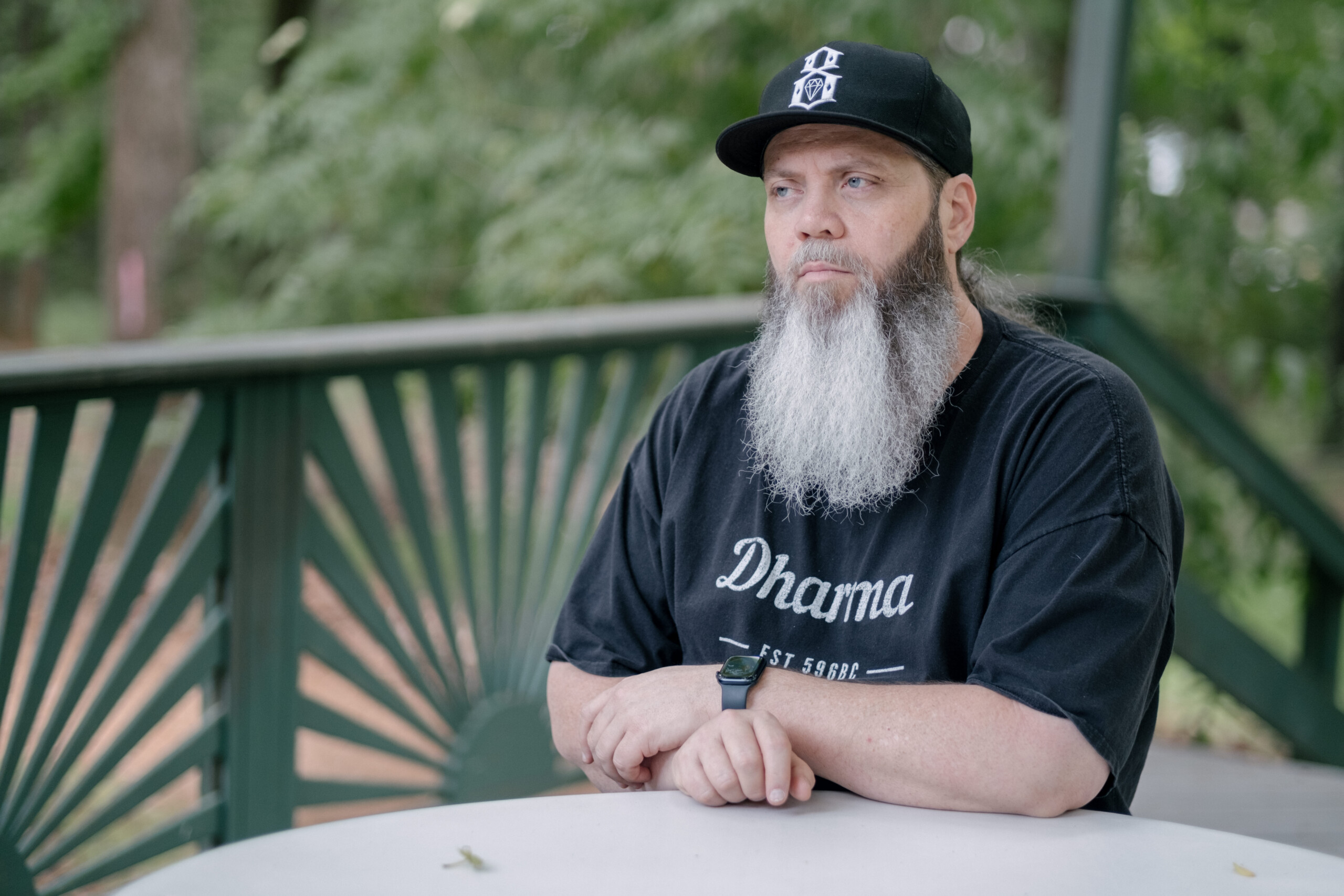
Gareth on fruit of practice
Gareth reflects on the profound personal transformation he experienced through his Buddhist practice. He openly acknowledges his past selfishness, lack of awareness in relationships, and struggles with alcoholism. The practice helped him develop self-awareness, interconnectedness, and the ability to step outside himself for self-reflection.
The practice led Gareth to quit drinking, a significant shift that he attributes to a growing level of self-awareness and interconnectedness. He describes a noticeable change in the pace of his life, embracing openness, acceptance, and humility. Gareth highlights a shift in his relationship with his wife, Beth, attributing the success of their partnership to intentional efforts, mindfulness, and the teachings of Buddhism. The practice has allowed them to navigate disagreements without arguments and foster a deeper understanding of each other’s triggers.
Gareth simplifies the core teachings of Buddhism as addressing suffering and the end of suffering. He emphasizes the Mahayana concept of superior skillful means, explaining that despite the intellectual complexity found in various Buddhist texts, the teachings are profoundly simple—encouraging individuals to be present, truly awake, and attentive to the present moment. Gareth concludes by stressing the transformative potential of these simple teachings, highlighting the virtuous cycle of calming, opening, and fostering mutual compassion through persistent effort.
Lama Thupten on wisdom
In contemplating the intricacies of motivation, Thupten explores the dynamics of intention and knowledge. Drawing parallels between motivation and the development of a community, he underscores the importance of skillful means and methods in achieving collective goals.
Delving into the realms of knowledge and wisdom, he highlights the nuanced difference between the two, emphasizing the necessity of wisdom in understanding the consequences of knowledge. Thupten eloquently equates enlightenment with being in the light, a concept rooted in various spiritual traditions.
Discussing the need for societal change, he emphasizes the importance of addressing issues at their root, likening it to pulling out weeds from the yard. Thupten encourages a shift in focus toward consciousness, emphasizing the unity of the mind and heart for clear perceptions and wisdom.
Reflecting on the challenges of effecting change, he acknowledges the profitability of negativity in media and stresses the need for constructive dialogue, recognizing the instrumental role of individuals like the interviewer in fostering positive discussions. Thupten advocates for hope, loving kindness, and compassion, urging individuals to pause, be present, and consider the impact of their actions on others.
In a profound moment, he brings attention to the misplaced priorities in society, urging a culture of caring and sharing. Thupten expresses concern about the conditioning effect of modern technology and encourages individuals to be mindful of their media consumption.
In conclusion, he emphasizes the transformative power of personal presence and leaves the interviewer with a message of gratitude and the acknowledgment that their presence, along with others, is the true message.
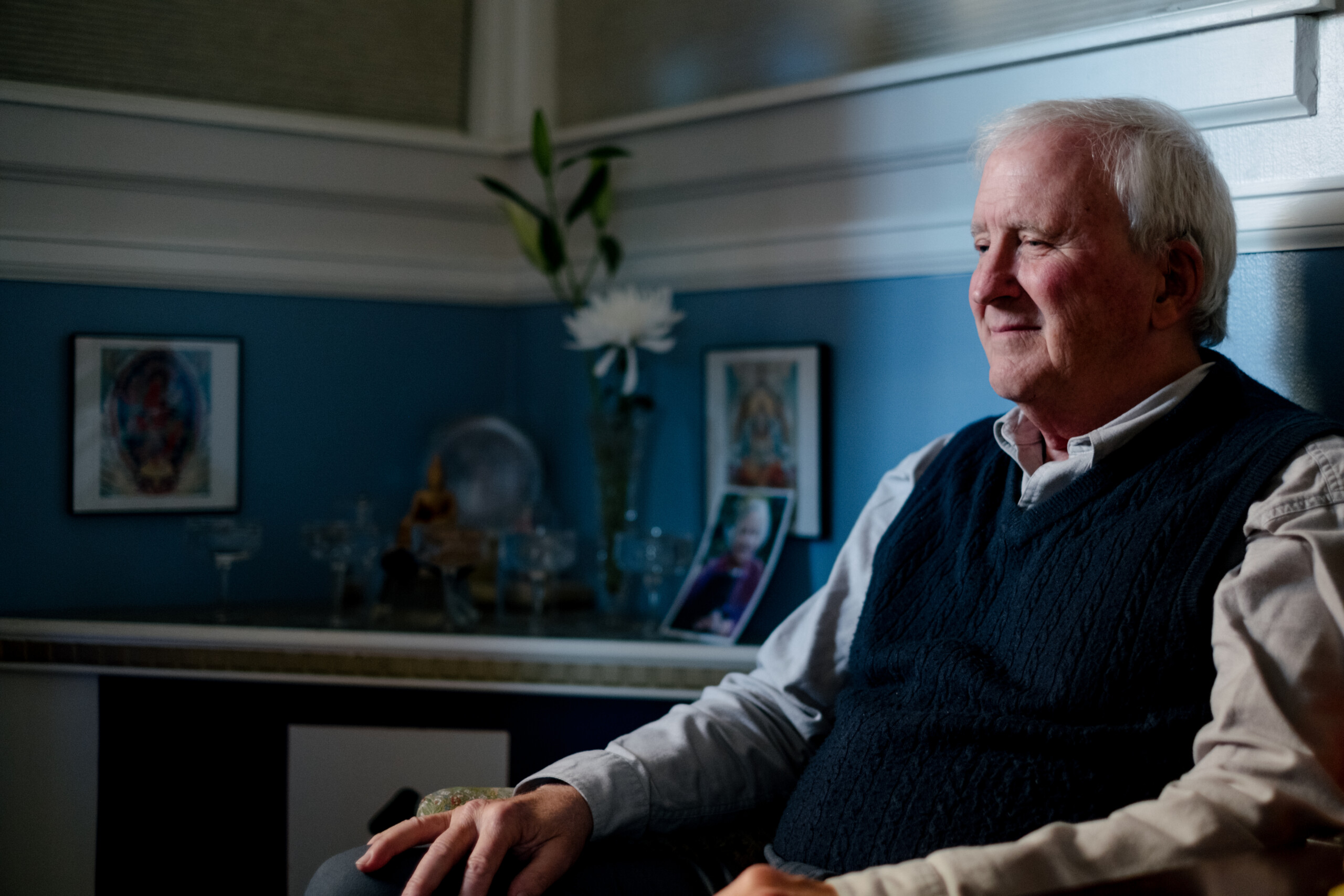
David G
But same time they said, well, Shambala is having a level 1/2 Trump came up with the very. Yeah actually in retrospect a really clever way to to get past the overemphasis of the religion part of it and really just give us the tools to become own meditation instructor.
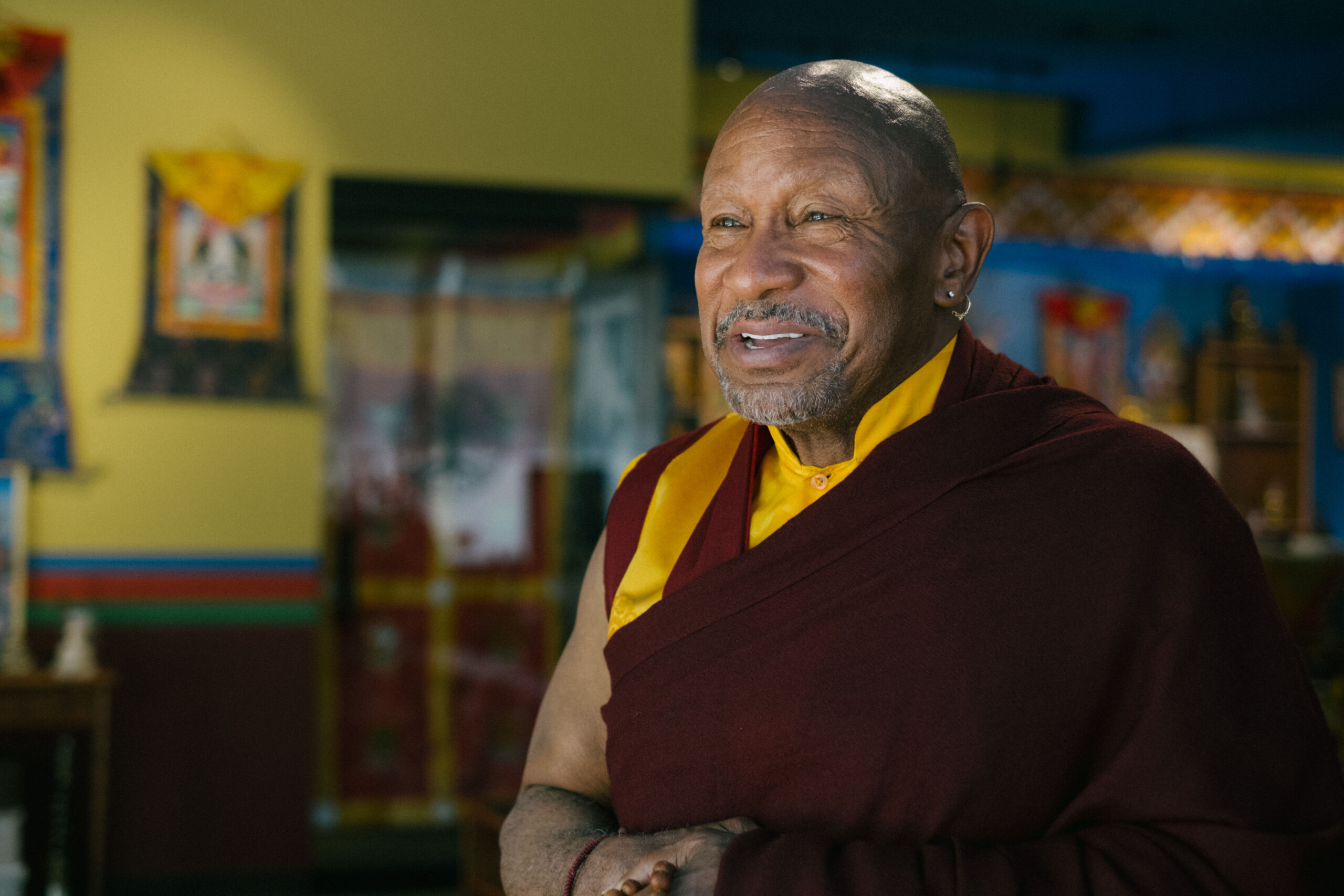
Lama Thupten Rinpoche
Lama Thupten was always drawn to meditative practices, even before they were formally defined as such. He lived in many places throughout his life, but one of the most significant was Selma, Alabama. Thupten witnessed the brutality of racism firsthand, but he also found solace in nature and solitude. Even as a child, he spent a lot of time alone, observing the world around him.
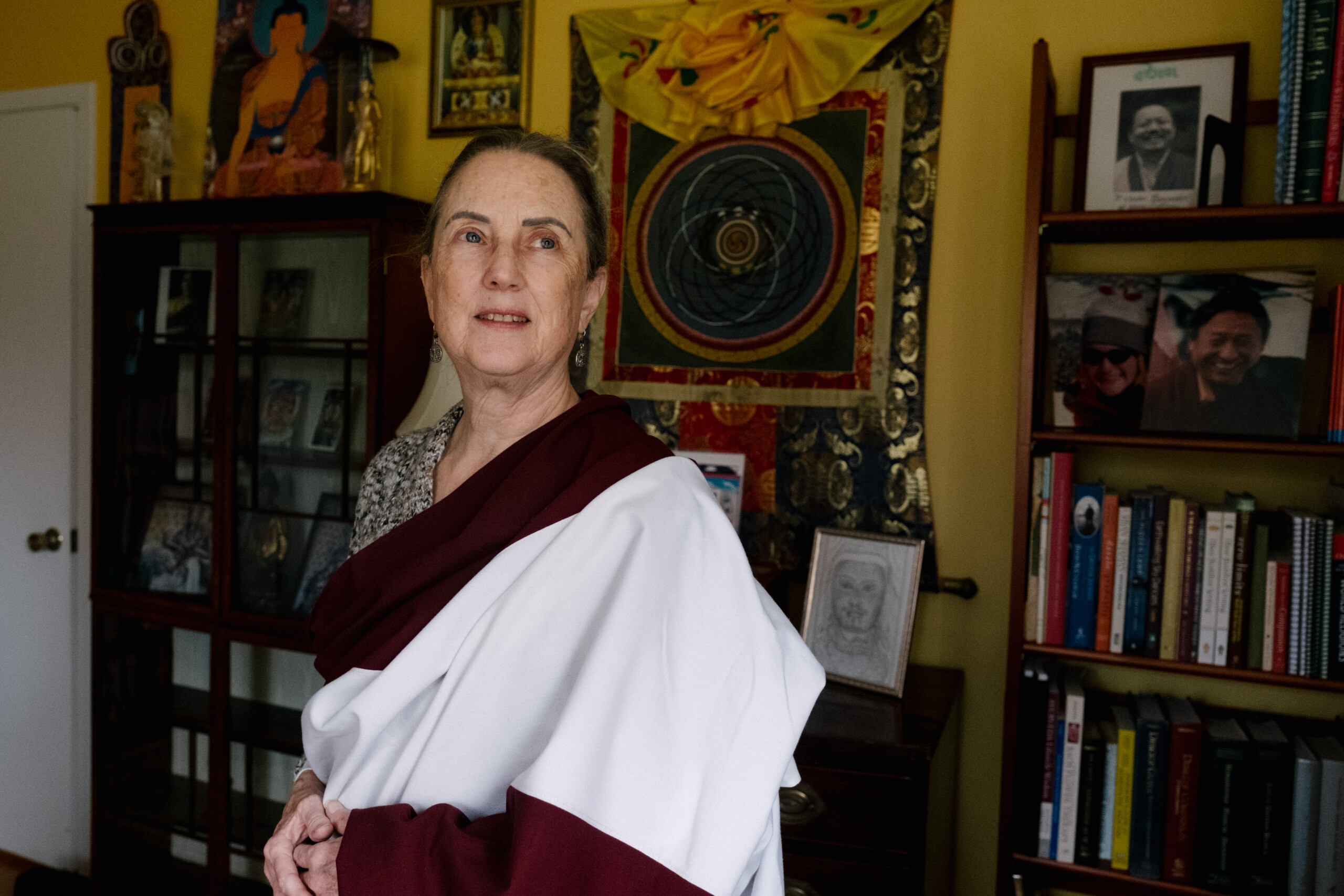
Elinore
Elinore's journey through spirituality was one of exploration, introspection, and profound experiences. Raised in the Presbyterian tradition, she found herself drawn to the teachings of Jesus, particularly the essence of compassion and empathy encapsulated in the golden rule. However, she grappled with the disconnect between her religious upbringing and its application in her daily life.
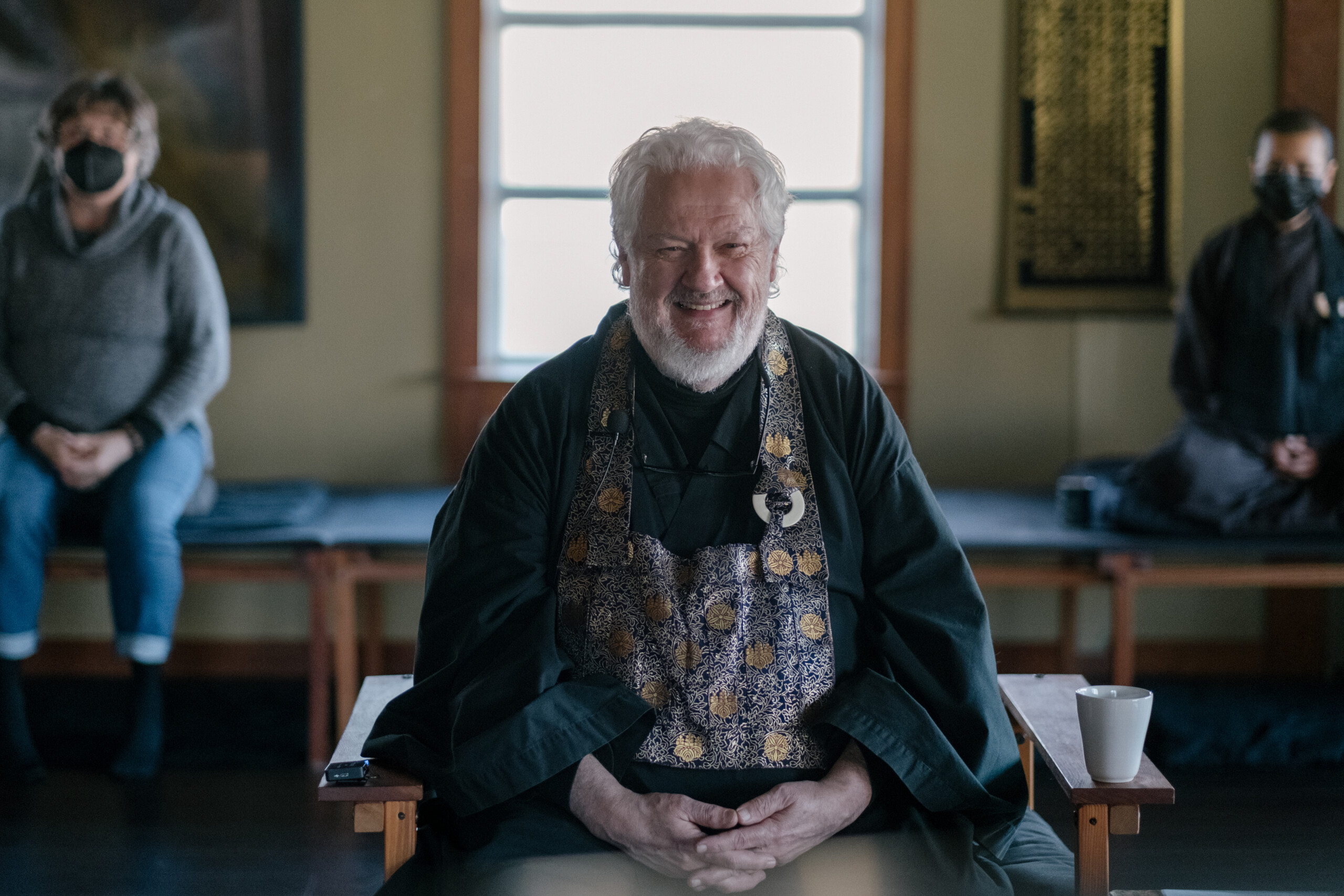
Sensei Michael
And I was known for talking people down from bad trips and things of that nature. And he said, Oh, I don’t do that anymore. I just do Zen. Okay, well, that’s interesting. What’s that all about? And so I said, Well, I’m going this weekend. Why don’t you come with me? So that weekend I went with him to the temple on Halsted Street near Fullerton, on the North side of Chicago. I met Matsuoka Roshi, who became my teacher, so I sort of backed into that. Like everything else, I think I’d read maybe a book on Zen or to not not much.
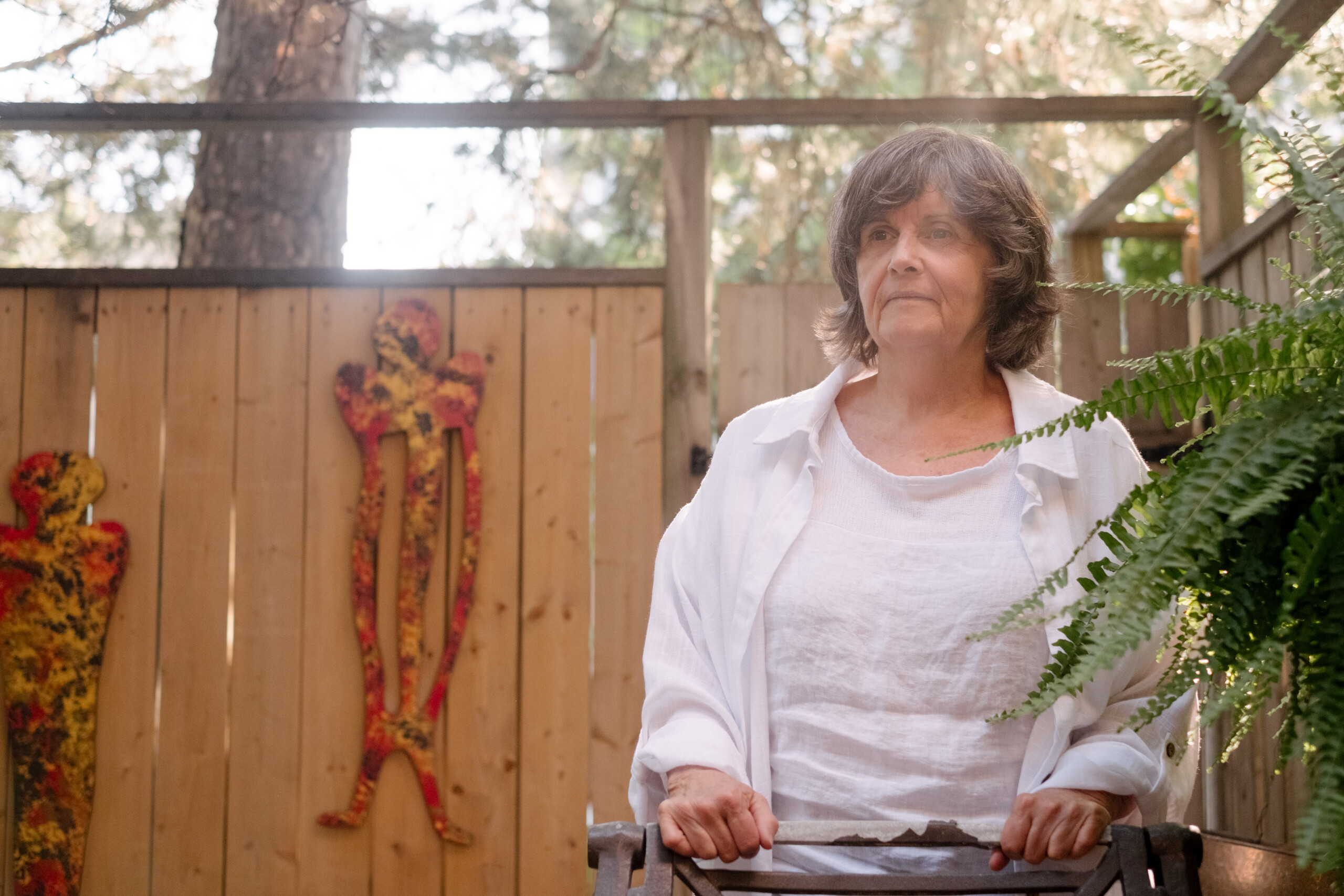
Cynthia
But he looked at me and he said, You look so happy. He said, What happened? I’ve tried all my life to make you happy. You look so happy. What happened? I said, I have never felt so peaceful and happy and content in my entire life and it’s not a result of anything outside of me. It’s a result of of working deeply within myself and meditating.
Kalpana
And that's when I said, I need a break. It is a flier with one of the reverend's doing a retreat at the one Dharma Center, which is like four hours from here in upstate New York. That is my beginning of real, you know, waking up to ways of really cultivating myself under this long spiel. But now that's by way of introduction.