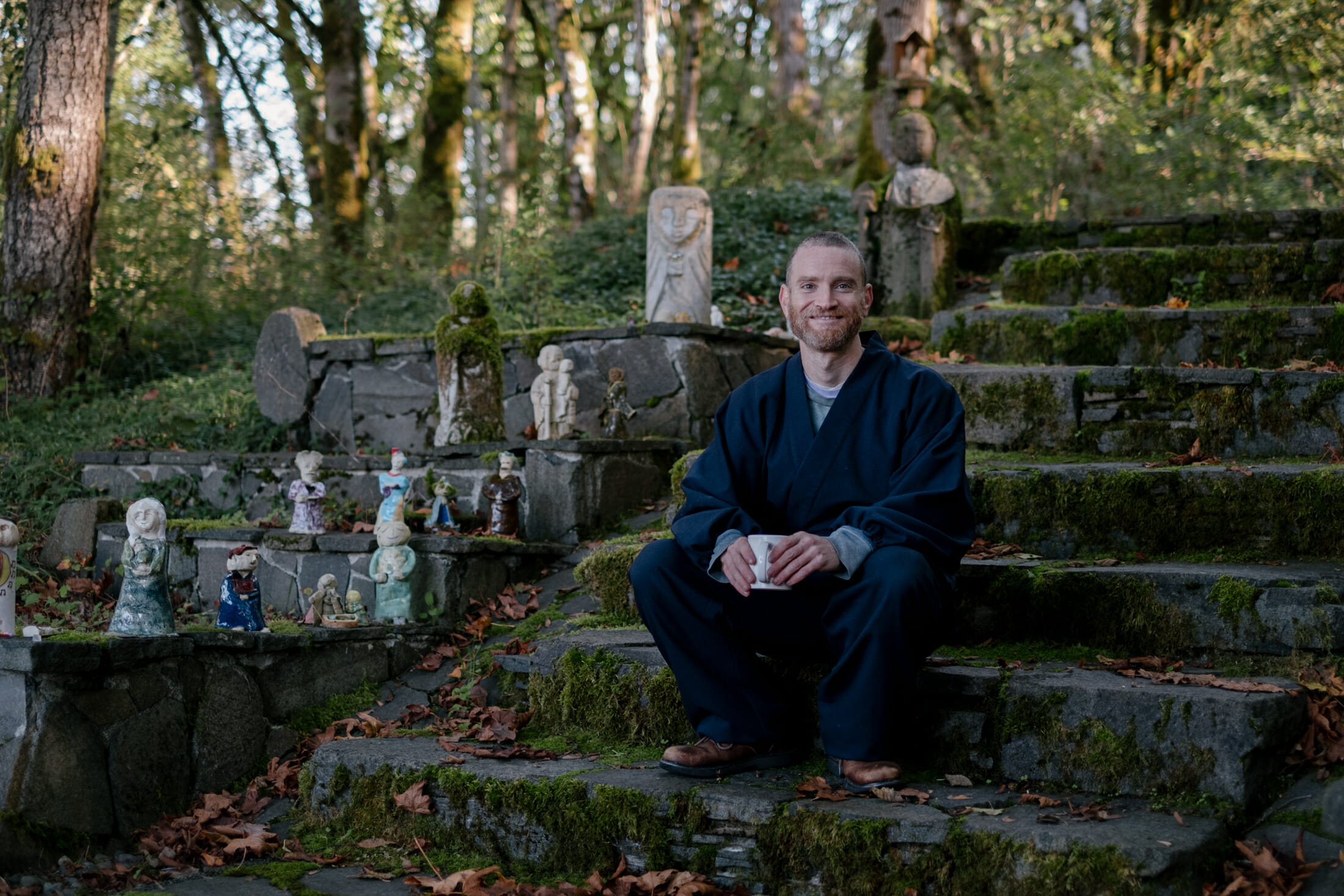
I remember seeing Buddhist images on trips to India with my family. Seeing Zen images associated with martial arts, I started when I was 7.


I remember seeing Buddhist images on trips to India with my family. Seeing Zen images associated with martial arts, I started when I was 7.
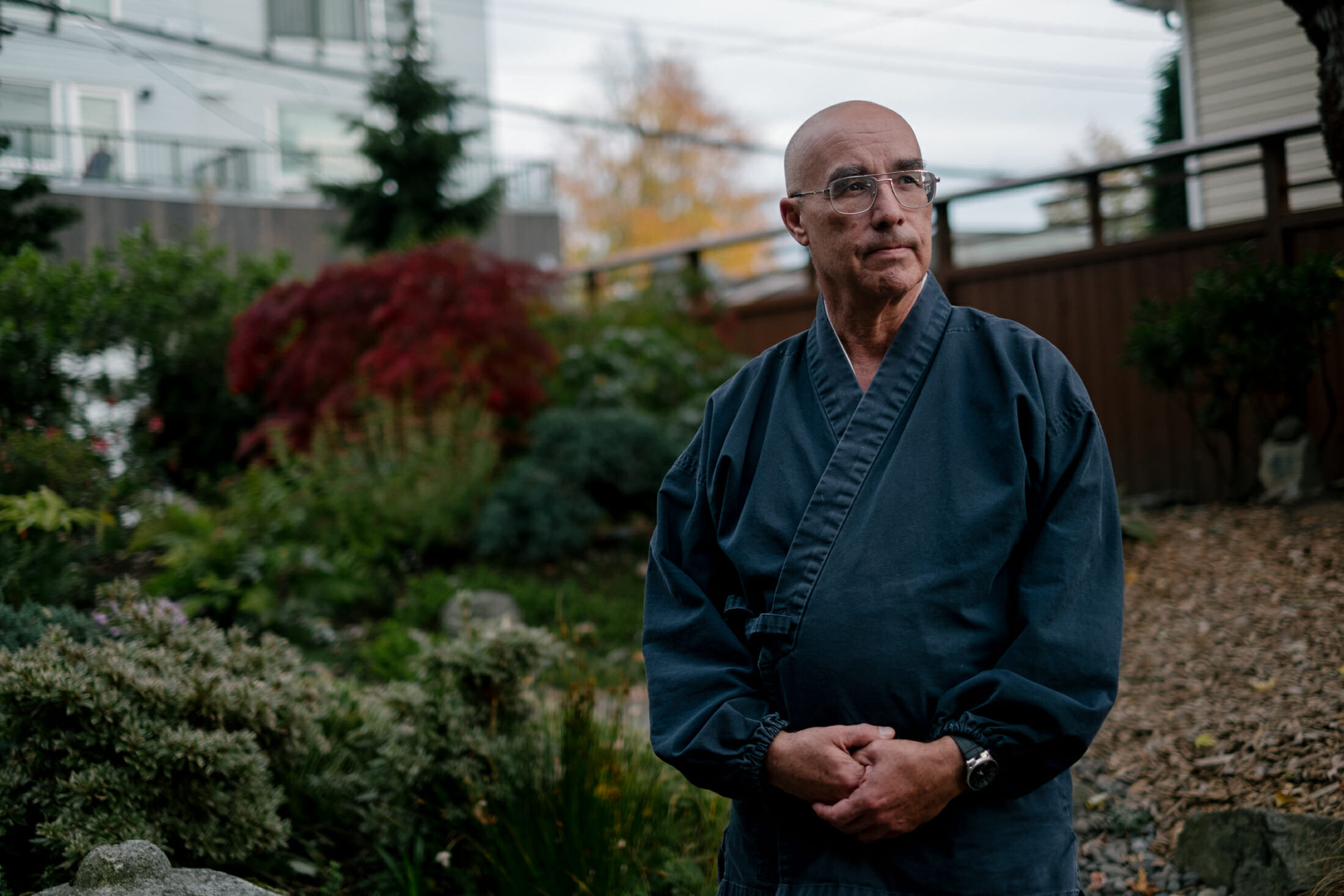
Genjo's journey began in a family disconnected from religious traditions, shaped by a scientific worldview. Intrigued by the origins of inspiration and insight, he embarked on a spiritual quest during college. A transformative encounter with an English teacher, Jim Chambers, introduced him to the classical humanistic tradition, prompting profound questions about the sources of creativity and wisdom. Initially drawn to science, Genjo's quest led him to Buddhism, which offered a harmonious blend of spiritual practice and scientific inquiry. Engaging with a Vinaya teacher at UCLA's College of Oriental Studies, he discovered the fusion of social activism and spirituality through a Zen priest who had evolved from a Christian missionary to a Vietnam War protester.
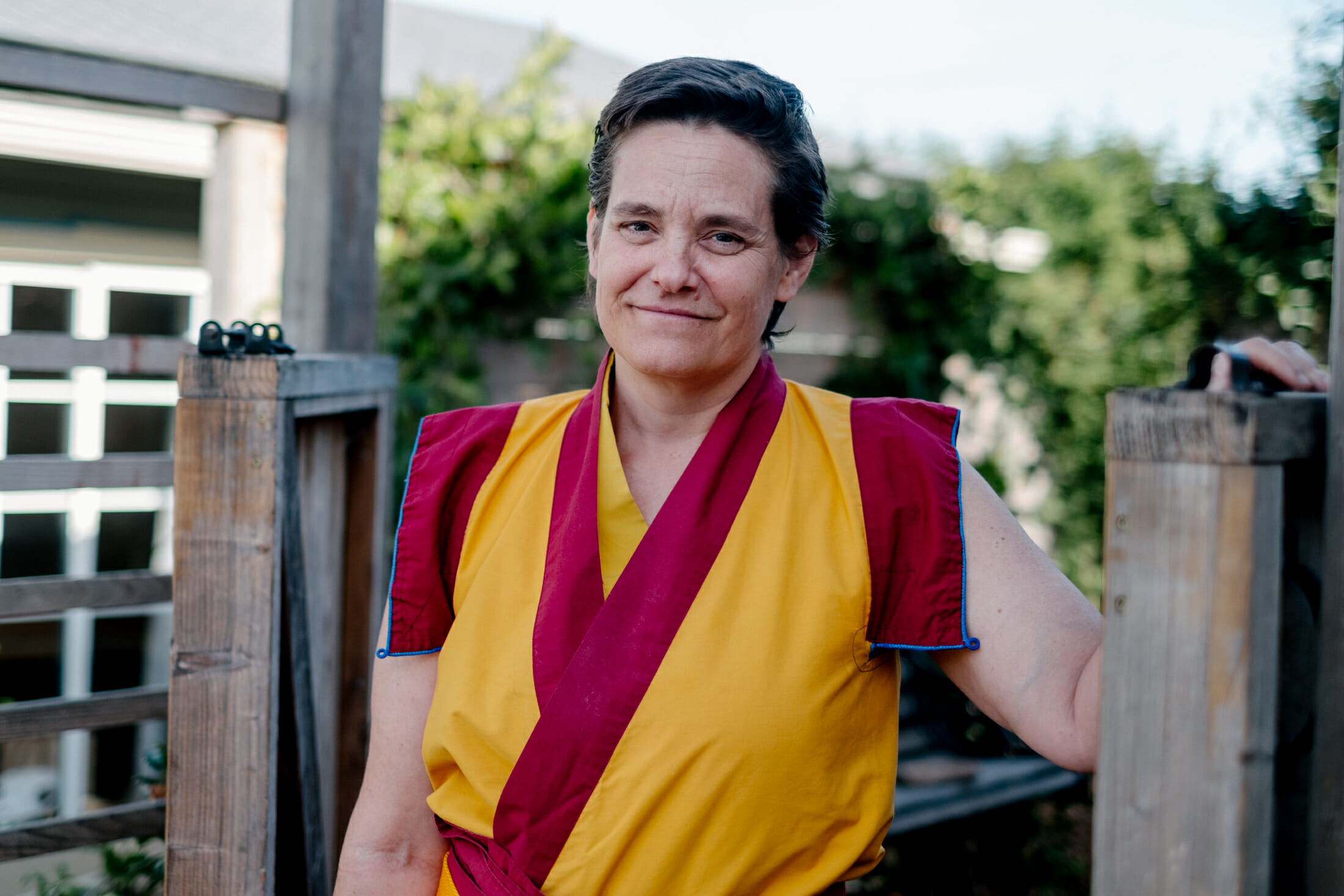
As she reached the limits of her knowledge in Hinduism, Shinchok turned her attention to the Mahāmudrā, discovering that Buddhist teachings provided the answers she sought. Her desire for a genuine meditation master led her to a Buddhist center where she encountered the teachings of Je Tsongkhapa. Feeling a profound connection, she embraced Buddhism and its emphasis on devotion, recognizing it as a path to crack open her heart and discover her true self.
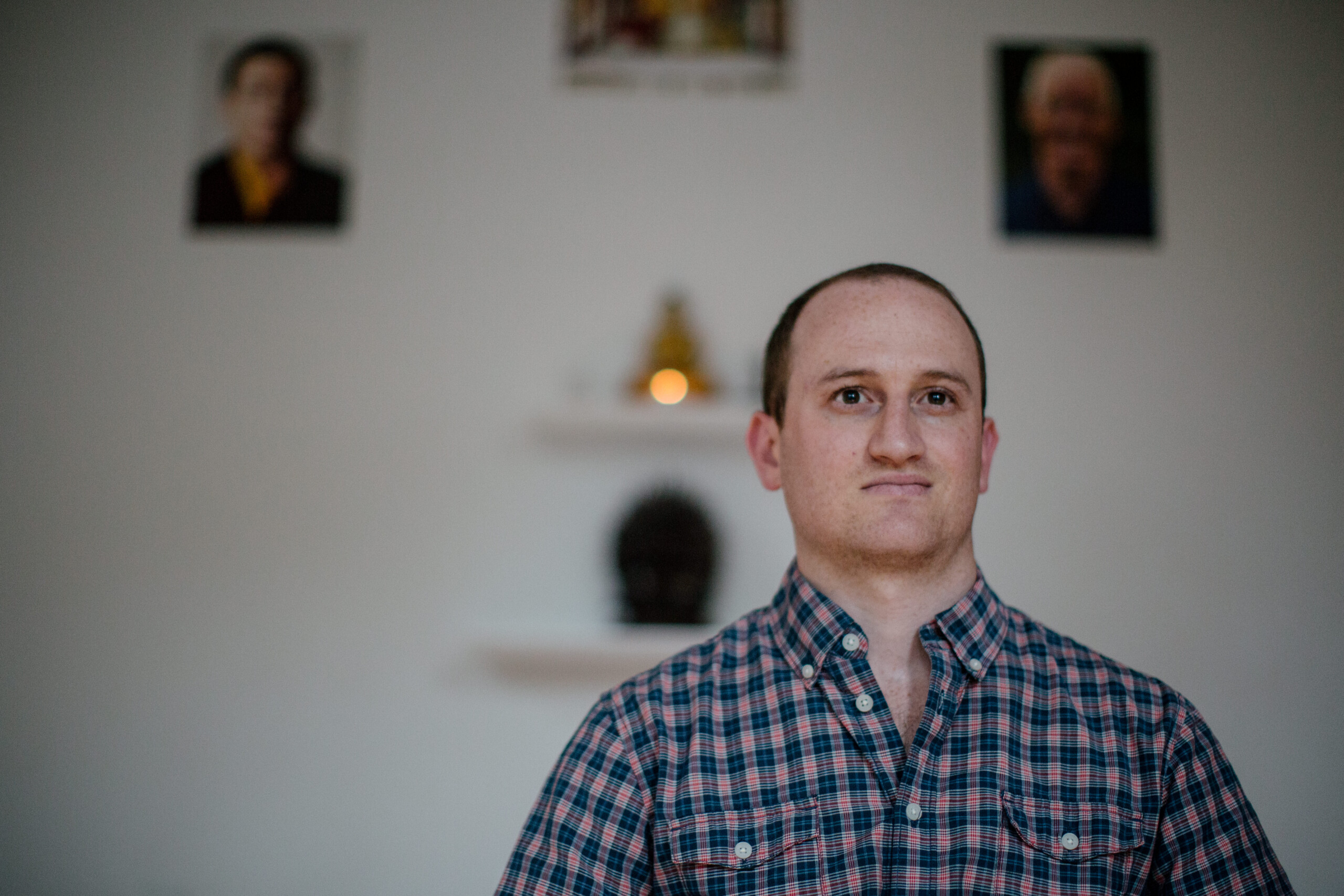
For Alex, the karmic approach resonated, particularly focusing on desire types—those motivated by what they like. He expressed a preference for a lifestyle seamlessly integrated into everyday life, avoiding a disconnect between meditation and regular activities. Alex embraced the concept of tantra, emphasizing the incorporation of spiritual practices into every moment. He discussed the importance of holding a high-level view after meditation, seeing everything as perfect, pure, and full of potential. To him, recognizing the inherent Buddha nature in beings and appreciating the positive aspects of people's lives were paramount.
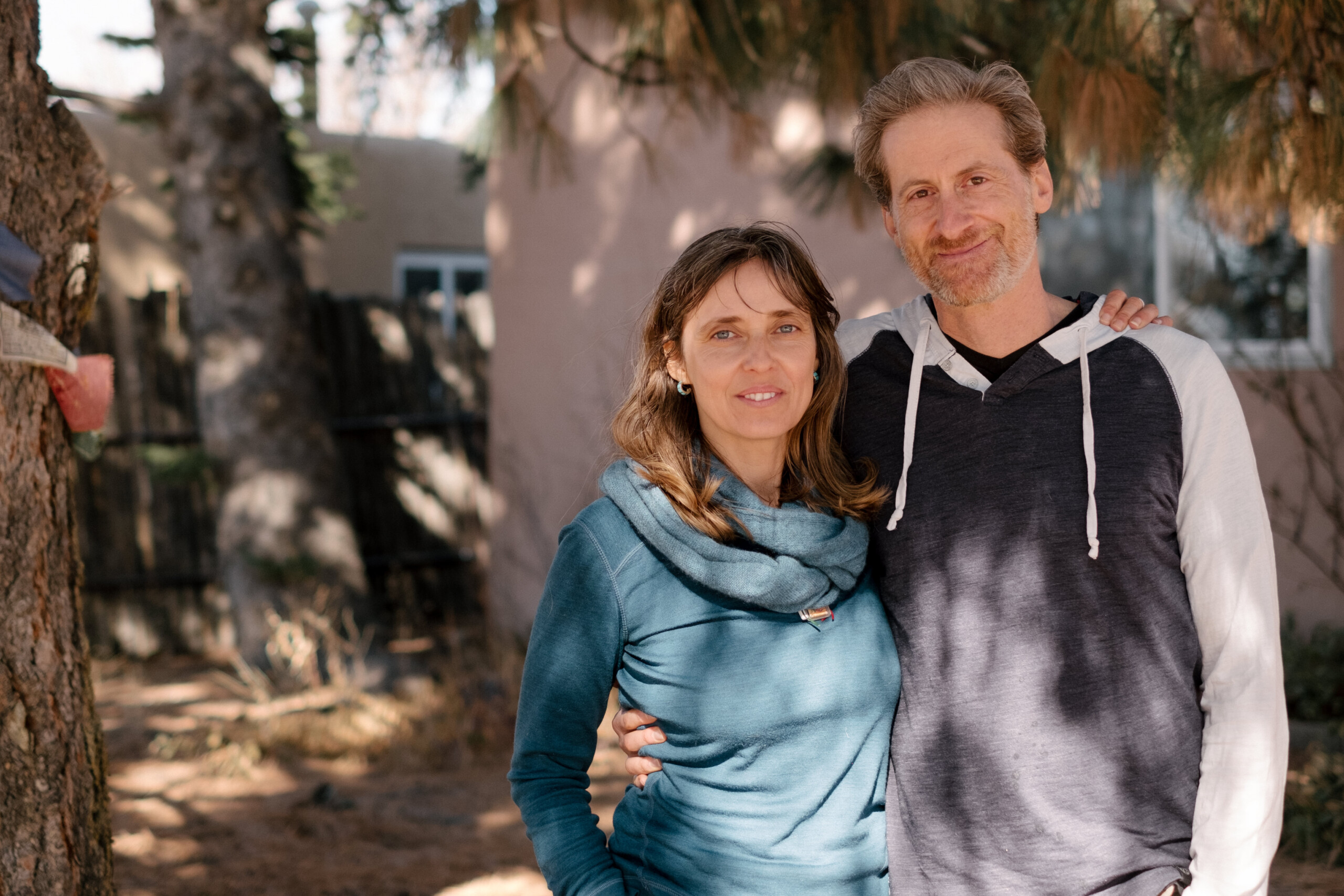
My first exposure to Buddhism wasn’t significant. In fact, it was a turn off. A man who claimed to be Buddhist visited our high school and basically told our class his goal was to become a heartless robot. Well, not entirely, but pretty much… There wasn’t any joy.

Aaron’s Buddhist journey began with an intense awakening experience at eighteen that fundamentally changed the direction of his life. Searching for a way to understand and ground that experience, he turned first to Ashtanga yoga and later discovered the rigor of Zen meditation and monastic practice. Through retreats, teachers, Sangha, and years of dedicated practice, Aaron came to see monasteries not as places of escape, but as powerful training grounds for developing clarity, compassion, and freedom from suffering. His experience ultimately inspired Dharma Gates, an effort to connect young people with Buddhist practice, retreat opportunities, and contemplative communities. At the heart of Aaron’s path is a conviction that genuine transformation requires more than spiritual experiences—it requires commitment, trustworthy lineage, community, and the willingness to go deeply into practice.
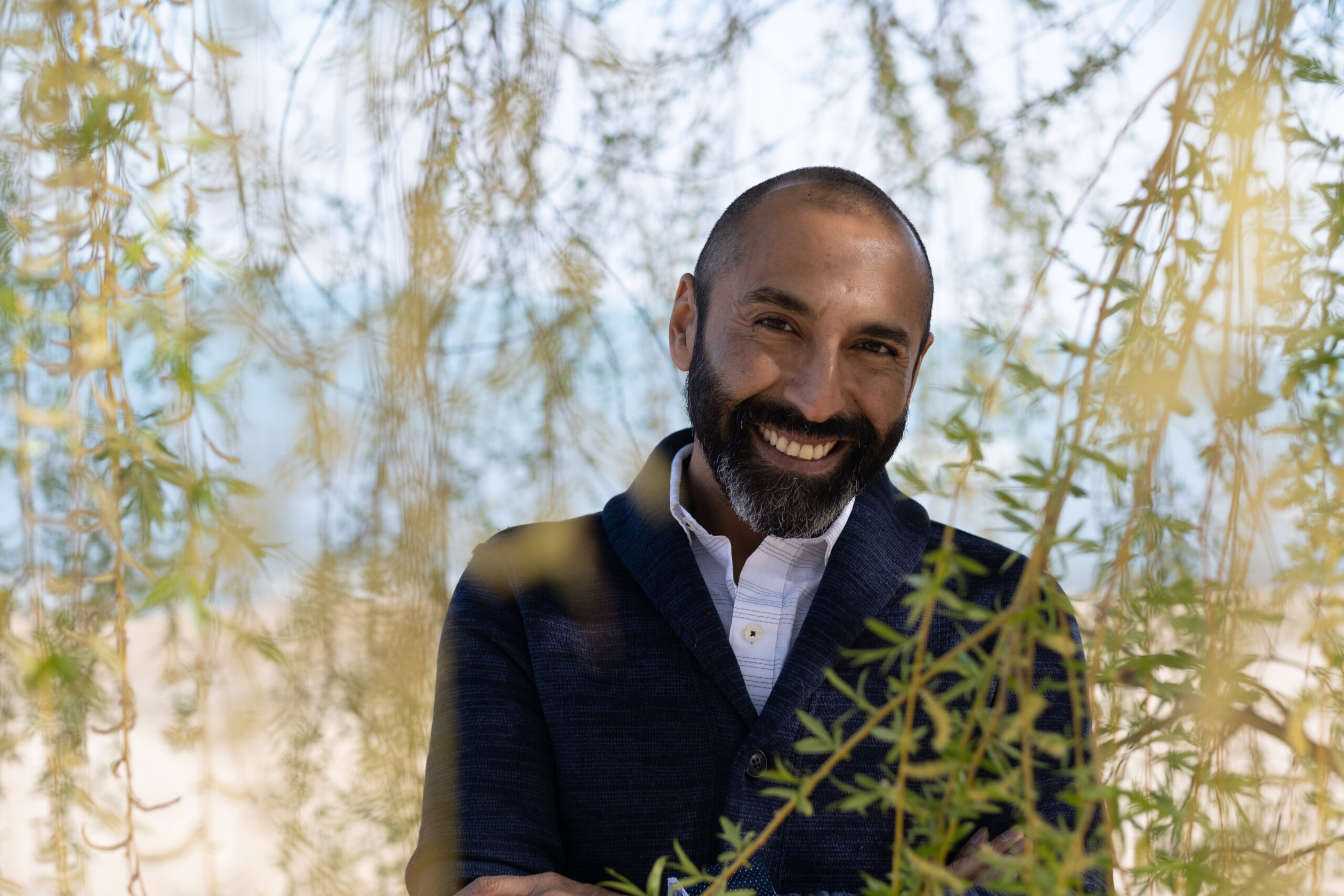
Albert’s journey into Buddhism is a deeply personal story of identity, suffering, self-acceptance, and transformation. Growing up gay within a traditional Catholic culture in Mexico, Albert struggled to find a spiritual home where he could fully embrace who he was. Meditation became an early refuge—a practice he would eventually describe as his “North Star,” something he could return to when everything else felt uncertain. Years later, Albert discovered Pure Land Buddhism at the Buddhist Temple of Chicago and began to understand spirituality in an entirely different way. Rather than waiting for something outside himself to provide redemption, Buddhist practice taught him to look directly at his own mind, suffering, and capacity for compassion. Through meditation, Sangha, and his relationship with his teacher Richard, Albert gradually learned that practice was not about becoming someone else, but about learning to fully inhabit his own life. That realization eventually moved beyond the meditation cushion. Albert brought mindfulness into corporate environments, left a successful six-figure career to pursue work with greater social purpose, and began teaching meditation in ways accessible to modern practitioners. His story reveals Buddhism not as an escape from ordinary life, but as a way of meeting identity, work, relationships, suffering, and impermanence with greater awareness. For Albert, the fruit of practice is profoundly simple: learning to respect yourself, embrace your experience, and allow compassion to grow from the places that once caused the most pain.