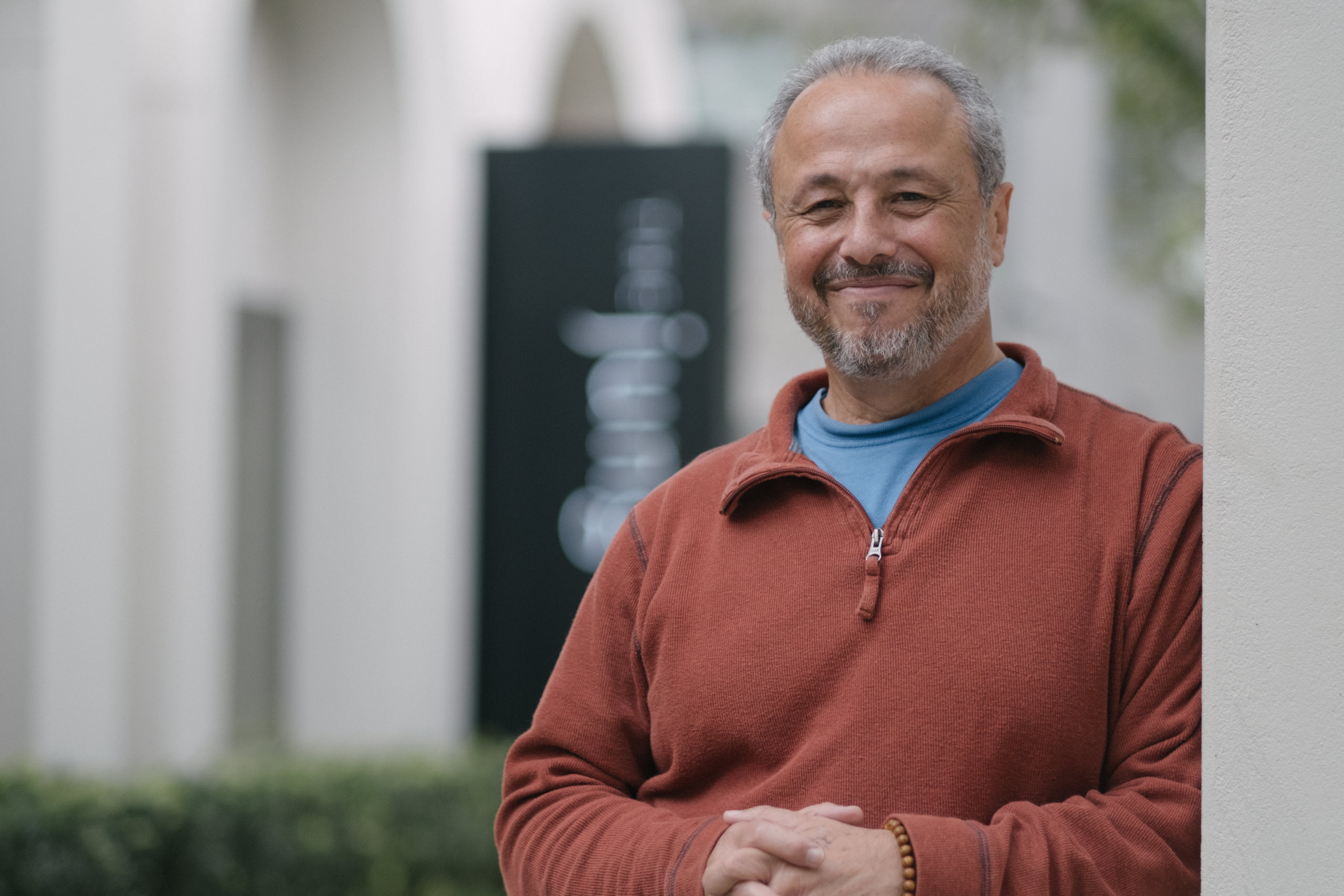
For Alex G, Buddhism is not something confined to the meditation cushion—it is a practice meant to be woven into every part of life. From discovering Buddhist teachings while studying at the University of Wisconsin–Madison to exploring different contemplative traditions and eventually committing more deeply to Mahamudra practice, Alex’s journey has been guided by curiosity, critical thinking, and direct experience. As a leader in sales and business development, Alex brings Buddhist principles into the pressures and relationships of professional life. Rather than seeing mindfulness as an escape from difficult situations, he uses practice to create space around them—to respond with greater clarity, compassion, and perspective. His approach reflects a central insight from his practice: external circumstances may not always be controllable, but how we meet them can be transformed. Alex also speaks to the importance of Sangha, retreat, teachers, and lineage. After years of exploration, he came to recognize that spiritual growth requires more than collecting experiences. At some point, exploration must give way to depth. For Alex, Buddhist practice is ultimately about developing the stability to remain present in the midst of life—to become, as he describes it, the “calm at the center of the storm.”
Willy & Kim: Buddhism, Art, Relationship, and the Transformative Power of Practice
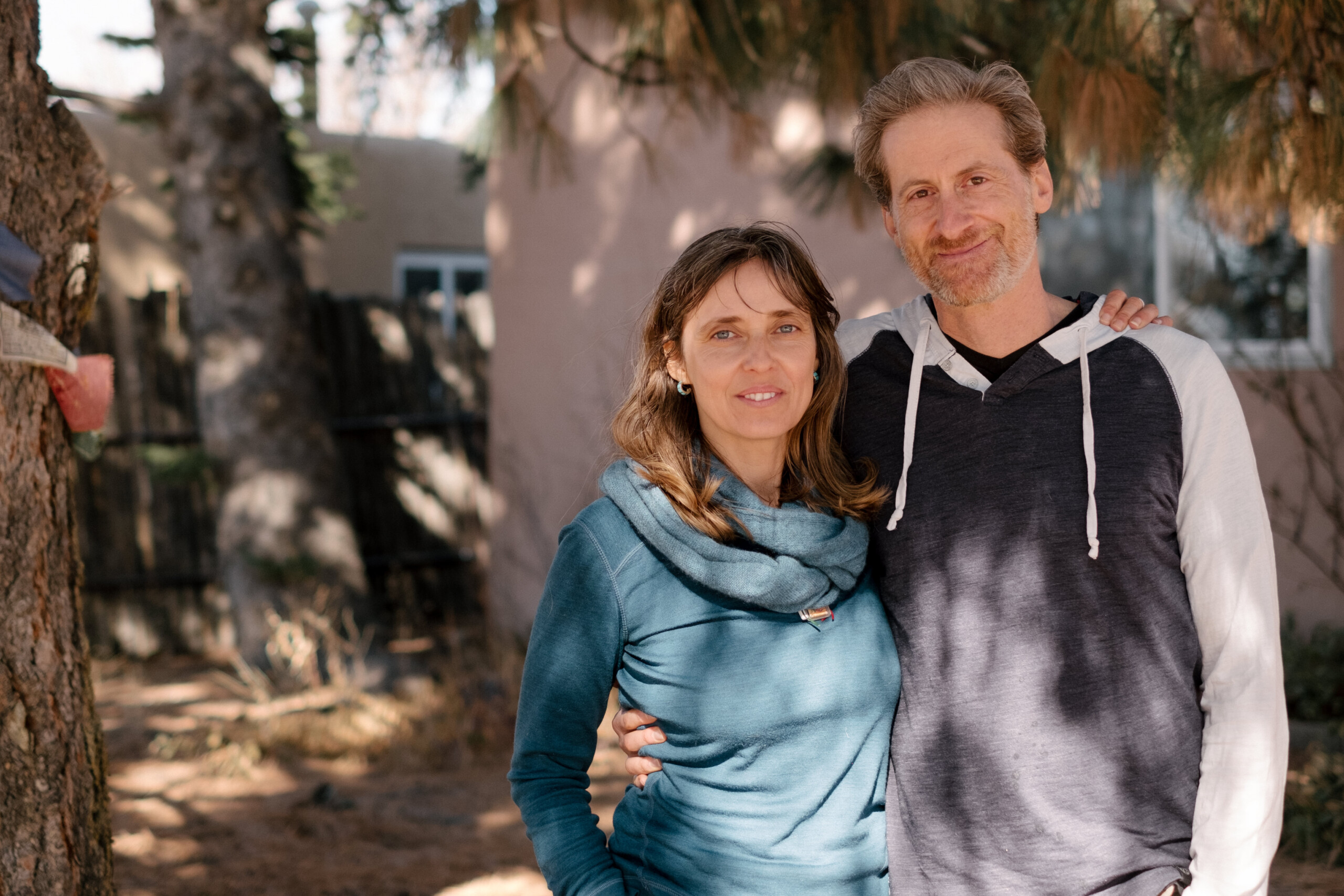
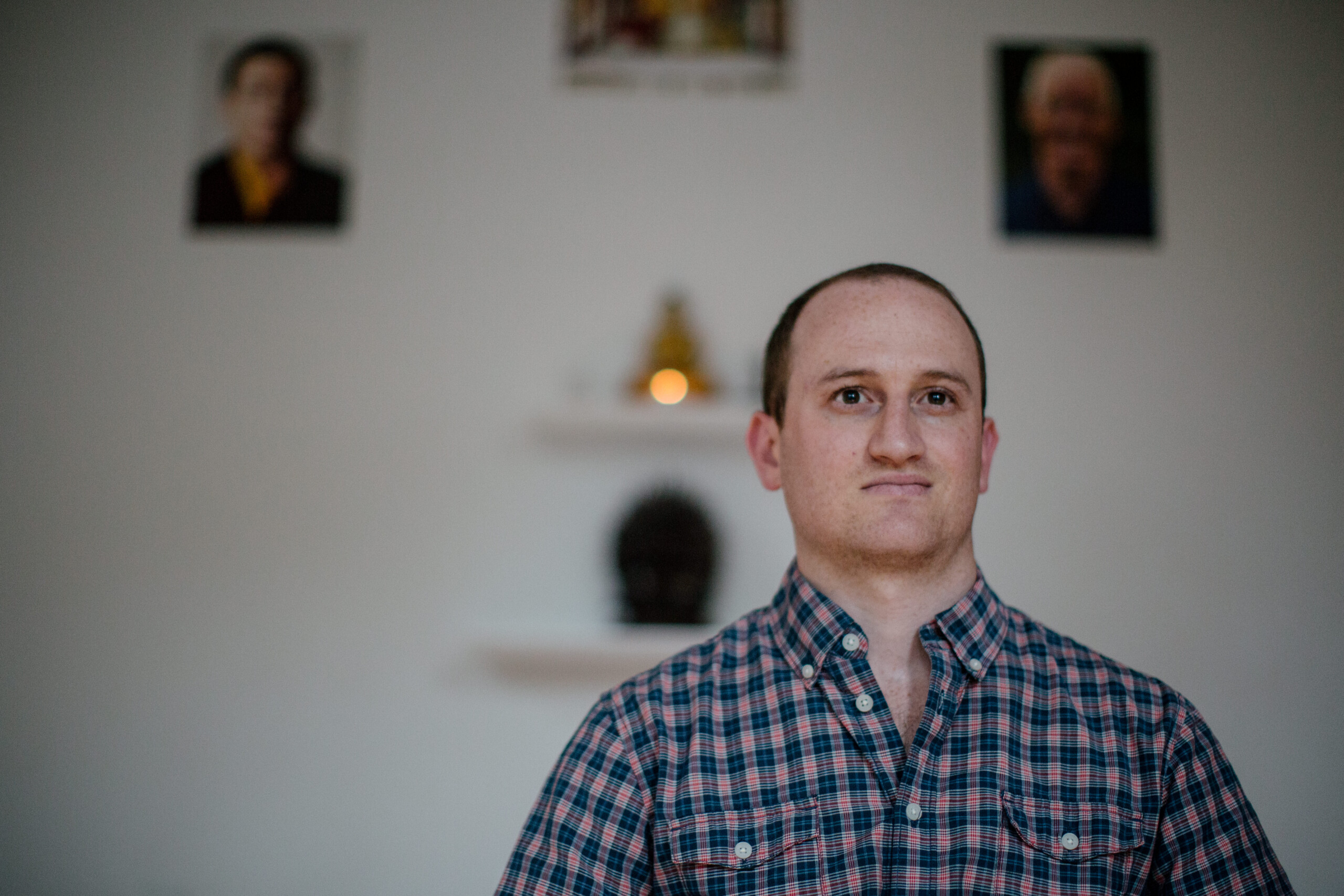
ronak2026-08-26T05:56:26+00:00For Willy and Kim, Buddhism is not something practiced only on the meditation cushion—it is a path lived through relationship, creativity, community, and the challenges of everyday life. Willy’s journey began with a search that took him beyond intellectual knowledge, through India, encounters with spiritual teachers, and eventually into Tibetan Buddhism, where Ngöndro, Mahamudra, lineage, and Sangha became central to his practice. Kim’s path carries a different thread. Her earliest connection to Buddhism came through her Korean grandmother, but it was through art—and eventually her relationship with Willy—that Buddhism became a living spiritual practice. For Kim, creativity opens a doorway beyond the limited self, while Buddhist teachings on emptiness and impermanence offer a framework for understanding the freedom and possibility she encounters through art. Together, Willy and Kim reveal what happens when Buddhist practice enters the intimacy of a relationship. Meditation gives them space to step outside conflict, recognize habitual patterns, take responsibility for their actions, and remember that practice ultimately means learning how to benefit the person directly in front of you. Their story also speaks to the importance of Sangha as a mirror—one that keeps practice grounded, challenges the ego, and turns Buddhist teachings into something tested through real human relationships
Zselyke: Growing Up with Diamond Way Buddhism and Making the Dharma Her Own
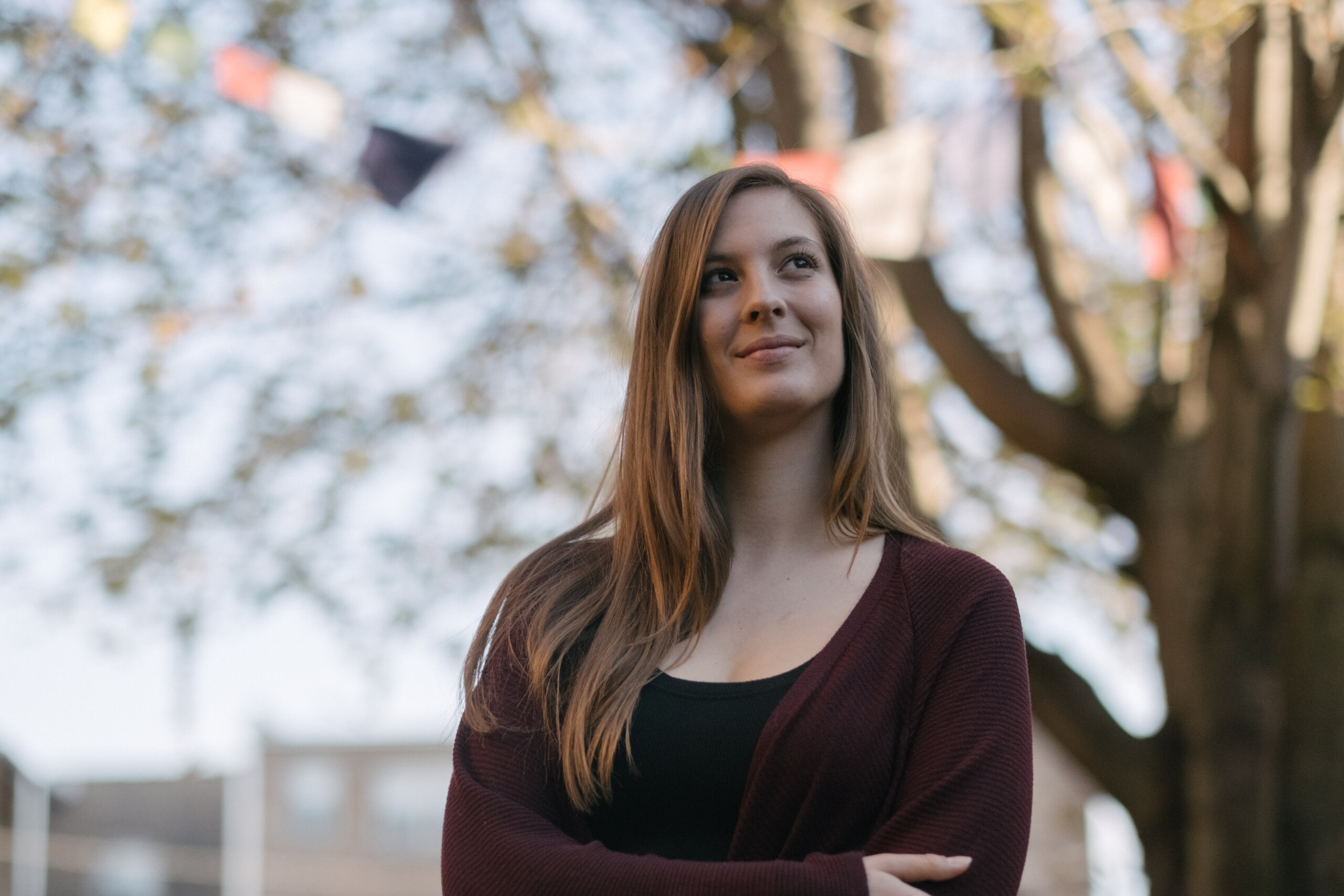
ronak2026-08-15T23:18:48+00:00For Zselyke, Buddhism was part of life long before she consciously chose it as her path. Raised in Finland by parents deeply involved in Diamond Way Buddhism, she grew up surrounded by meditation, Sangha, visiting teachers, and summer courses across Europe. She took refuge with Lama Ole Nydahl at just eight years old, yet her relationship with Buddhism was never forced. As a teenager, she stepped away from practice before eventually returning on her own terms—transforming something inherited from her family into a deeply personal commitment. Through meditation, Ngöndro, retreats, service, and years of involvement with the Diamond Way community, Zselyke began to discover what sustained practice could offer. Her experiences at the Europe Centre in Germany—meditating, receiving teachings, volunteering, and even helping cook for thousands of practitioners—revealed how Dharma can move beyond the cushion and become part of how we work, serve, and relate to others. For her, Buddhist meditation is ultimately not simply a technique for relaxation or stress reduction. It is a path toward seeing the mind and the impermanence of experience more clearly.
Ani Palmo Lodro: From Corporate Life to a Tibetan Buddhist Monastery
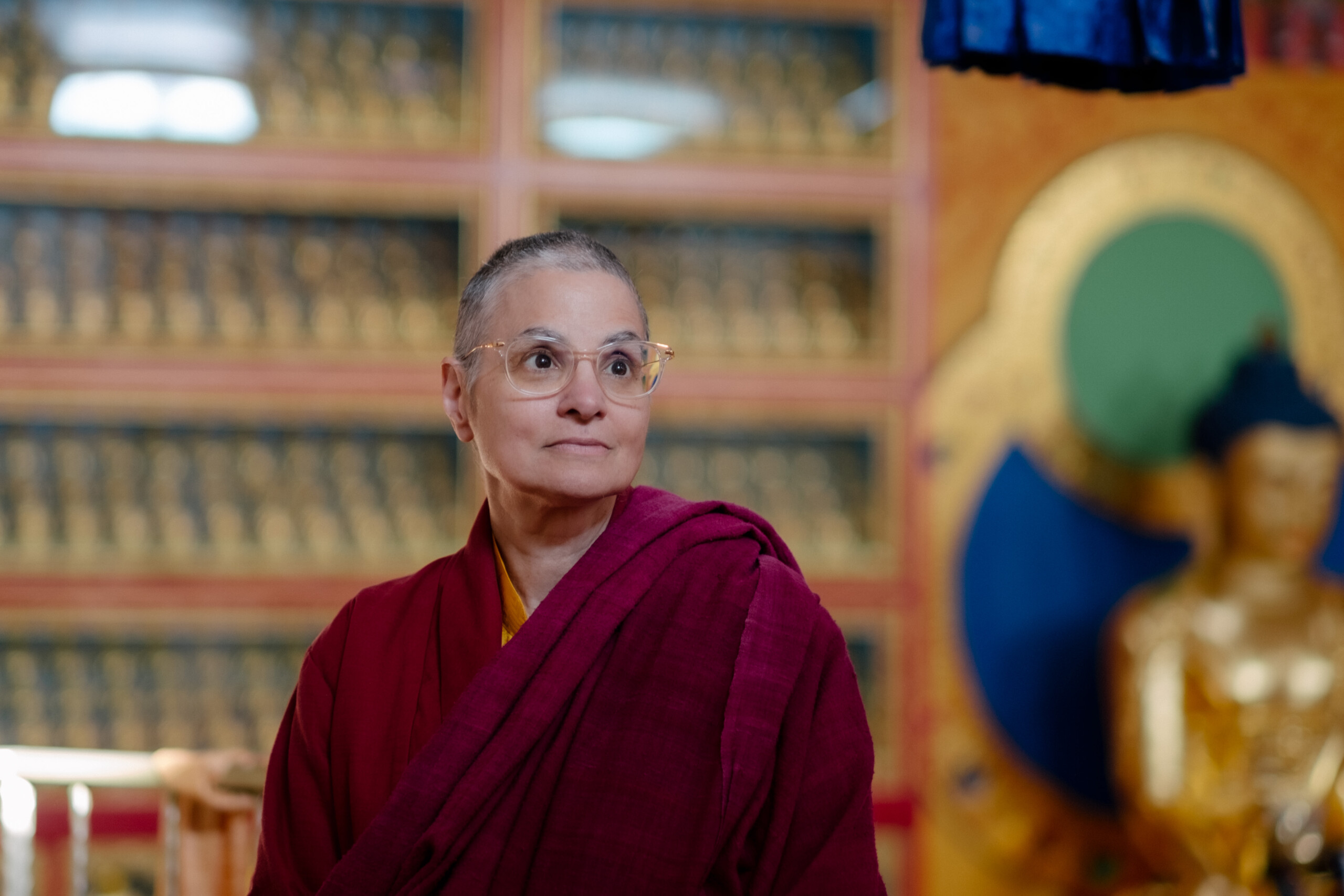
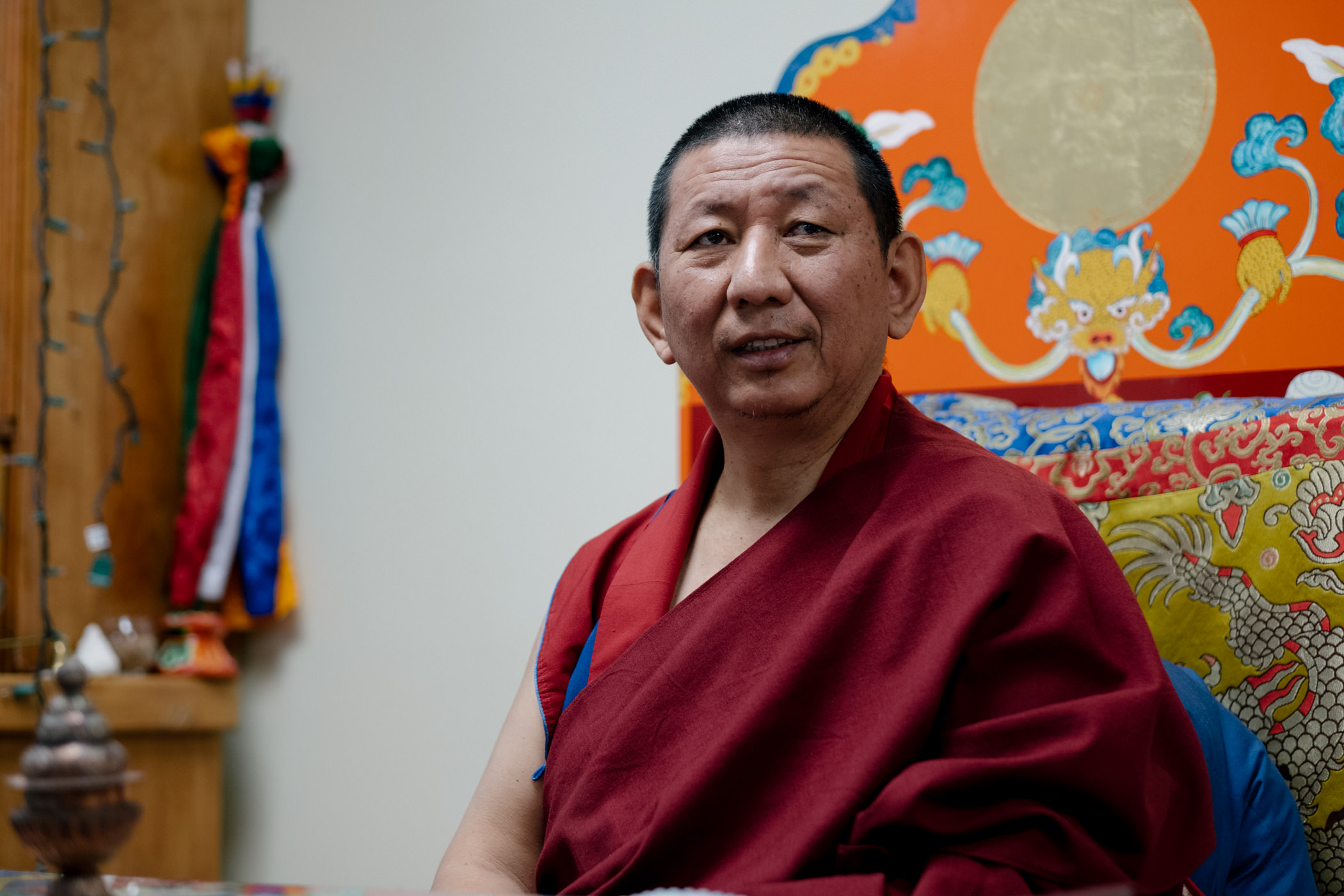
ronak2026-08-15T22:00:51+00:00Ani Palmo Lodro’s journey into Tibetan Buddhism began with a question many people eventually confront: Why, when we have everything we thought we wanted, can something still feel missing? After building a successful corporate life, Ani Lodro found herself facing a profound sense of emptiness that material success could not resolve. Her search for deeper meaning eventually led her to Tibetan Buddhism, the Kagyu lineage, and ultimately ordination as a Buddhist nun. Today, Ani Lodro lives and serves at a Tibetan Buddhist monastery and retreat center, where her understanding of practice has moved far beyond meditation alone. Monastic life taught her that awakening is found not only in silence and retreat, but in discipline, community, humility, and the ordinary acts of serving others. “I came here thinking I would spend my life in meditation. Instead, I found that true practice is in the daily, ordinary acts of service.”
Zoe
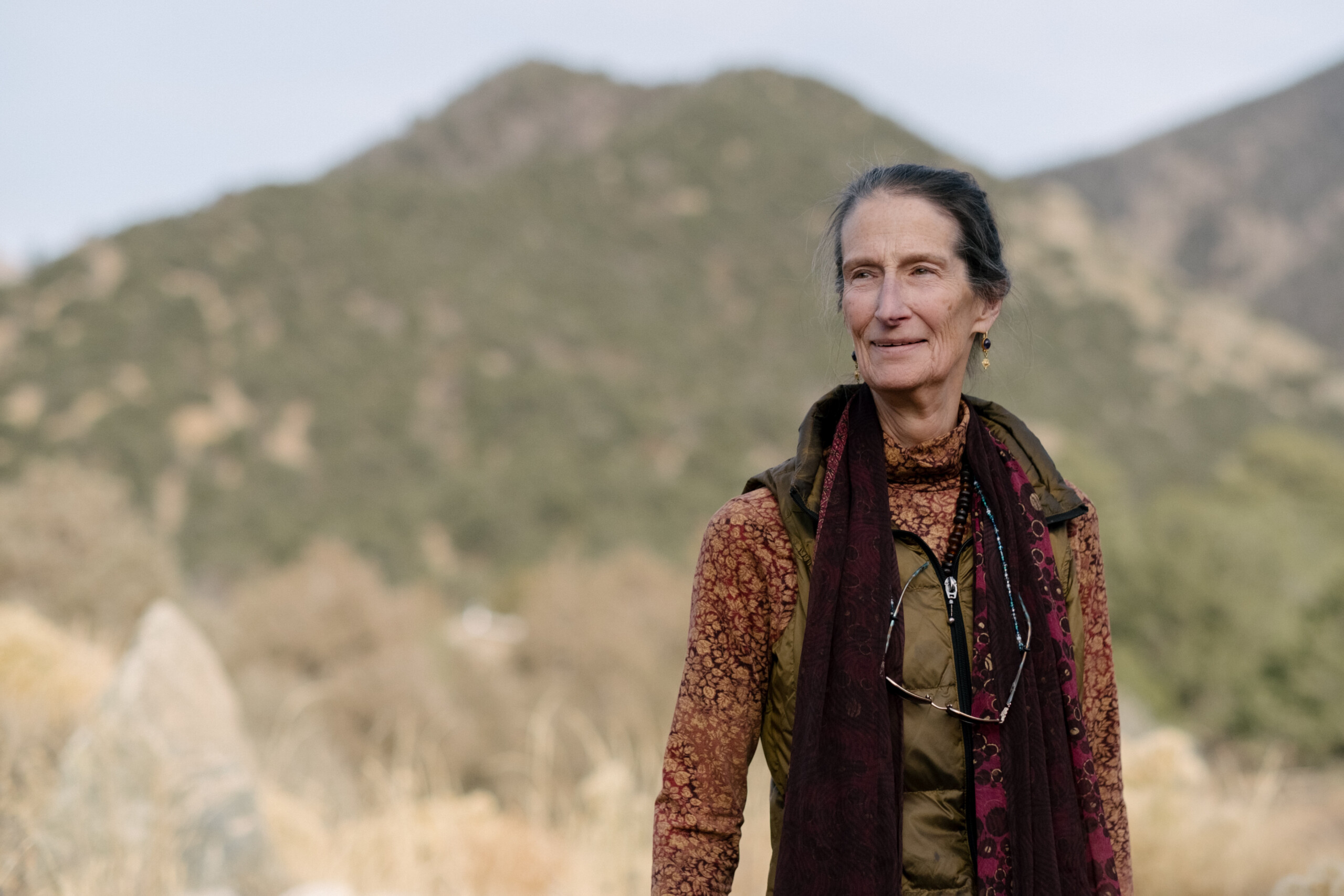
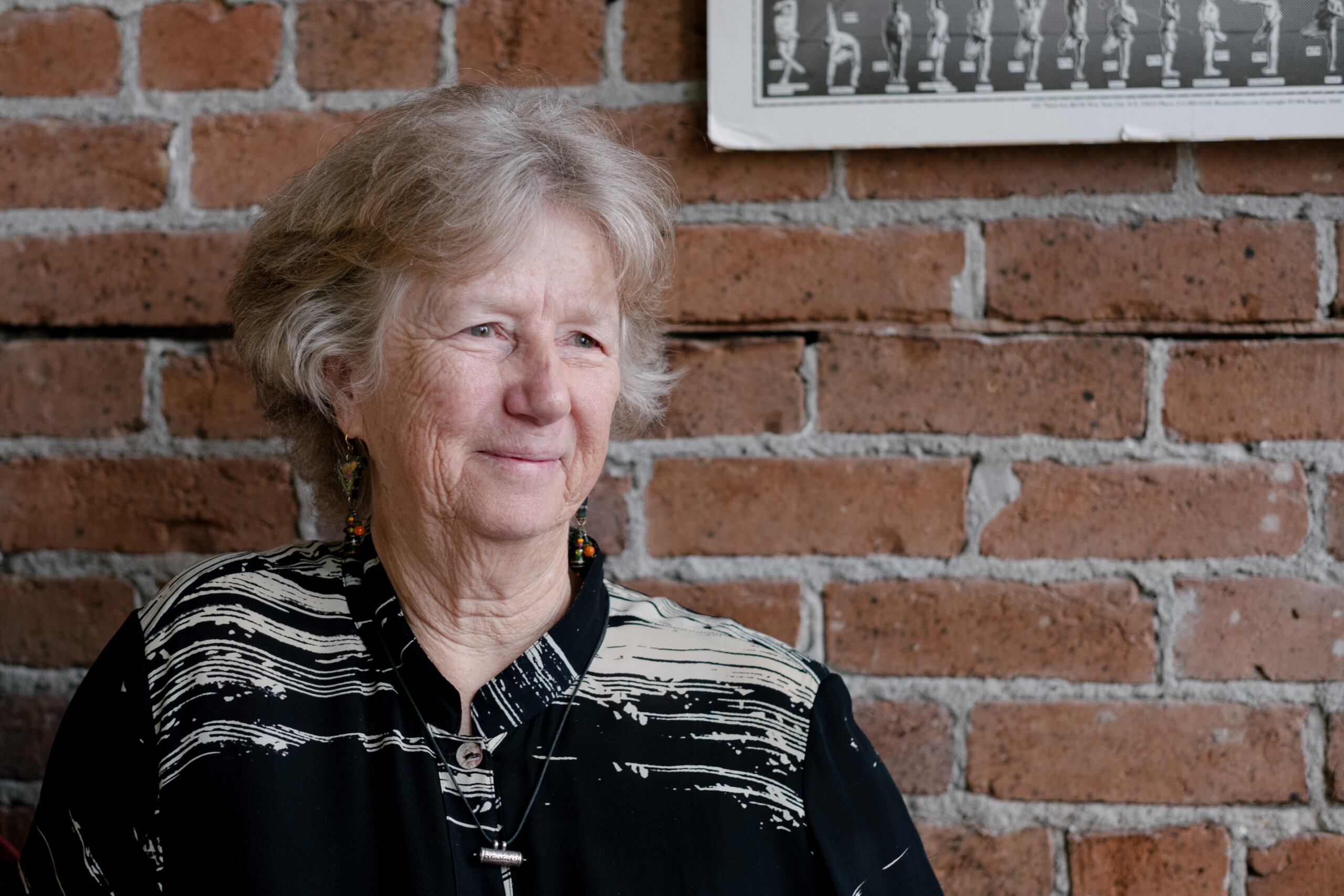
ronak2026-08-13T14:47:00+00:00I faithfully, joyfully attended AA meetings for 5 years. During this time I searched for a teacher of meditation. In 1980 I met the 16th Karmapa as above and then Khenpo Karthar Rinpoche and began the Tibetan Buddhist Path, though I have a PhD in world religions and psychology I got during this time.
Alejandro: Bringing Tibetan Buddhism into Modern Life Through Science, Meditation, and Compassion
ronak2026-08-03T14:49:12+00:00Alejandro offers a compelling answer by bridging the wisdom of the Tibetan Bön tradition with contemporary life. A scholar, meditation teacher, and researcher, Alejandro has spent decades demonstrating how practices developed centuries ago can support modern challenges such as stress, illness, emotional resilience, and the search for meaning. Rather than presenting Buddhism as a religion to adopt, Alejandro teaches meditation as a universal method for understanding the mind. Whether leading traditional Dharma retreats, conducting research at MD Anderson Cancer Center, or teaching through The Three Doors, he adapts his language and methods to meet students where they are while remaining faithful to the integrity of his lineage. His approach reflects a deep respect for individual spiritual paths, emphasizing direct experience over belief and transformation over philosophy. Through his work, Alejandro demonstrates that authentic Buddhist practice can thrive in hospitals, universities, and everyday life without losing its depth. His teaching shows that timeless wisdom is most powerful when it is made accessible, practical, and deeply human.
Geshe Denma: Preserving the Ancient Bön Lineage for the Modern World
ronak2026-08-05T21:30:06+00:00Born in Nepal and trained for decades within the ancient Bön tradition, Geshe Denma has dedicated his life to preserving one of Tibet's oldest spiritual lineages while making its wisdom accessible to modern practitioners. From his years as a monastery abbot to his role as resident lama at Ligmincha Texas, he teaches timeless practices through a contemporary lens—simplifying teachings for busy lives, embracing online learning, and guiding students with compassion while remaining deeply rooted in authentic lineage. His insights into Dzogchen, healing practices, and the teacher-student relationship reveal how an 18,000-year-old tradition continues to transform lives in the twenty-first century.
From Atheism to Bon Buddhism: Jackie’s Journey into Death, Enlightenment, and the Ancient Wisdom of Bon
ronak2026-08-05T21:13:34+00:00Jackie never expected Buddhism to become the foundation of her life. Raised Christian before identifying as an atheist, an extraordinary dream led her to discover the ancient Bon tradition of Tibet. What began as intellectual curiosity evolved into decades of dedicated practice, study, and retreat under respected Bon teachers. Today, Jackie explores profound topics like death, reincarnation, enlightenment, and meditation with both scientific curiosity and deep spiritual conviction. Her story reveals how Bon Buddhism offers a practical path for transforming fear into wisdom, integrating contemplative practice into everyday life, and recognizing that enlightenment is not something we acquire—it is our true nature waiting to be uncovered. Whether discussing retreats in France, Tibetan yoga, or preparing for death with awareness rather than fear, Jackie offers a compelling perspective on one of the world's oldest spiritual traditions and its relevance for modern life.