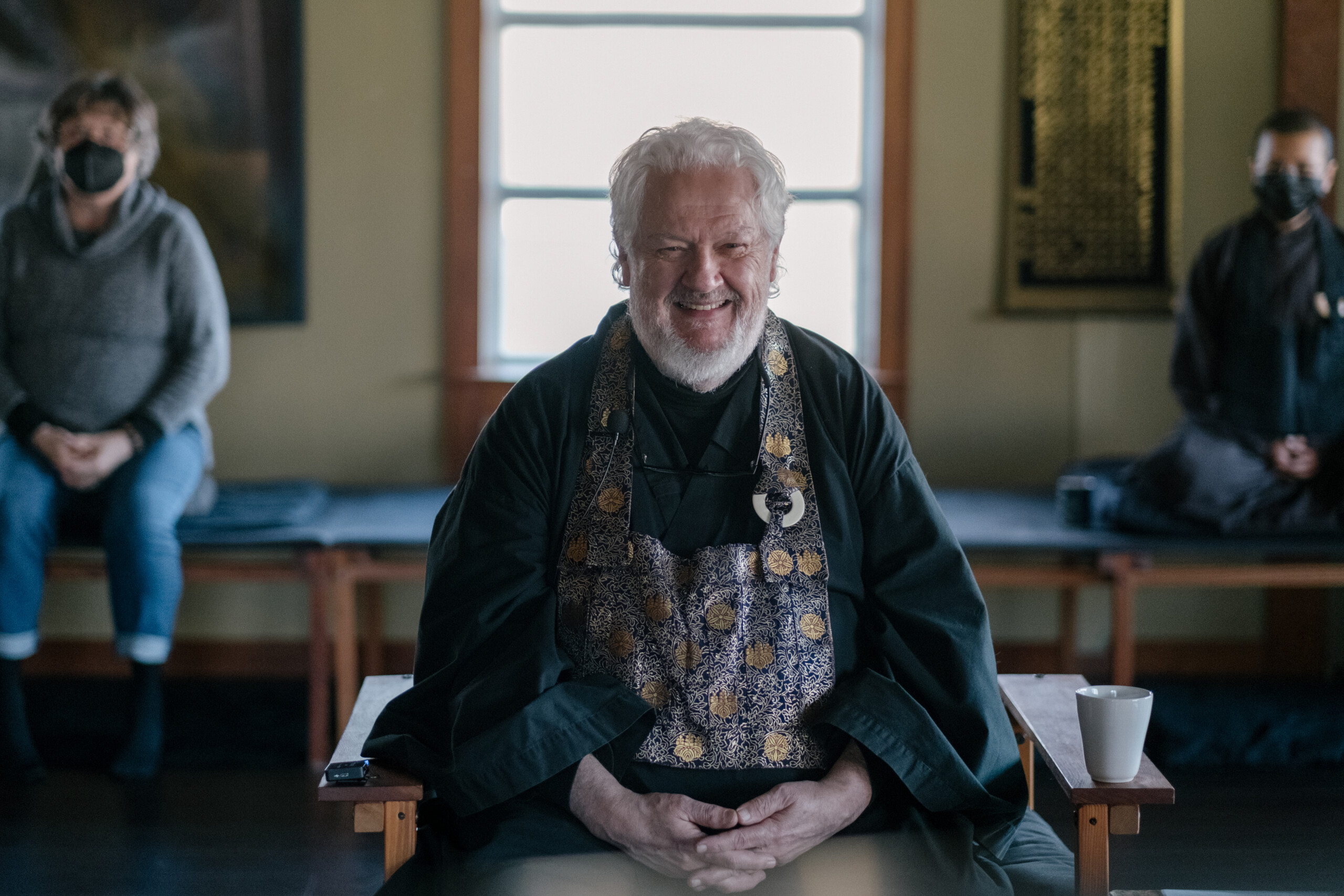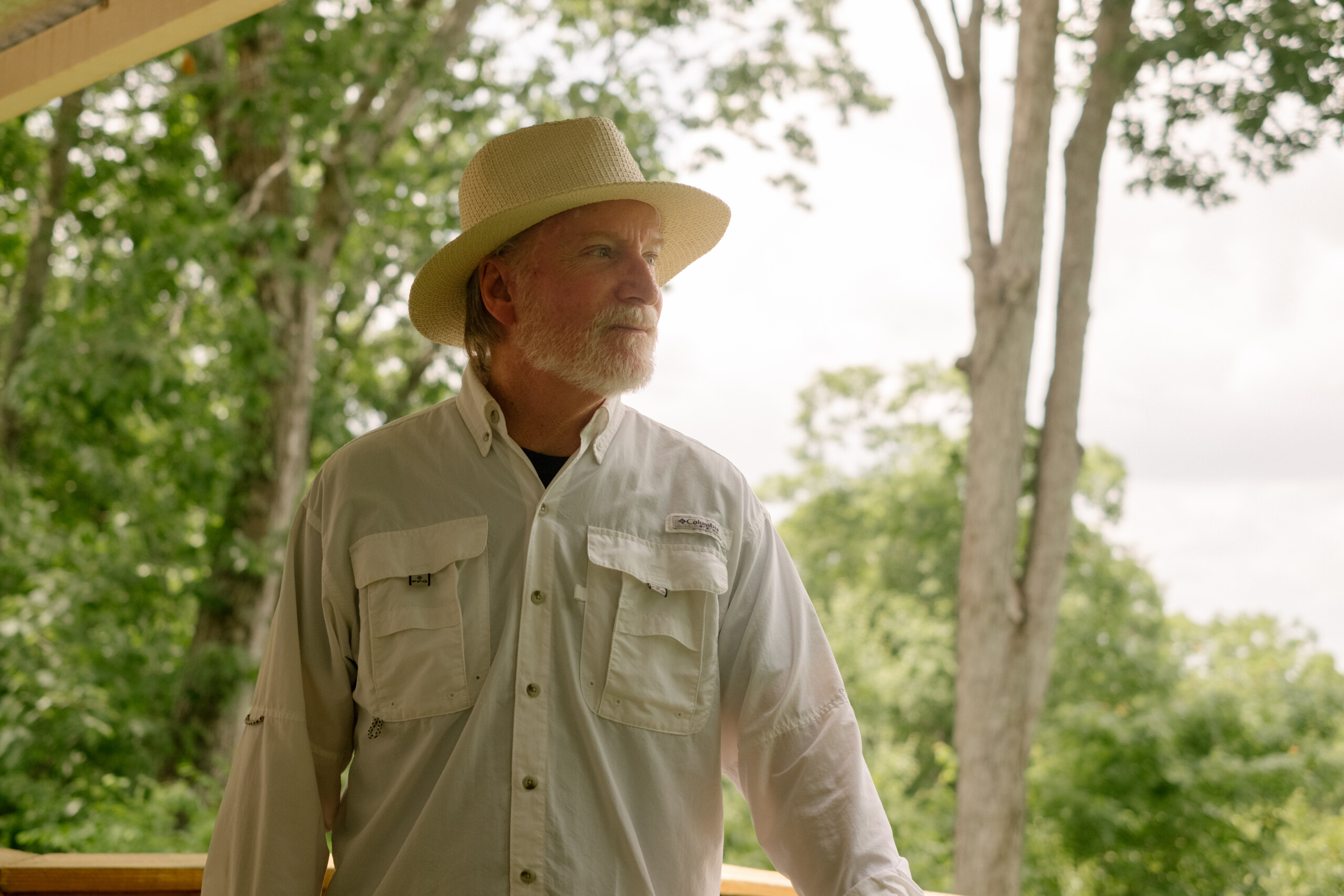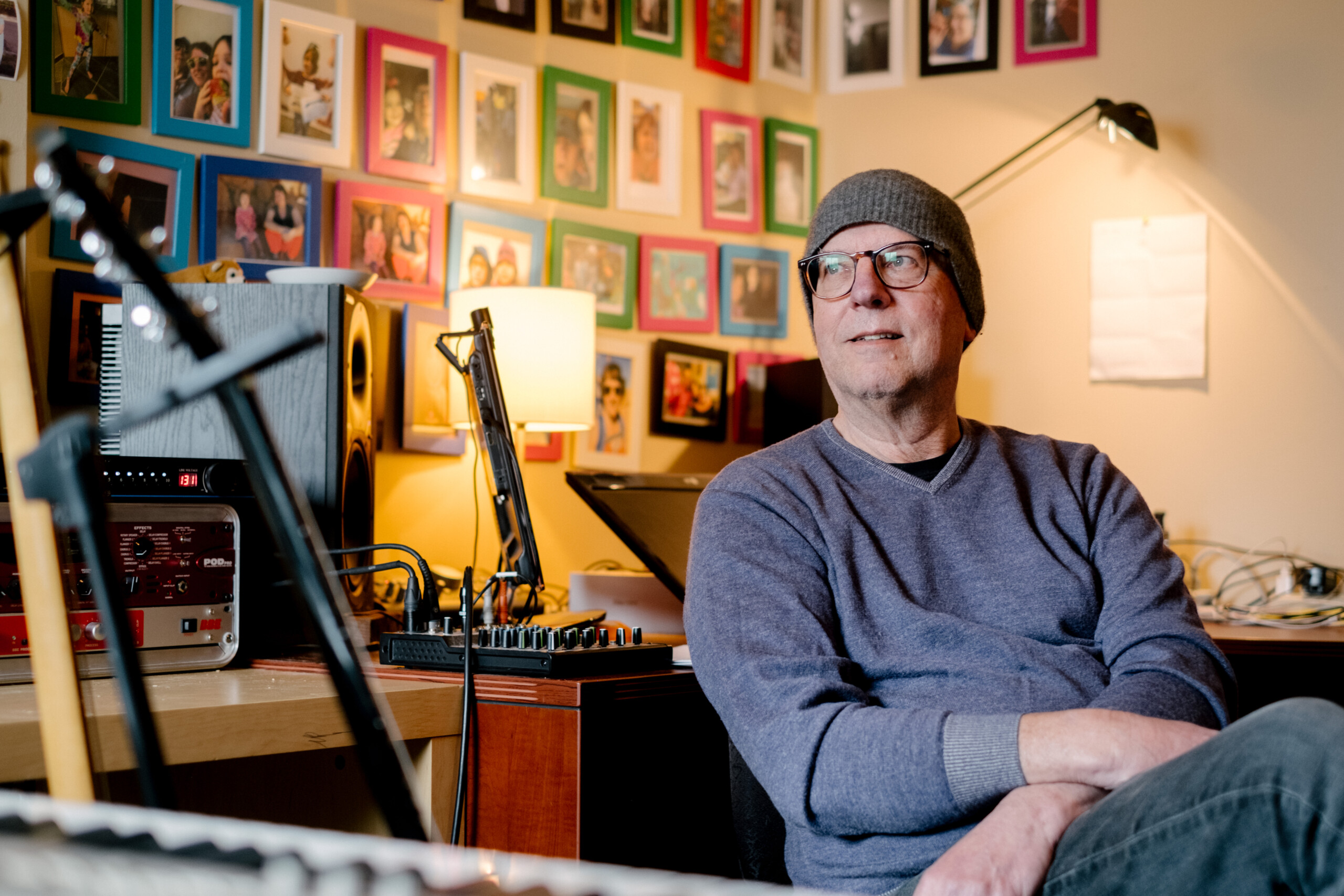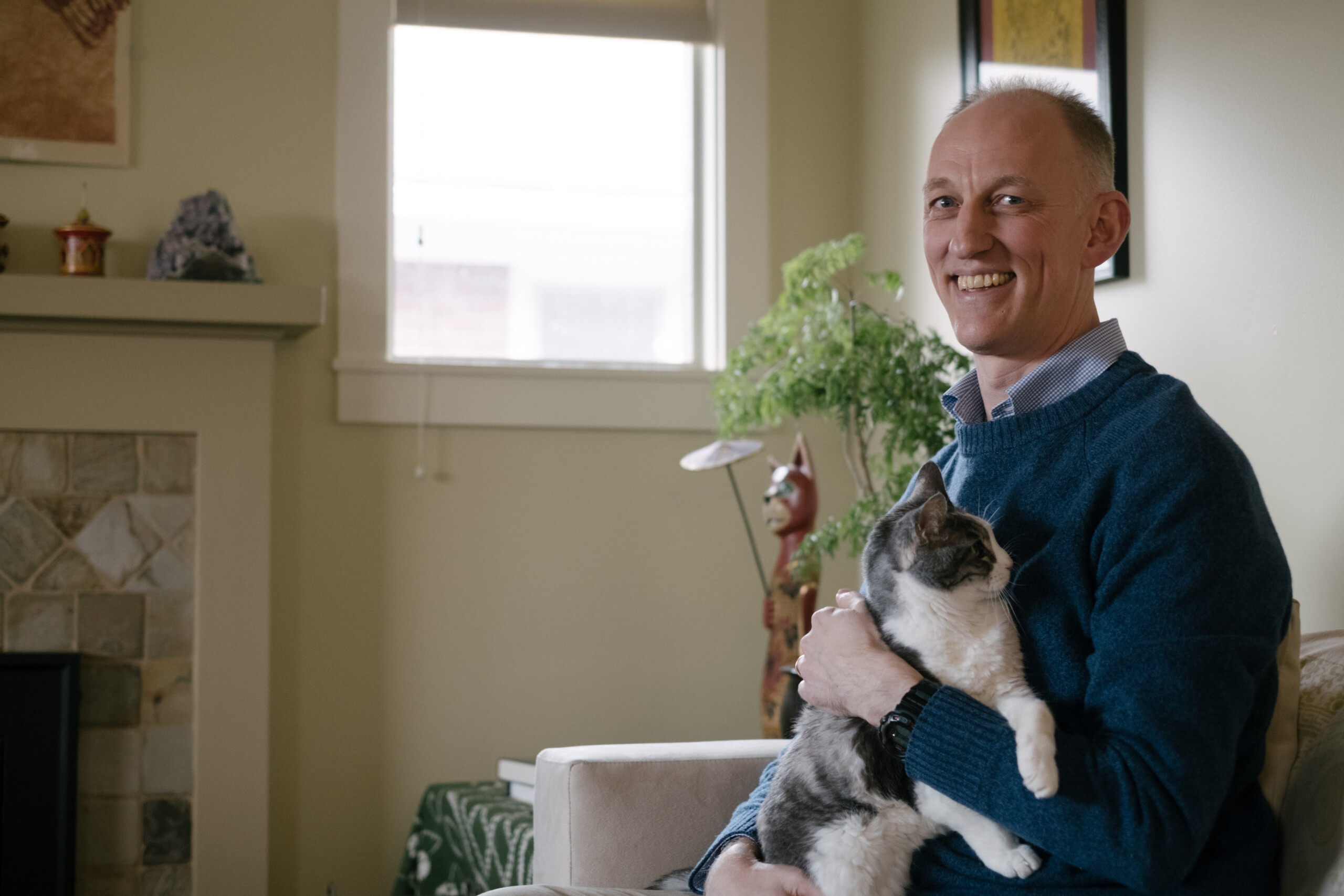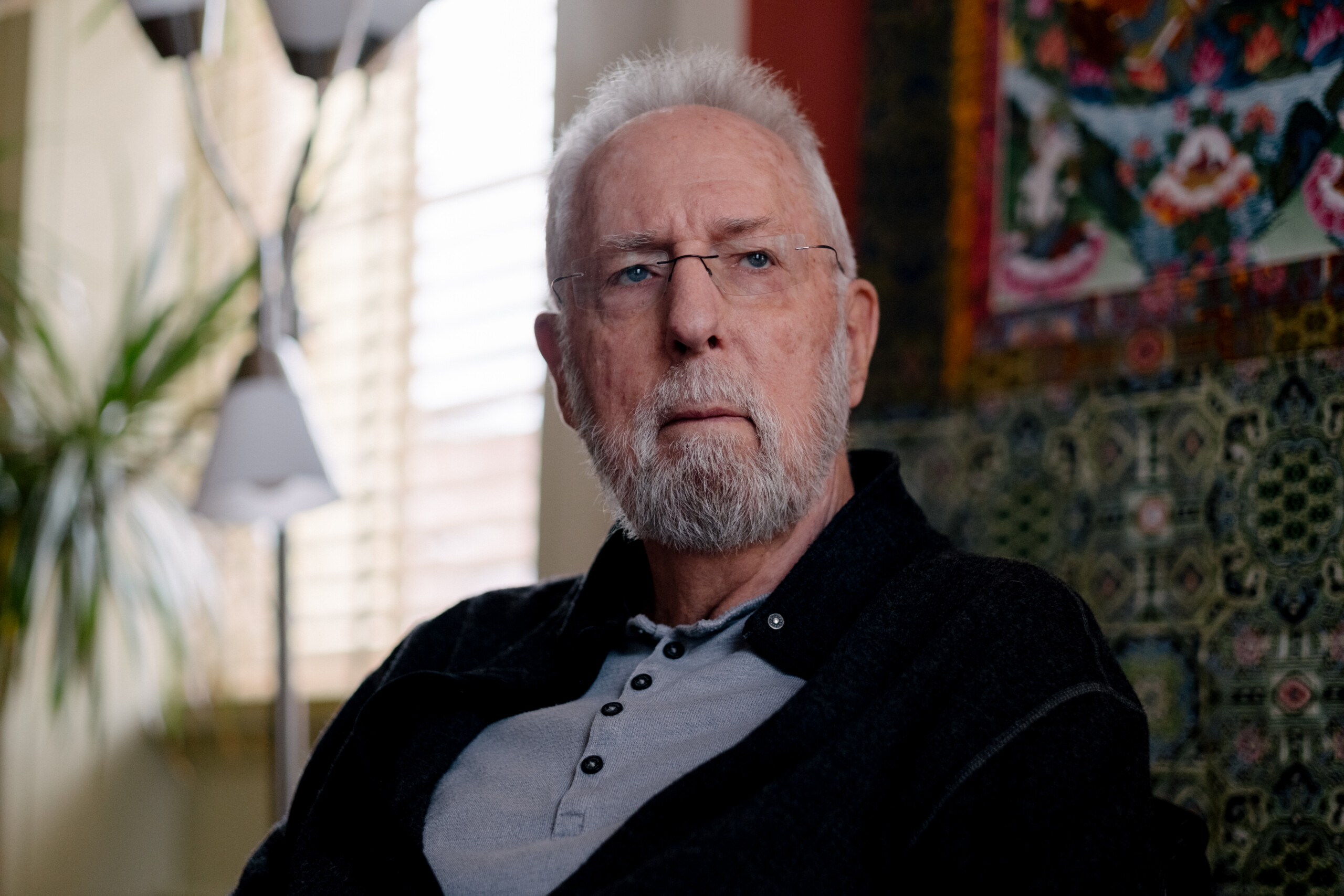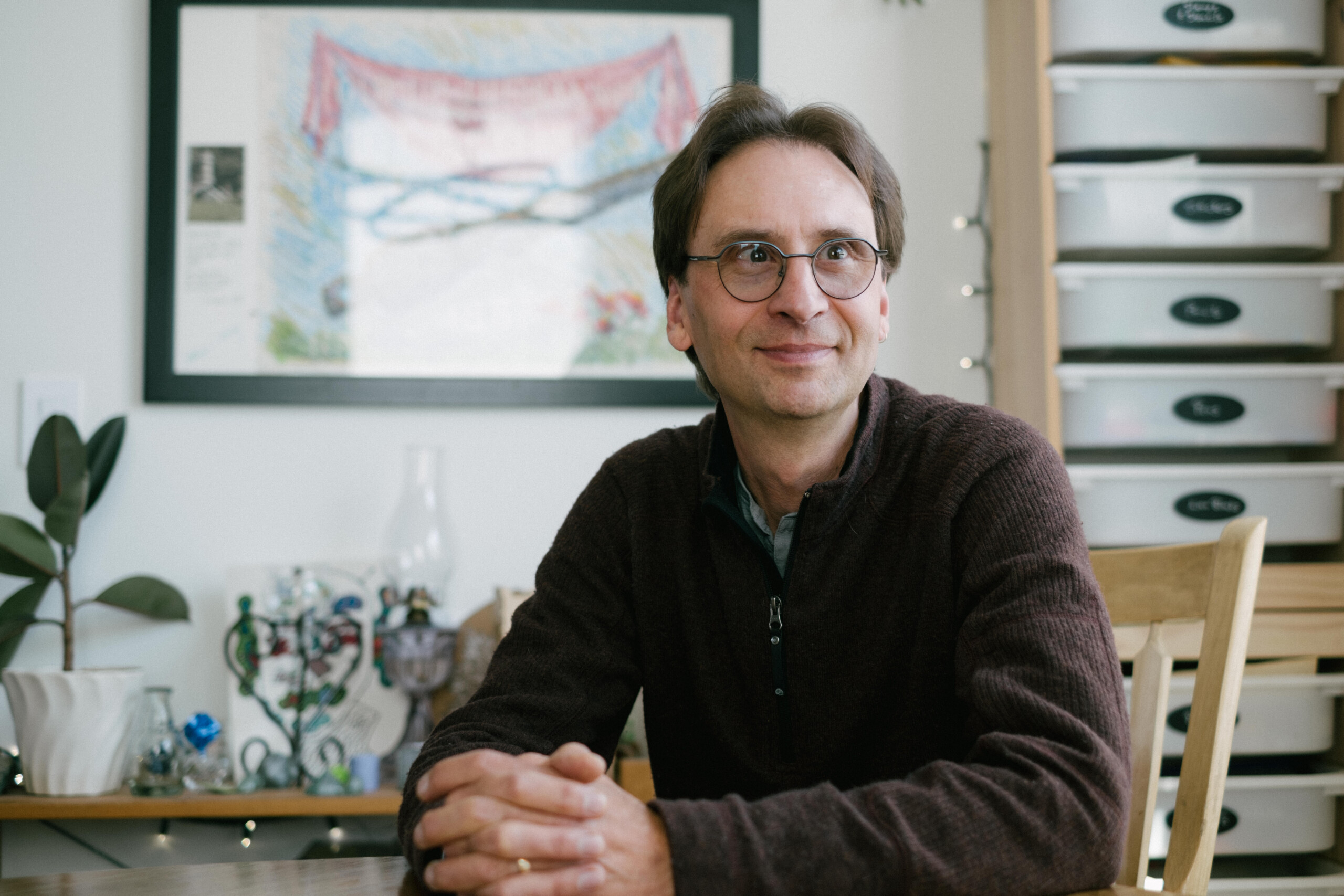
Joe is a violinist with the Utah Symphony, Buddhist teacher, and longtime practitioner in the Dzogchen Buddha Path lineage. Guided by Dzogchen Khenpo Choga Rinpoche, Joe shares how taking refuge became the turning point that transformed his relationships, mindset, and daily life. From understanding the Four Noble Truths as a practical roadmap to freedom to emphasizing the importance of translating Buddhist teachings into clear, modern English, Joe demonstrates how authentic Dharma can be preserved while remaining accessible to contemporary practitioners. His story reveals that Buddhism is not simply a philosophy to study, but a path to embody through compassion, positive thinking, and mindful awareness in every moment.
Terry: Bringing the Dharma Behind Prison Walls | Buddhism, Compassion & Prison Chaplaincy
ronak2026-07-21T22:05:32+00:00Terry's Buddhist practice extends far beyond the meditation cushion and into prison cells, where he has spent decades helping incarcerated individuals discover compassion, accountability, and inner freedom. Through meditation, ethics classes, and Vajrayana purification practices, he demonstrates that no one is defined by their worst actions. His story explores the transformative power of Buddhism in places where hope is often hardest to find, revealing how the Dharma can foster healing, responsibility, and awakening even within the prison system.
Guo Yuan Fashi: Finding Clarity Through Chan Buddhism and the Quiet Power of Everyday Practice
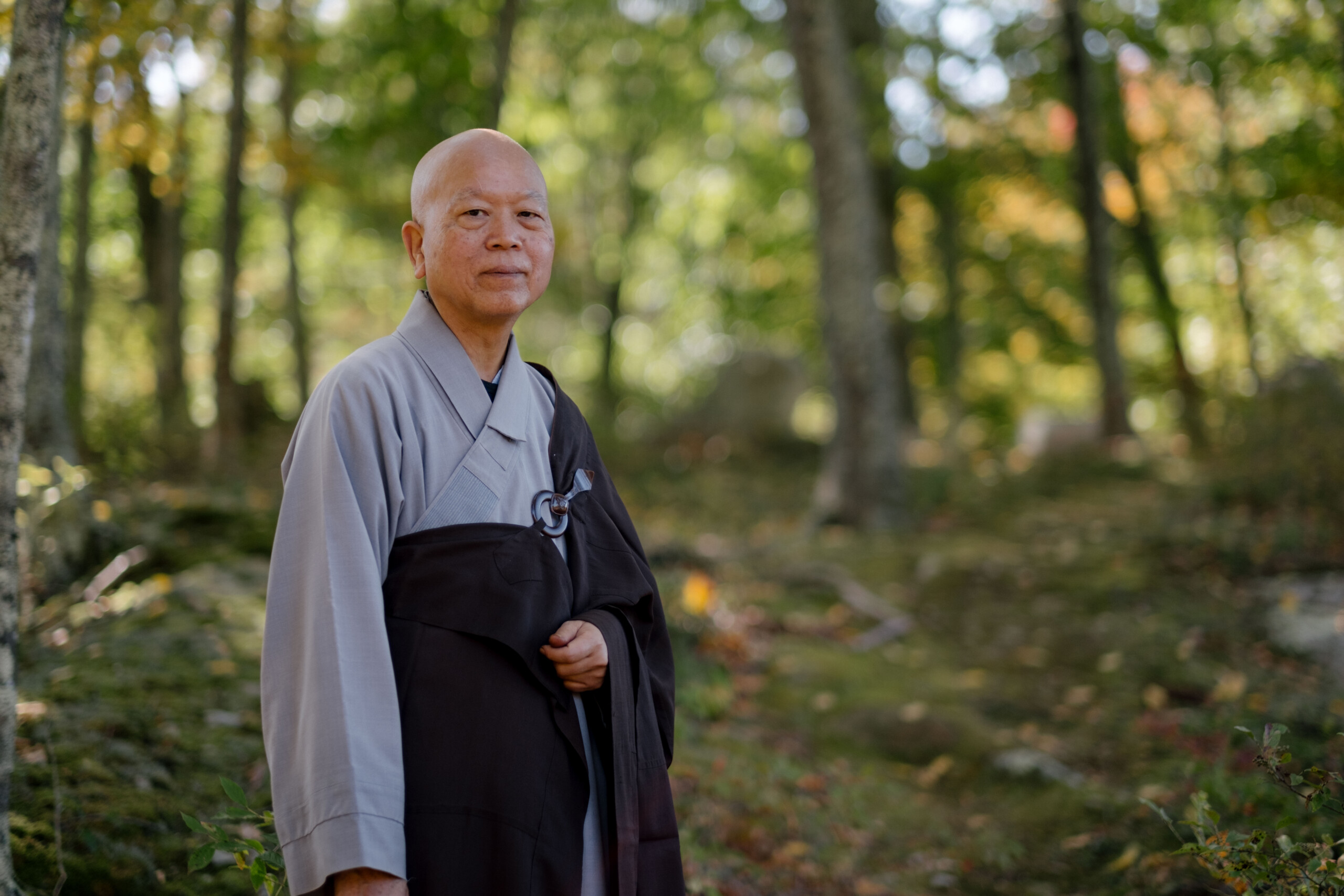
ronak2026-07-21T11:54:41+00:00Born in Vietnam to a Chinese Buddhist family, Guo Yuan Fashi never imagined he would one day become a Chan Buddhist monk and internationally respected meditation teacher. Although his mother introduced him to temples as a child, it wasn't until years later—after relocating to Canada following the Vietnam War—that he began searching for something deeper than material success. That search ultimately led him to Chan meditation, ordination under the renowned Chan Master Sheng Yen, and a lifetime devoted to preserving and sharing the Dharma. In this intimate conversation, Guo Yuan Fashi explains that genuine Buddhist practice is found not only on the meditation cushion but in the smallest moments of everyday life. Whether sweeping the meditation hall, eating a meal, or quietly observing the mind, each activity becomes an opportunity to cultivate awareness, compassion, and wisdom. His teacher's greatest lessons were rarely delivered through lectures, but through ordinary actions that revealed the profound nature of mindfulness. Guo also reflects on the challenges of transmitting authentic Chan Buddhism in the modern world. As people increasingly seek meditation for stress relief, he gently encourages practitioners to look beyond temporary calm toward genuine transformation. He discusses the importance of lineage, the indispensable role of the Sangha, and the need to make ancient teachings accessible without compromising their depth. Despite cultural shifts and modern distractions, he remains optimistic that the Dharma continues to offer timeless guidance for anyone willing to slow down, look inward, and practice wholeheartedly. His story is a reminder that awakening is not found in extraordinary experiences, but in learning to meet each ordinary moment with complete presence.
Steven: Finding Compassion in Everyday Life Through the Plum Village Tradition
ronak2026-07-20T12:21:02+00:00Raised in a socially engaged Christian community but searching for a more experiential spiritual path, Steven found his home in the Plum Village tradition of Zen Buddhism founded by Thich Nhat Hanh. What drew him to Buddhism was its emphasis on practice over belief. Rather than asking for faith in abstract ideas, the Dharma invited him to cultivate mindfulness, compassion, and ethical living in the ordinary moments of daily life. Over the years, Steven's practice has expanded far beyond formal meditation. Walking meditation, mindful work, deep listening, and noble silence have become ways of relating more fully to himself, his family, and the world around him. As a member of the Order of Interbeing and a Sangha leader, he has embraced engaged Buddhism—not as activism fueled by anger, but as compassionate action grounded in presence and understanding. For Steven, the Sangha is the heart of practice. Inspired by Thich Nhat Hanh's teaching that "the next Buddha may not be an individual, but a Sangha," he sees community as the place where mindfulness becomes real—where people learn to listen deeply, navigate conflict with compassion, and support one another through life's challenges. His story demonstrates that Buddhism is not about escaping the world but about engaging it with greater awareness, kindness, and responsibility. Through the simple yet profound practices of the Plum Village tradition, Steven continues to discover that lasting transformation begins with the way we breathe, speak, listen, and show up for one another.
Kyle’s Journey into Plum Village Buddhism | Finding Peace Through Mindfulness and Community
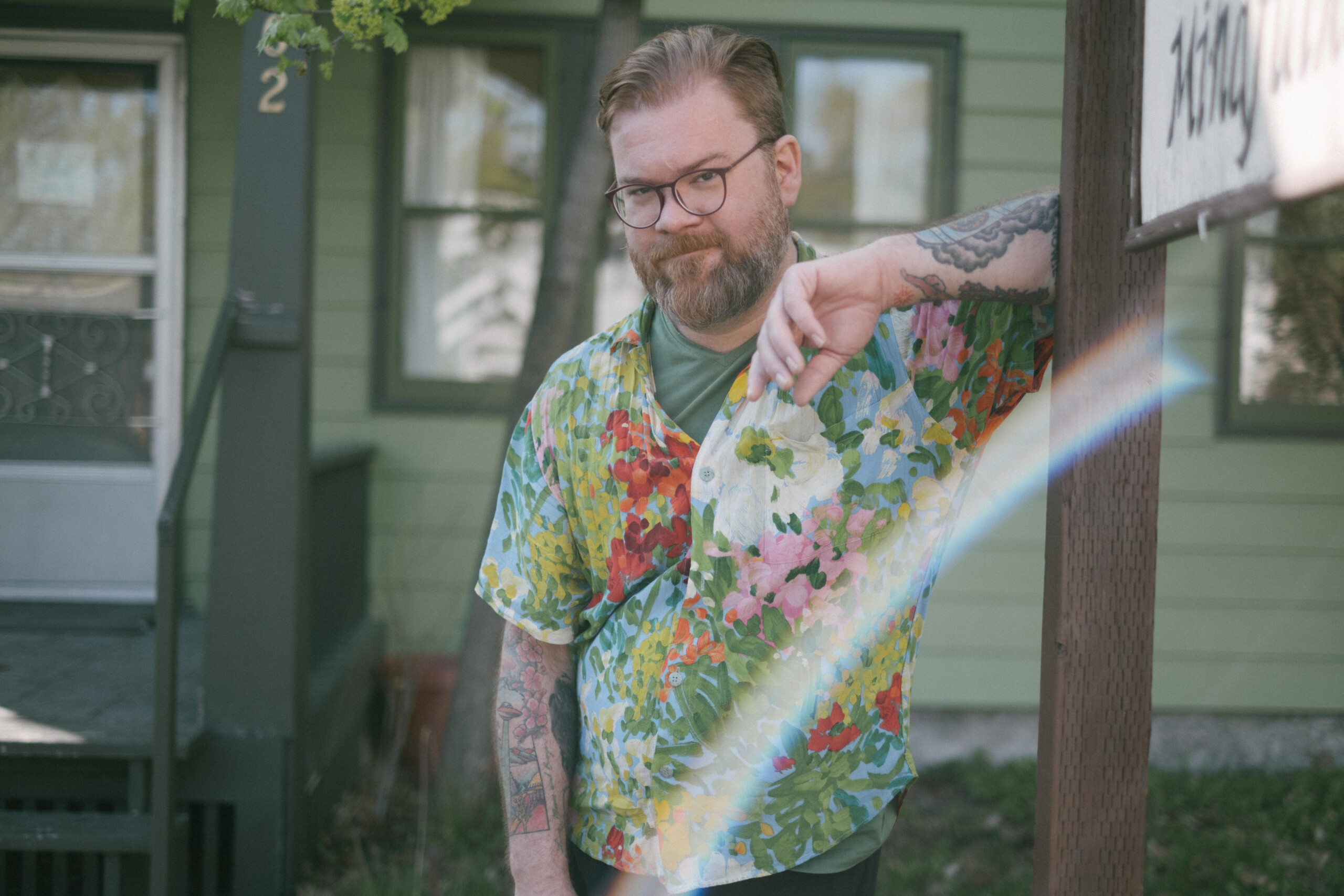
ronak2026-08-03T14:41:07+00:00After leaving the strict religious environment of his childhood, Kyle searched for a path that could help him heal anxiety, reconnect with himself, and live with greater presence. His journey eventually led him to Thich Nhat Hanh's Plum Village tradition, where he discovered that Buddhism wasn't about escaping life—it was about fully inhabiting it. Through mindful breathing, everyday awareness, and the support of a compassionate Sangha, Kyle transformed meditation from something he did into a way he lived. His story explores how mindfulness, community, and the joy found in ordinary moments can become powerful tools for healing and awakening.
Lama Thupten Rinpoche on Bringing Authentic Tibetan Buddhism to the West
ronak2026-07-19T03:11:53+00:00How can a 2,600-year-old spiritual tradition remain authentic while speaking to the modern world? In this in-depth conversation, Lama Thupten explores the challenge of preserving the integrity of Tibetan Buddhism while making it accessible to Western practitioners. He discusses lineage, compassion, adapting ancient teachings without losing their essence, and why genuine inner transformation—not cultural imitation—is the heart of the Dharma. Discover timeless wisdom on meditation, interconnectedness, and the responsibility of carrying an authentic Buddhist lineage into the future.
David M on Vajrayana Buddhism: Finding Freedom Through Curiosity, Death, and Direct Experience
ronak2026-07-23T10:56:16+00:00David M's Buddhist journey is driven by an enduring curiosity about the nature of reality. Drawn to Vajrayana Buddhism for its direct and experiential approach, he explores how practices such as Ngöndro, contemplation of death, and devotion transform everyday life. Through reflections on reincarnation, identity, family, and the role of authentic teachers, David shares how Buddhism has become a living framework for cultivating wisdom, compassion, and freedom from fixed views. Rather than seeking certainty, he embraces practice as a lifelong process of inquiry, discovering that true liberation begins with giving ourselves permission to see beyond who we think we are.
Zen Master Ji Haeng: Nearly Four Decades of Meditation, Discipline, and Zen Practice
ronak2026-07-18T23:55:23+00:00Zen Master Ji Haeng, also known as Thomas, has spent nearly four decades exploring the depth of Zen meditation and bringing its teachings into everyday life. A former professional musician who performed with legendary artists including Frank Sinatra, Sammy Davis Jr., Aretha Franklin, and Patti LaBelle, he first turned to meditation as a way to cultivate focus, calm, and stability amid the intensity of his career. Over time, meditation became far more than a tool for concentration. Through daily practice, retreats, koan study, precepts, and guidance from respected Zen teachers, Thomas developed a deeper understanding of impermanence, non-attachment, compassion, and the nature of the self. His teachings emphasize that Zen is not confined to the meditation cushion. It is expressed through how we listen, how we respond to suffering, and how fully we meet each moment. After decades of practice, Thomas continues to return to the same essential foundation: still body, still breath, still mind.