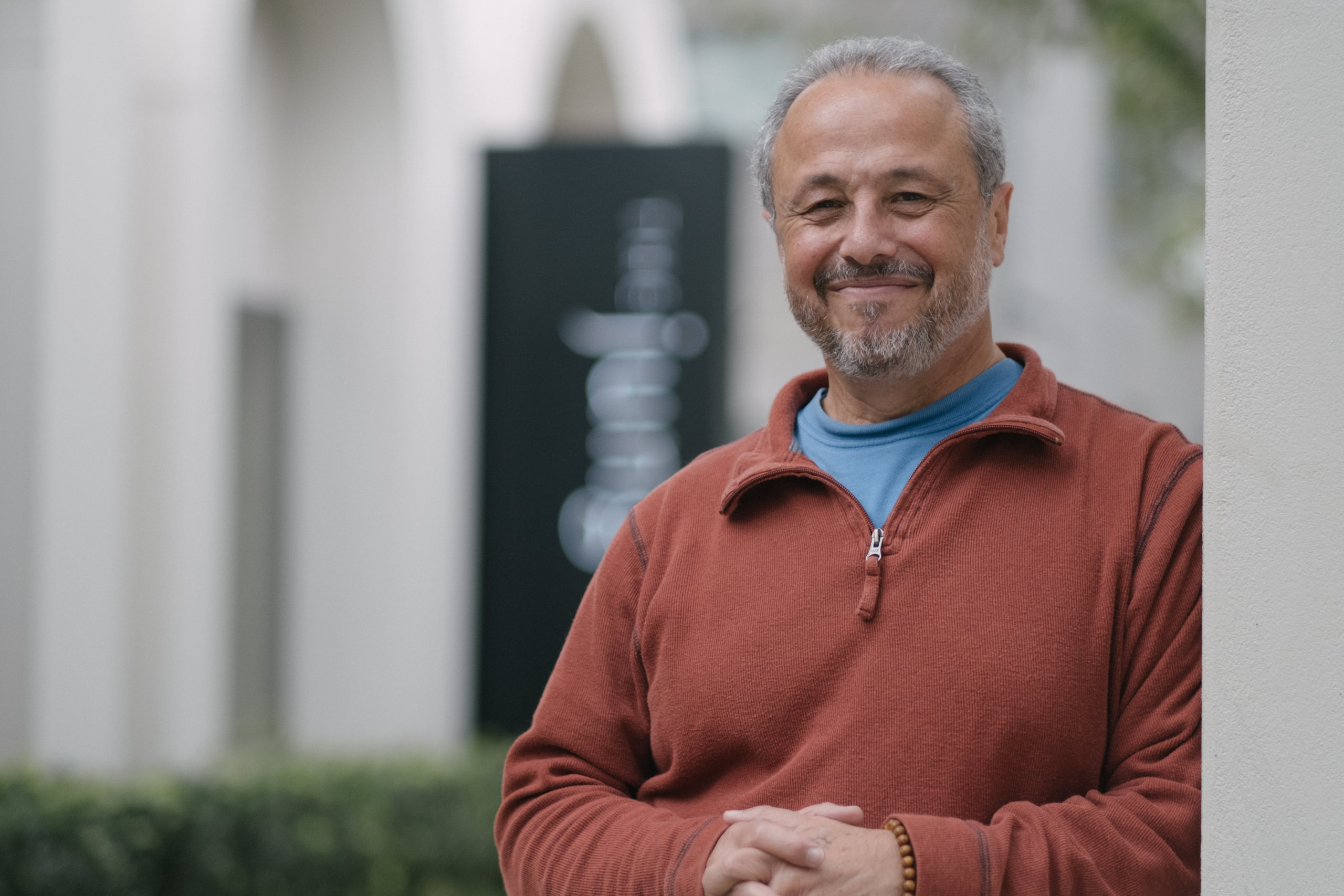
Alejandro
Houston, TX
Alejandro offers a compelling answer by bridging the wisdom of the Tibetan Bön tradition with contemporary life. A scholar, meditation teacher, and researcher, Alejandro has spent decades demonstrating how practices developed centuries ago can support modern challenges such as stress, illness, emotional resilience, and the search for meaning.
Rather than presenting Buddhism as a religion to adopt, Alejandro teaches meditation as a universal method for understanding the mind. Whether leading traditional Dharma retreats, conducting research at MD Anderson Cancer Center, or teaching through The Three Doors, he adapts his language and methods to meet students where they are while remaining faithful to the integrity of his lineage. His approach reflects a deep respect for individual spiritual paths, emphasizing direct experience over belief and transformation over philosophy.
Through his work, Alejandro demonstrates that authentic Buddhist practice can thrive in hospitals, universities, and everyday life without losing its depth. His teaching shows that timeless wisdom is most powerful when it is made accessible, practical, and deeply human.
Background
Alejandro, born in Argentina, navigated a diverse religious and educational background. Despite being part of a Jewish family in a predominantly Catholic country, he attended a Presbyterian school. Alejandro’s spiritual journey intensified due to existential attacks, prompting a search for meaning. Introduced to meditation by a high school friend’s uncle, his interest expanded during university studies in the United States.
Venturing to India after graduation, Alejandro explored various traditions, meeting teachers from Hinduism, Sikhism, and Buddhism. His encounter with the Dalai Lama during a pilgrimage in Germany profoundly impacted him. This inspired him to coordinate the Dalai Lama’s visit to Argentina, kickstarting his mission to bring Buddhism to the West.
Engaging with different teachers, including Yeshe Dorje, Alejandro delved into the Ngondro, a set of preliminary practices. His commitment led to organizing the Dalai Lama’s visit and ignited his passion for Tibetan Buddhism.
Returning to the United States, Alejandro pursued Tibetan studies and connected with key teachers like Tenzin Wangyal Rinpoche. While completing a Ph.D. at Rice University, he became involved in cancer research at MD Anderson, integrating Tibetan yoga into healthcare practices. This experience fueled his mission to establish the Mind Body Spirit Institute, expanding beyond healthcare to education and corporate sectors.
Alejandro continued his involvement with the Bon tradition, teaching at its centers worldwide. His journey seamlessly blends Western scientific approaches with Eastern spiritual traditions, reflecting a passionate commitment to bridging these worlds.
Learn more
Alejandro’s story opens into a larger question at the heart of Beyond the Cushion: How do we carry a contemplative practice into the complexity of everyday life without losing its depth?
In the rest of his profile, Alejandro reflects on what it means to move between traditional Tibetan practices and the very different environments of hospitals, universities, research programs, and contemporary meditation communities. His experience offers a particularly interesting perspective on how Buddhism can be translated into Western culture while still respecting the lineage, teachers, and traditions from which these practices emerged.
He speaks about the importance of the relationships he formed with his teachers, and how they helped him understand that transmitting a practice sometimes requires changing the language without changing its essence. That distinction has shaped much of his work: meditation offered in a hospital may look different from practice within a traditional setting, yet both can create an opportunity for people to encounter themselves more deeply.
Alejandro also explores the meeting point between Buddhism and science, including what decades of meditation research can—and cannot—tell us about contemplative practice. His experience raises important questions about what may be lost when meditation becomes secularized and techniques are separated from the larger ethical, philosophical, and spiritual frameworks that originally gave them meaning.
Underlying all of this is a commitment to practice as something lived rather than merely understood. Whether working with people facing illness, teaching meditation, conducting research, or practicing within his own lineage, Alejandro returns to the challenge of bringing practice into the circumstances of everyday life. His journey also reveals how practice can continue to deepen and evolve over a lifetime, while remaining connected to its roots.
Register to continue Alejandro’s profile and explore his reflections on lineage, teachers, meditation, science, healing, and what it means to bring practice beyond the cushion.
Share This Story, Choose Your Platform!
Other Portraits
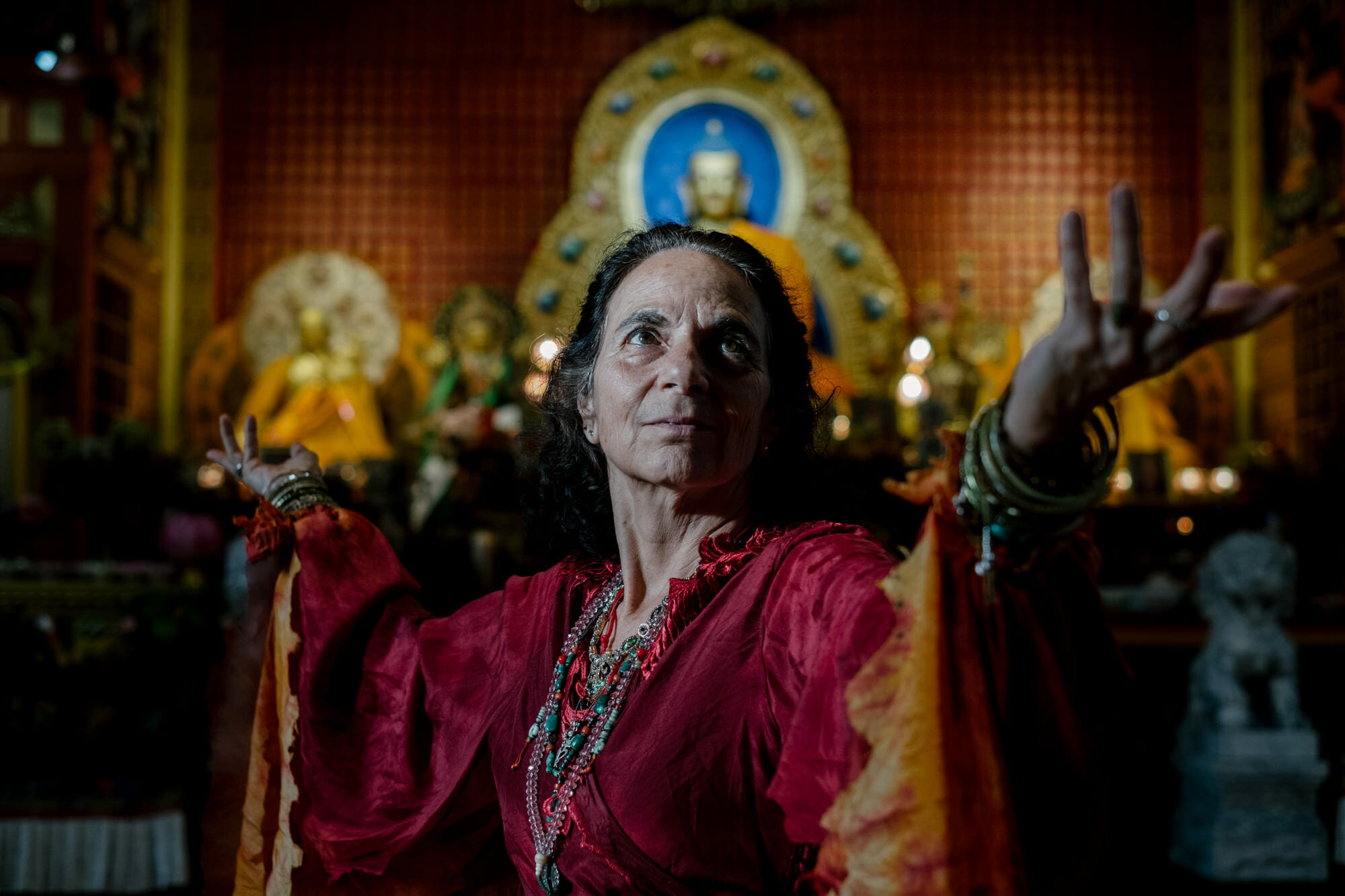
Phyllis: Embodying Vajrayana Buddhism Through the Tara Mandala Dance
Aaron’s Journey Through Zen, Yoga, and the Transformative Power of Buddhist Retreat
Born I: Finding Truth Through Buddhism, Music, and Mental Health
Amber on Finding Joy Through Tibetan Buddhism, Yoga, and Tara Dance
Karen H on Engaged Buddhism: Mindfulness, Activism, and Thích Nhất Hạnh’s Living Legacy
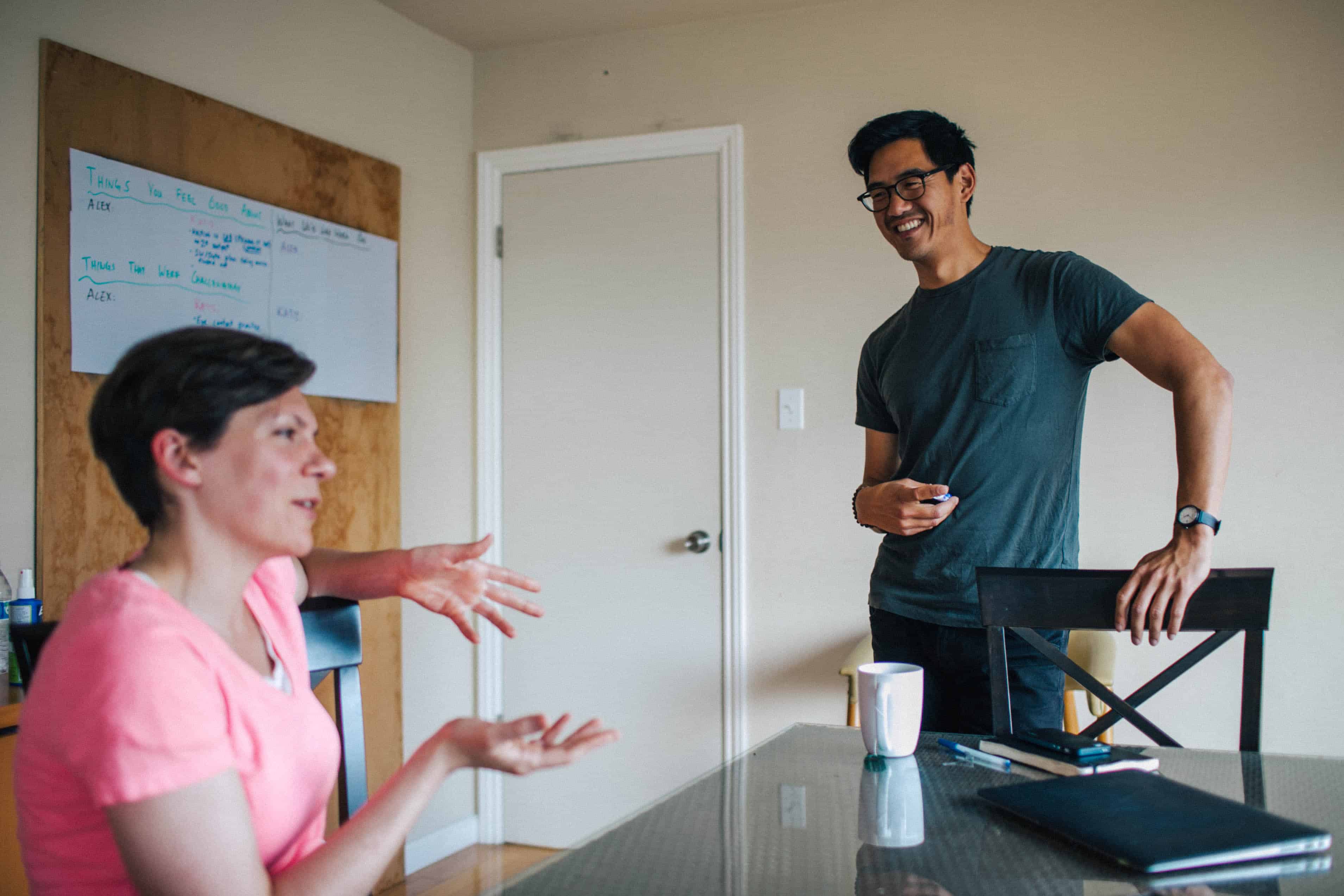
Alex M | From Mindfulness to Zen: Integrating Buddhist Practice into Life and Leadership
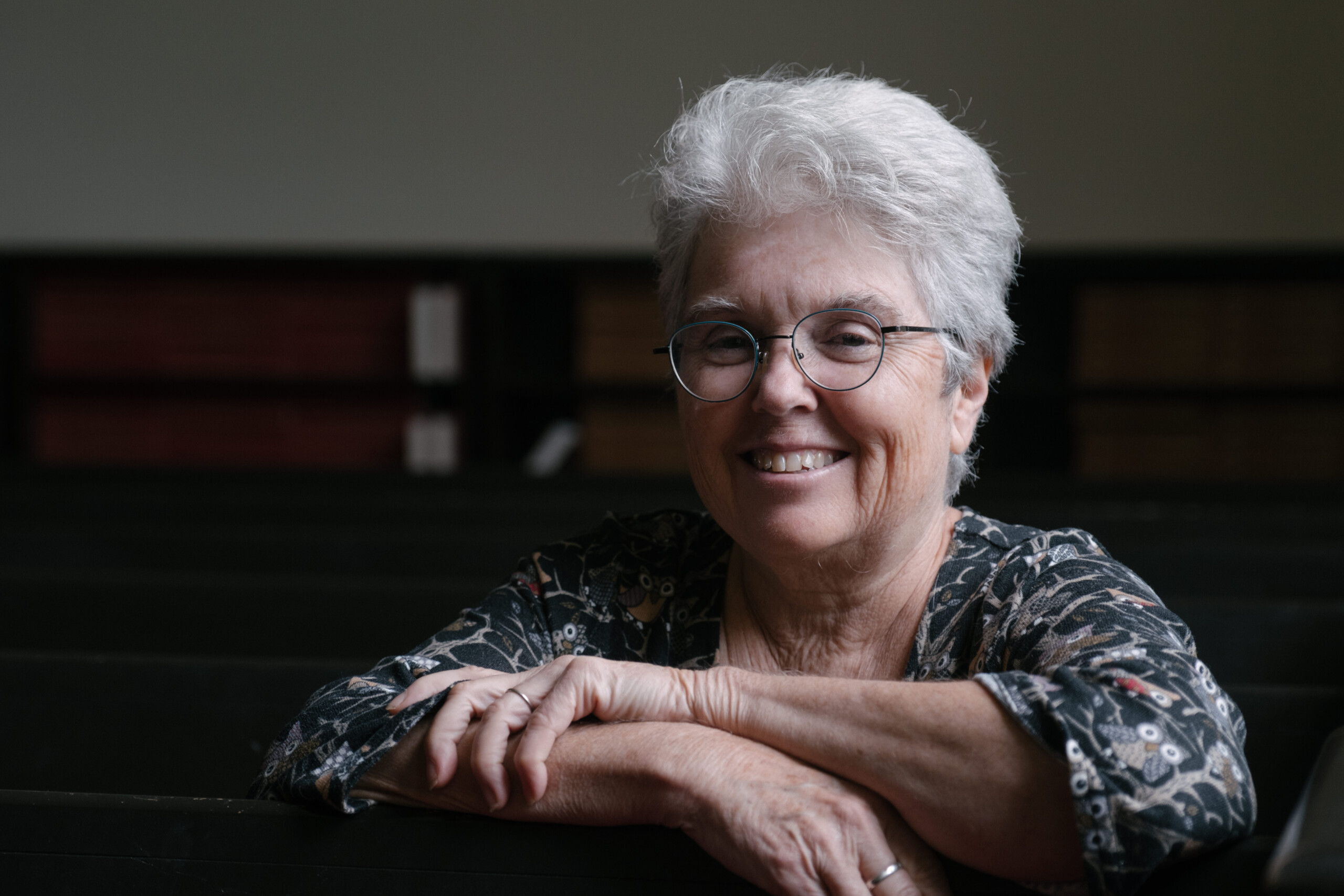
Joann’s Journey to Zen Buddhism | Finding Wholeness Through Presence, Compassion & Practice
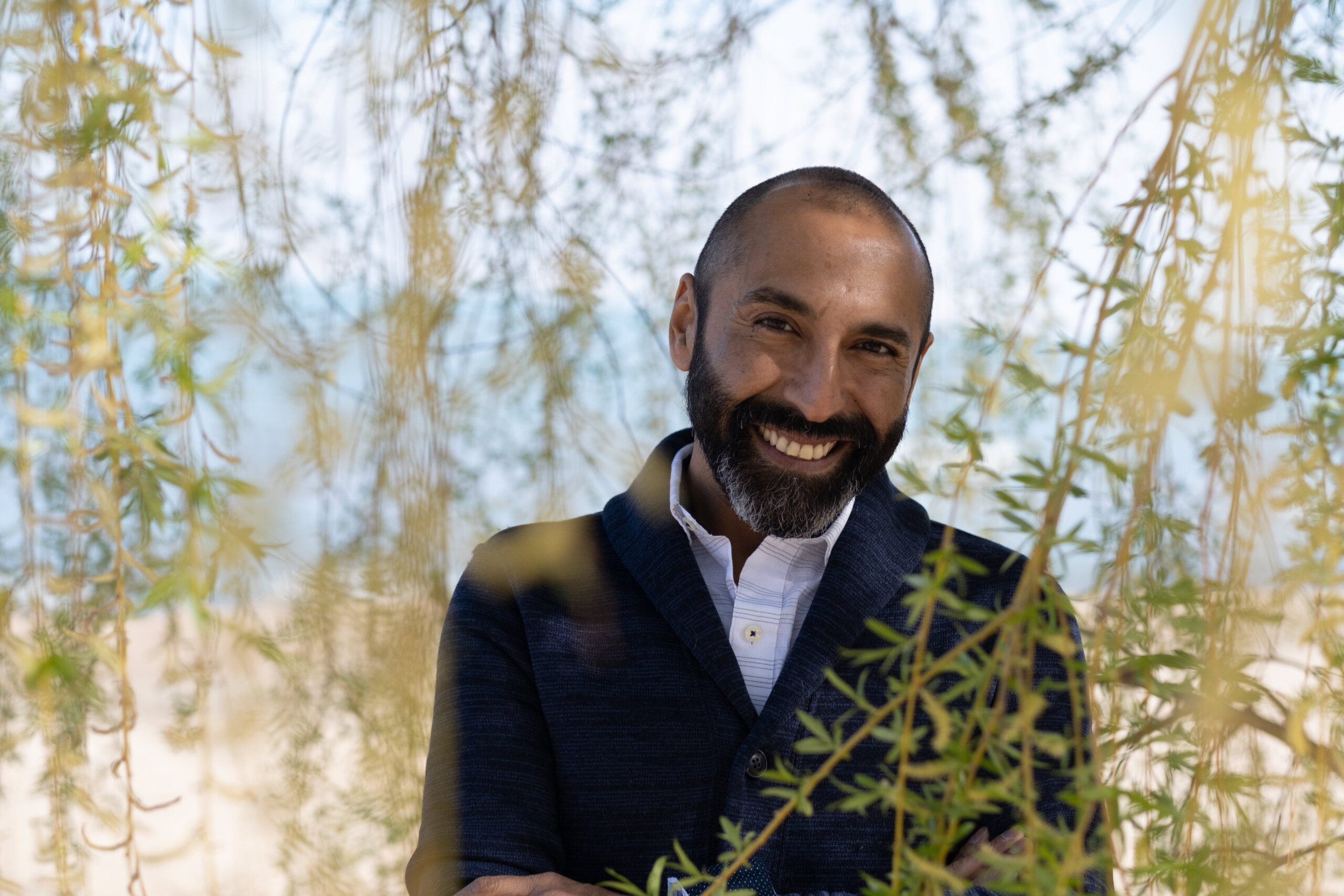
Albert: Finding Self-Acceptance and Freedom Through Buddhist Practice
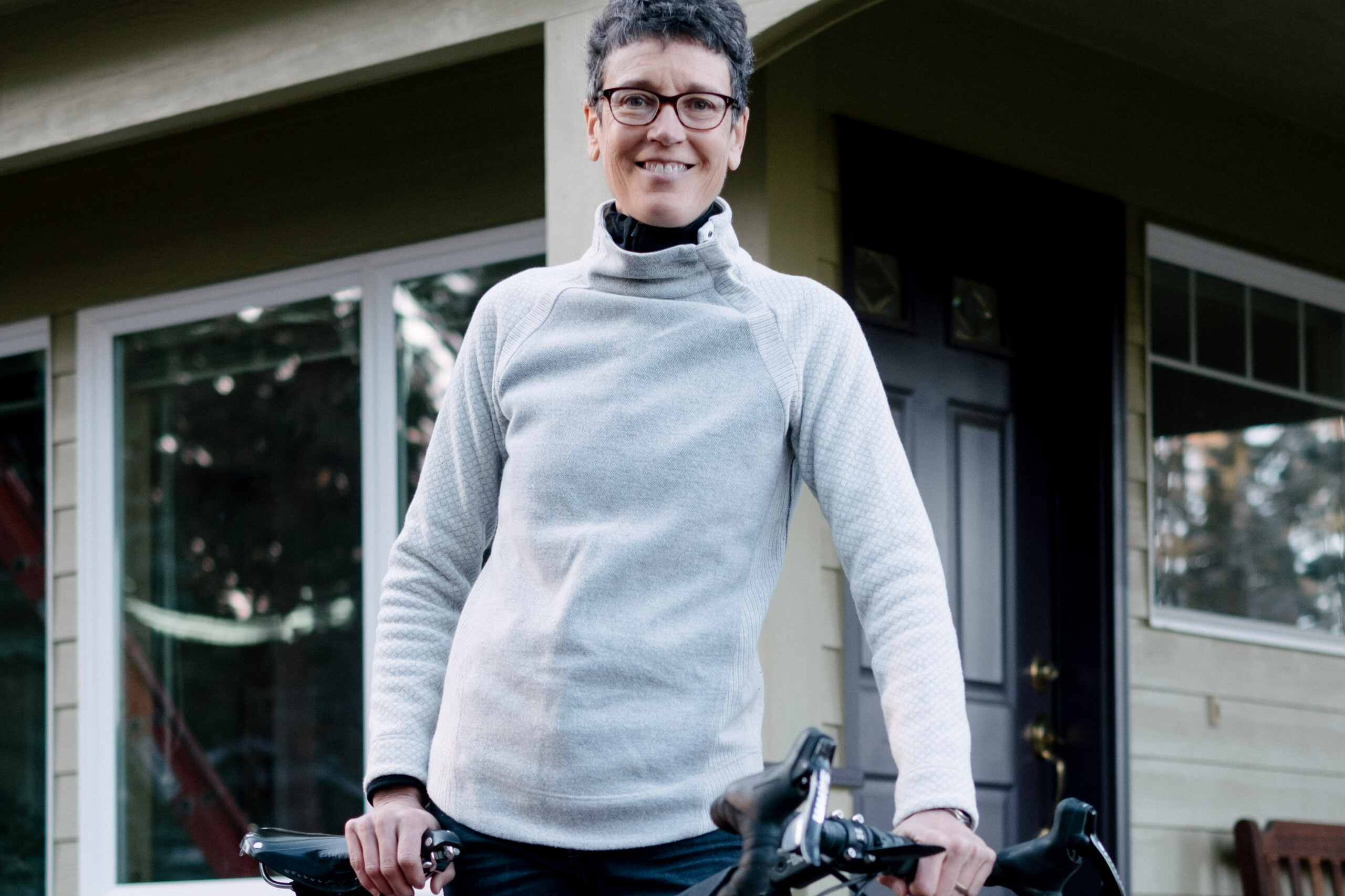
Bryn on Beginning the Buddhist Path | Consistency, Sangha, and Everyday Practice